Before You Go, Let’s Talk About Your Parts
Tell us about your part, quantity, and key requirements. Nova Precision Manufacturing Co.,Ltd can help you choose suitable materials and manufacturing processes for your project.

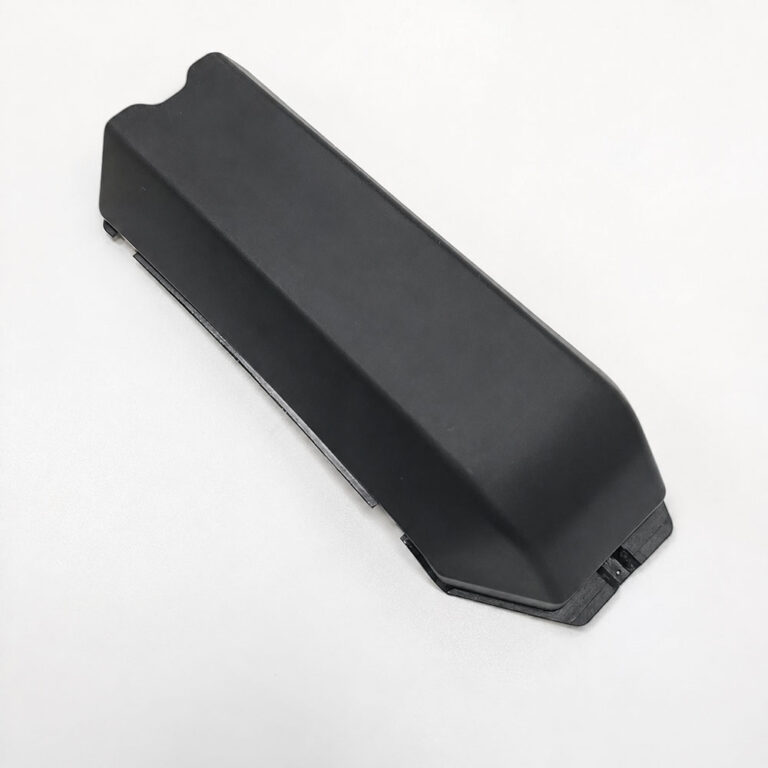
A practical guide for B2B buyers on timing the move from CNC machined plastic parts to injection molding, covering break-even volume, DFM, tolerances and tooling.
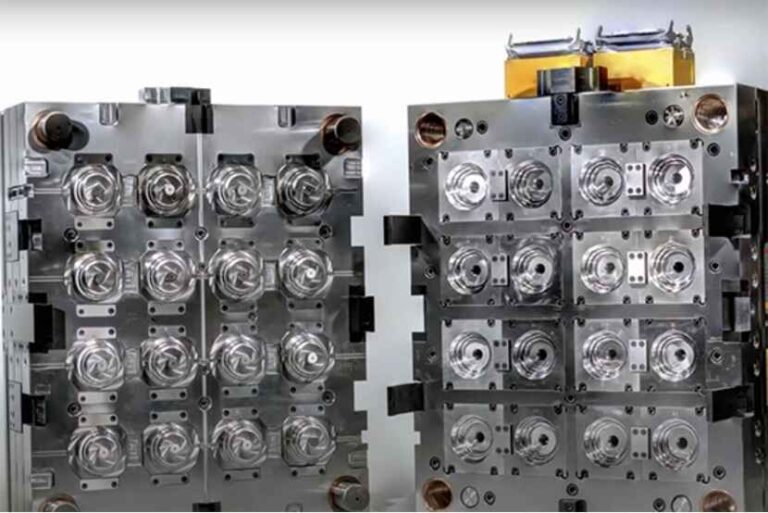
A practical comparison of family molds and dedicated molds for multi-part plastic assemblies, covering cavity balance, tolerances, demand ratios, design risk, and RFQ inputs.
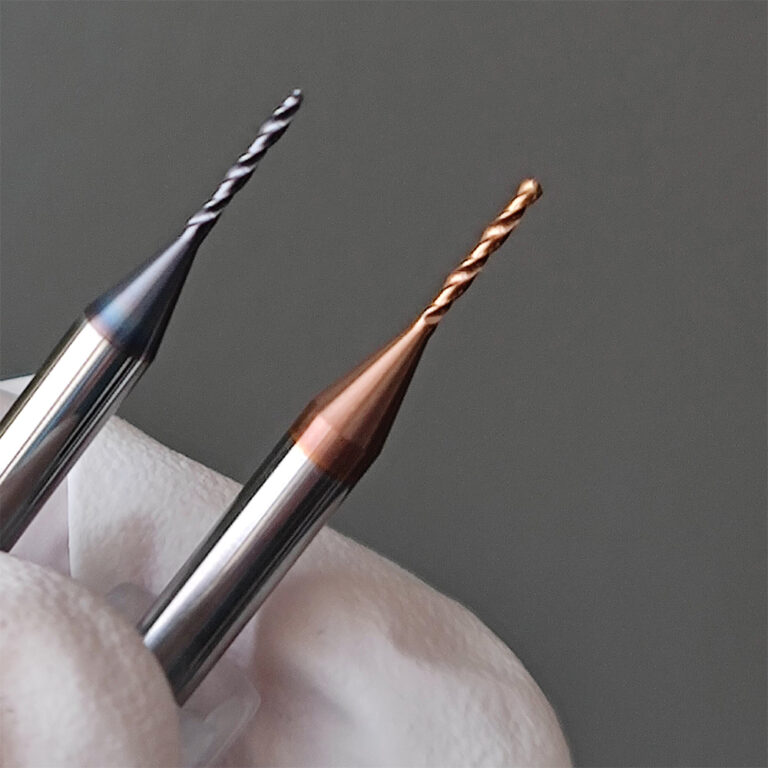
How deep can a small hole go? See how micro drilling aspect ratio is measured, what limits depth, which design changes help, and what to specify before requesting a quote.
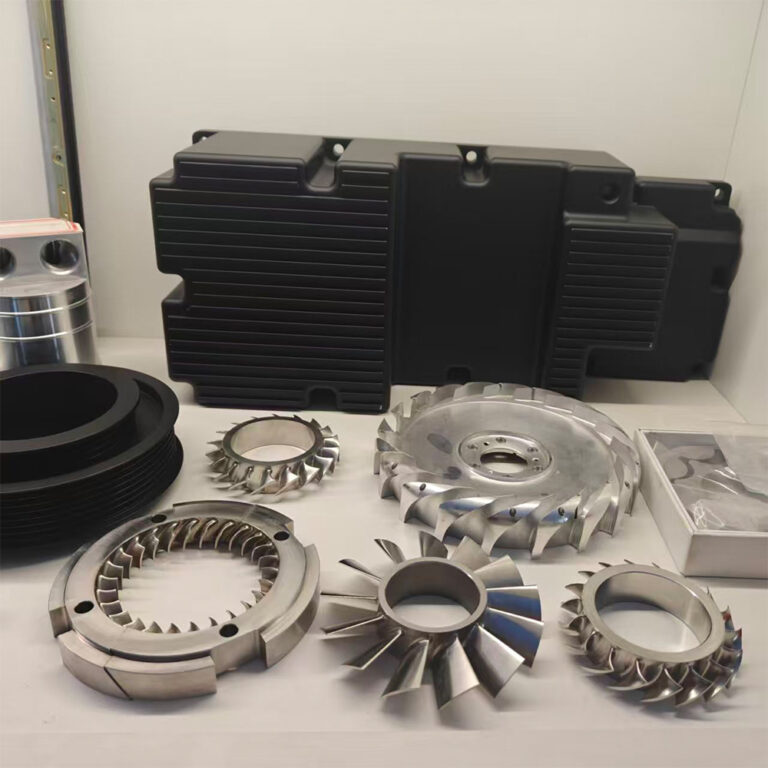
How burrs form on micro-milled metal parts, which process variables control them, how deburring methods compare, and how to define edge limits and RFQ requirements.
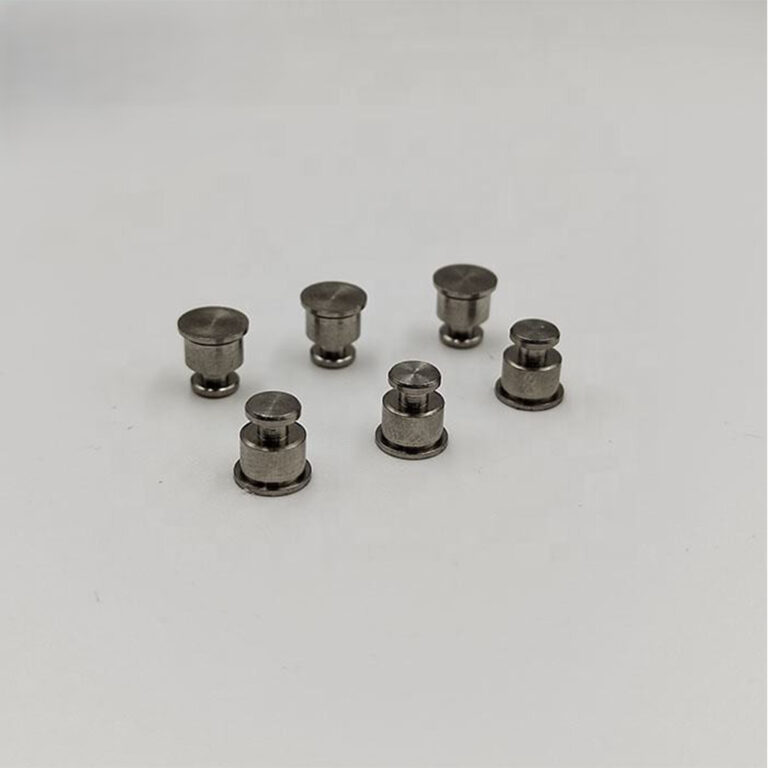
How to specify holes for PEM self-clinching nuts, studs and standoffs: hole size, sheet hardness, edge and bend spacing, laser versus punched holes, finishing order and RFQ checklist.
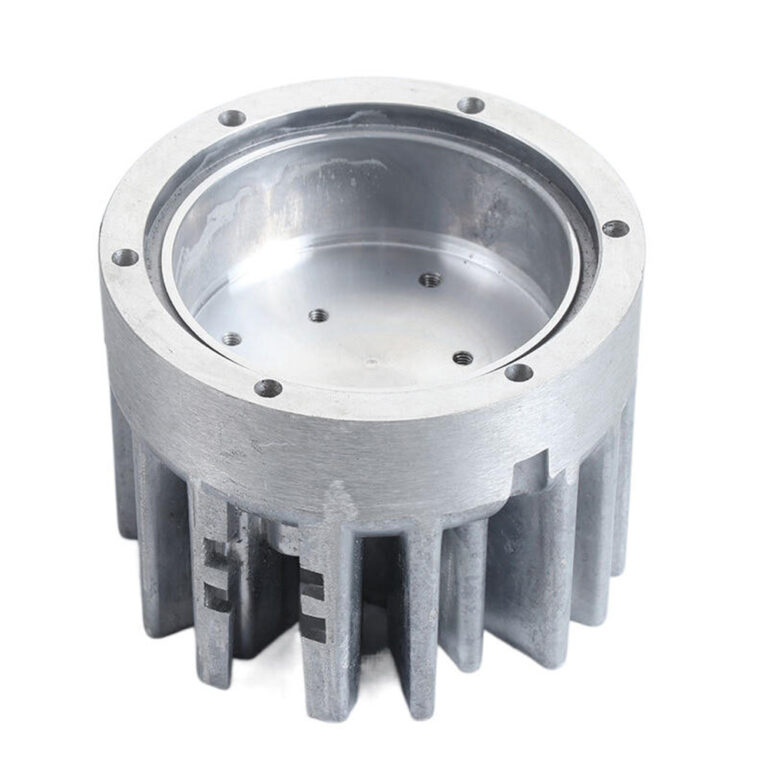
Published minimum wall thickness for aluminum die casting ranges from 0.5 mm to 2.0 mm. Learn what drives the number, the cost of going thinner, and what to specify before an RFQ.
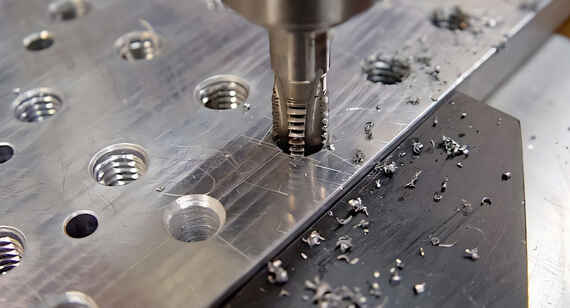
How to choose between cast-in threads, cored-and-tapped holes, thread forming and CNC machining for die cast parts, and what to specify before requesting a quote.
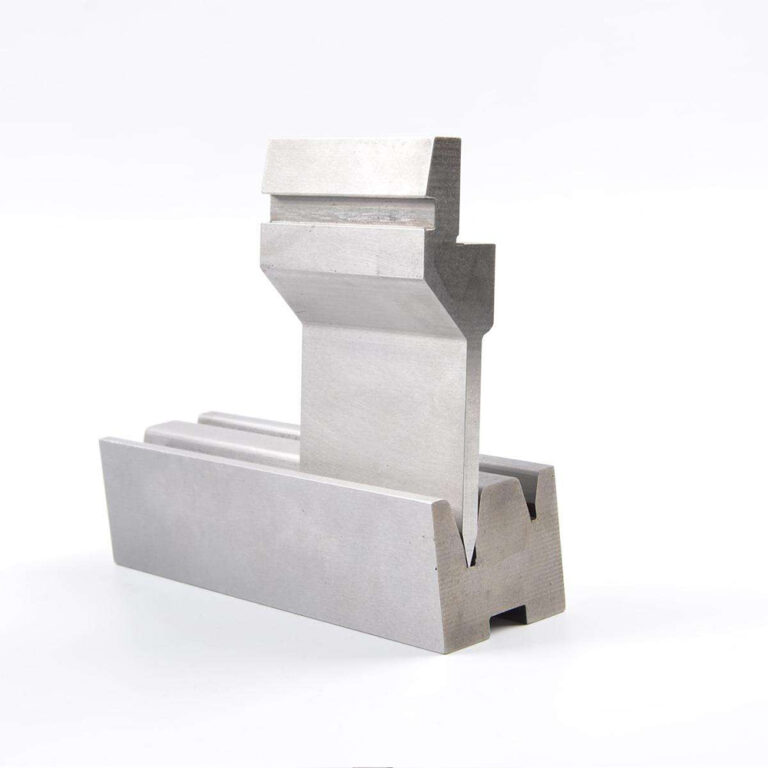
How to calculate when a stamping die costs less than laser cutting: the break-even formula, die cost drivers, a worked example, and what to specify before requesting quotes.
Compare 6061-T6 and 6082-T6 for CNC machined industrial parts, including minimum strength by stock form, stiffness, welding, standards, and RFQ details.
Compare Type II and Type III anodizing for CNC aluminum parts, including thickness, wear, sealing, dimensional growth, masking, and RFQ details.