Before You Go, Let’s Talk About Your Parts
Tell us about your part, quantity, and key requirements. Nova Precision Manufacturing Co.,Ltd can help you choose suitable materials and manufacturing processes for your project.

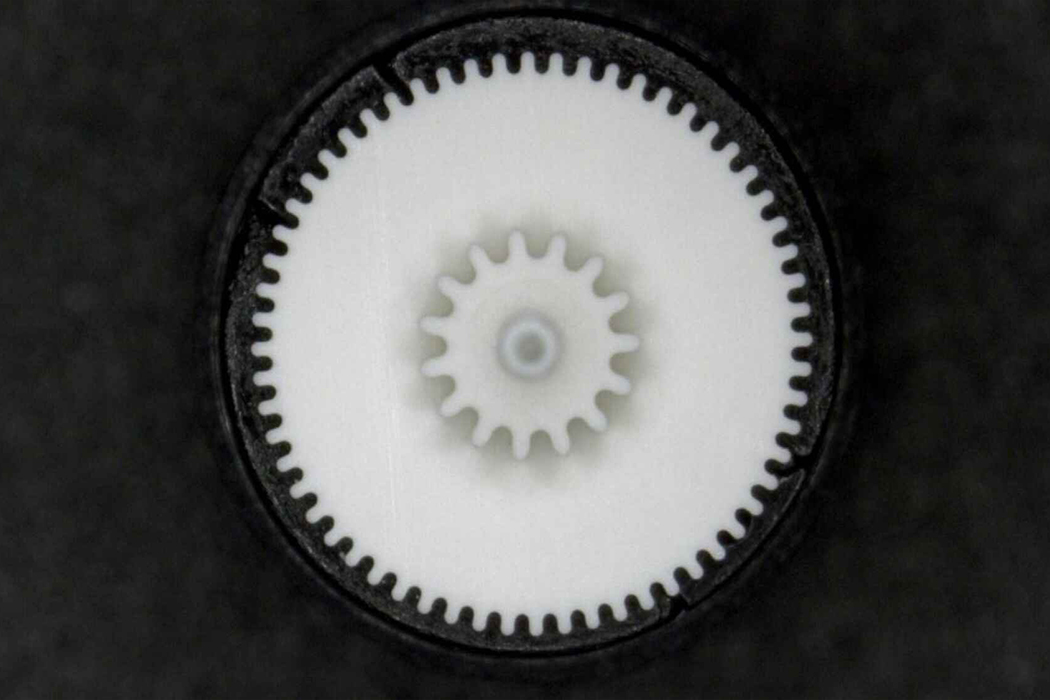
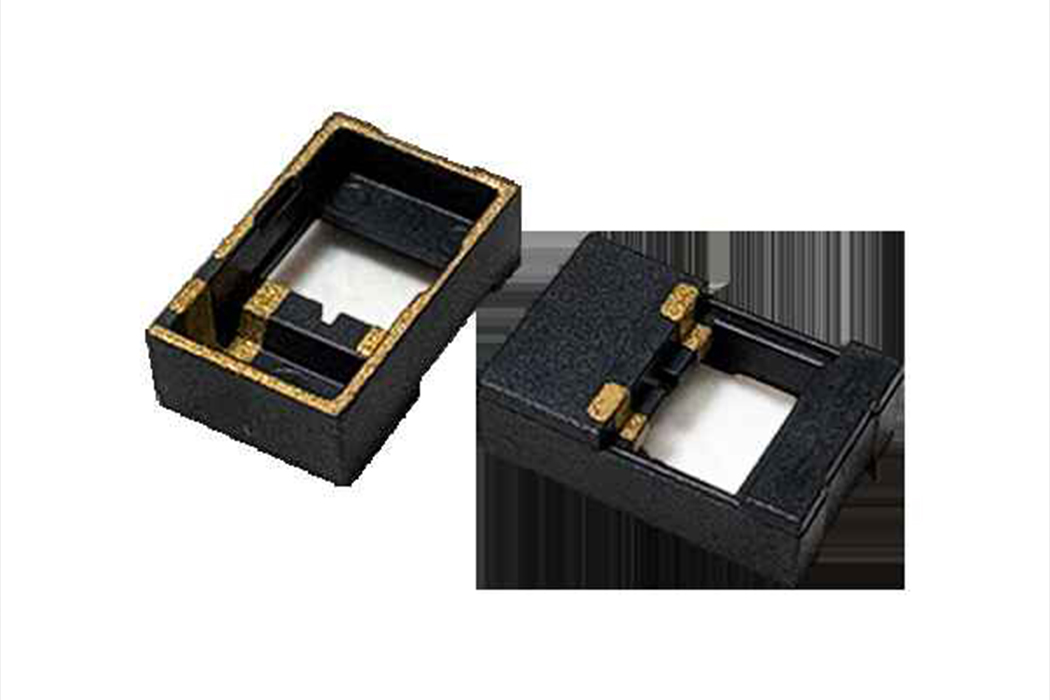
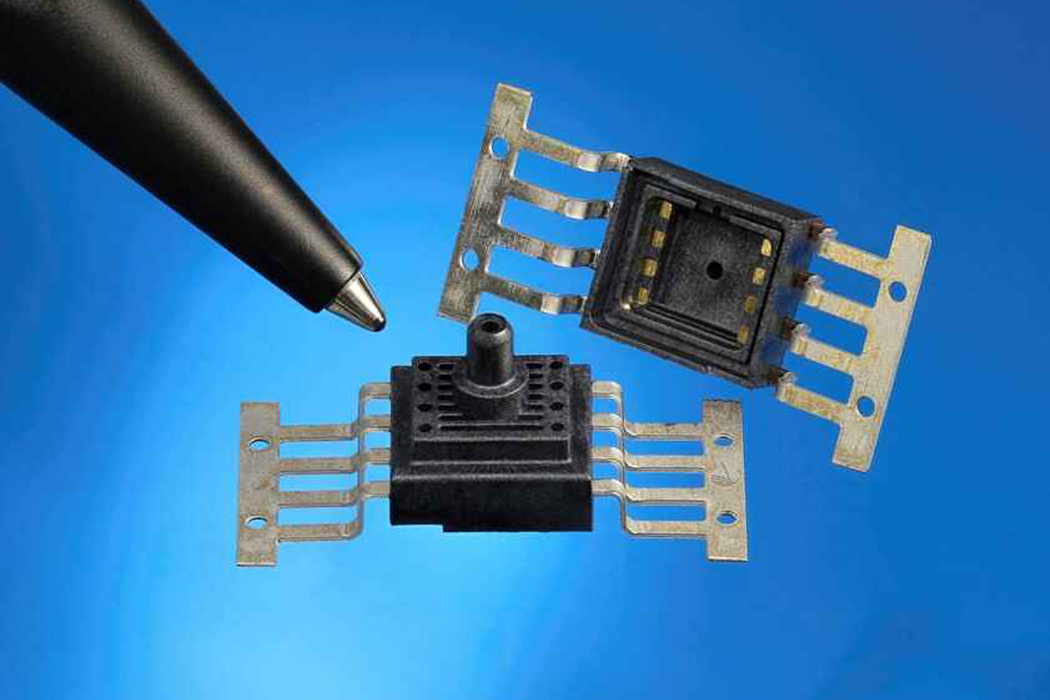
Produce sub-gram components, thin walls, micro holes, miniature gears, connector features, and other intricate plastic parts through precision tooling and controlled micro injection molding.
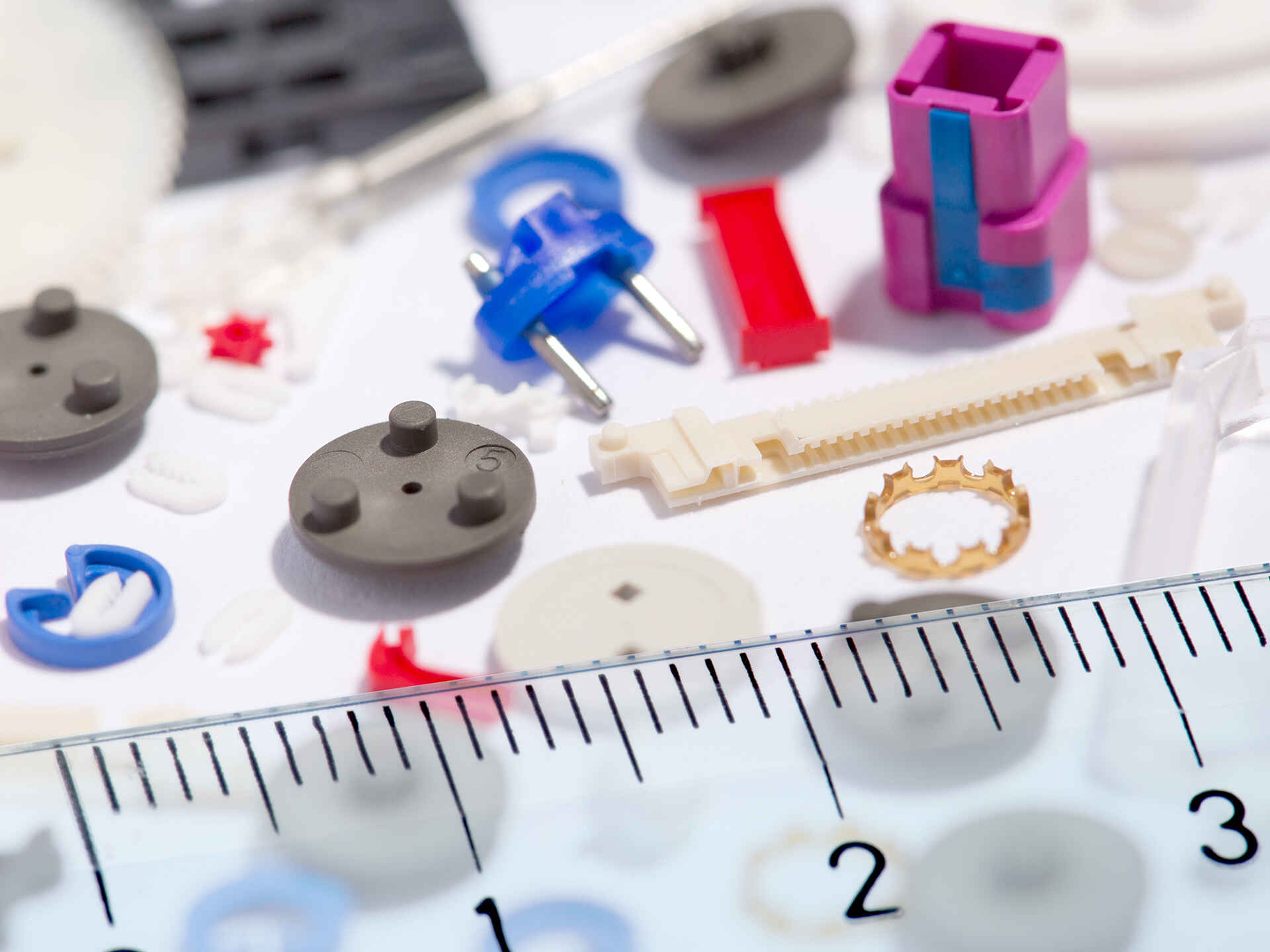
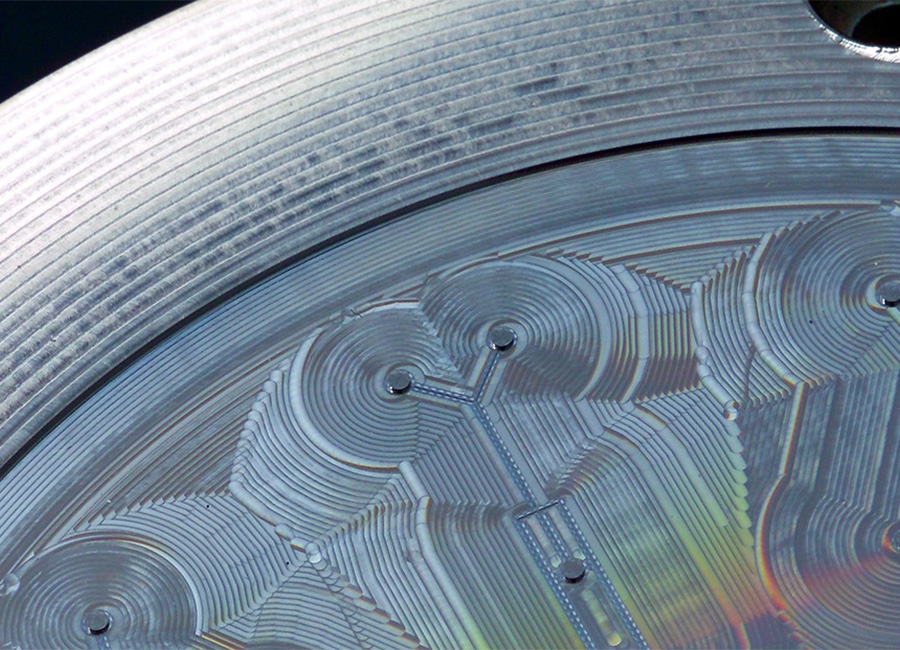
Micro molding is not defined by overall part size alone. It supports sub-gram components as well as larger parts containing micro holes, thin walls, narrow channels, fine details, or tight-tolerance features that conventional molding may not reproduce consistently.
At Nova Precision Manufacturing Co.,Ltd, we review part function, material flow, feature dimensions, gate and runner design, venting, precision tooling, ejection, inspection, and packaging before tooling begins. This coordinated approach helps prevent short shots, trapped gas, flash, damaged features, dimensional variation, and part loss during handling.
Micro molding supports complete miniature components and larger plastic parts with critical micro-scale geometry for medical, electronic, fluid-control, sensing, and precision mechanical applications.
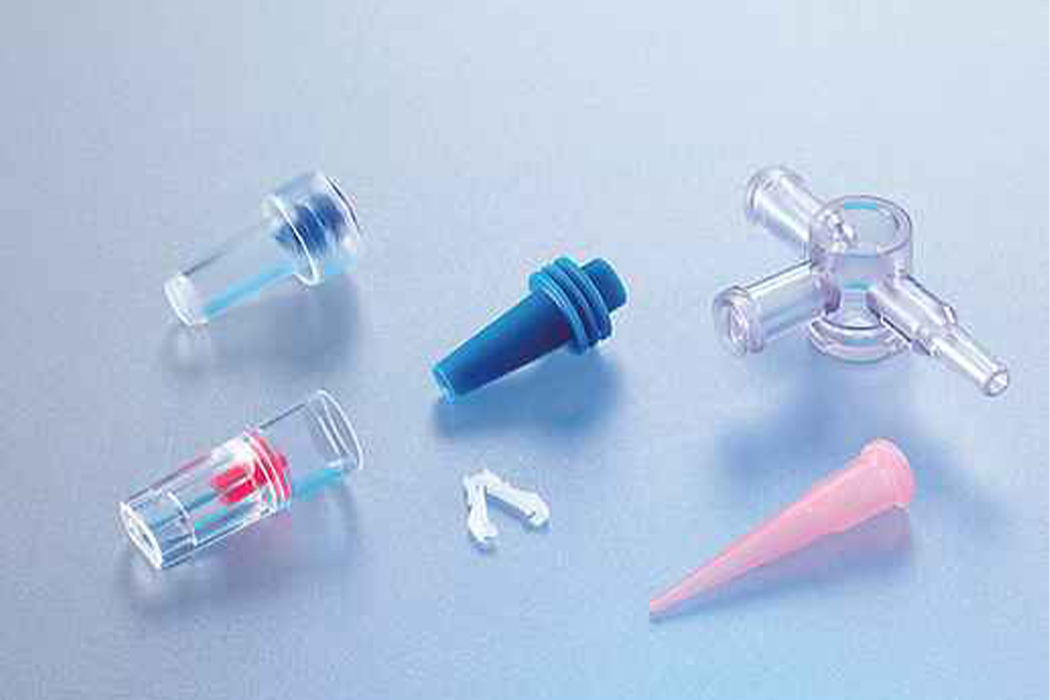
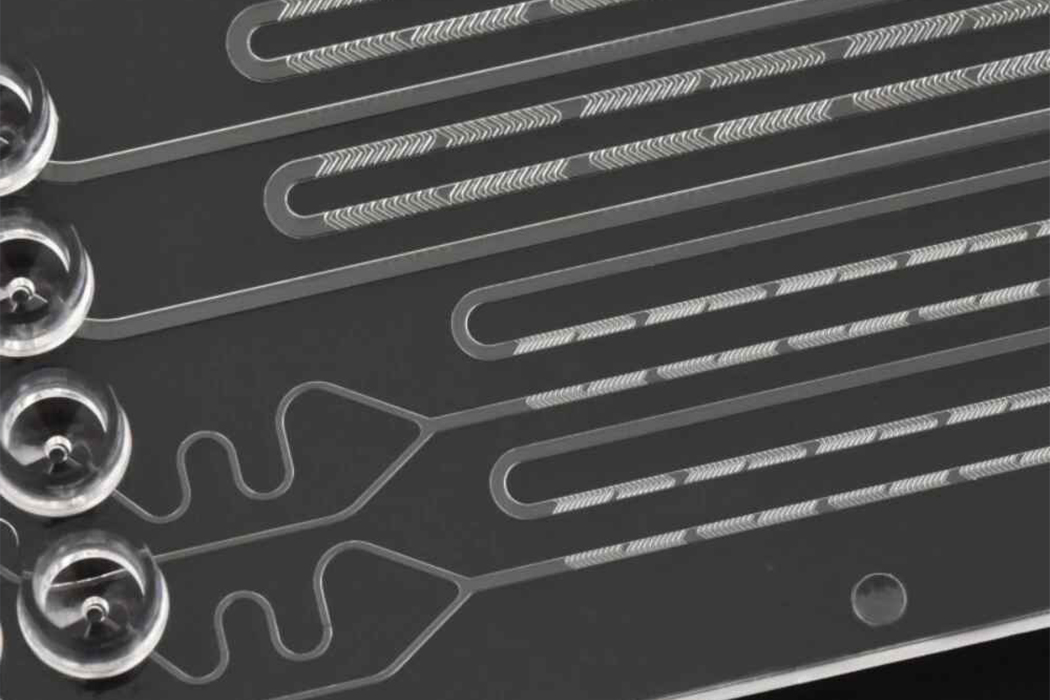
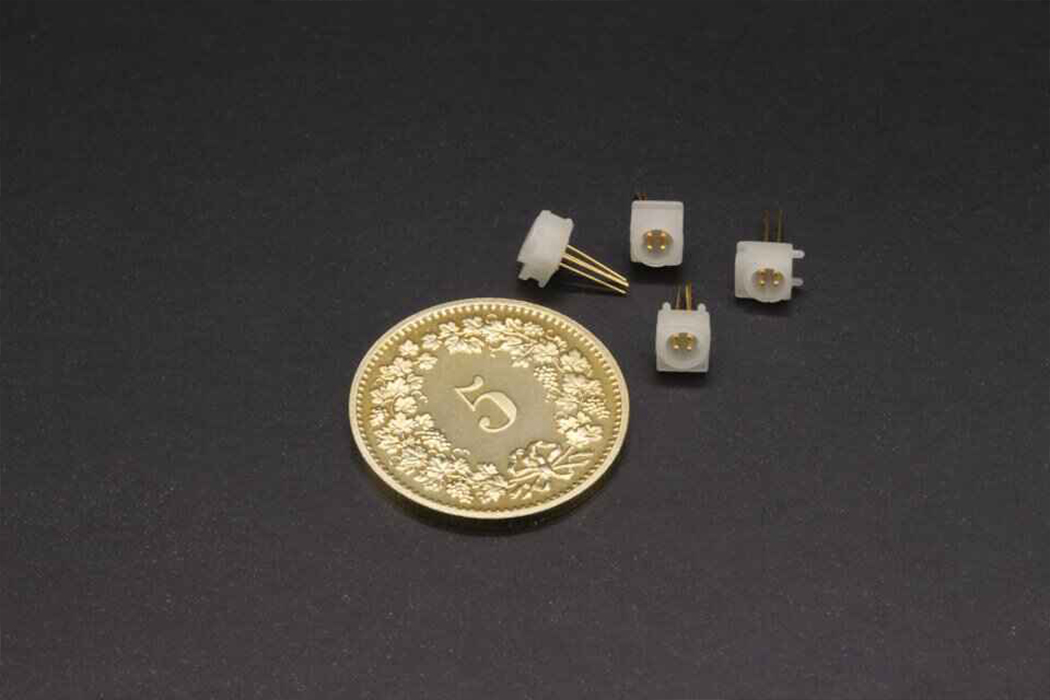
The Micro Molding DFM review should confirm:
Micro cavities, fine core pins, narrow vents, and small gates require accurate toolmaking and disciplined maintenance. Cavity alignment and surface condition influence whether intricate details fill completely and release without flash, deformation, or damage.
Because each cycle uses very little resin, shot size, residence time, injection profile, pressure transfer, mold temperature, cooling, and ejection must remain within a controlled processing window. The objective is repeatable feature replication—not simply filling the cavity once.
Precision Tool Inserts
Machine and verify micro cavities, core pins, shutoffs, and replaceable inserts around the smallest functional geometry.
Venting & Thermal Balance
Release trapped air and stabilize cavity temperature to reduce burning, short shots, and incomplete feature replication.
Gate & Runner Efficiency
Deliver a consistent micro shot while limiting excess runner volume, shear, hesitation, and unnecessary material waste.
Protected Part Ejection
Use suitable contact surfaces and controlled removal methods to prevent bending, marking, contamination, or part loss.
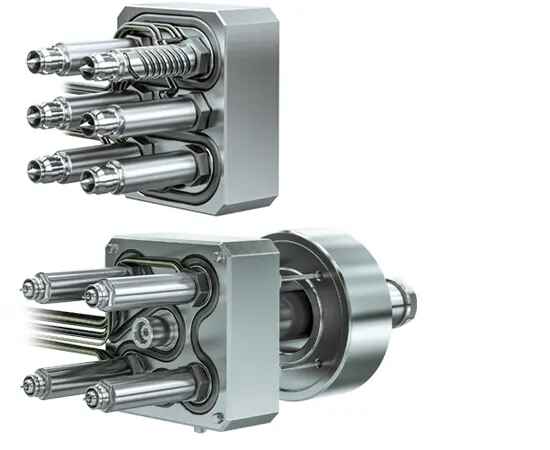
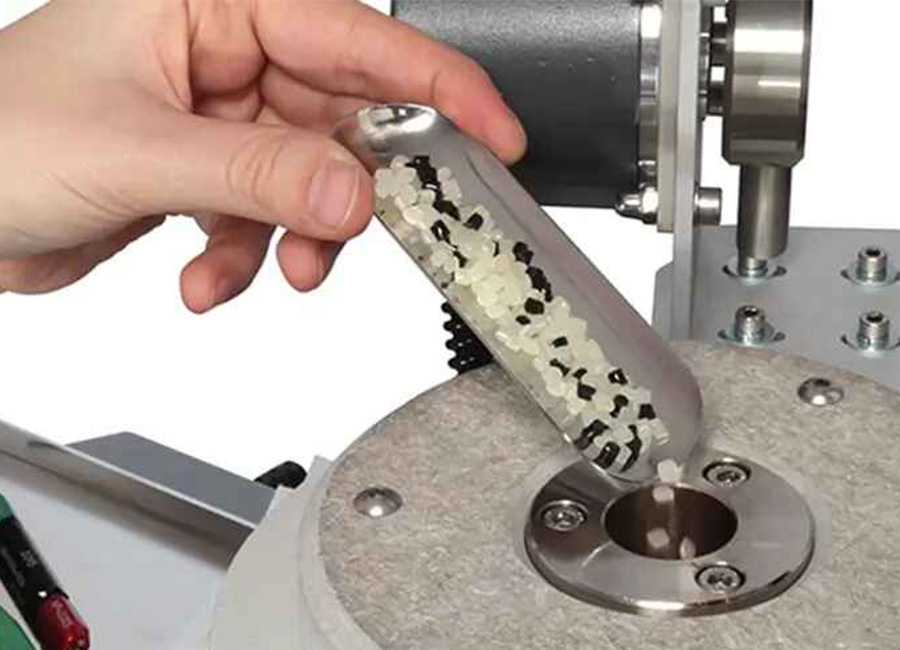
Material selection must balance end-use performance with the ability to reach and reproduce the smallest feature. Melt viscosity, shear sensitivity, filler size, moisture, shrinkage, and thermal history can change how a micro component fills and holds its dimensions.
Candidate materials may include ABS, PC, PP, POM, PA, PBT, LCP, PMMA, COC/COP, PPS, PEI, PEEK, TPE, and TPU. The suitable grade depends on mechanical load, chemical exposure, temperature, clarity, electrical behavior, sterilization requirements, and assembly method.
Exact resin grades should be evaluated early. A material that performs well in a conventional component may behave differently through a micro gate or thin flow path, making molding trials and feature-specific inspection necessary before production approval.
Each stage connects part function with precision tooling, a stable molding window, suitable measurement methods, protected handling, and repeatable production controls.