Before You Go, Let’s Talk About Your Parts
Tell us about your part, quantity, and key requirements. Nova Precision Manufacturing Co.,Ltd can help you choose suitable materials and manufacturing processes for your project.

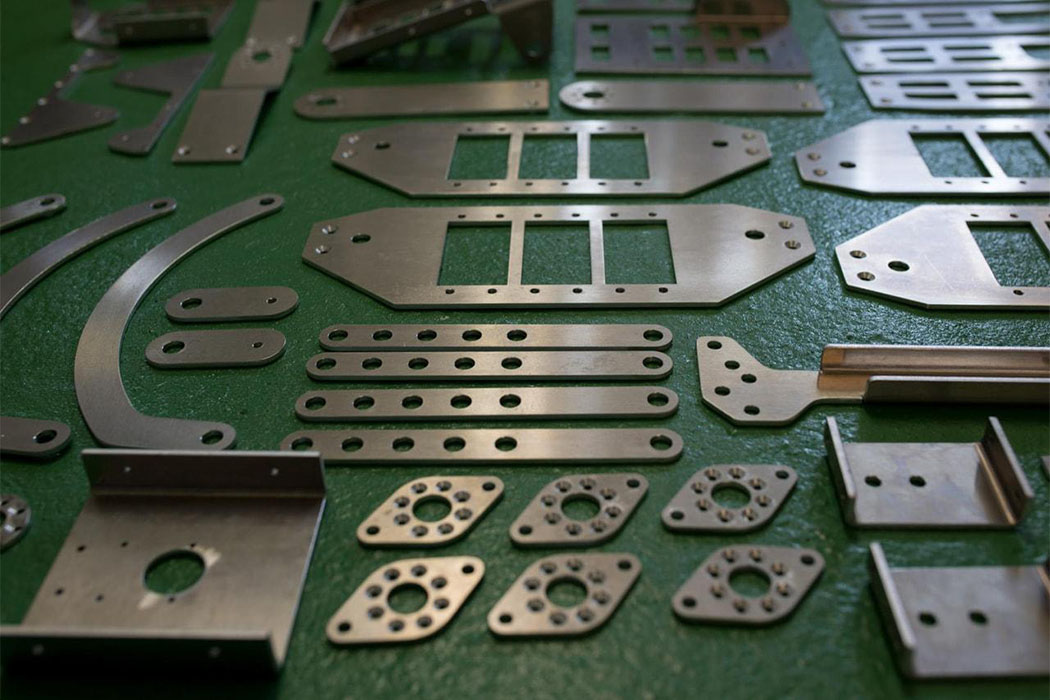
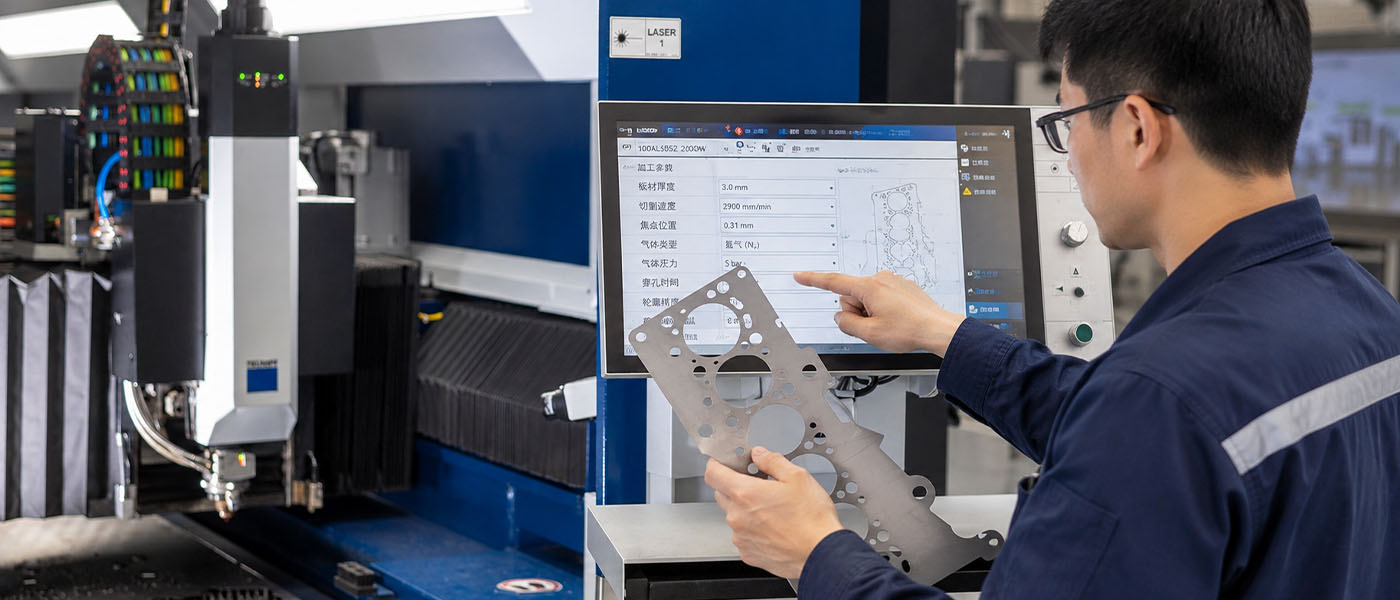

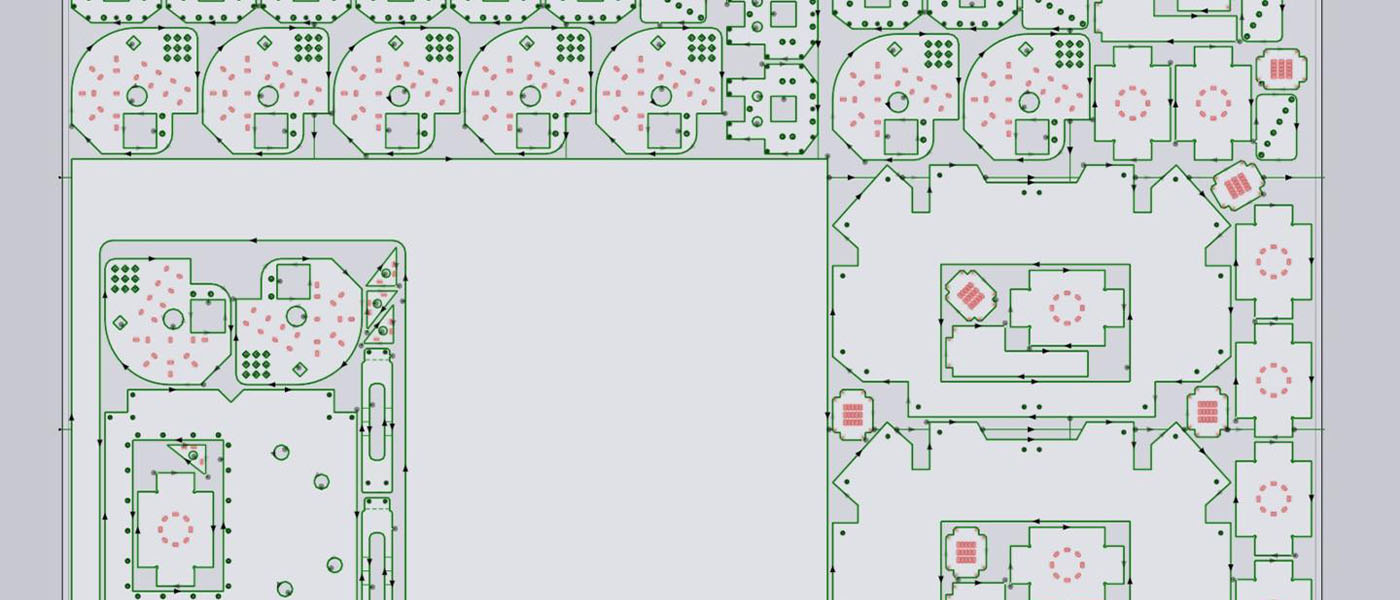
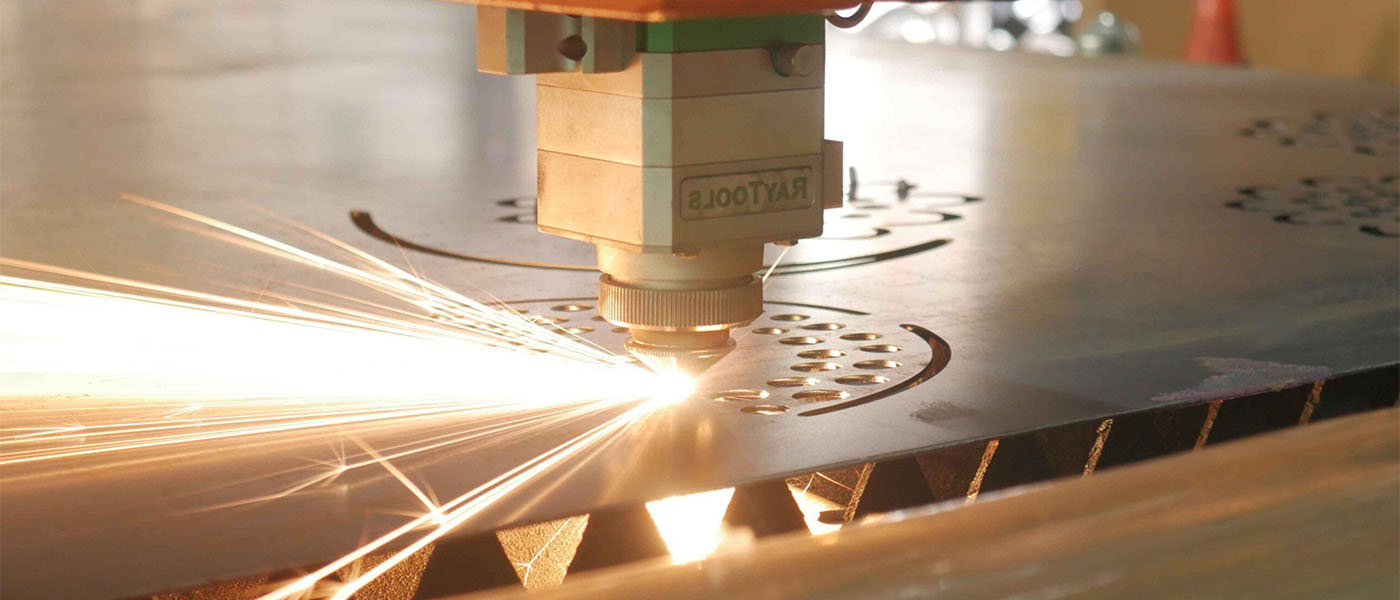
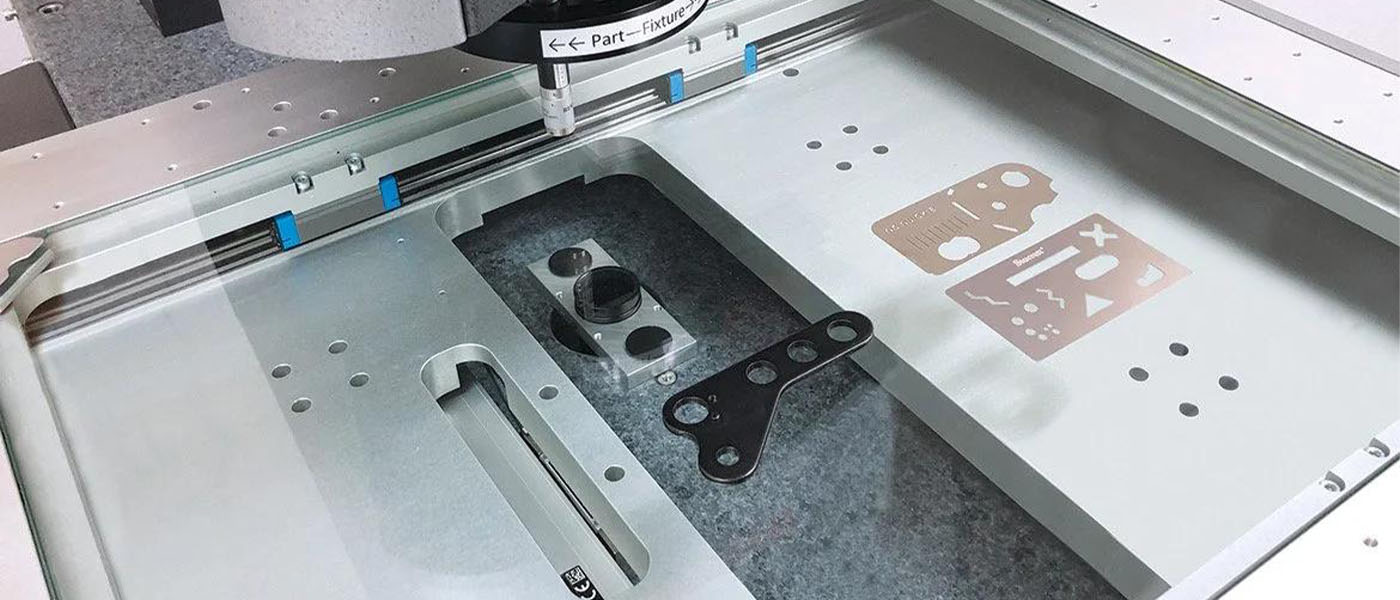
Please provide a DXF or DWG profile, or a STEP model supported by a dimensioned 2D drawing. Include the material grade, sheet thickness, quantity, critical tolerances, edge requirements, surface finish, secondary operations, inspection needs, and requested delivery date.
Common project materials include carbon steel, stainless steel, aluminum, galvanized steel, copper, and brass. Actual feasibility depends on the alloy, sheet thickness, surface condition, reflectivity, part geometry, and required edge quality, so each material specification should be reviewed before production.
Yes. Laser cutting uses digital programming rather than a dedicated hard die, making it suitable for one-off prototypes, design revisions, pilot batches, mixed-part orders, and repeat production. For larger quantities, nesting and production planning help improve material utilization and consistency.
Achievable tolerances depend on the material, sheet thickness, part size, feature geometry, heat input, cut length, and required edge condition. Raw sheet thickness tolerance is separate from profile-cutting tolerance. Mark all critical dimensions and GD&T requirements on the drawing for project-specific review.
Material composition, thickness, surface condition, piercing strategy, cutting speed, focus, nozzle condition, assist gas, heat distribution, and feature geometry can affect the result. Specify acceptable burrs, dross, oxide, heat tint, cut-face appearance, and cosmetic requirements during quotation.
Yes. Depending on the design, parts can proceed to deburring, tapping, countersinking, bending, hardware installation, welding, marking, brushing, anodizing, plating, passivation, painting, powder coating, or assembly. Defining these operations before cutting helps coordinate hole sizes, edge preparation, masking, and cosmetic surfaces.
Lead time depends on material availability, order quantity, sheet thickness, nesting efficiency, part complexity, secondary operations, surface finishing, inspection documentation, and packaging. A project-specific production schedule will be provided after the files and requirements have been reviewed.