Custom Sheet Metal Fabrication Services

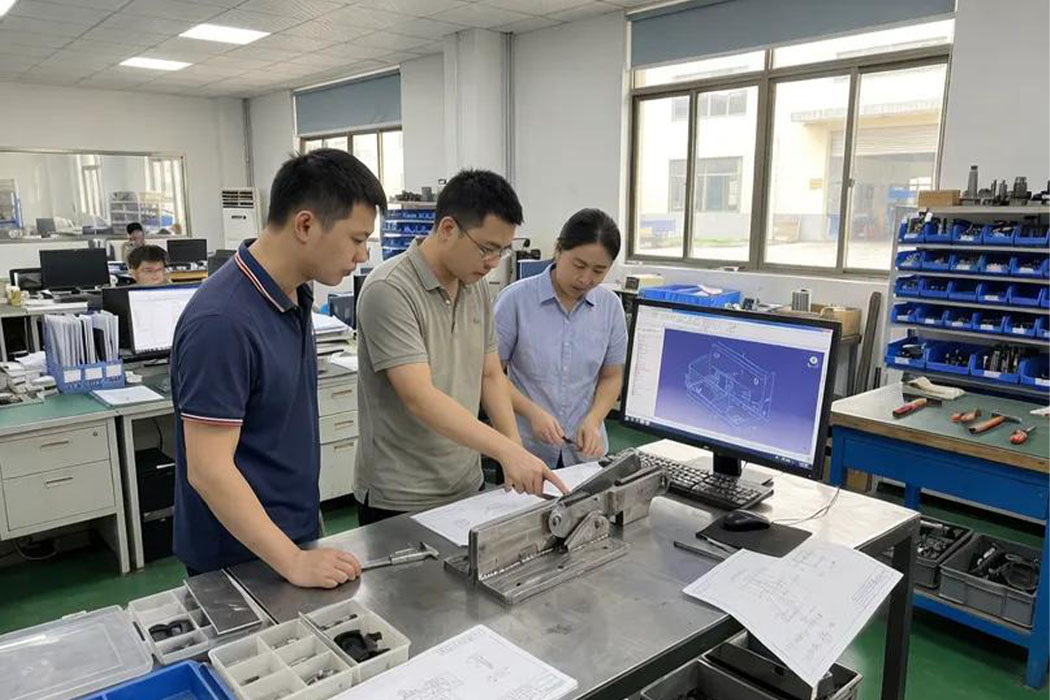
Send us your 3D CAD files and 2D drawings with material, sheet thickness, quantity, finish, and inspection requirements. Our engineers will review flat-pattern feasibility, bend sequencing, hole and hardware locations, welding access, and cosmetic surfaces, then develop a clear production plan from cutting through finished assembly.

Sheet Metal Fabrication Built Around Your Design

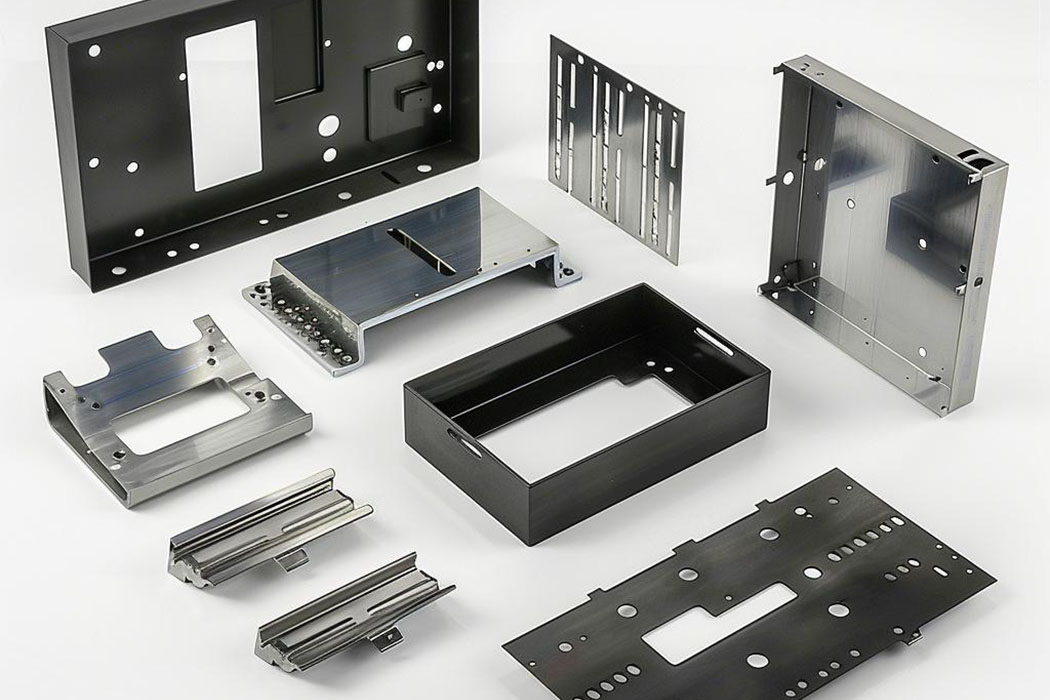
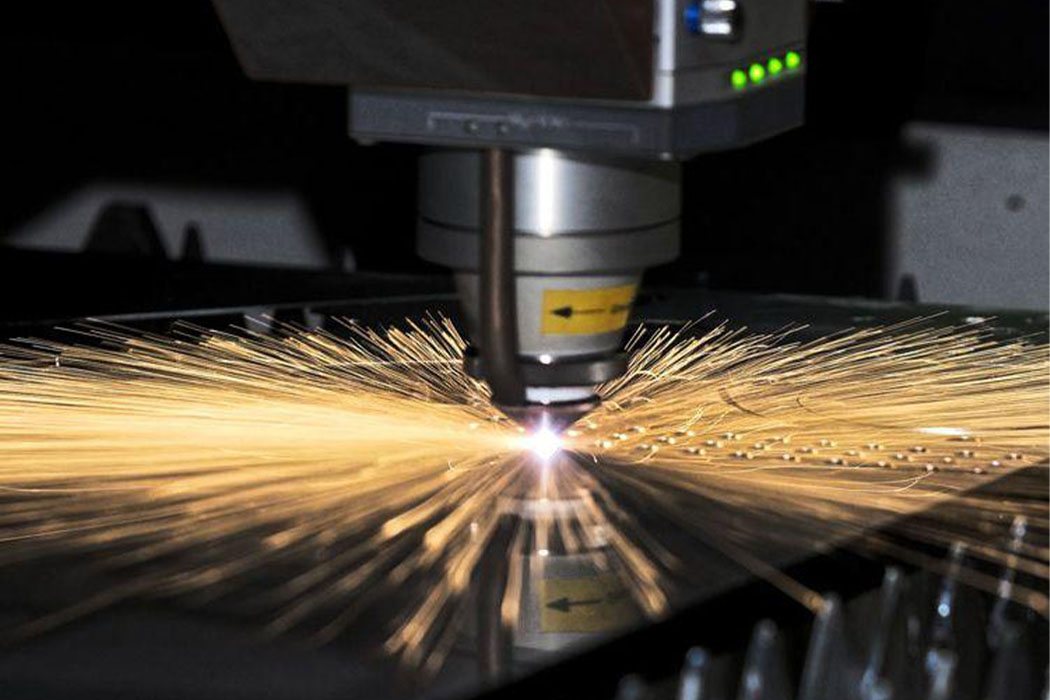
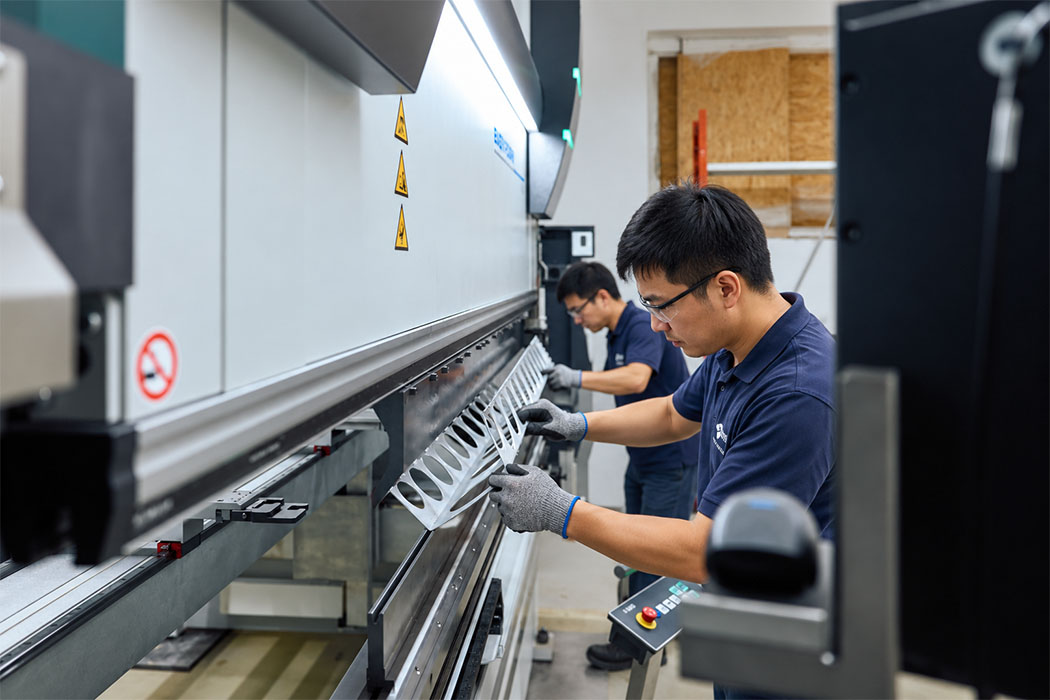
From Flat Sheet to Finished Assembly– Fabrication Processes: Laser cutting, CNC punching, press brake bending, deburring, tapping, countersinking, and forming selected according to part geometry and production quantity.
– Sheet Metal Materials: Aluminum, low-carbon steel, stainless steel, galvanized steel, copper, brass, and other sheet alloys in specified grades and thicknesses.
– Component Types: Brackets, panels, covers, enclosures, chassis, cabinets, mounts, frames, trays, guards, and other flat or formed components.
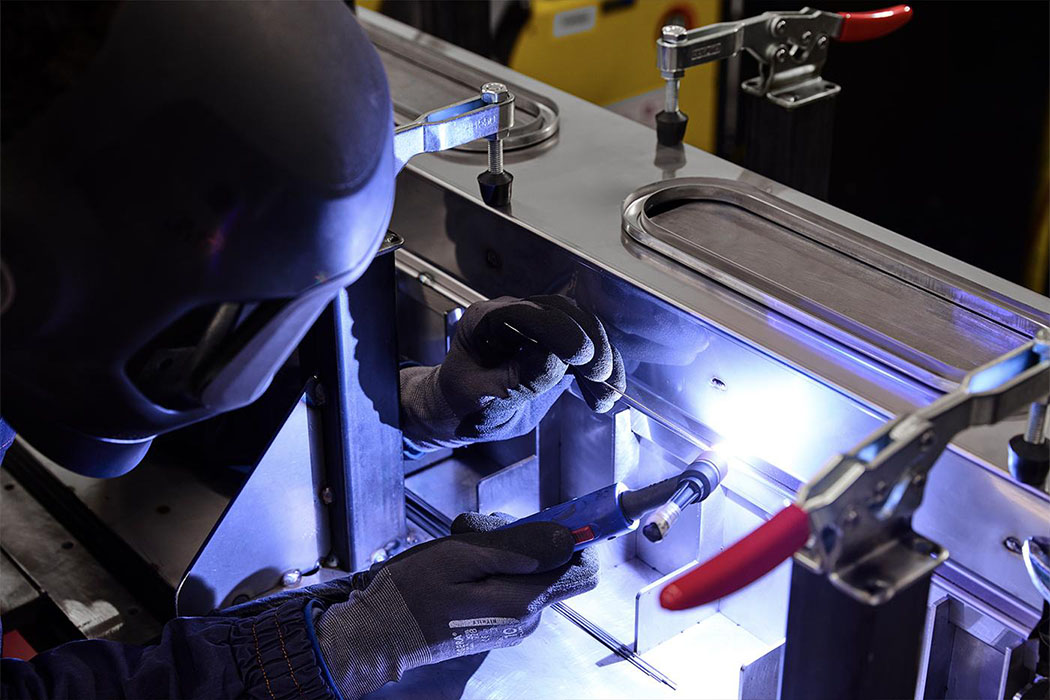
– Joining & Hardware: TIG, MIG, and spot welding, riveting, PEM nuts, studs, standoffs, threaded inserts, and multi-part assembly as specified.
– Finishing & Quality: Brushing, bead blasting, aluminum anodizing, stainless-steel passivation, plating, powder coating, painting, part marking, dimensional reports, and first article inspection.
01 — Project & Drawing Review
Defining the Fabrication Route Before Production
✅ Part Requirements
Review the 3D model and 2D drawing, including material grade, sheet thickness, flat and formed dimensions, critical tolerances, surface finish, and cosmetic requirements.
✅ Order Requirements
Confirm prototype or production quantity, delivery schedule, hardware, welding, assembly, inspection documentation, labeling, and packaging requirements.
02 — Sheet Metal DFM & Flat-Pattern Planning
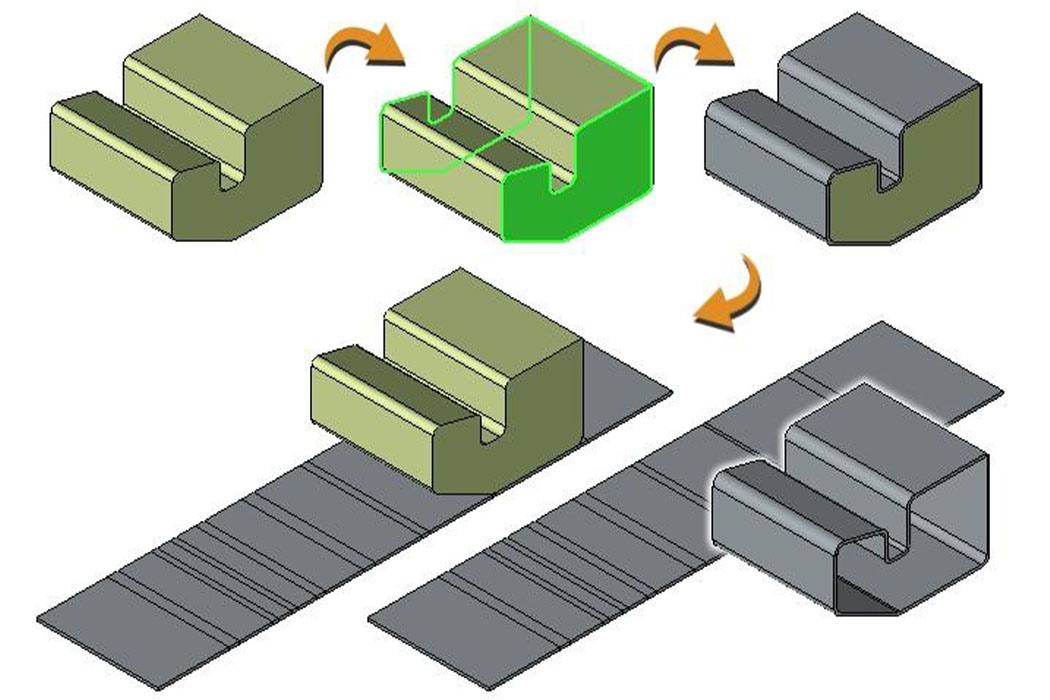
Converting 3D Geometry into a Manufacturable Blank
✅ Manufacturability Analysis
Evaluate uniform thickness, bend radii, flange lengths, bend reliefs, hole-to-bend spacing, hardware clearance, welding access, and distortion risks.
✅ Bend Strategy
Define the flat pattern, bend allowance, grain direction, internal radii, available tooling, and forming sequence required to achieve the final dimensions.
03 — Material Planning & Nesting
Preparing Sheet Stock for Efficient Production
✅ Material Verification
Confirm the alloy, temper, thickness, surface condition, grain direction, protective film, and material certification requirements before cutting.
✅ Nesting & Programming
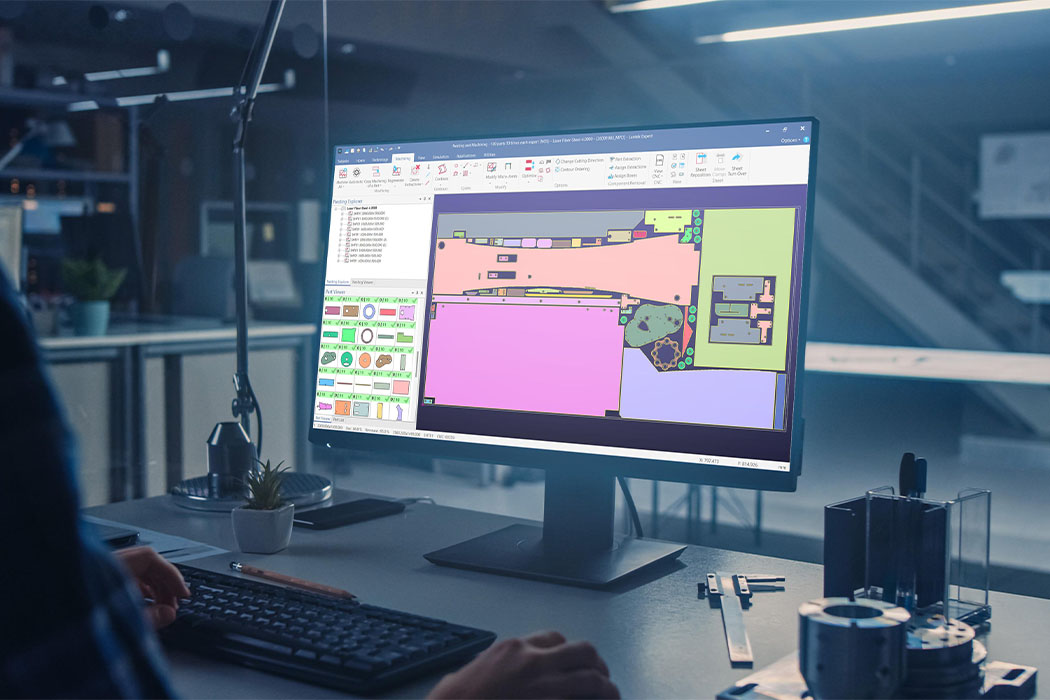
Arrange parts on standard sheet sizes to reduce material waste while maintaining grain direction, cosmetic orientation, cutting clearance, and part identification.
04 — Laser Cutting & CNC Punching
Creating Flat Profiles and Functional Features
✅ Precision Cutting
Produce external profiles, holes, slots, vents, notches, tabs, and internal cutouts using the cutting or punching process suited to the material and geometry.
✅ Cut-Part Verification
Check profile dimensions, hole locations, edge condition, dross, burrs, heat marks, and part identification before components move to forming.
05 — Deburring & Press Brake Forming
Turning Flat Blanks into 3D Components
✅ Edge Preparation
Remove cutting burrs and dross, break sharp edges, and prepare surfaces before bending, hardware installation, welding, or cosmetic finishing.
✅ Controlled Forming
Form flanges, channels, hems, jogs, offsets, and other features in the planned sequence while controlling bend angle, springback, flatness, and overall dimensions.
06 — Welding, Hardware & Finishing
Completing Functional Parts and Assemblies
✅ Joining & Hardware Installation
Install specified nuts, studs, standoffs, rivets, and threaded hardware. Join components with appropriate welding fixtures and sequences to control alignment and distortion.
✅ Surface Finishing
Complete weld blending, brushing, bead blasting, aluminum anodizing, stainless-steel passivation, plating, powder coating, painting, masking, or part marking as specified.
07 — Final Inspection & Delivery
Verifying Dimensions, Appearance, and Assembly Fit
✅ Dimensional & Visual Inspection
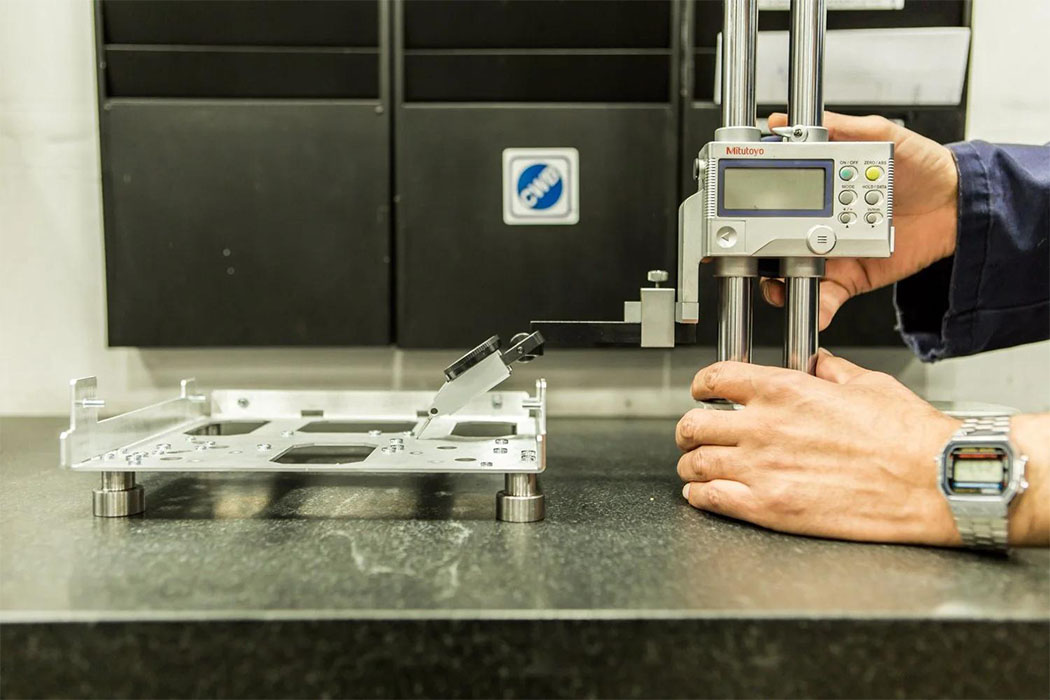
Verify critical dimensions, hole positions, bend angles, flatness, hardware installation, weld quality, assembly alignment, finish color, and cosmetic surfaces.
✅ Documentation & Packaging
Prepare dimensional reports, first article inspection, material or finish certificates, and lot records when required, then package parts to prevent scratches, dents, and corrosion.

Sheet Metal Fabrication — Frequently Asked Questions

Answers about fabrication processes, materials, prototypes, tolerances, lead times, welding, hardware installation, finishing, and inspection.

Please provide a 3D CAD file and fully dimensioned 2D drawing showing the material grade, sheet thickness, critical tolerances, bend requirements, hardware, weld locations, surface finish, and cosmetic specifications. We also need the quantity, delivery schedule, inspection requirements, and packaging instructions.

Yes. The same cutting and forming processes can support one-off prototypes, pilot batches, low-volume production, and repeat orders. Fixtures, inspection methods, production planning, and material purchasing can be adjusted as quantities increase.

Yes. Parts can include welding, riveting, PEM hardware, tapping, countersinking, assembly, anodizing, plating, passivation, powder coating, painting, masking, and marking. Dimensional reports, first article inspection, material certificates, and finish certificates can be supplied when specified.