Before You Go, Let’s Talk About Your Parts
Tell us about your part, quantity, and key requirements. Nova Precision Manufacturing Co.,Ltd can help you choose suitable materials and manufacturing processes for your project.

Manufacture functional and cosmetic plastic components in engineering thermoplastics selected for strength, impact resistance, heat, chemicals, dimensional stability, and appearance.
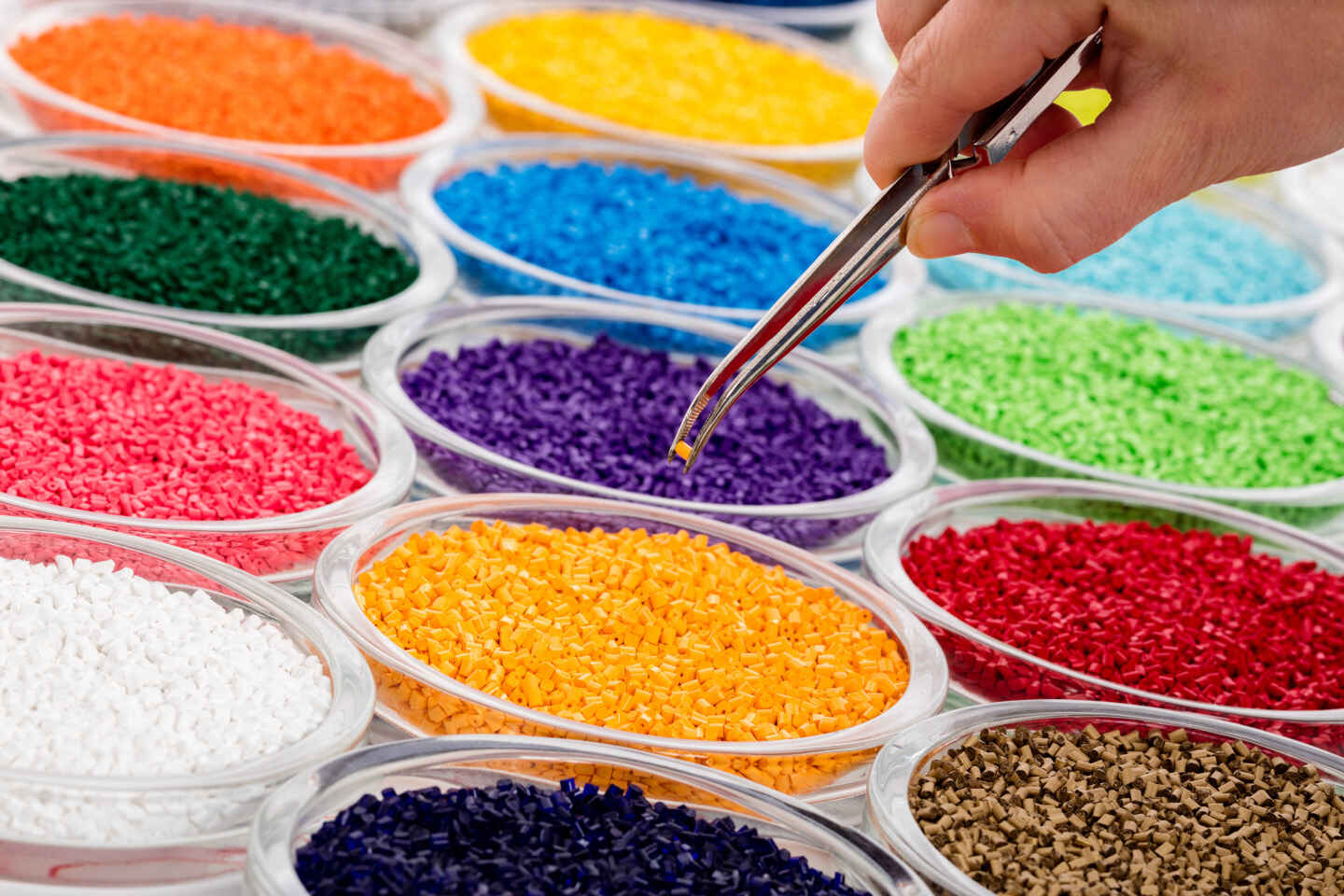
Plastic injection molding offers a broad choice of thermoplastics for parts with different mechanical, thermal, chemical, dimensional, and cosmetic requirements. The right resin depends on how the finished component will actually be used—not simply on whether the material can be injection molded.
Nova Precision Manufacturing Co.,Ltd evaluates factors such as strength, impact resistance, operating temperature, chemical exposure, moisture, wear, transparency, surface appearance, and dimensional stability when reviewing material options. Resin behavior also affects shrinkage, wall thickness, flow, and final part dimensions, so material selection should be considered early in the part design.
Choose from widely used thermoplastics for molded parts requiring different combinations of strength, impact resistance, wear performance, chemical resistance, heat resistance, dimensional stability, and appearance.
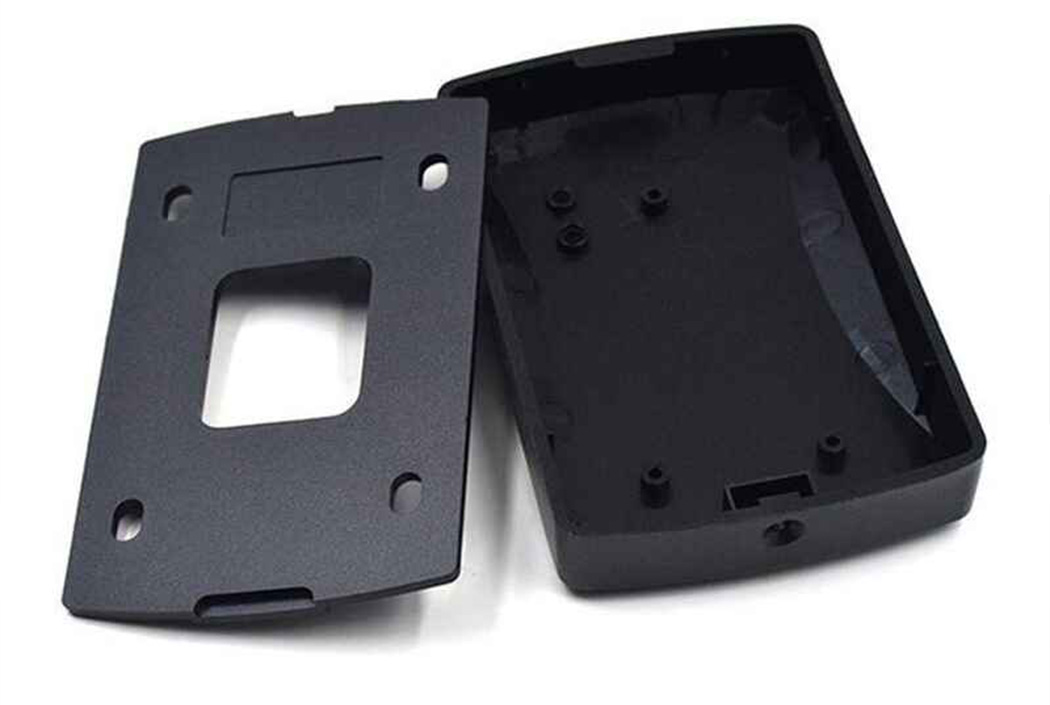
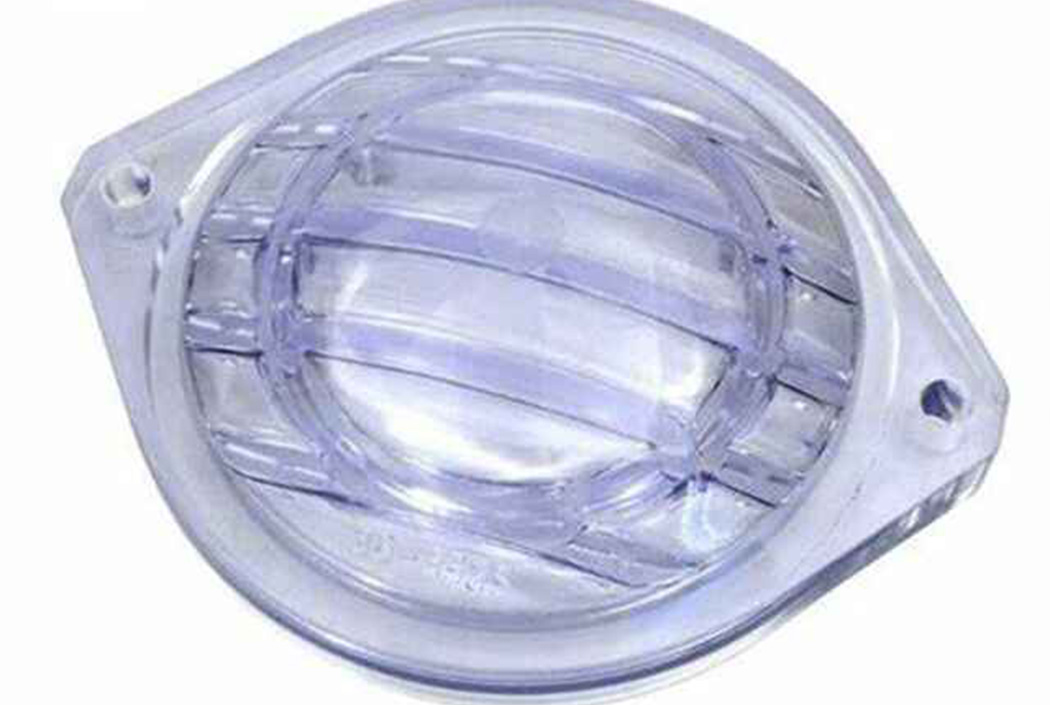
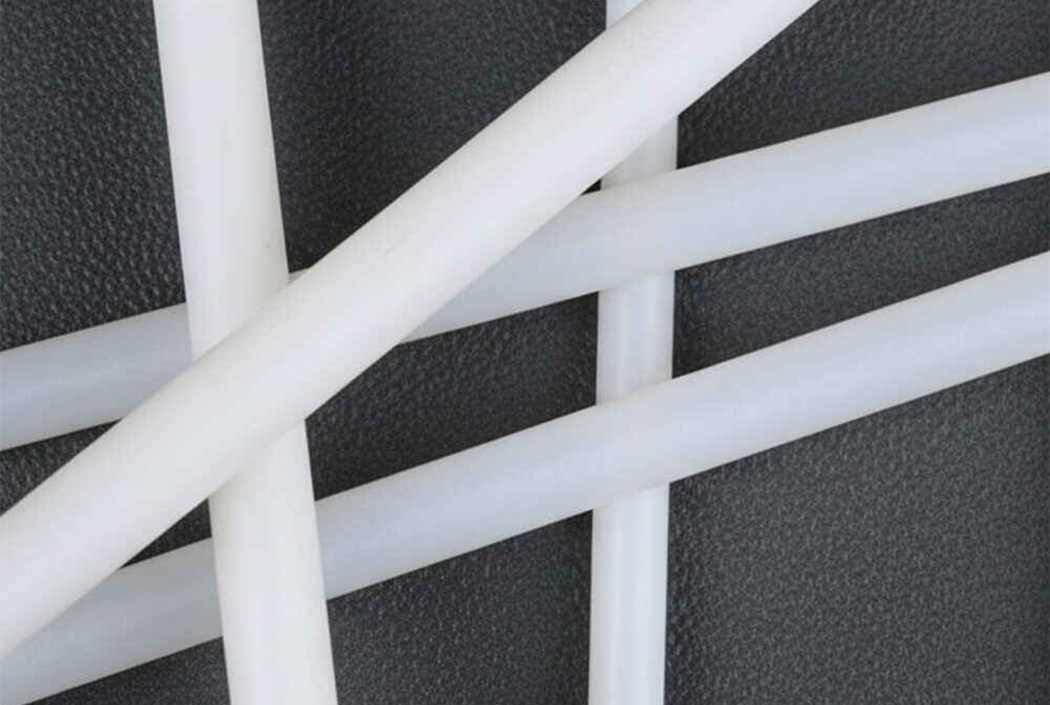
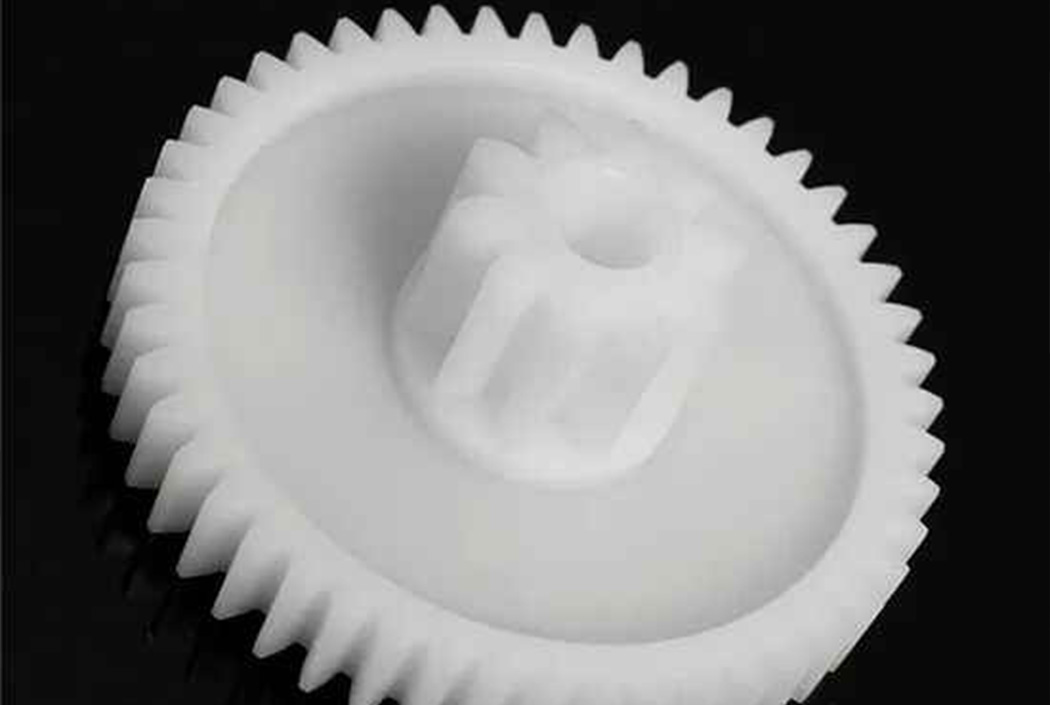
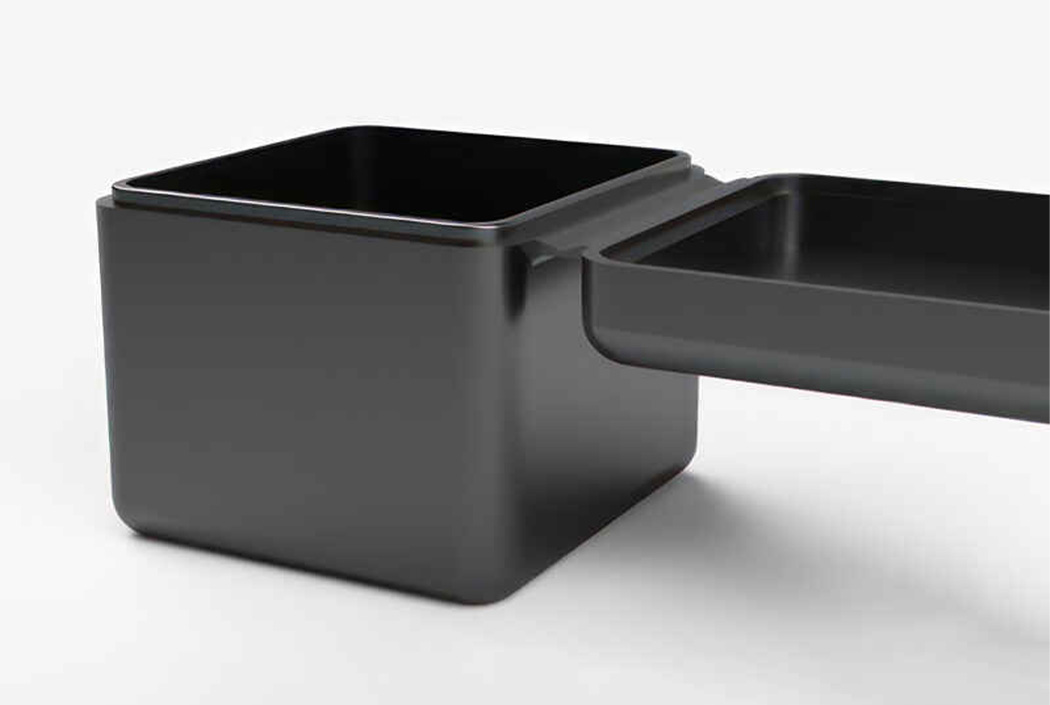
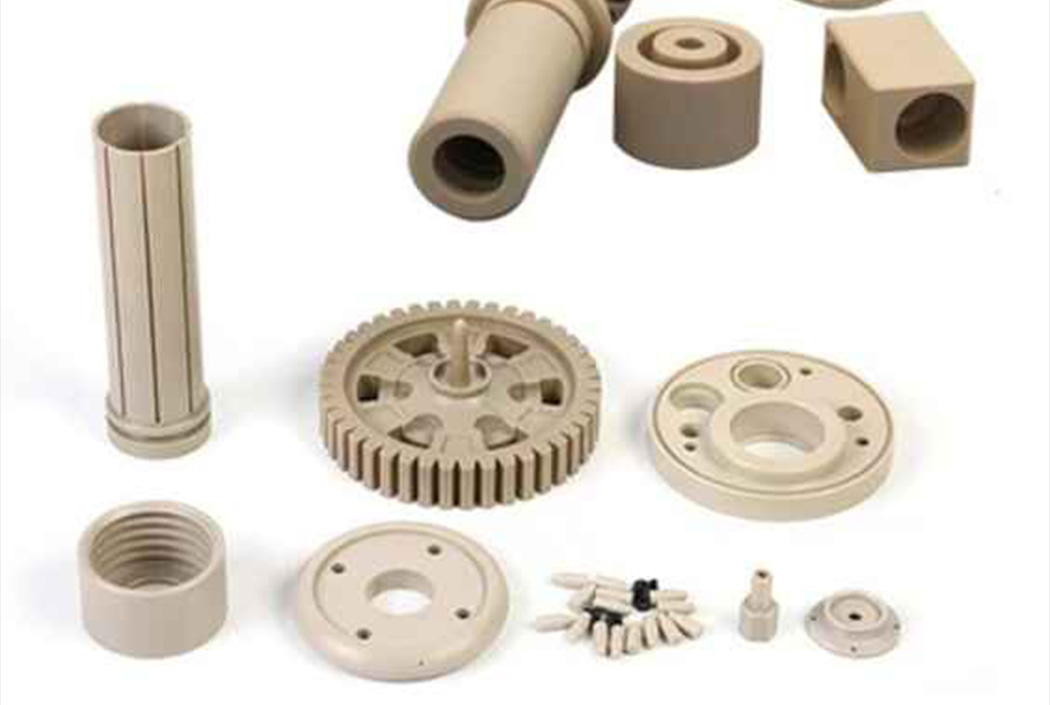
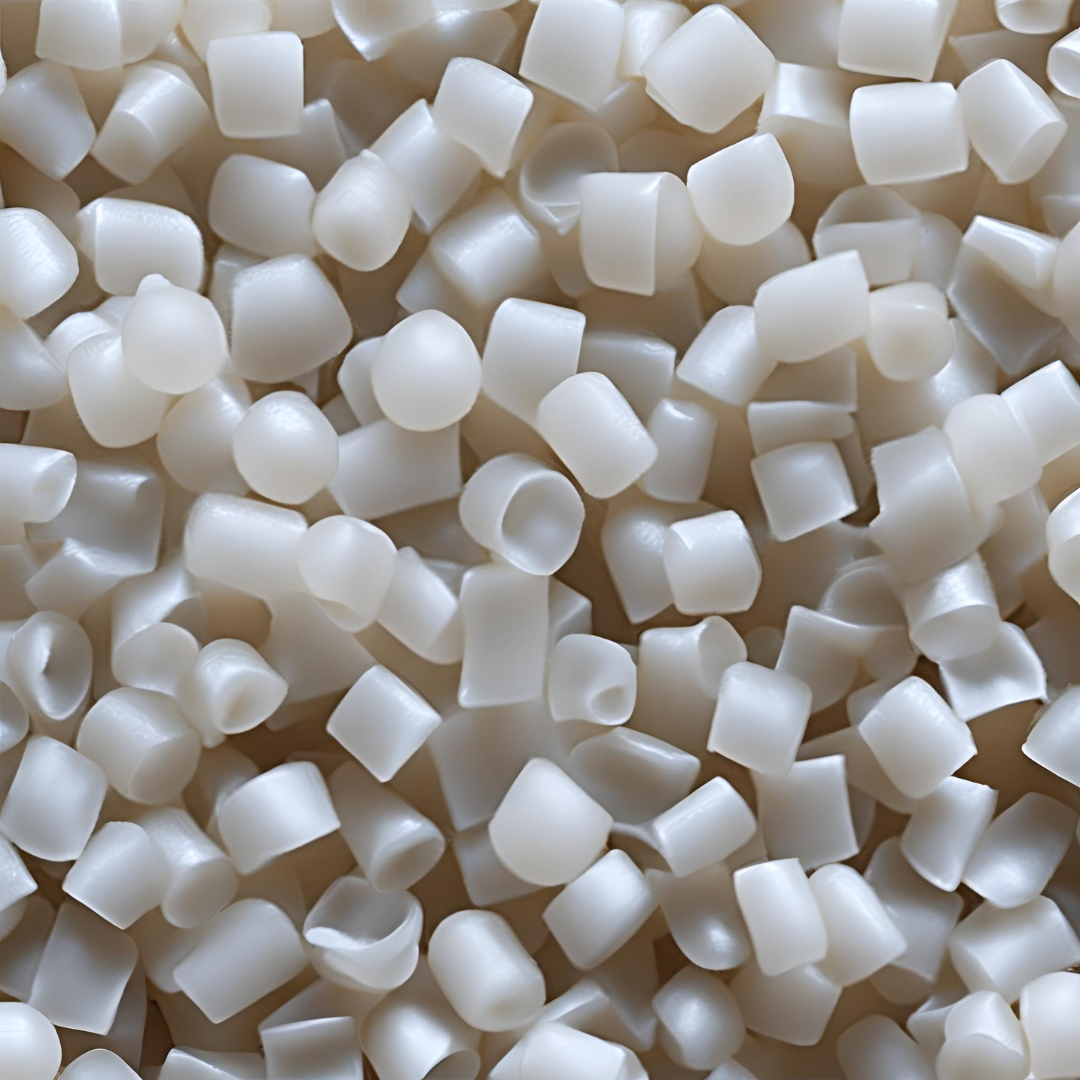
Important end-use requirements include:
The same base resin can be modified to achieve very different properties. Glass fiber, mineral fillers, impact modifiers, flame-retardant packages, UV stabilizers, lubricants, and colorants can be incorporated into selected grades for specific applications.
Reinforcement can increase stiffness, strength, or dimensional performance, but it can also change flow, shrinkage, warpage, surface appearance, and the way the part should be designed.
Common modifications include:
Glass or mineral reinforcement
Increase stiffness or strength for structural applications.
Impact modification
Improve toughness where parts may experience drops, impacts, or repeated loading.
UV stabilization
Support applications exposed to sunlight or outdoor environments.
Flame-retardant grades
Used where project-specific flammability requirements apply.
Lubricated grades
Reduce friction or wear in selected moving components.
Colorants
Create molded color while maintaining compatibility with the selected resin.
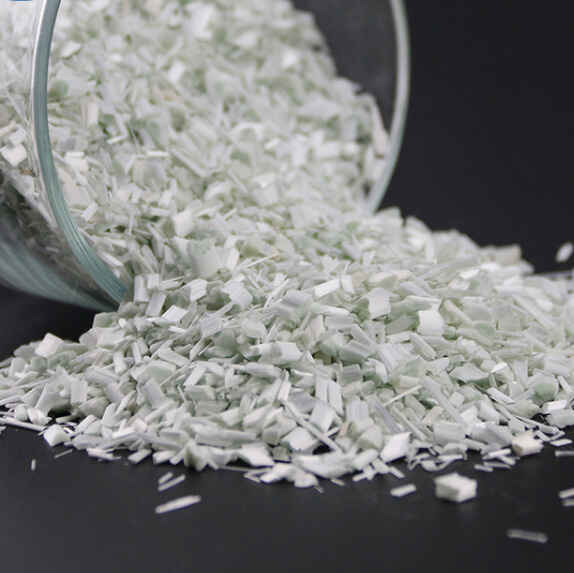
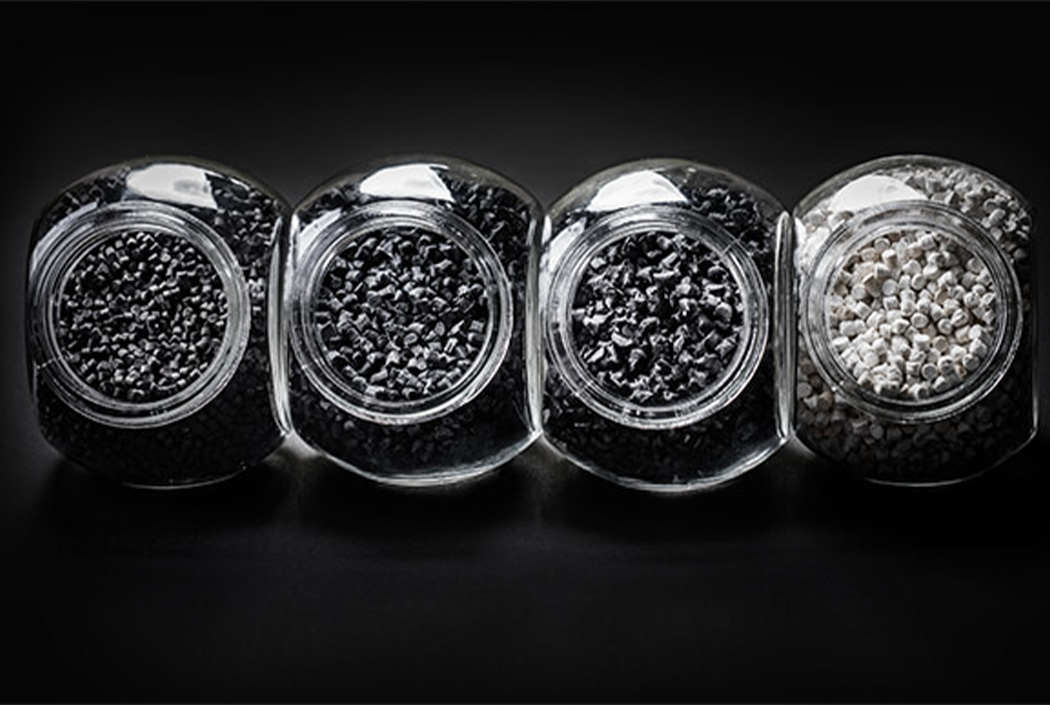
Specifying only “ABS,” “PC,” or “Nylon” may not fully define a production material. Within the same polymer family, unfilled, reinforced, flame-retardant, UV-stabilized, impact-modified, lubricated, and color-specific grades can behave differently.
These differences can affect strength, shrinkage, moisture response, flow, dimensional stability, surface appearance, and long-term performance. For cosmetic parts, fillers and colorants can also influence visible texture and surface consistency.
When a specific commercial resin grade is required, it should be identified early so the part design, material behavior, appearance requirements, and production expectations can be evaluated around the same material specification.
Once the resin grade is selected, part geometry should reflect how that material flows, shrinks, absorbs moisture, responds to reinforcement, and performs in assembly. These factors can directly influence dimensions, appearance, and long-term part performance.