Before You Go, Let’s Talk About Your Parts
Tell us about your part, quantity, and key requirements. Nova Precision Manufacturing Co.,Ltd can help you choose suitable materials and manufacturing processes for your project.

Embed threaded inserts, bushings, terminals, pins, magnets, and other preformed components directly into durable molded plastic parts.
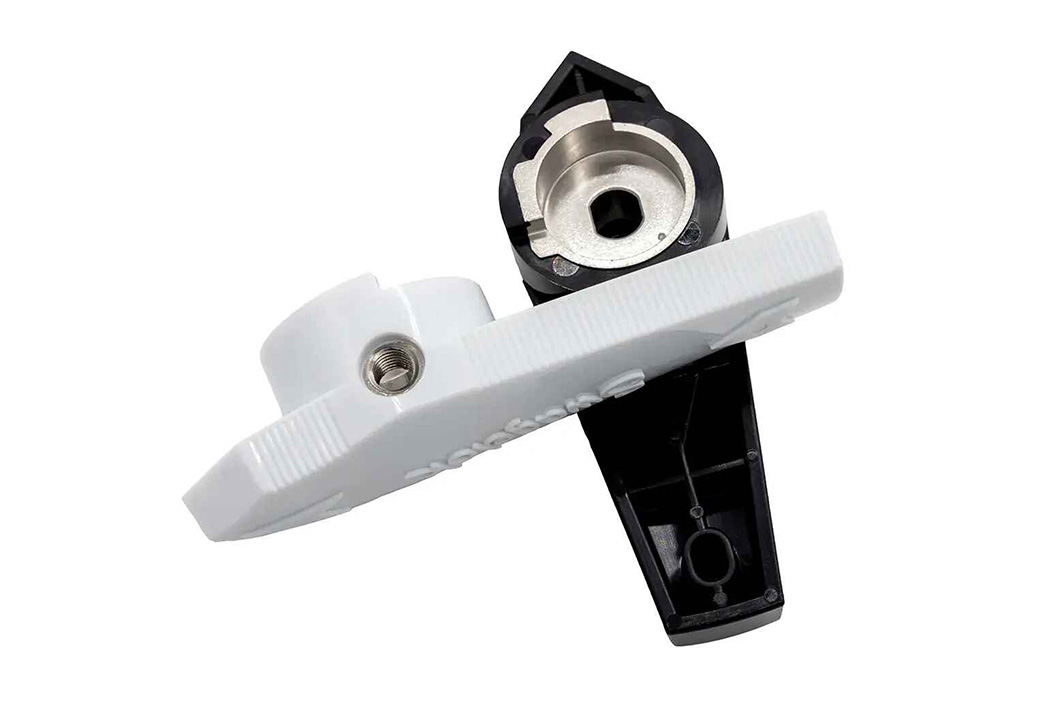
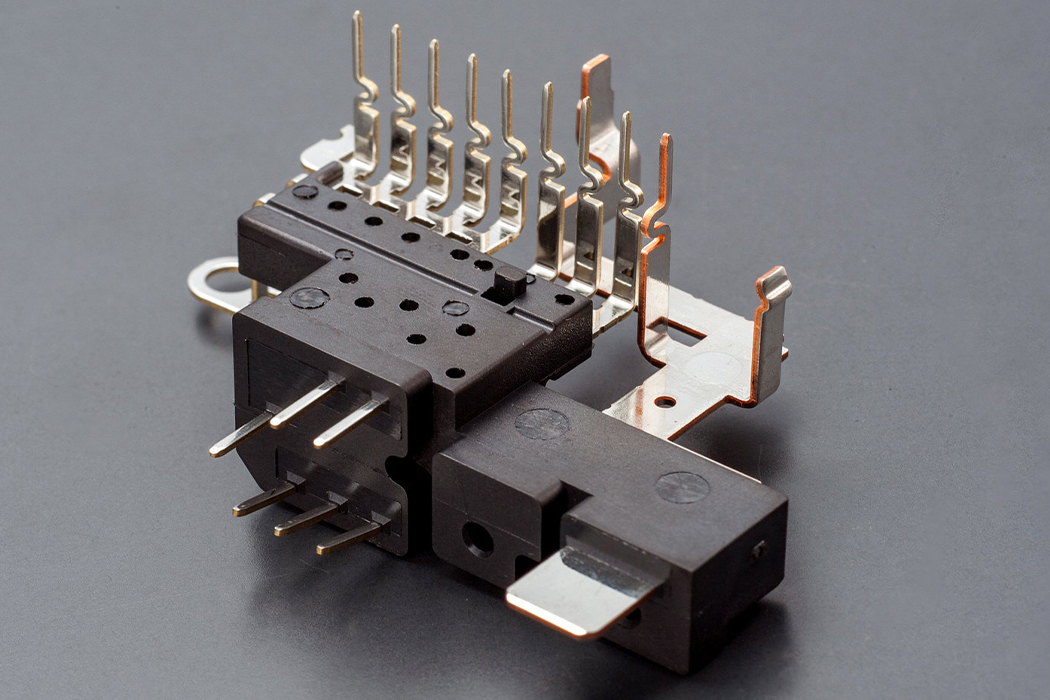
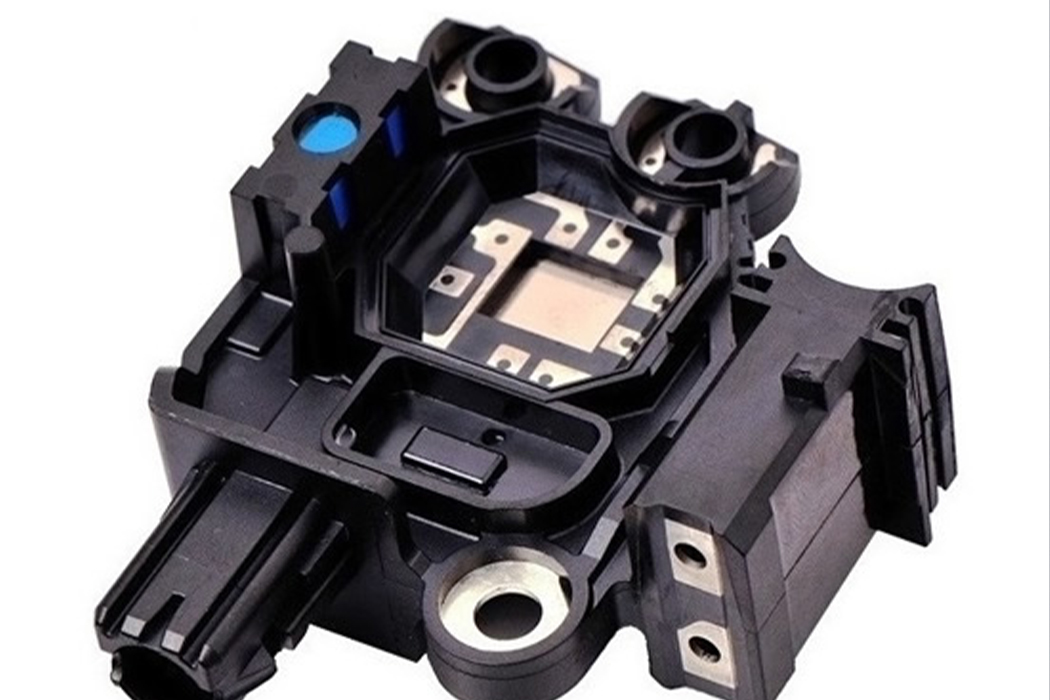
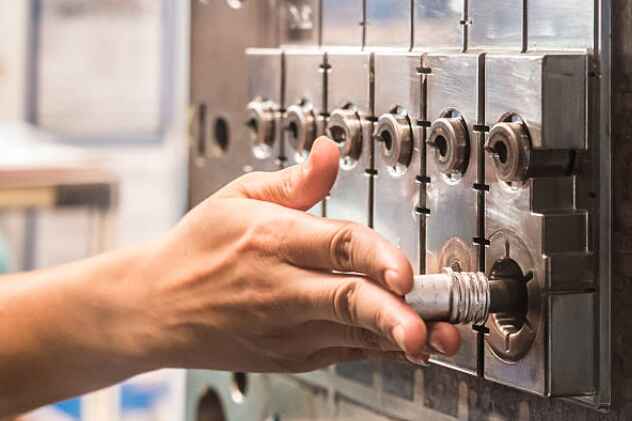
Insert molding places a preformed component—often a threaded insert, bushing, terminal, pin, or magnet—inside the mold before plastic is injected. The resin flows around the insert and solidifies, producing one integrated part with added strength, wear resistance, conductivity, or fastening capability.
At Nova Precision Manufacturing Co.,Ltd, we review insert geometry, positioning tolerances, resin shrinkage, gate direction, plastic coverage, and functional loads as one system. This approach helps keep inserts accurately located, keep resin off protected surfaces through controlled shutoffs and limit flash around exposed features, and create reliable mechanical retention from first articles through repeat production.
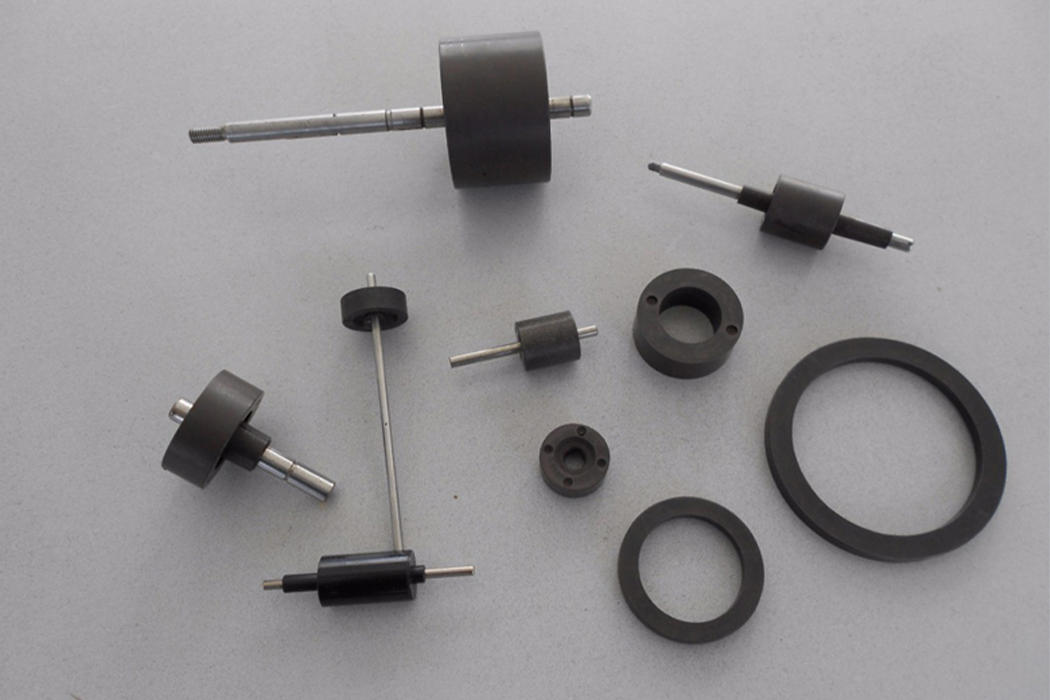
Insert molding combines thermoplastics with threaded hardware, wear-resistant components, electrical elements, and custom inserts to create compact, functional assemblies with fewer secondary operations.
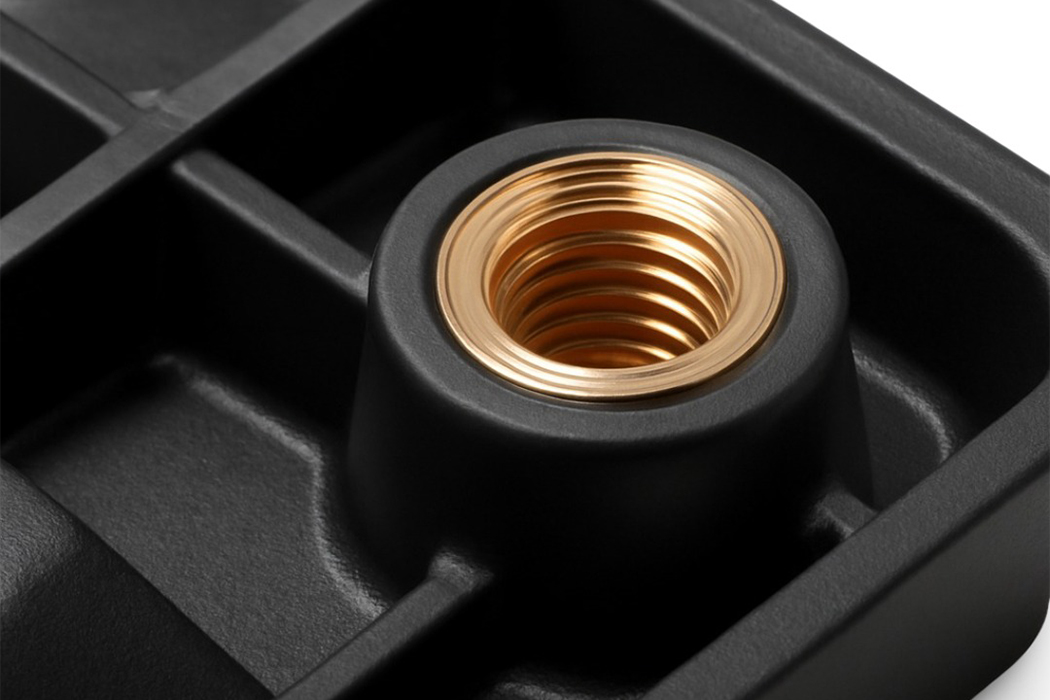
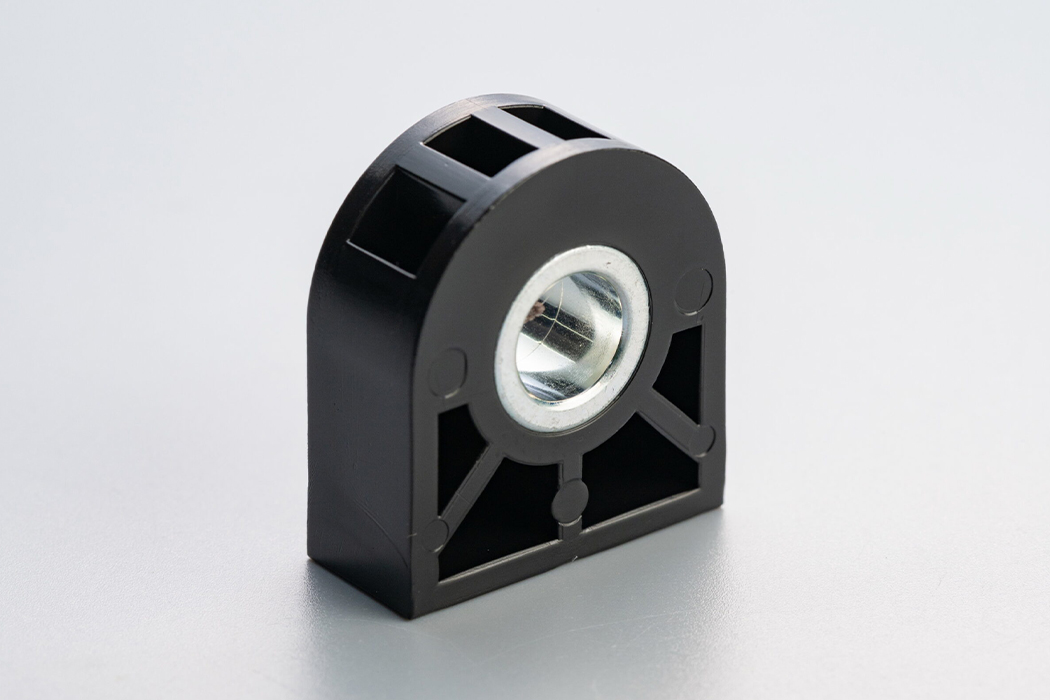
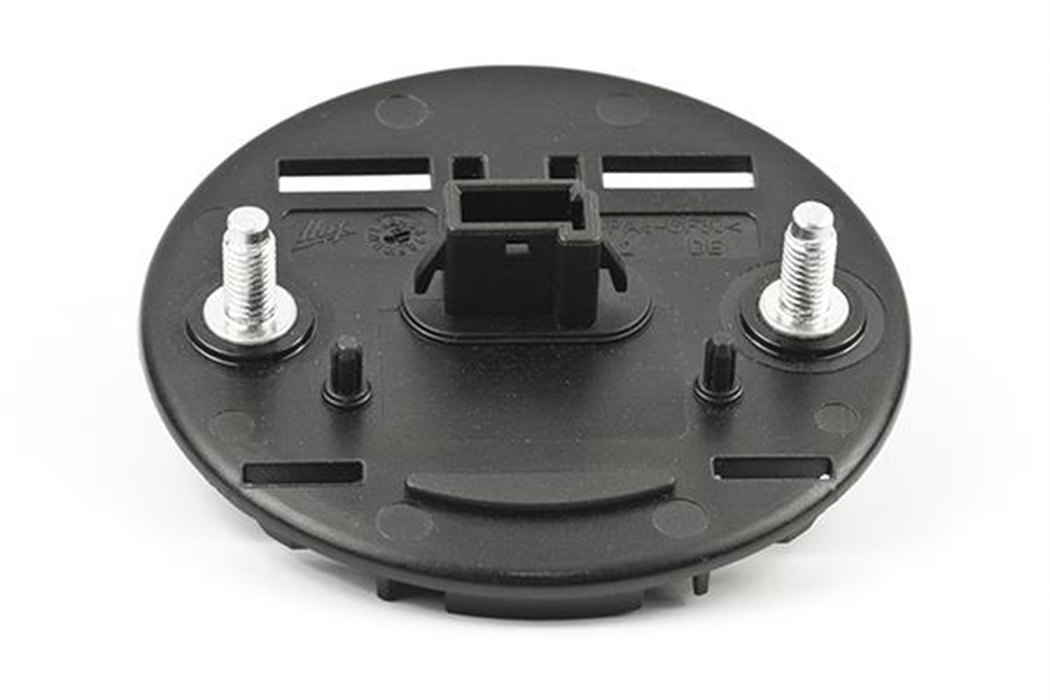
Insert molding DFM should confirm:
Reliable retention does not depend on surface adhesion alone. Knurls, grooves, undercuts, holes, flats, and headed features allow the resin to mechanically lock around the insert and resist the directions of force it will encounter in use.
For threaded components, validation should reflect the finished joint. Depending on the application, requirements may include pull-out force, torque resistance, perpendicularity, exposed height, thread condition, or repeated fastening cycles.
Mechanical Interlock
Allow resin to fill knurls, grooves, and undercuts to resist both rotation and pull-out.
Plastic Coverage
Provide enough material around the insert to carry load without creating overly thick, sink-prone regions.
Gate & Flow Direction
Surround the insert evenly without shifting it or placing a knit line in a critical load path.
Thermal Control
Manage insert temperature, resin shrinkage, and differential expansion to reduce gaps, cracks, and residual stress.
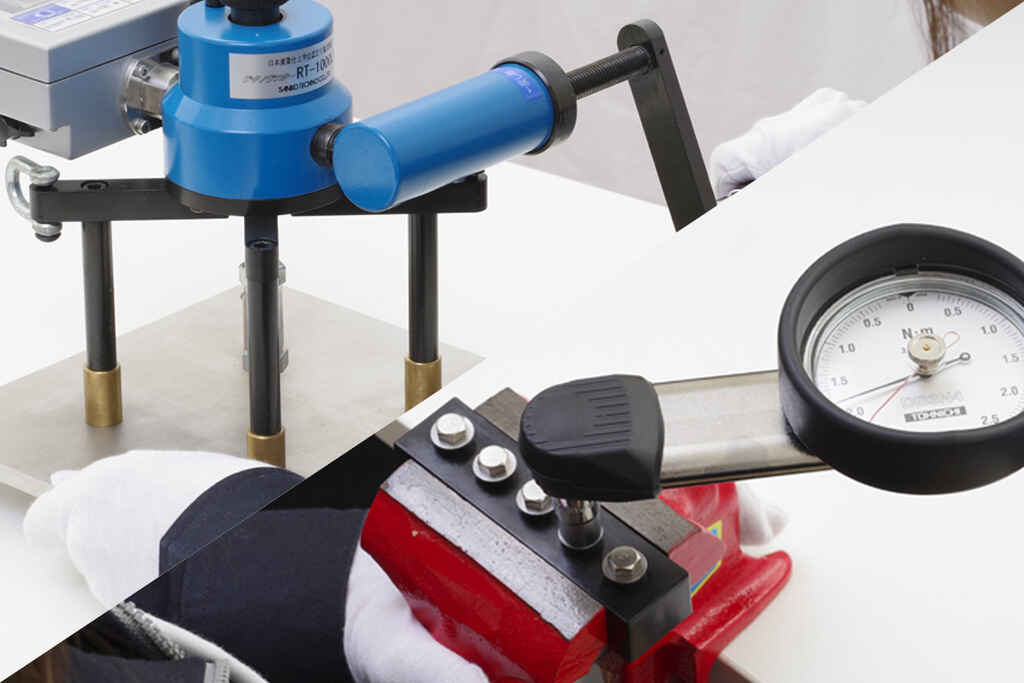
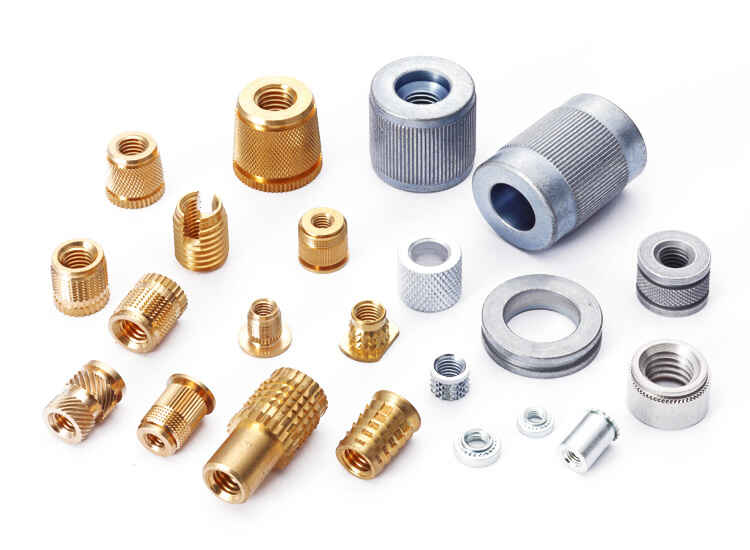
Insert and plastic materials should be selected together. Brass is commonly used for threads and electrical features, stainless steel for strength and corrosion resistance, steel for structural loads, copper for conductivity, and aluminum where lower weight or heat transfer is useful.
Candidate resins include ABS, PC/ABS, Nylon, POM, PP, Polycarbonate, PPSU, PEI, and reinforced engineering plastics. Selection depends on molding temperature, shrinkage, moisture, chemicals, impact, dimensional stability, and the part’s service environment.
Customer-supplied and custom inserts should also be reviewed for dimensional consistency, burrs, cleanliness, plating, coatings, orientation, and packaging. These details influence whether every insert can be loaded, sealed, and molded consistently without flash or position variation.
Each project must control the insert before it reaches the press, how it is held during injection, and how the completed plastic-to-insert interface is verified.