Before You Go, Let’s Talk About Your Parts
Tell us about your part, quantity, and key requirements. Nova Precision Manufacturing Co.,Ltd can help you choose suitable materials and manufacturing processes for your project.

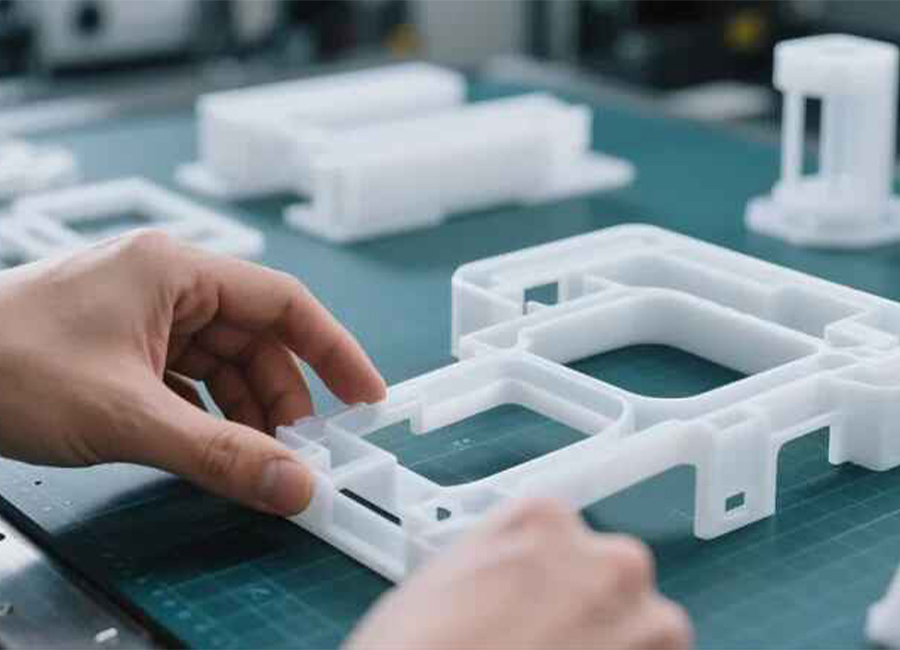
Validate form, fit, function, assembly, and material performance with real injection-molded parts before committing to full production tooling.
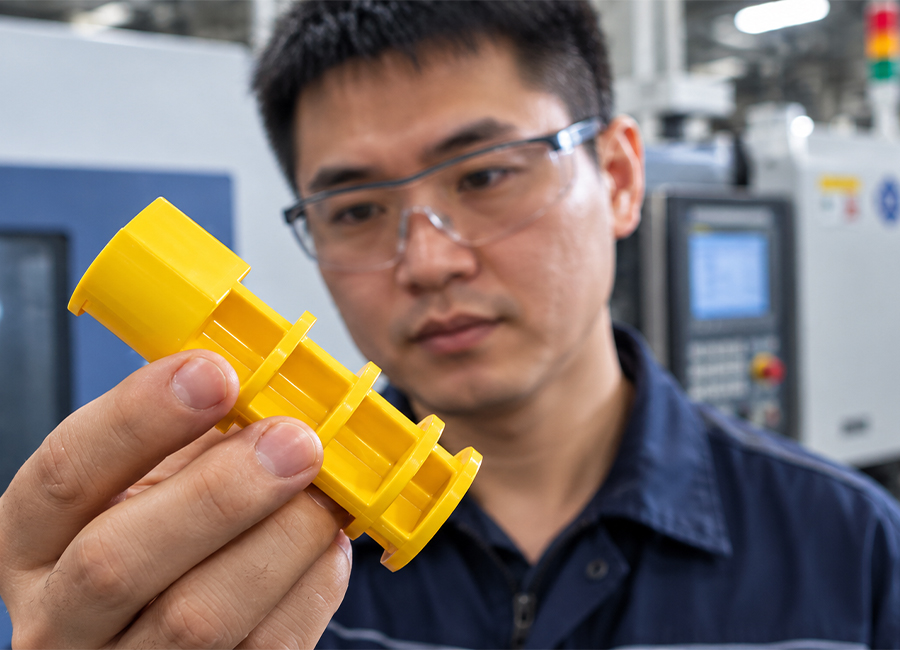
Early prototypes can confirm size, appearance, and basic geometry, but they may not reveal how the final part will behave when it is actually injection molded. Prototype molding produces limited quantities of real molded parts so critical design decisions can be tested under conditions closer to the intended production process.
Use these parts to evaluate fit, assembly, functional features, material performance, dimensional behavior, and molded appearance before making a larger tooling commitment. This makes prototype molding especially useful as a design approaches final validation but still carries technical or market uncertainty.
Use real injection-molded prototype parts to evaluate product fit, function, assembly, material behavior, appearance, and market readiness before making a larger production tooling commitment.
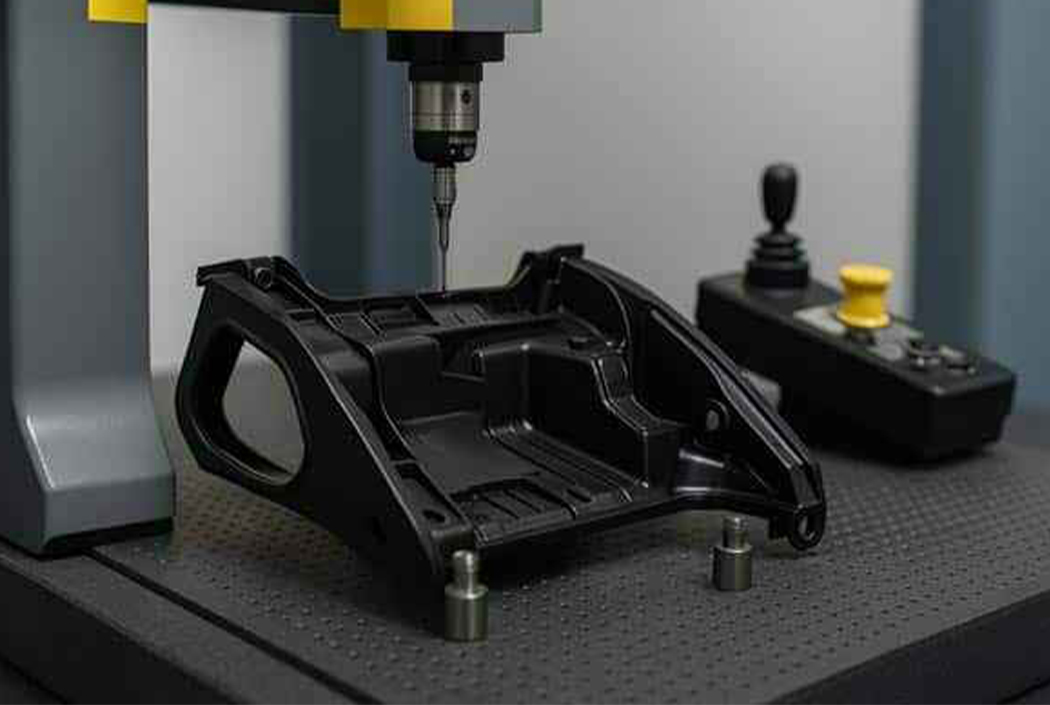
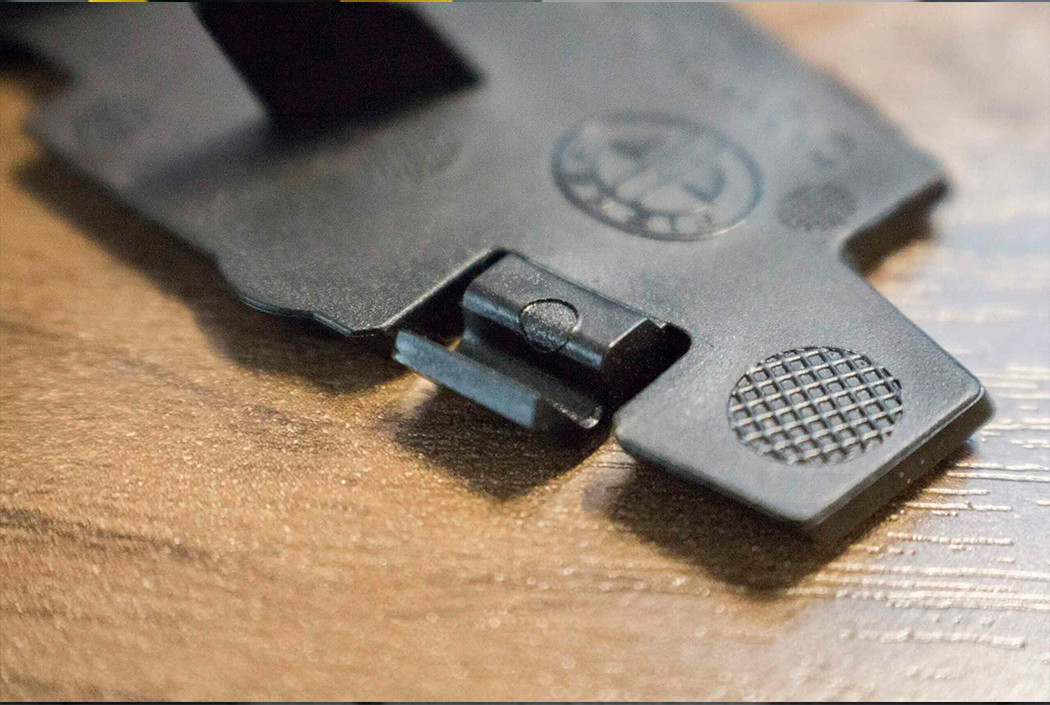
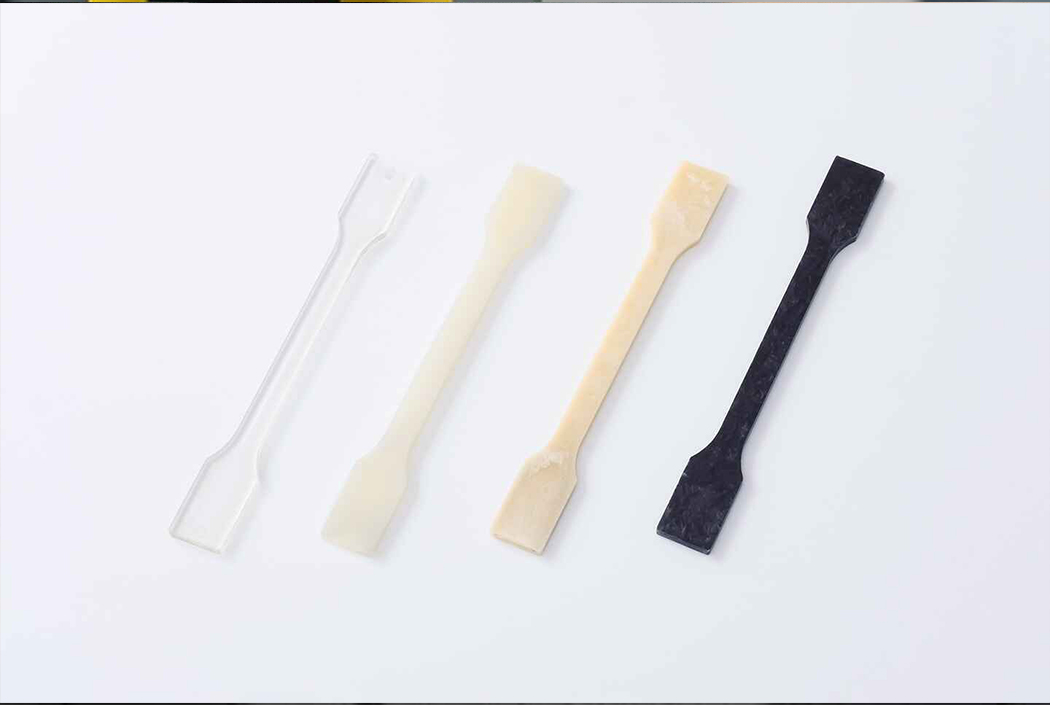
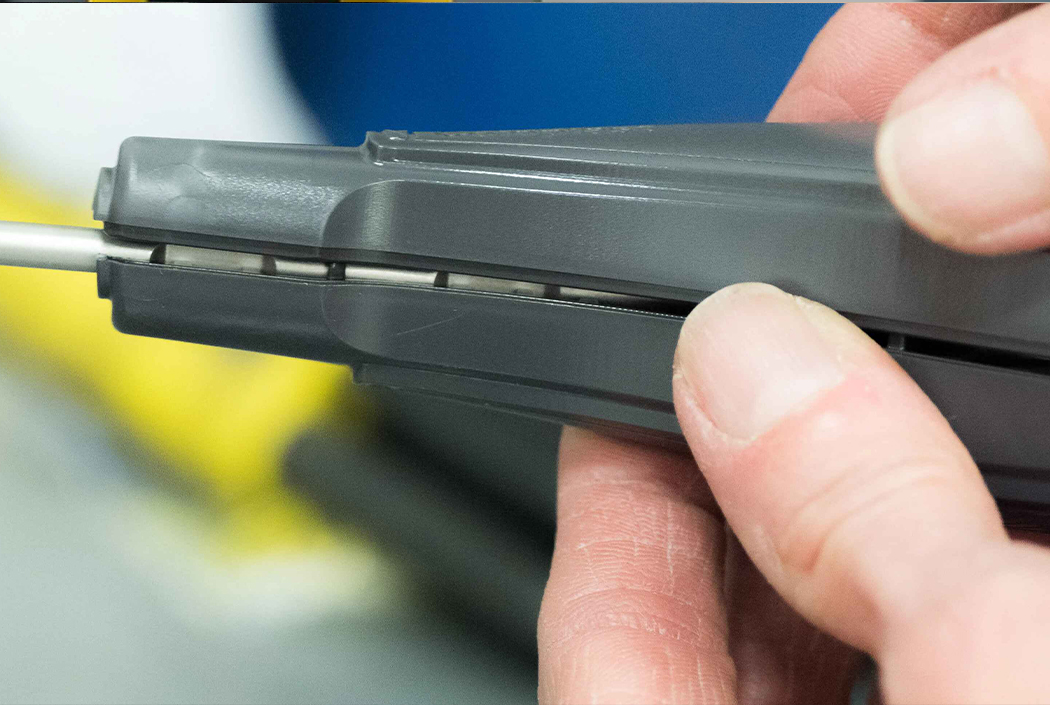
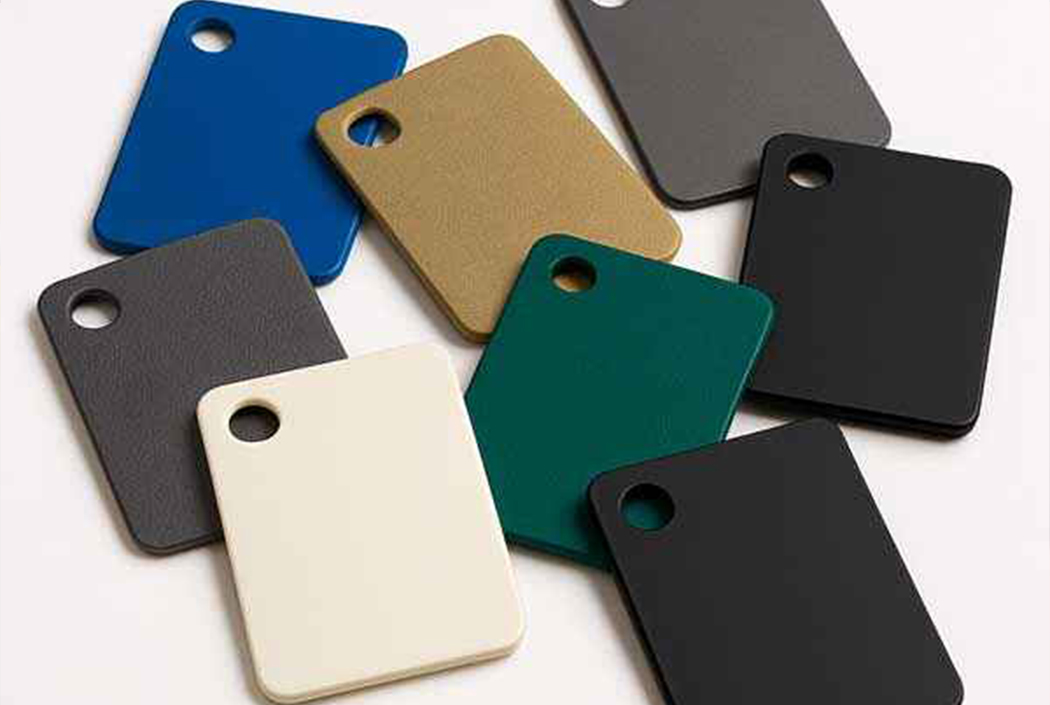
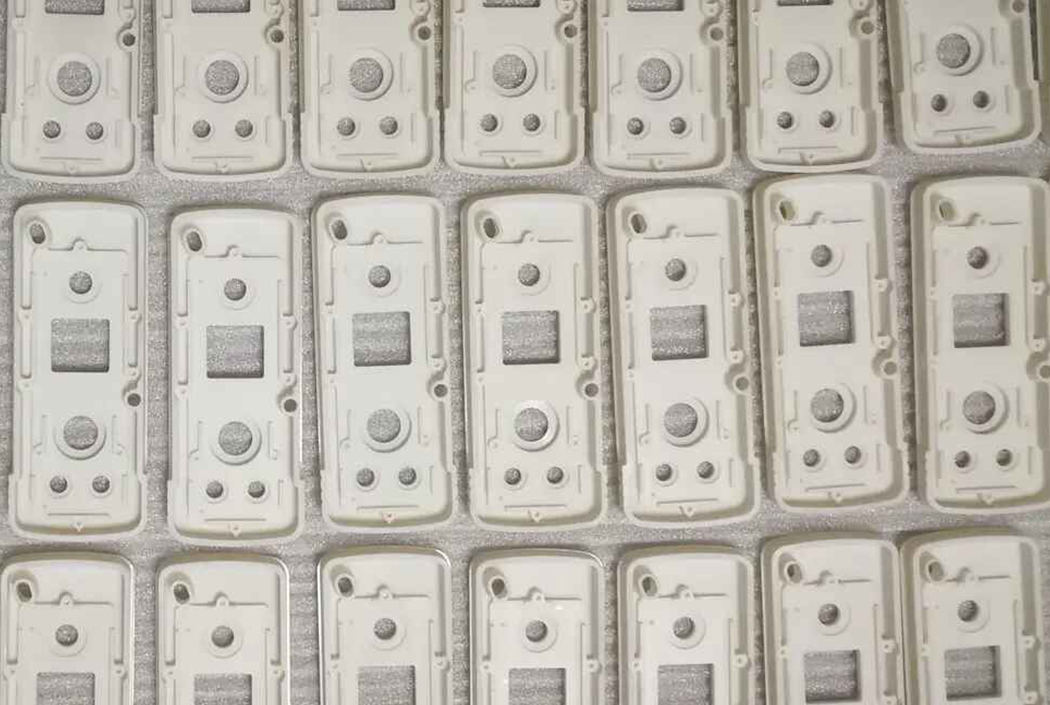
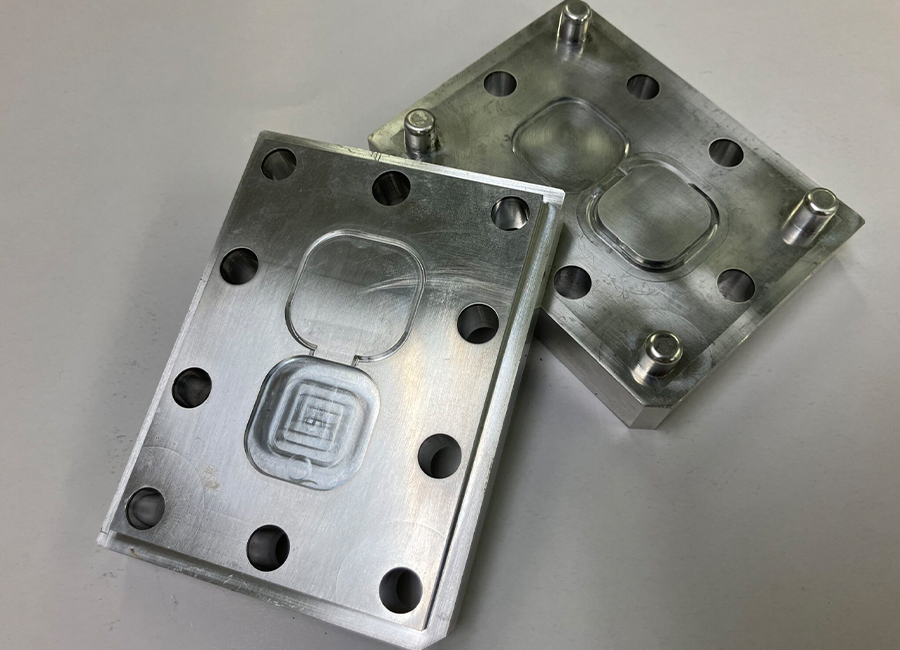
Prototype tooling is especially useful when:
One of the most valuable outcomes of prototype molding is discovering changes while they are still practical to make.
A design can look correct in CAD and still reveal issues when several real molded components are assembled, loaded, handled, or used by test customers. The objective is to turn those findings into design decisions before the project reaches more expensive tooling and production commitments.
Geometry Changes
Adjust clearances, interfaces, ribs, bosses, snaps, or other features based on physical testing.
Assembly Changes
Refine alignment, fastening, access, and mating features discovered during real assembly.
Functional Changes
Modify areas that flex, carry load, seal, move, or interact with other components.
User Feedback
Incorporate findings from pilot users, customer trials, or internal product evaluations.
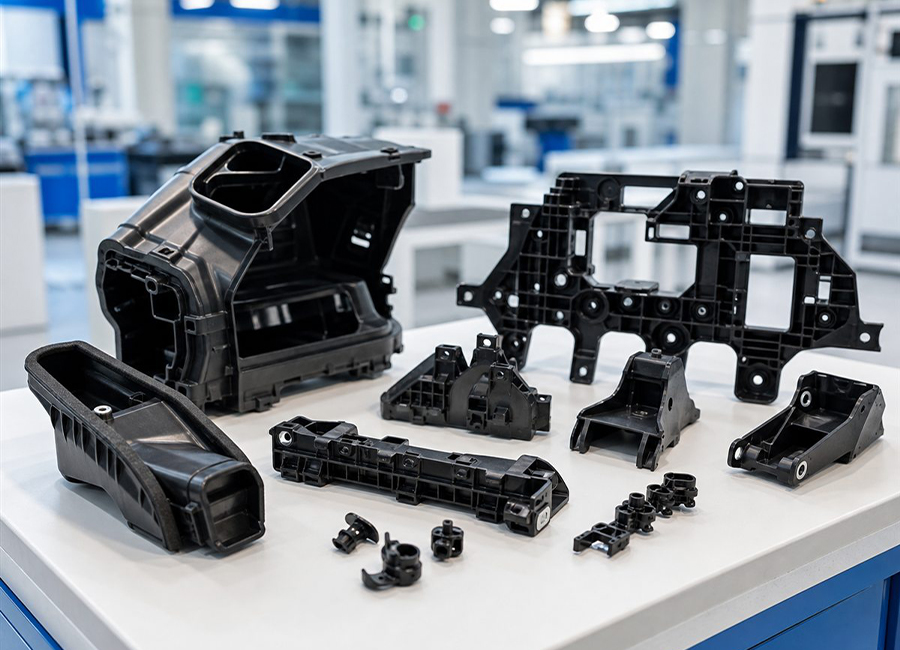
Prototype molding should lead to a decision—not become an endless series of sample runs. Once geometry, assembly, material performance, appearance, and critical functional requirements are sufficiently stable, the project can be evaluated for the next tooling level.
Moving toward production may change the priorities. Expected volume, cavity count, tool life, cycle economics, maintenance, quality documentation, automation, and repeat-order requirements become increasingly important as demand grows.
If the design or demand is still uncertain, additional prototype or bridge tooling may be more appropriate than committing immediately to full production tooling.
Prototype tooling should be sized to the development objective, not overbuilt for production requirements that may still change. Tool life, cavity strategy, finish, material, inspection, and future revisions should match the current stage of the product.