Before You Go, Let’s Talk About Your Parts
Tell us about your part, quantity, and key requirements. Nova Precision Manufacturing Co.,Ltd can help you choose suitable materials and manufacturing processes for your project.

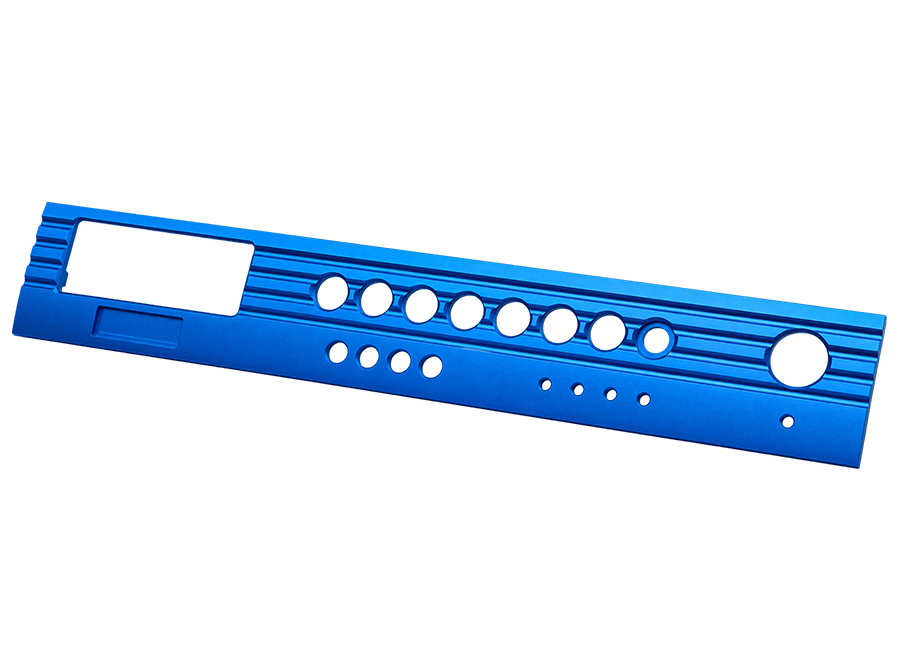
Manufacture custom flat and large-format components from plastic, aluminum, composite, and other sheet materials. CNC routing supports precision profiles, cutouts, pockets, channels, holes, and detailed contours for prototypes, low-volume production, and repeat manufacturing.
Nova Precision Manufacturing Co.,Ltd provides CNC routing for custom sheet, plate, and panel components made from engineering plastics, aluminum, composites, and other machinable flat-stock materials.
CNC routing uses a high-speed rotating cutting tool mounted on a computer-controlled gantry. The workpiece is secured flat to the machine table while programmed toolpaths create external profiles, internal cutouts, pockets, channels, holes, and other 2D or 2.5D features.
Because routing can preserve the original top and bottom surfaces of sheet or plate stock, it is particularly efficient for parts where the supplied material thickness and surface finish already meet the final design requirements.
CNC routing is well suited to:
CNC routing provides an efficient way to manufacture large and flat parts directly from sheet or plate stock.
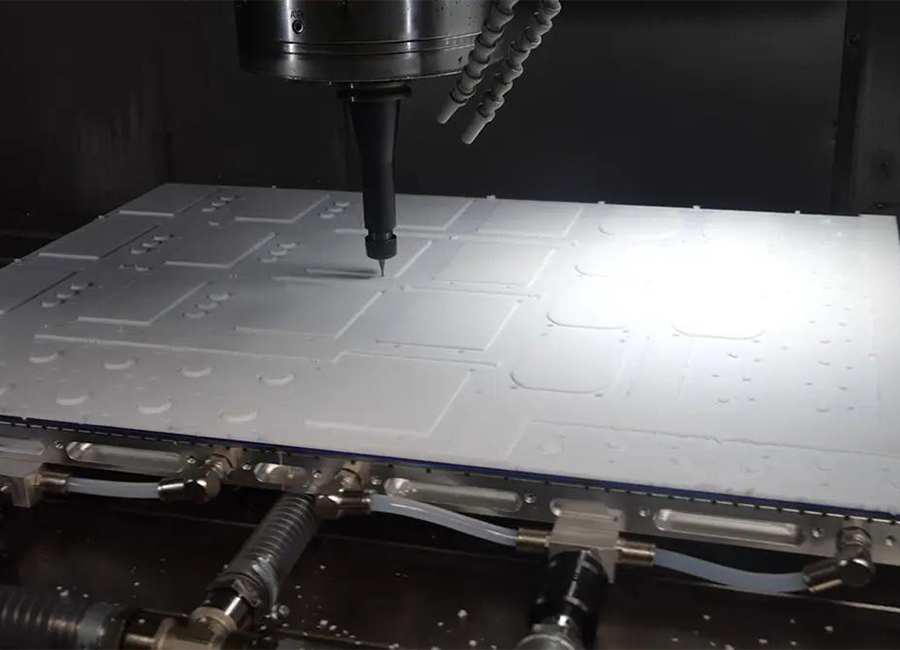
CNC routing is a computer-controlled subtractive manufacturing process that uses a high-speed rotating router bit to cut profiles, openings, pockets, channels, and other features into flat sheet and plate materials.
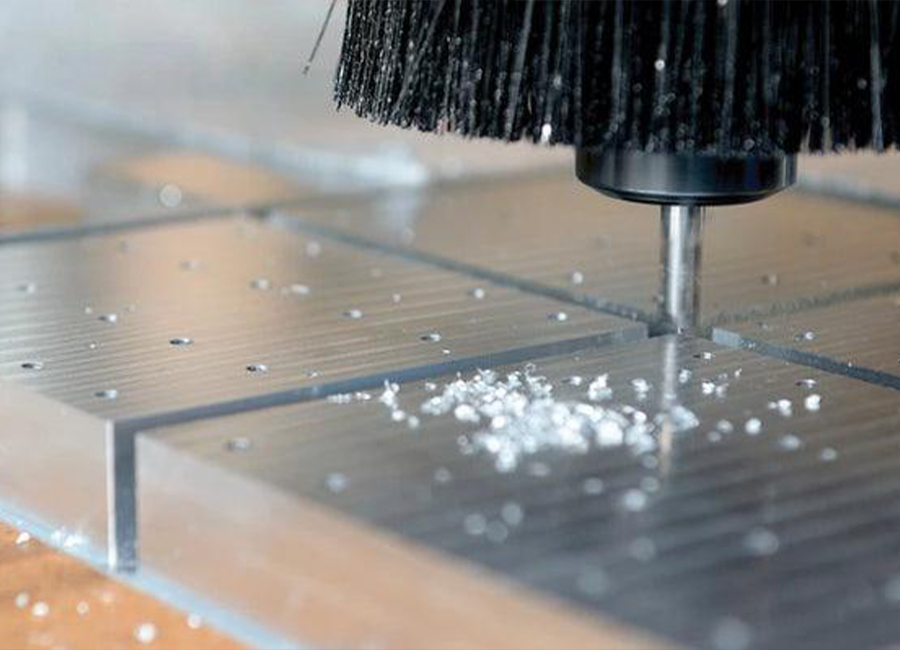
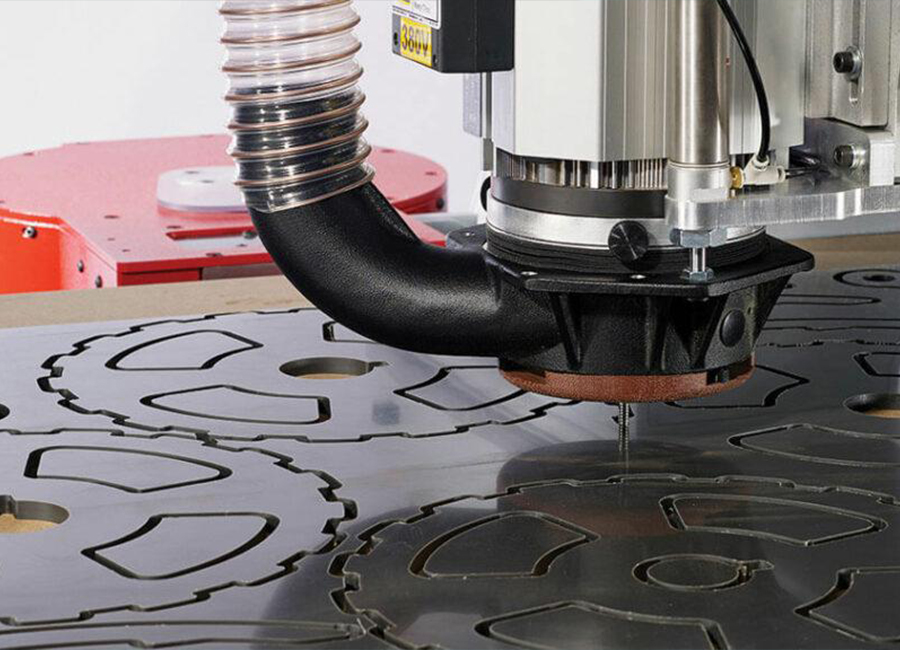
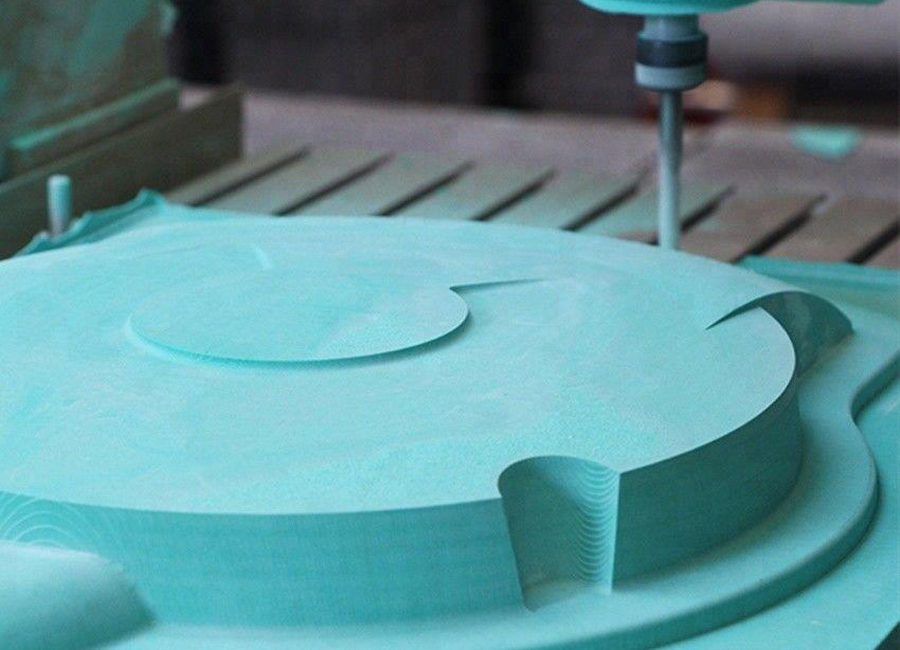
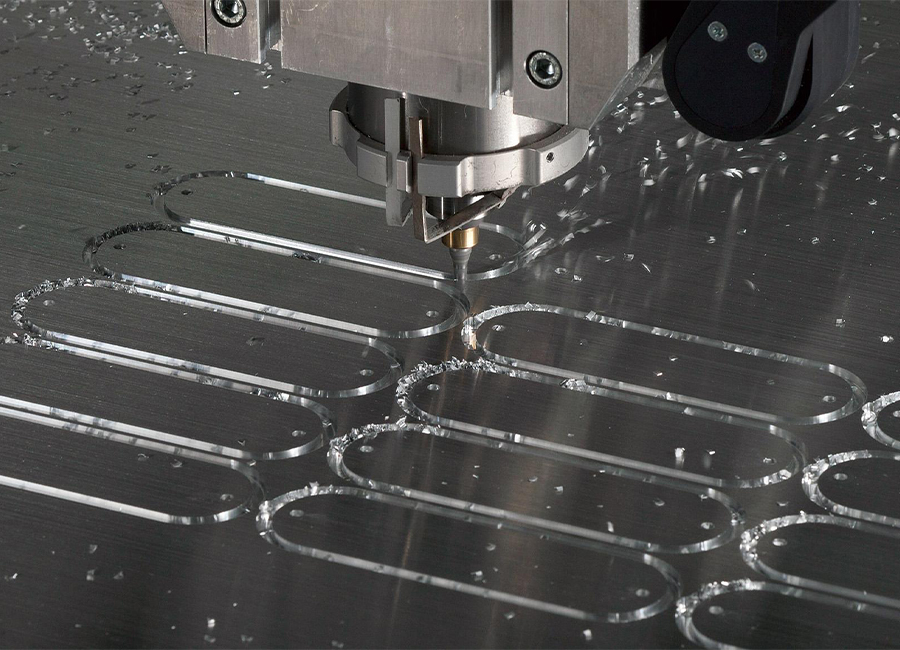
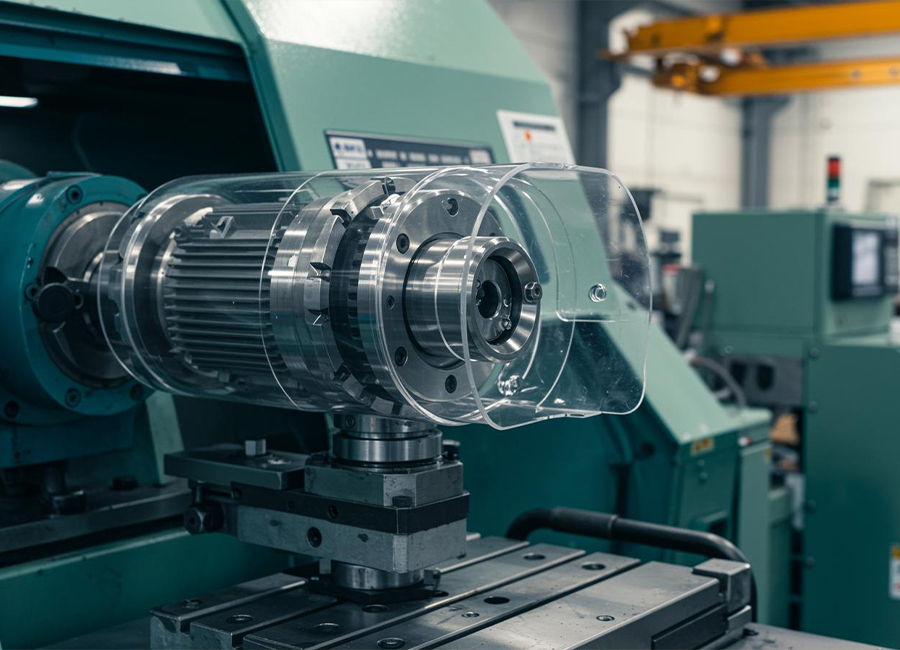
Common routing operations include:
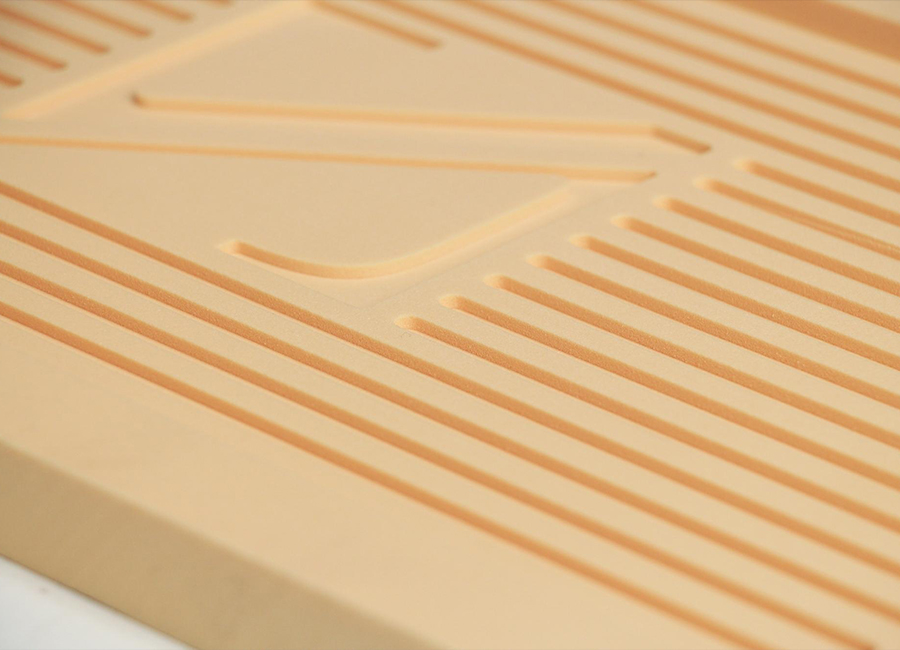
CNC routing is not limited to cutting completely through the material. Controlled Z-axis movement allows the cutter to machine features at specified depths while leaving the remaining stock intact.
This makes routing suitable for flat components that combine complete cutouts with recessed or depth-controlled features.
Typical routed features include:
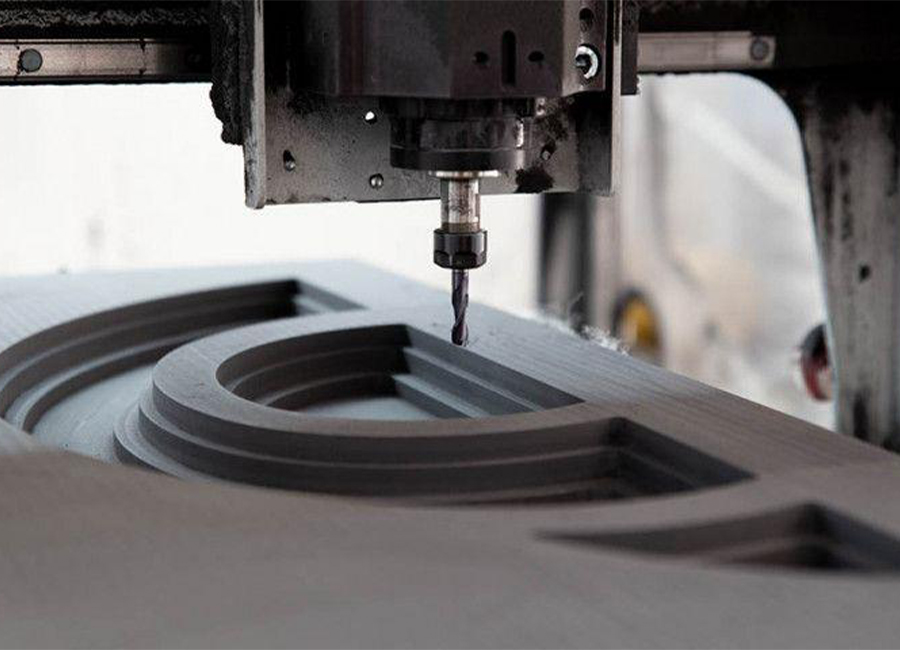
CNC routing is particularly effective when a component starts as flat sheet or plate stock and most required features can be machined from one primary side.
It is a strong process choice when the original stock thickness and broad top and bottom surfaces can remain part of the finished component.
CNC routing is well suited to parts requiring:
CNC routing works particularly well with sheet and plate materials. Material selection affects cutting speed, cutter choice, chip formation, heat generation, edge quality, workholding, and achievable feature detail.
Additional routing materials can include Polypropylene, PET, PEI, Nylon, PTFE, Brass, Foam, ACM panels, and selected composite materials depending on part geometry and application requirements.
Engineering plastics are especially well suited to CNC routing because many are readily available in sheet and plate form. Acrylic and polycarbonate are commonly selected for transparent panels and machine guards, while HDPE and UHMW are useful for wear plates, guides, liners, and industrial components.
Aluminum sheet and tooling plate can also be routed efficiently when the stock thickness and broad top and bottom surfaces already meet the finished-part requirements. Brass and selected composites may also be suitable depending on cutter access, thickness, and edge requirements.
The right routing material should be selected according to stock thickness, flatness, stiffness, heat sensitivity, edge quality, dimensional stability, and the operating environment of the finished component.
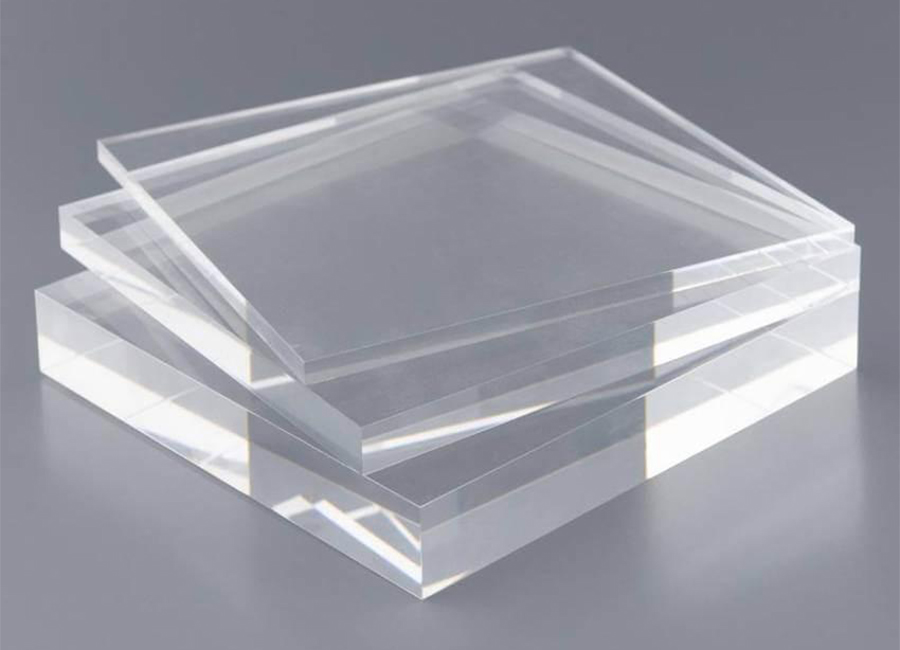
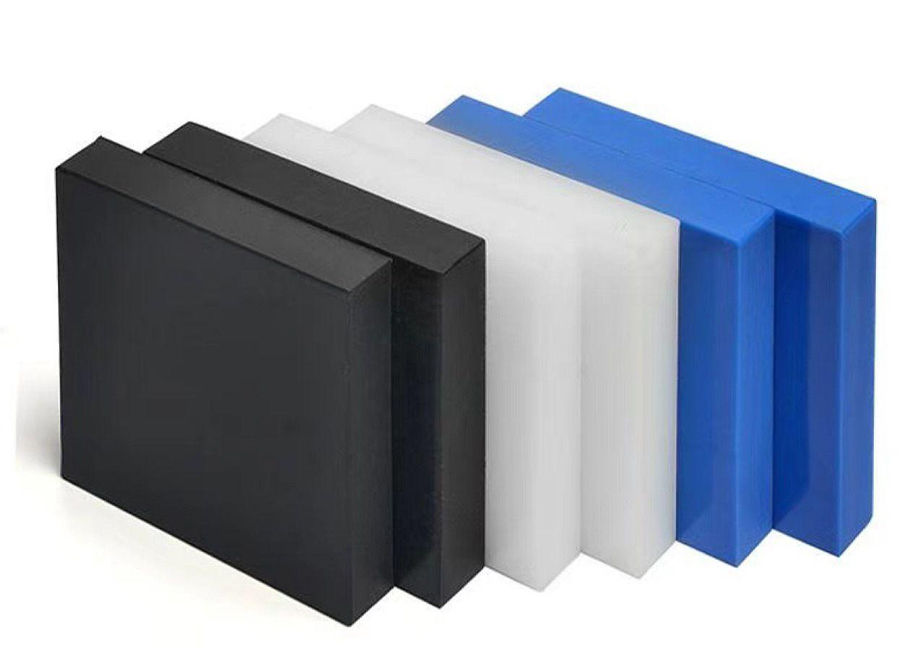
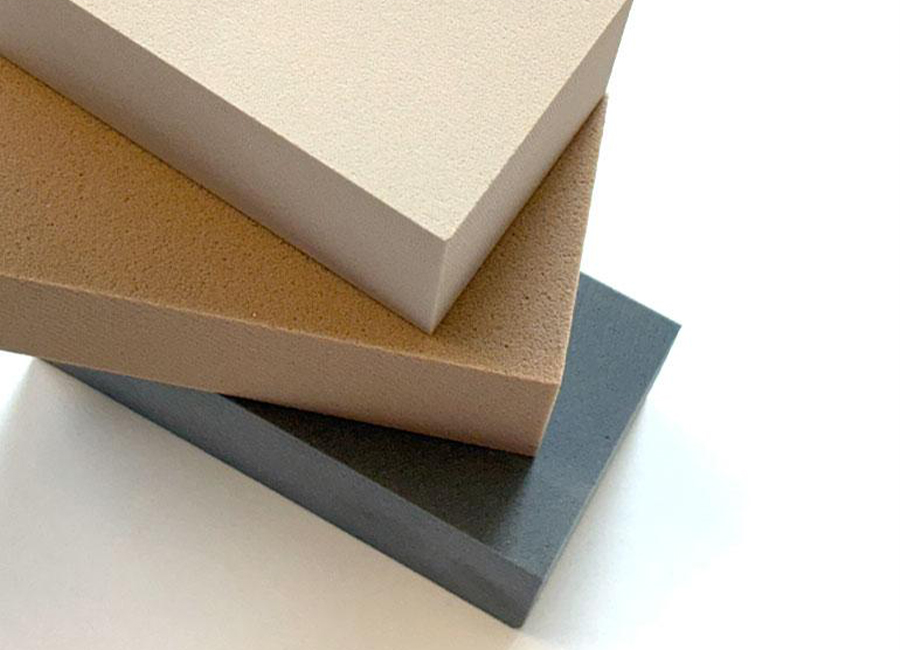
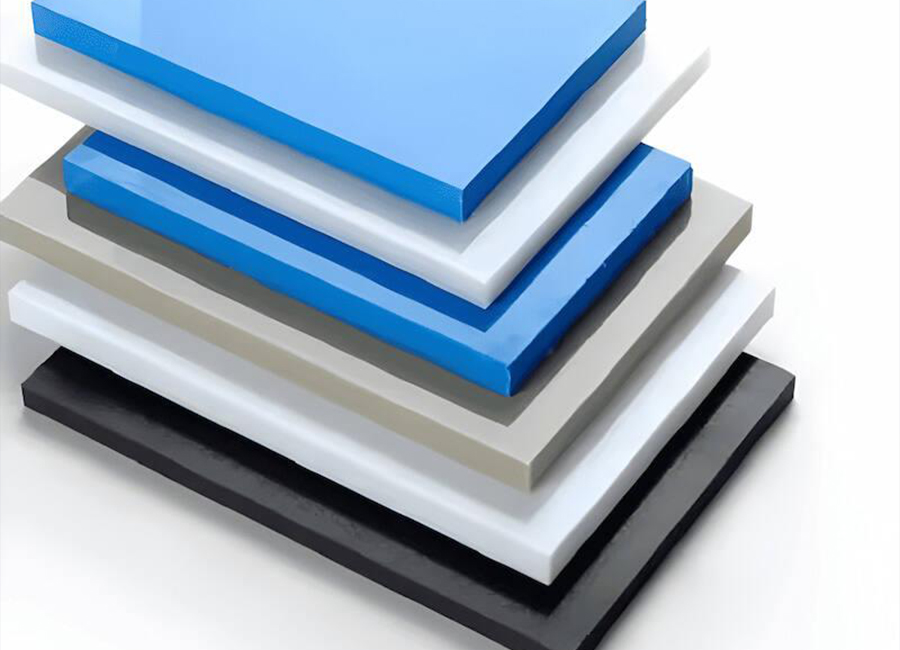
Metal Routing Reference
Plastics & Composites
Sheet & Plate Surfaces
Final routing capability depends on how securely the sheet is held and how the material behaves during cutting—not on tolerance values alone.
A structured CNC routing workflow keeps sheet size, material thickness, profiles, pockets, nesting, workholding, and edge requirements aligned from design review through final delivery.
Send your CAD model or 2D profile drawing with material, sheet thickness, quantity, tolerances, pocket depths, and edge requirements.
We review overall part size, external profiles, internal cutouts, holes, pockets, feature depth, cutter access, and suitable sheet or plate stock.
Toolpaths, router-bit selection, cutting depth, machining sequence, and part nesting are planned to balance dimensional requirements, cutting efficiency, and material utilization.
Sheet or plate stock is secured to the router table while programmed toolpaths cut profiles, internal openings, pockets, channels, holes, and other required features.
Overall dimensions, profile geometry, cutout locations, pocket depths, hole positions, and routed edge quality are checked against the technical drawing.
Completed parts are removed from the sheet, deburred or edge-finished as required, final-inspected, packed, and prepared for shipment.
Quality control for CNC routed parts focuses on the profile, feature position, pocket depth, flatness, and edge condition that determine fit, assembly, and final appearance. Critical dimensions should be verified against the approved CAD data and technical drawing.
Yes. CNC routing is particularly well suited to large flat components such as machine guards, panels, tooling plates, fixture bases, covers, and prototypes that may be inefficient or expensive to machine on a conventional CNC mill.
Send Nova Precision Manufacturing Co.,Ltd your CAD model or 2D profile drawing, material, sheet thickness, quantity, tolerances, pocket depths, cutout requirements, and edge specifications for manufacturing review.