Before You Go, Let’s Talk About Your Parts
Tell us about your part, quantity, and key requirements. Nova Precision Manufacturing Co.,Ltd can help you choose suitable materials and manufacturing processes for your project.

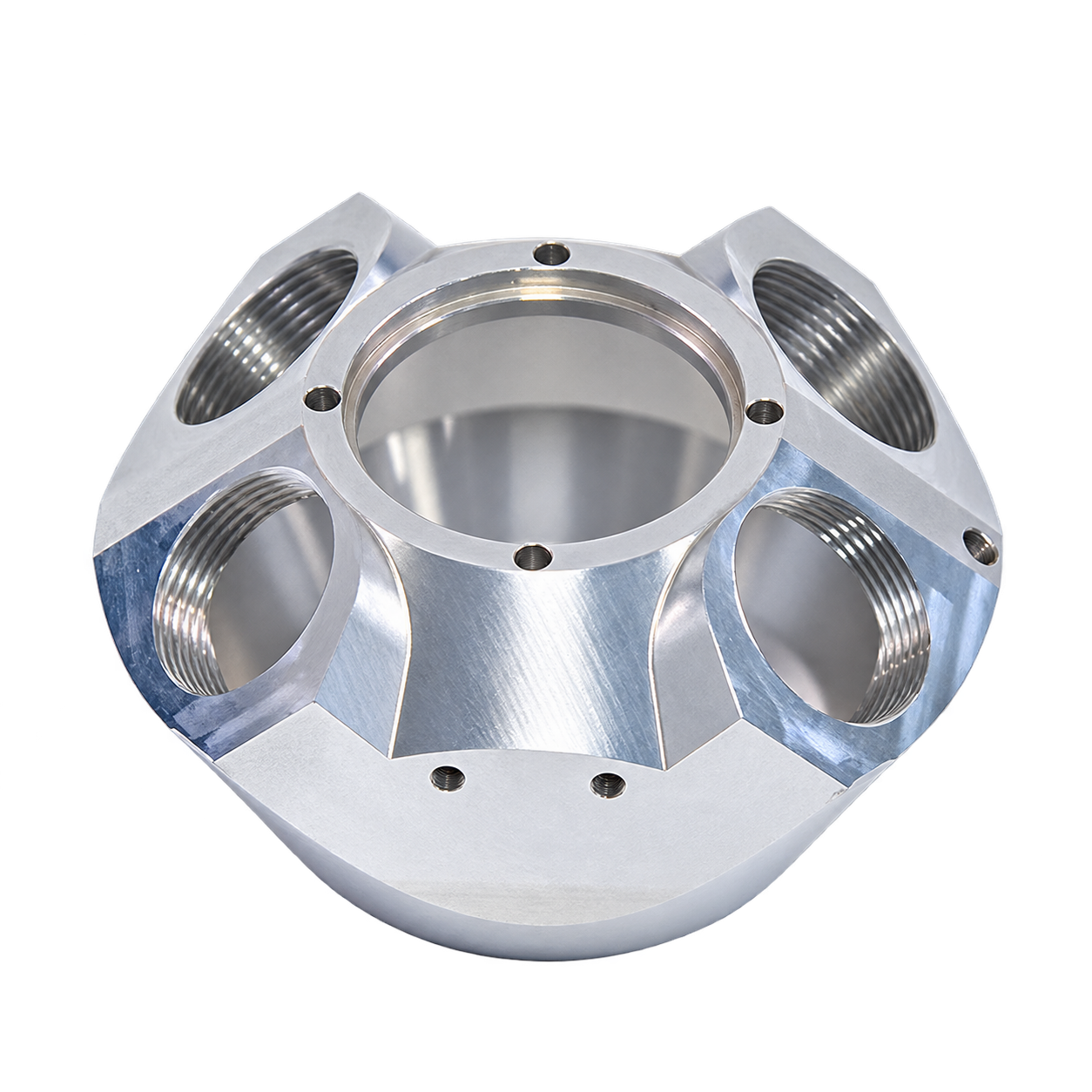
Manufacture precision metal and plastic components directly from your CAD files and technical drawings. Our CNC machining capabilities support functional prototypes, low-volume production, and repeat manufacturing for simple to complex custom parts.
Nova Precision Manufacturing Co.,Ltd provides precision CNC machining for custom metal and plastic components across prototype, engineering validation, low-volume, and production applications.
Using computer-controlled machining equipment, material is accurately removed from solid bar, plate, or block stock to create the required geometry. CNC machining is particularly suitable when parts require production-grade materials, repeatable dimensions, machined surfaces, holes, threads, pockets, slots, bores, or complex mechanical features.
Depending on part geometry, manufacturing may involve CNC milling, CNC turning, drilling, boring, threading, tapping, or multiple machining operations within the same production process.
Our CNC machining capabilities are suitable for:
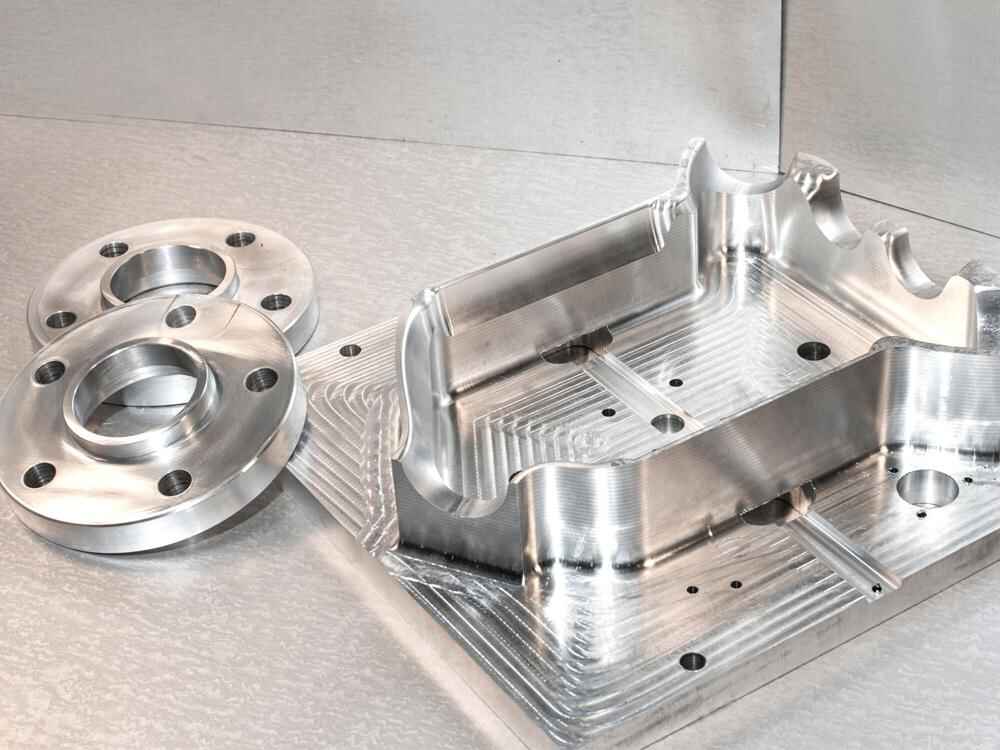
CNC machining—short for Computer Numerical Control machining—is a subtractive manufacturing process in which computer-controlled cutting tools remove material from a solid workpiece to create a finished component.
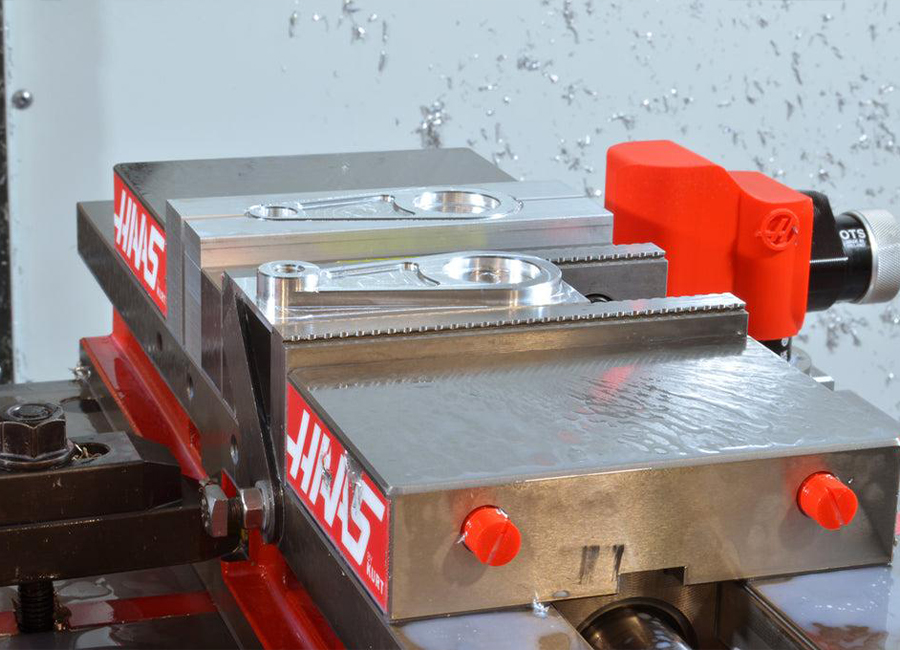
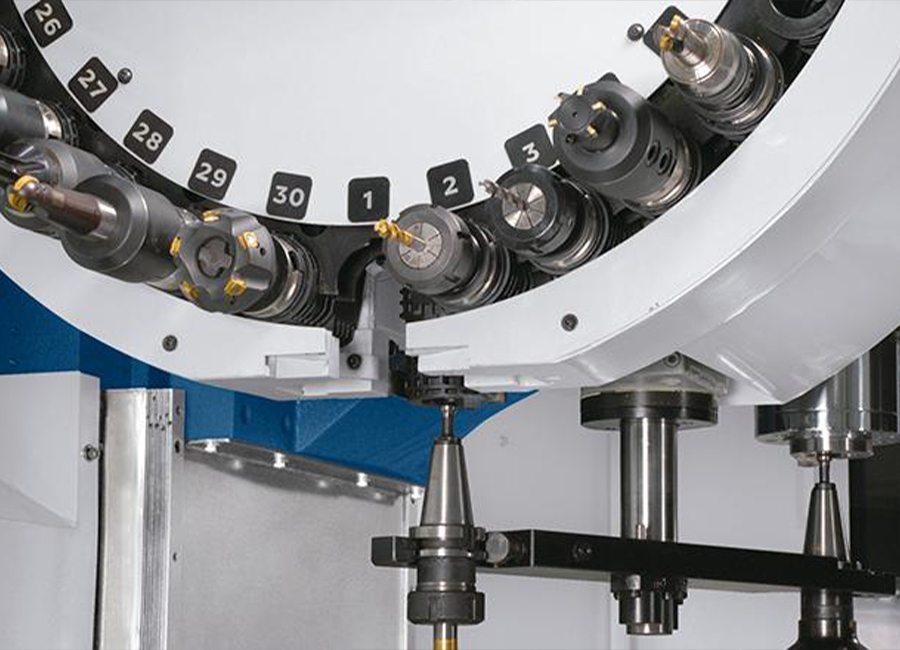
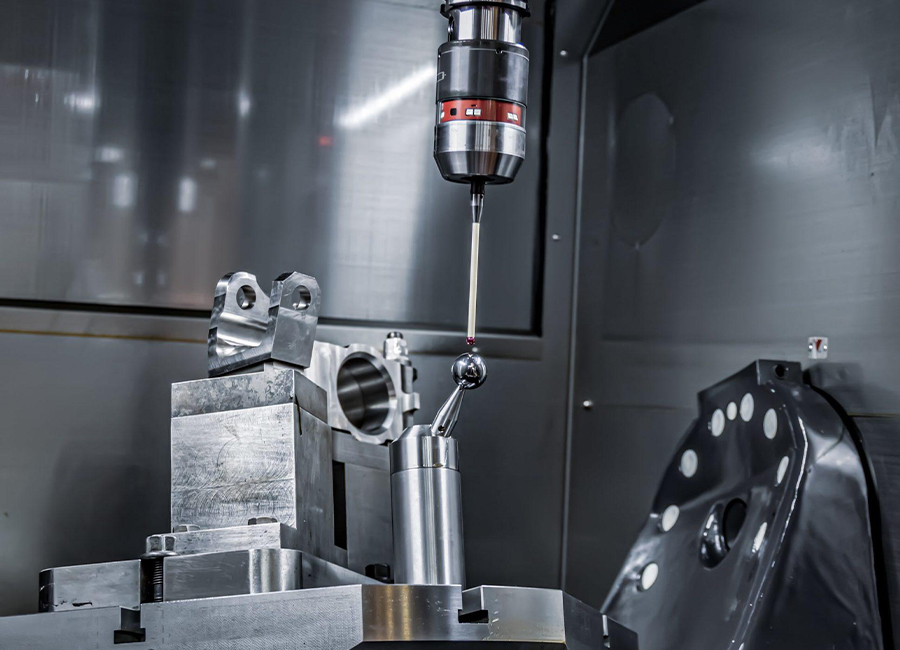
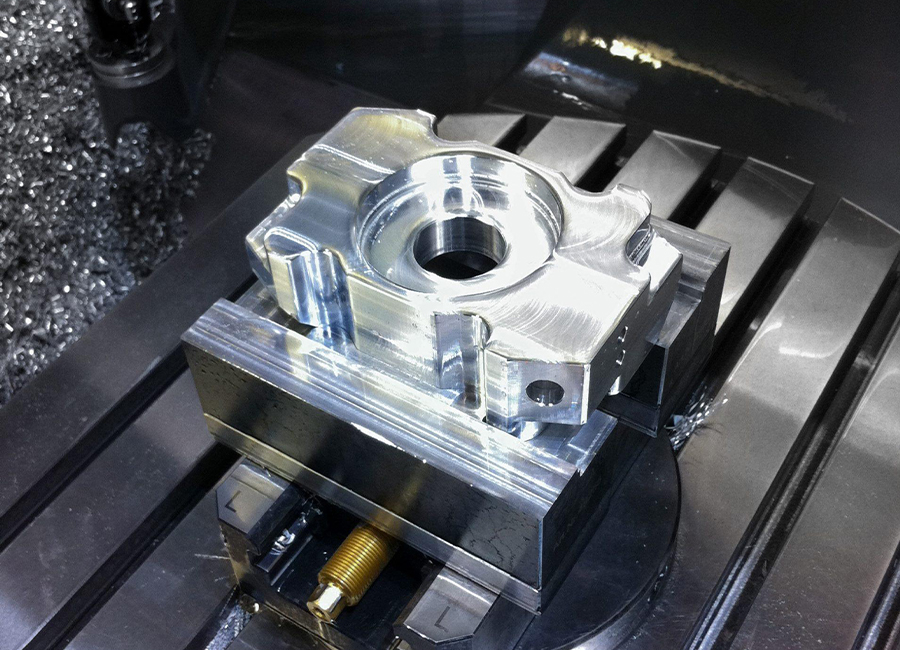
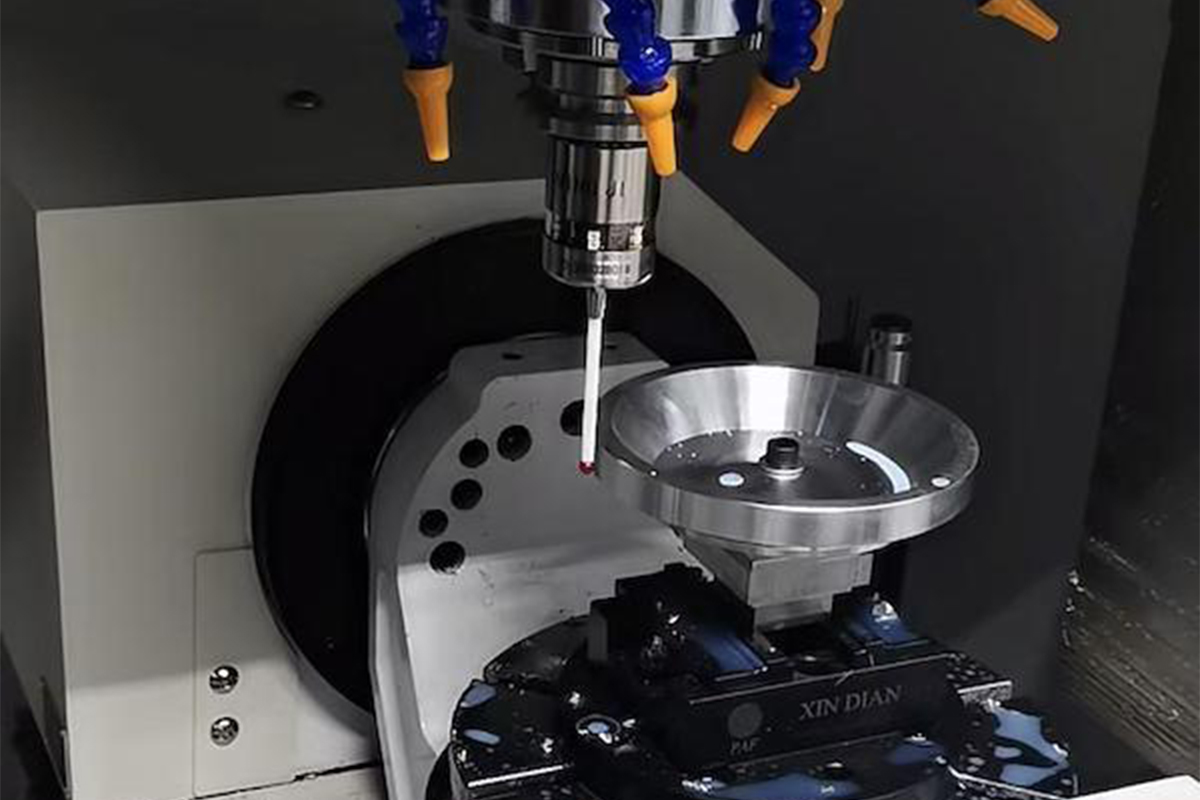
CNC milling is commonly used for:
CNC turning rotates a workpiece while a cutting tool removes material to create cylindrical and rotational features.
It is particularly efficient for parts requiring controlled outside diameters, internal bores, concentric surfaces, grooves, tapers, threads, and stepped profiles.
Additional tooling can also be used to create holes, flats, slots, and other features on turned components.
CNC turning is commonly used for:
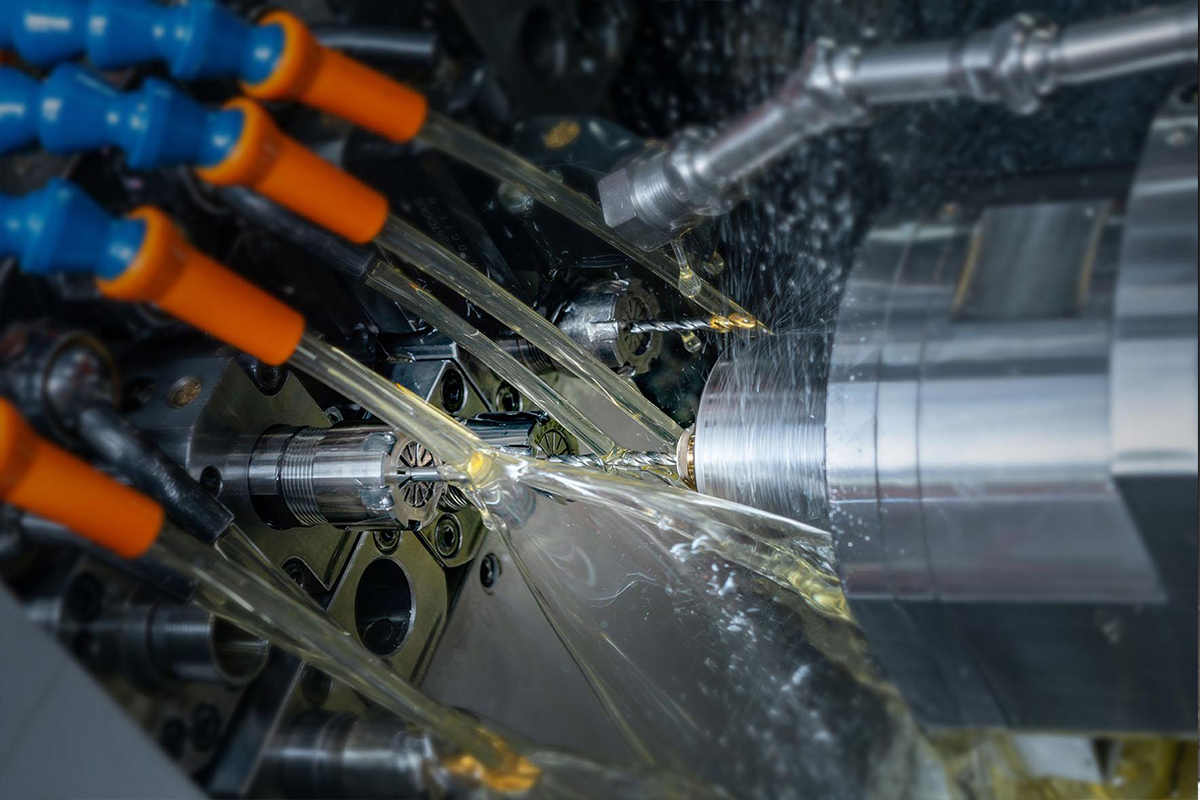
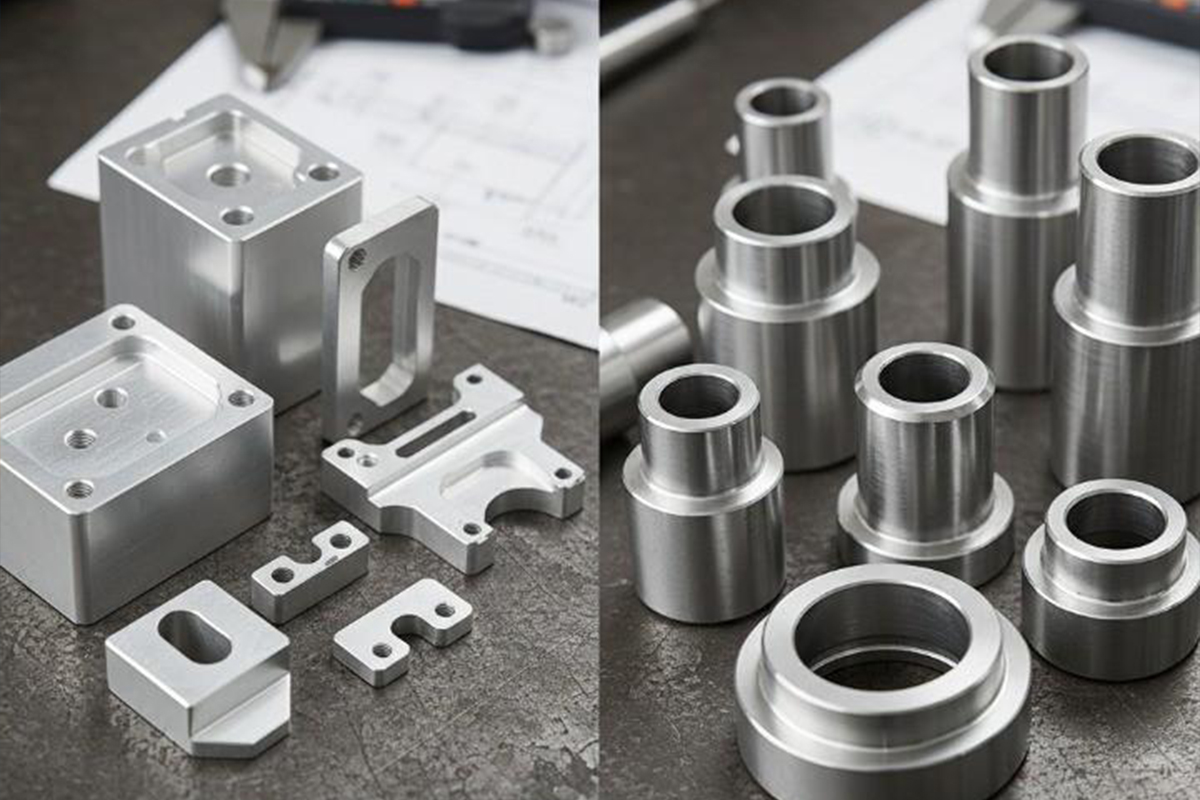
The choice between CNC milling and CNC turning is largely determined by part geometry.
Parts with rectangular, irregular, multi-sided, or complex pocketed geometries are commonly produced using CNC milling.
Parts dominated by cylindrical, concentric, or rotational features are generally better suited to CNC turning.
Some components require both milling and turning operations. During manufacturing review, the machining sequence can be selected according to geometry, tolerance, material, quantity, and cost requirements.
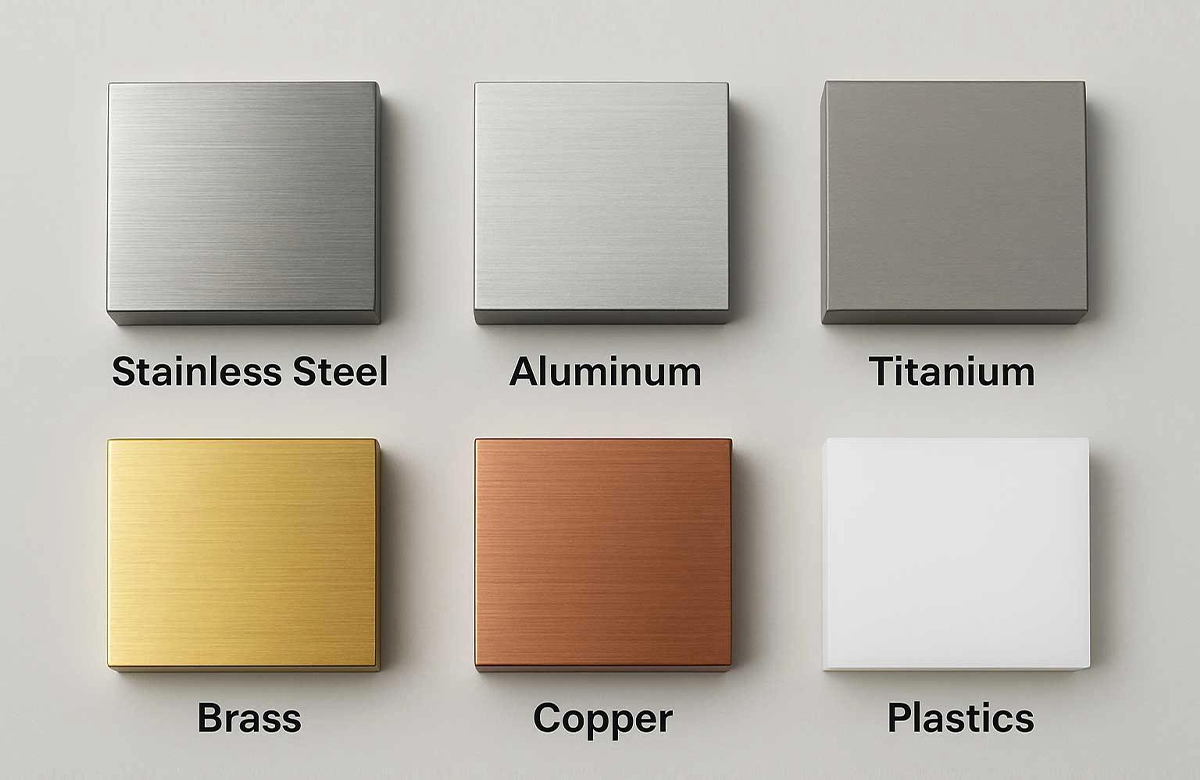
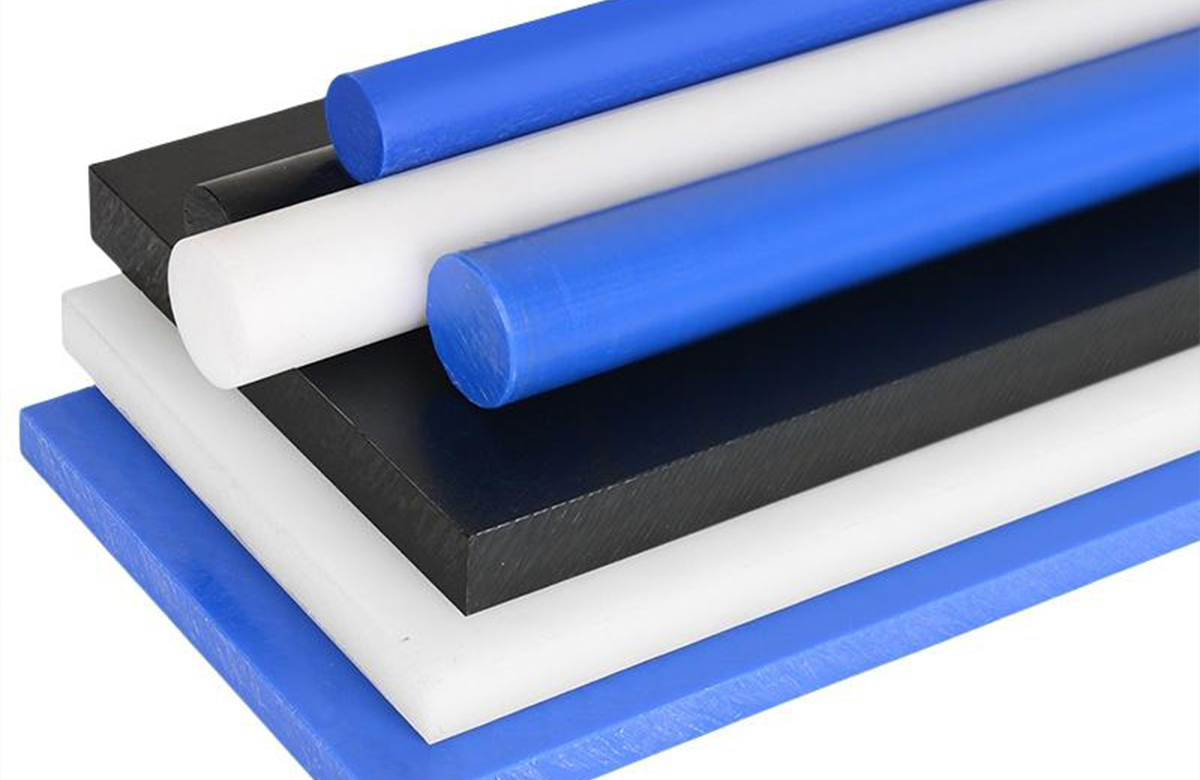
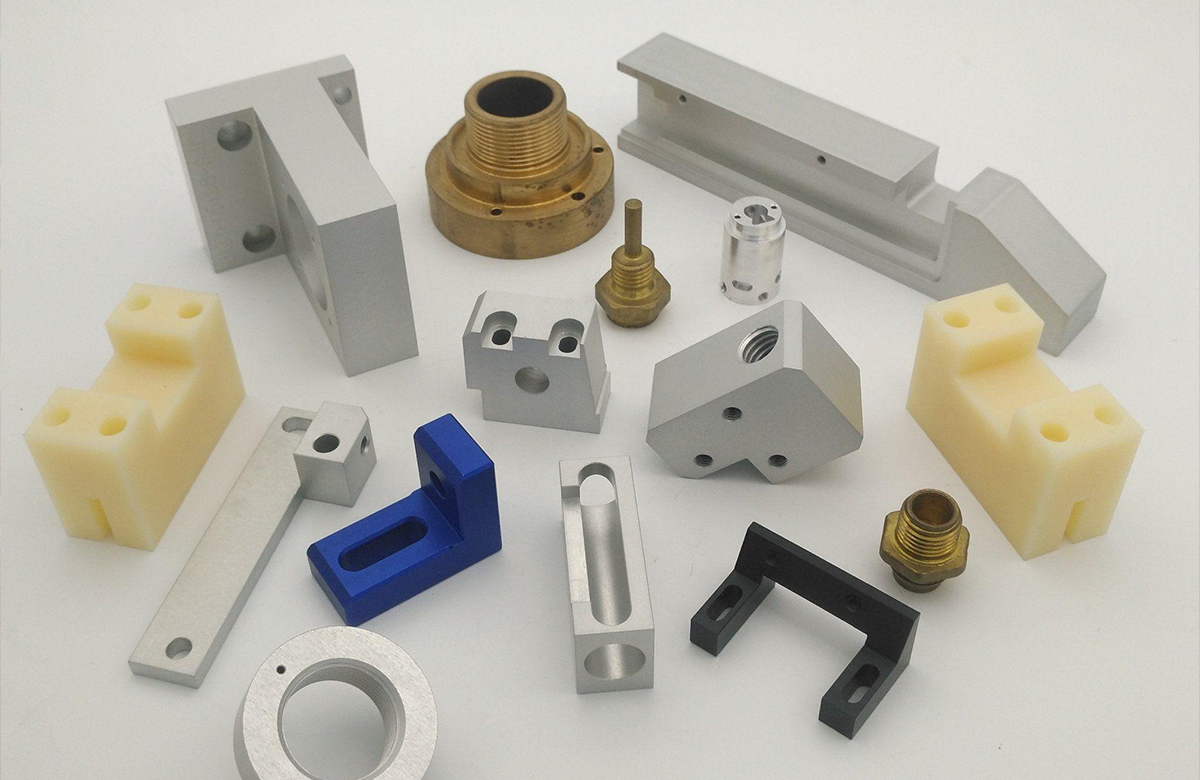
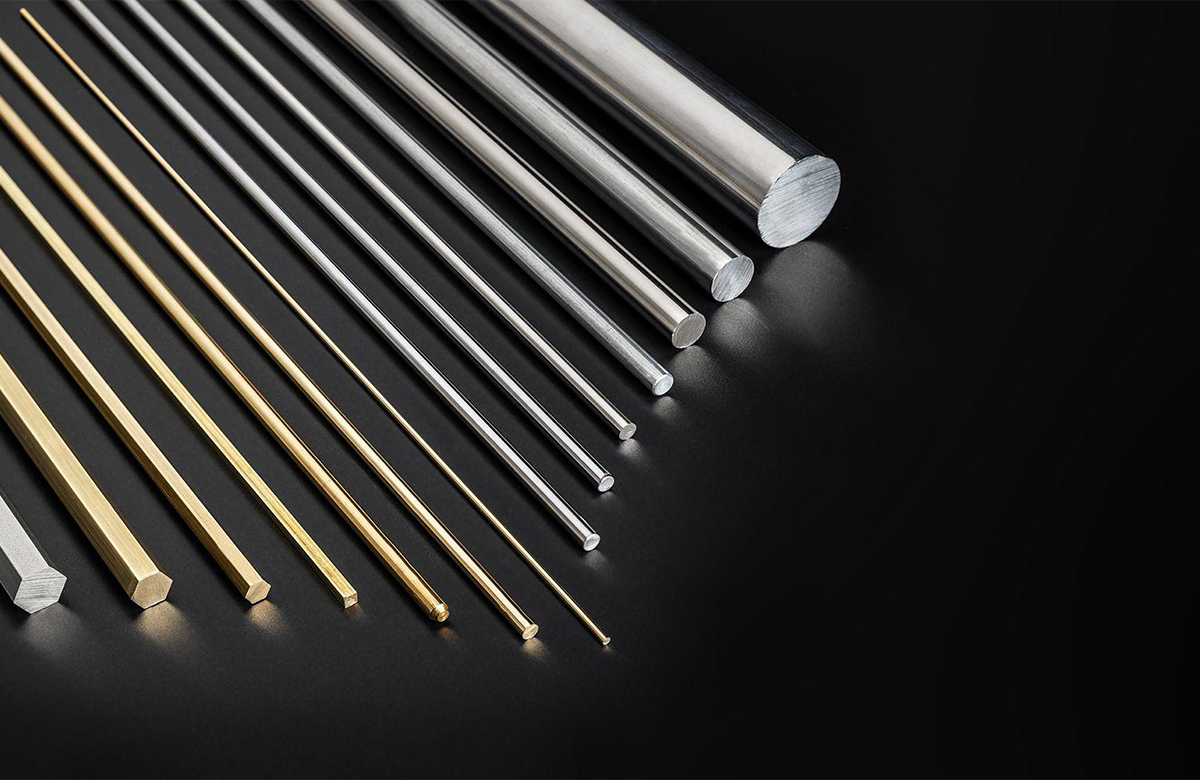
CNC machining works with a wide range of metals and engineering plastics, allowing material selection based on strength, weight, corrosion resistance, dimensional stability, wear performance, and application requirements.
We also machine additional engineering plastics and specialty materials, including Acrylic, PTFE, Polycarbonate, ABS, HDPE, UHMW, PVC, PPSU, PP, PET, and PEI.
The right CNC machining material depends on your part geometry, mechanical requirements, operating environment, tolerances, surface finish, and production quantity. Send us your CAD files and application requirements, and our team can help evaluate a suitable material and machining approach for your project.
General Machining Tolerance
±0.127 mm for many standard machined metal features.
Precision Features
Available for selected features subject to drawing and process review.
Minimum Feature
Actual limits vary with geometry, material, tooling and feature depth.
Final capability is part-specific. These factors are reviewed together instead of relying on one tolerance number.
A clear manufacturing workflow reduces ambiguity before machining begins and keeps geometry, tolerance, finishing and inspection requirements aligned.
Send 3D CAD files and a 2D drawing when critical specifications are required.
Geometry, material, tolerance, quantity and finishing requirements are reviewed.
Milling, turning, drilling or combined operations are selected for the part.
Computer-controlled equipment removes material from production-grade stock.
Critical dimensions and specified drawing requirements are verified.
Parts move through required finishing, final inspection, packing and delivery.
Quality requirements start with the engineering drawing. Inspection should focus on the dimensions, geometric controls, threads and surfaces that determine whether the part functions as intended.
Recommended image: CMM measurement, dimensional inspection, gauges or an inspector checking a machined metal component.
Send Nova Precision Manufacturing Co.,Ltd your CAD model, technical drawing, material, quantity, tolerance and surface finish requirements for manufacturing review.