Before You Go, Let’s Talk About Your Parts
Tell us about your part, quantity, and key requirements. Nova Precision Manufacturing Co.,Ltd can help you choose suitable materials and manufacturing processes for your project.

Understand CNC machining tolerances, GD&T, dimensional inspection, surface requirements, quality documentation, and inspection methods used to verify precision machined parts.
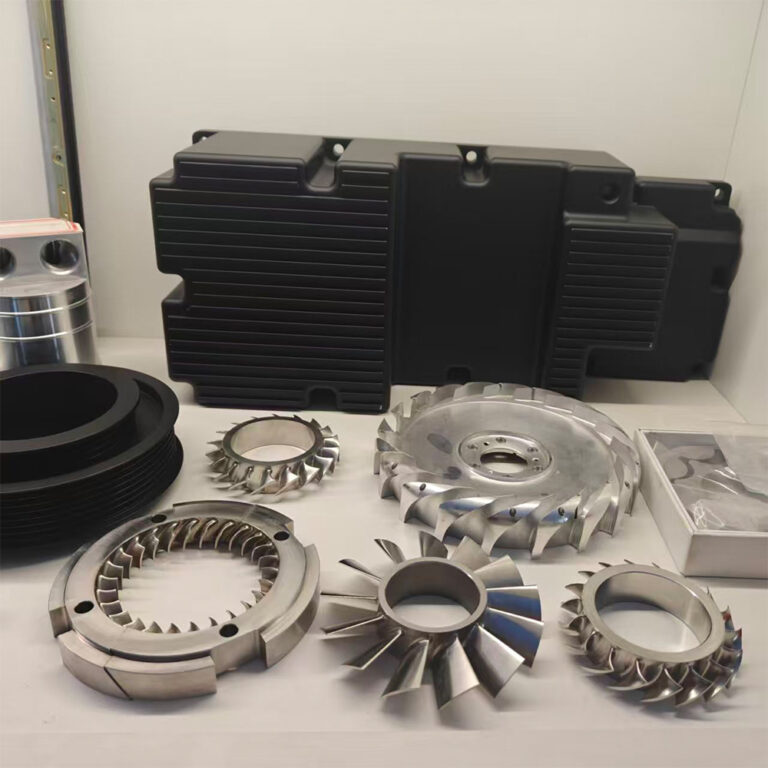
How burrs form on micro-milled metal parts, which process variables control them, how deburring methods compare, and how to define edge limits and RFQ requirements.
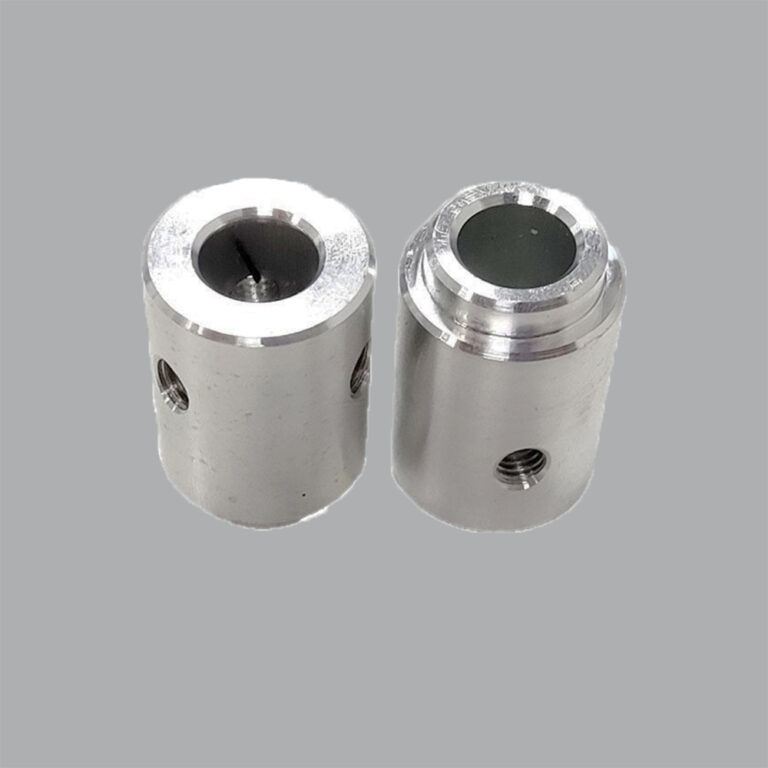
Parting burrs on turned pins start at cutoff. Learn which process, drawing and deburring choices control burr height, edge condition and press-fit risk.
Diameter tolerance sets hole size; position tolerance sets where the axis sits. See how MMC links them, what reaming does and doesn't fix, and what to specify before an RFQ.
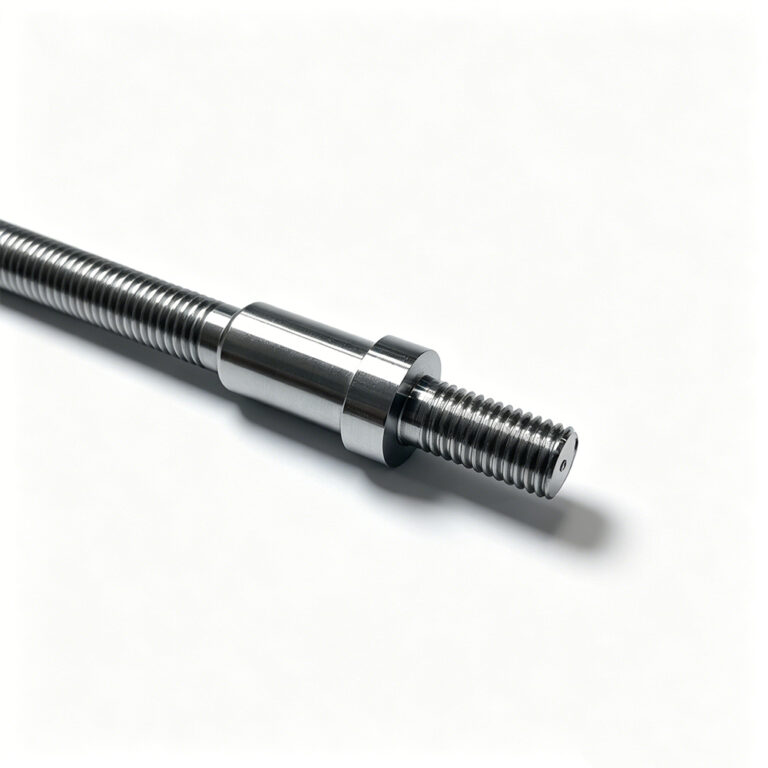
Concentricity errors in turned shafts come from re-gripping, workholding, deflection and datum choices. See how to specify runout, plan the process and prepare an RFQ.
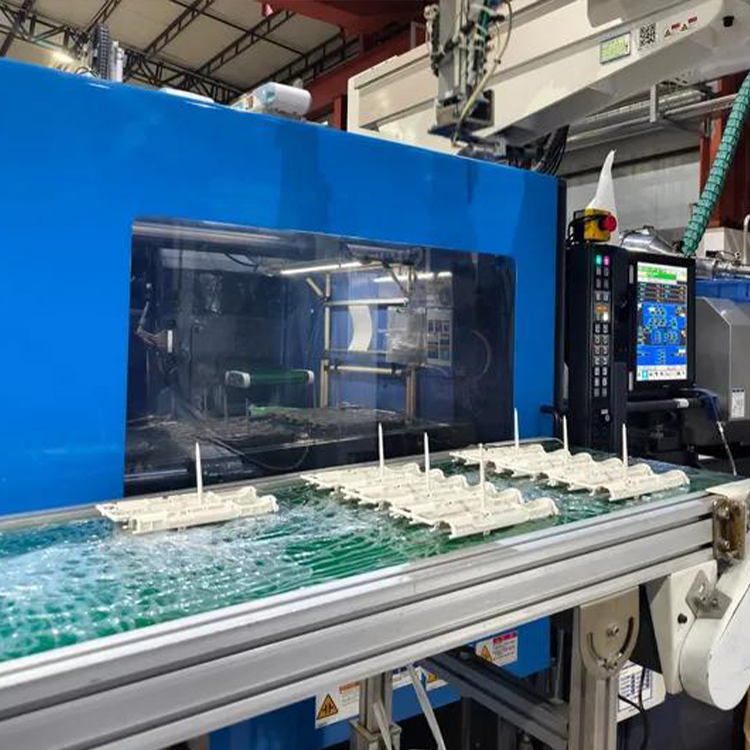
Injection molding shrinkage is not a single number you pull from a resin chart. Material grade, flow direction, packing pressure, mold temperature, wall thickness, moisture, fiber orientation, and measurement timing can all change the final dimensions. Here is how engineers should specify dimensions before steel is cut.
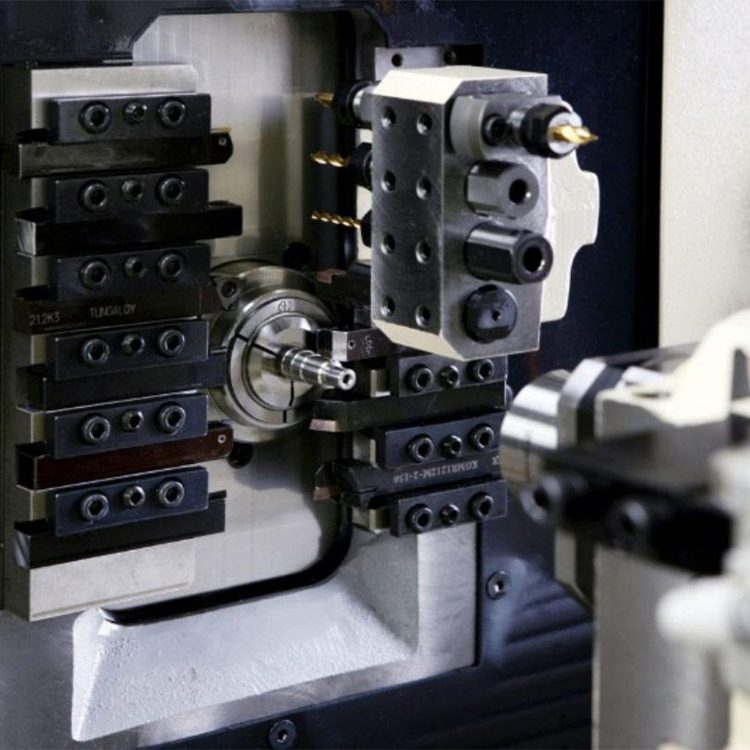
Swiss CNC turning can hold demanding dimensions on long, small-diameter parts, but the machine alone does not determine accuracy. This guide explains how guide bushings, bar stock, tool pressure, chatter, heat, material, and inspection affect real production tolerances.
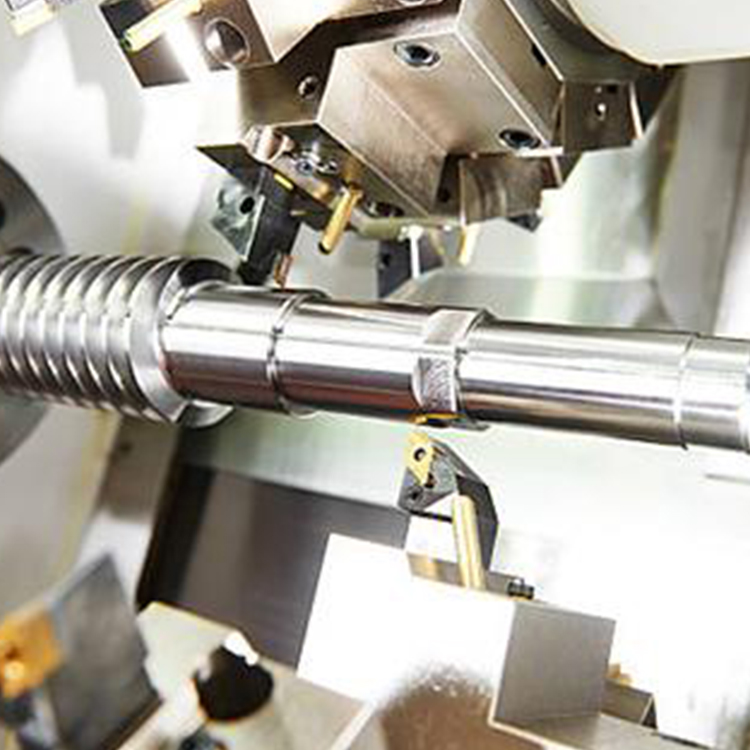
Press fits fail when designers specify a nominal diameter but ignore the tolerance stack behind it. This guide explains how to calculate CNC press fit tolerances, match pins and shafts to bores, use ISO 286 interference fits, and account for material, temperature, surface finish, and inspection.