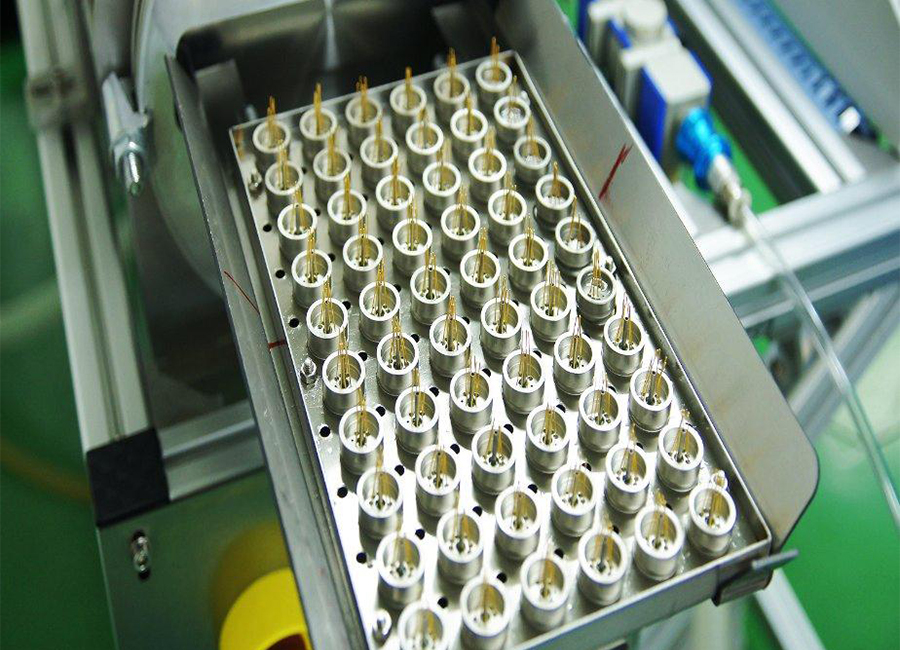
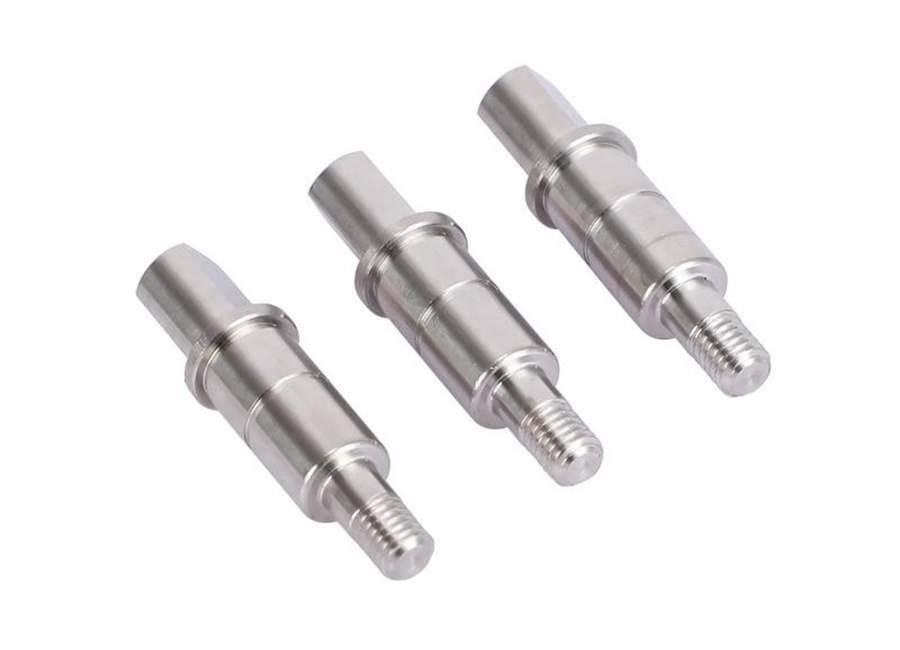
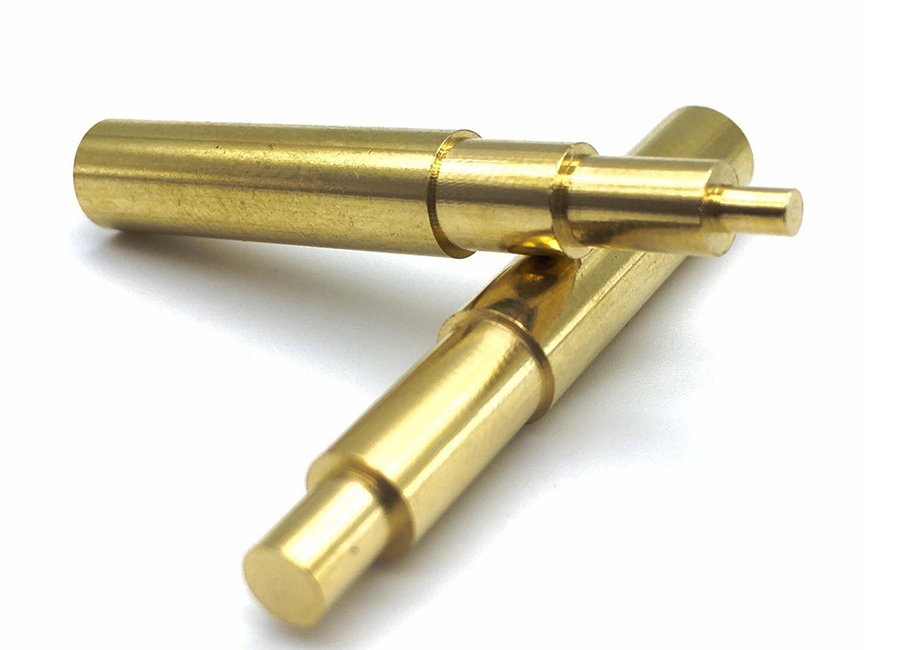
Precision Swiss-Type Turning for Small & Complex Parts

Manufacture small-diameter, slender, and intricate components with precision Swiss CNC machining. Guide-bushing support improves stability while integrated turning, drilling, milling, and threading enable complex parts to be produced efficiently from prototype to repeat production.

Swiss-Type Turning for Precision Production

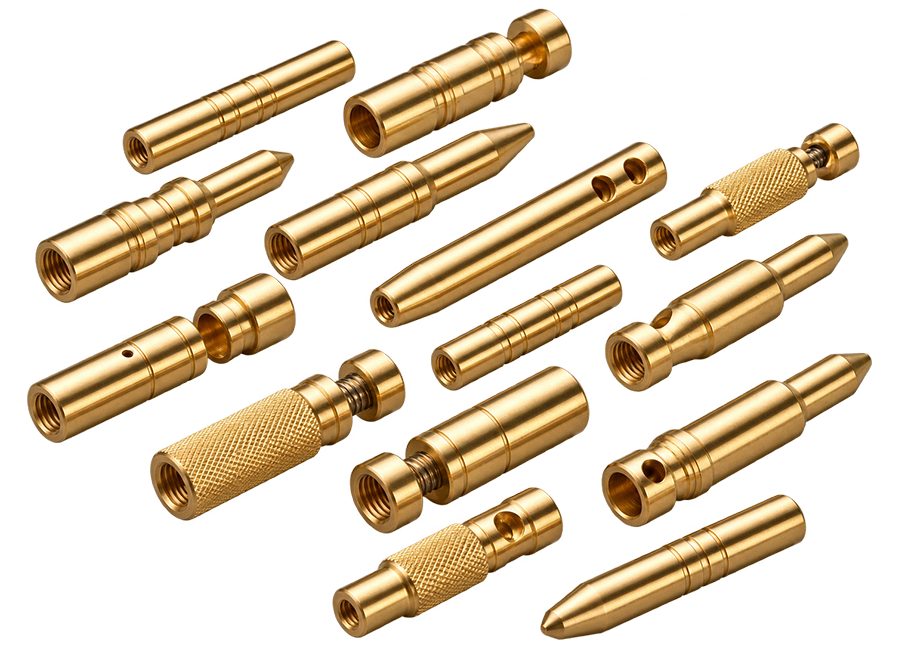
Nova Precision Manufacturing Co.,Ltd provides Swiss-type CNC turning for small-diameter, slender, and complex components made from stainless steel, aluminum, brass, titanium, steel, and engineering plastics.

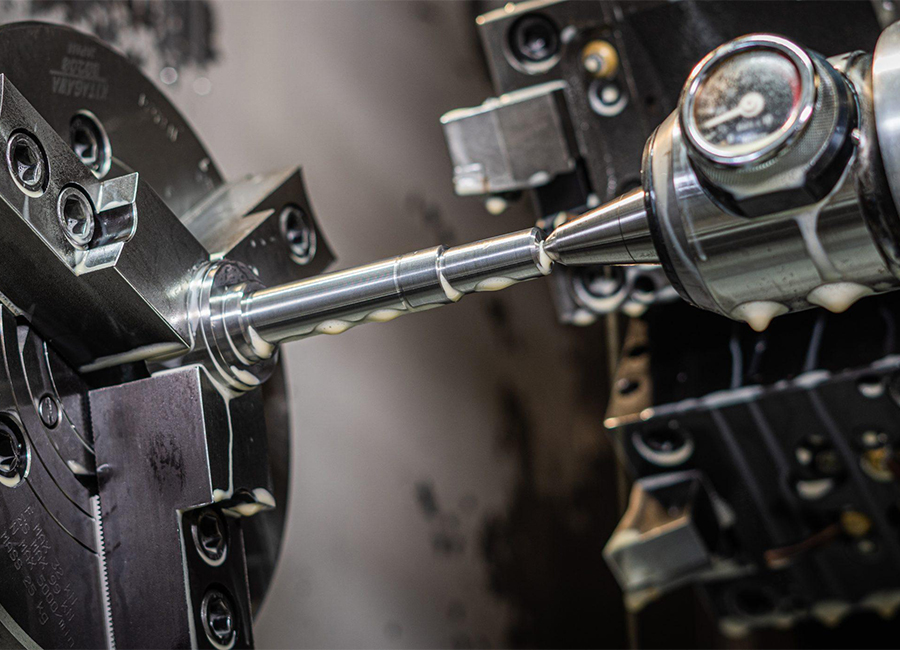
Swiss-type machining uses a sliding headstock to feed bar stock through a guide bushing positioned close to the cutting tools. Supporting the material near the cutting zone helps reduce deflection and vibration, making the process especially effective for long and thin components.

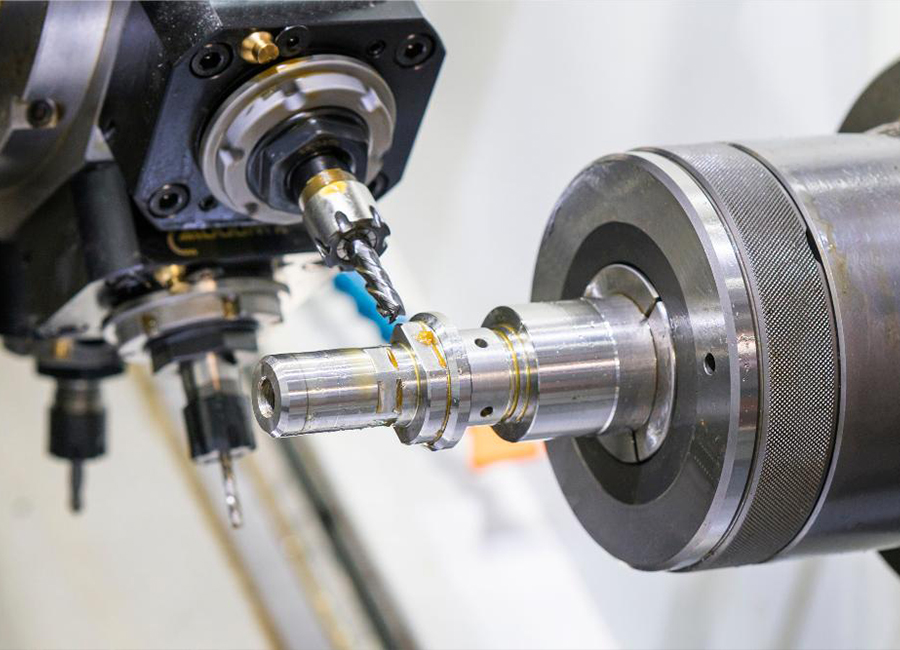
Modern Swiss CNC machines can combine turning with drilling, threading, grooving, cross drilling, milling, and other features within the same machining cycle. This reduces secondary handling while helping maintain consistent relationships between critical features.

Swiss-type turning is well suited to:

  • Small-diameter precision parts
  • Long and slender shafts or pins
  • Complex turned components
  • Cross holes, flats, slots, and grooves
  • Internal and external threads
  • Components requiring multiple operations
  • Repeat and production quantities

Why Use Swiss-Type Turning?

Swiss-type turning provides greater machining stability for small, slender parts while allowing multiple complex features to be produced in a highly automated cycle.
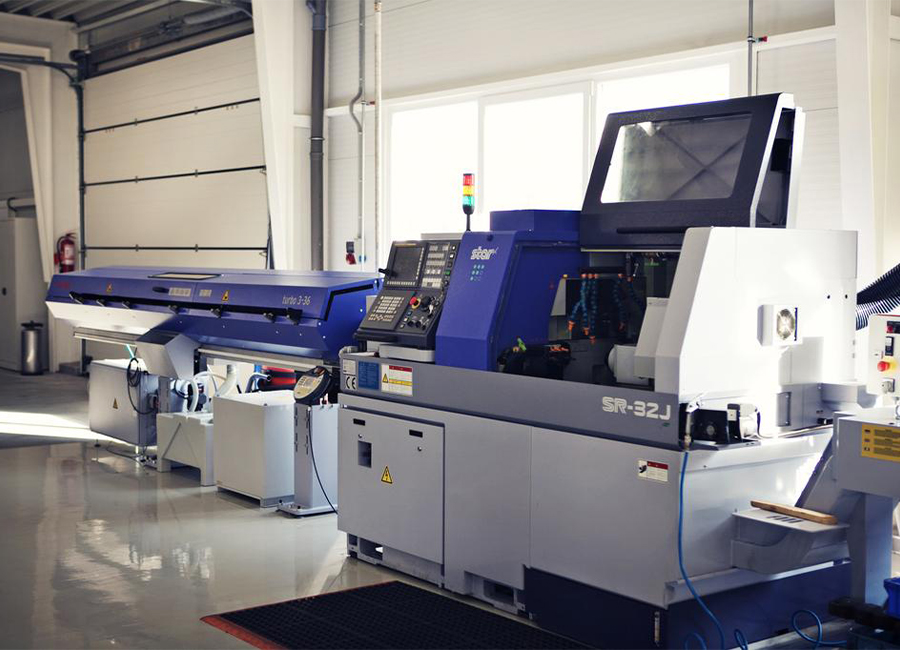
What Is Swiss-Type Turning?

Swiss-type turning is a precision CNC machining process that uses a sliding headstock and guide bushing to produce small-diameter, slender, and complex components from bar stock.
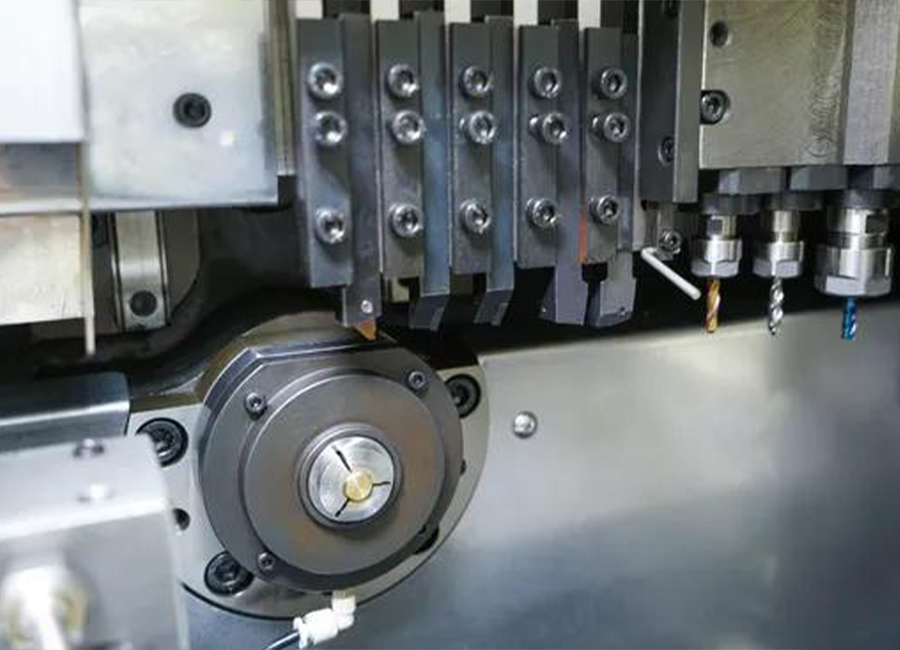
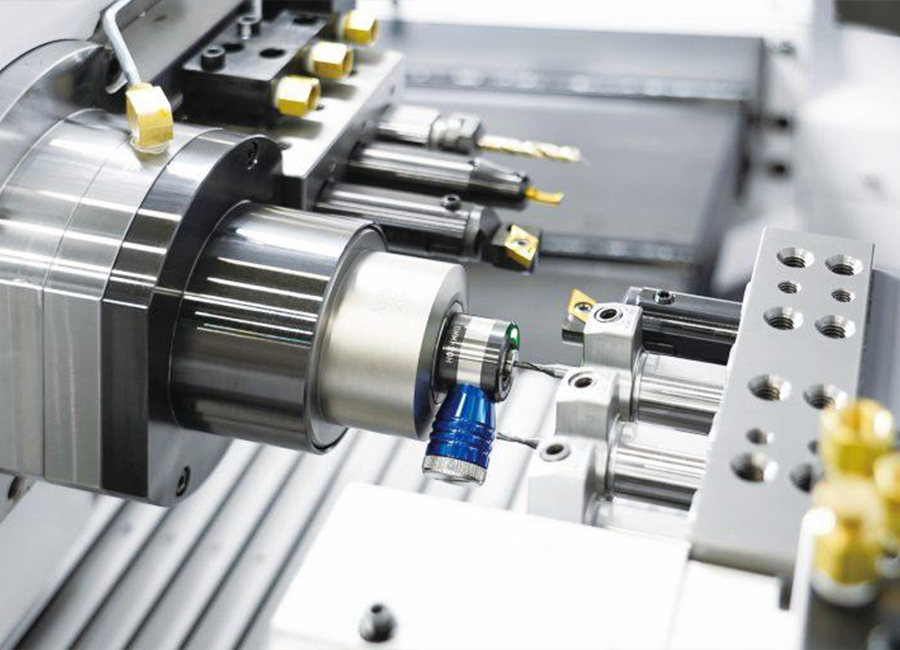
Bar stock is fed through a precision guide bushing while the sliding headstock moves the material along the machine’s Z-axis. Cutting takes place very close to the guide bushing, keeping the workpiece supported during machining.

Unlike conventional turning, where a longer section of material may extend unsupported from the chuck, Swiss-type machining minimizes the distance between the material support point and the cutting tool. This helps reduce bending, chatter, and vibration when machining long or thin components.

Multiple tools can be arranged around the workpiece to perform turning, grooving, drilling, and threading as the bar progresses through the machining cycle.
Modern Swiss CNC machines can also use live tooling and secondary spindles to produce cross holes, flats, slots, milled features, and back-side details without repeatedly removing the component from the machine.

This multi-operation capability allows complex parts to be produced with fewer secondary setups while helping maintain consistent relationships between diameters, threads, holes, and other precision features.

Swiss-type turning is therefore particularly effective for precision shafts, pins, connectors, valve components, fittings, fasteners, and other small parts with demanding geometry.

Swiss-Type Turning Capabilities

Swiss-type turning combines precision bar-fed machining with multi-axis tooling to produce small, slender, and feature-rich components efficiently in a single automated process.

Precision Turning for Slender & Small-Diameter Parts

Swiss-type turning is especially effective for components that are difficult to machine accurately on conventional lathes because of their small diameter or high length-to-diameter ratio.

By supporting the bar stock close to the cutting zone, the process minimizes unsupported material and helps control deflection, chatter, and vibration during machining.

Typical turning capabilities include:

  • Stepped diameters
  • Precision shoulders
  • Tapers and radii
  • OD and ID turning
  • Grooves and undercuts
  • Small precision bores
  • Chamfers
  • Cut-off features

Live Tooling & Multi-Operation Machining

Swiss machining is not limited to cylindrical turning. Modern machines can use live tooling, multiple tool stations, and secondary spindles to create complex features without moving the part to separate equipment.

Combining operations in one machining cycle can reduce secondary setups and help maintain accurate relationships between turned, drilled, and milled features.

Typical integrated operations include:
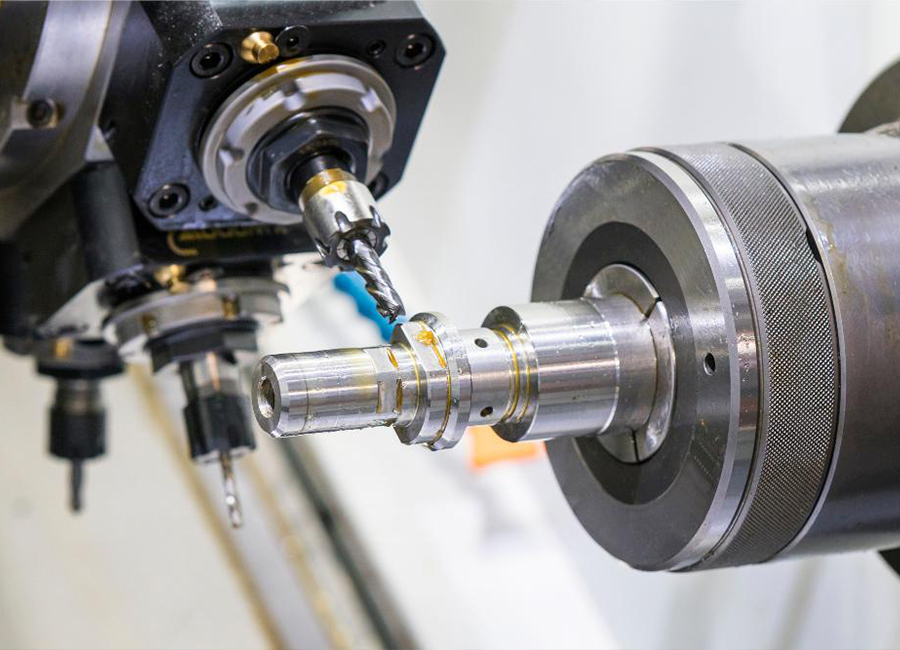
  • Cross drilling
  • Axial drilling
  • Internal and external threading
  • Flats
  • Slots and key features
  • Radial holes
  • Small milled profiles
  • Front- and back-side machining

When Is Swiss-Type Turning the Right Choice?

Swiss-type turning is a strong manufacturing choice when a component starts from round bar stock and combines a relatively small diameter with demanding geometry or a slender profile.

It is particularly valuable when conventional turning may leave too much material unsupported during cutting, or when several turning, drilling, threading, and milling operations need to be completed efficiently in one production cycle.

Swiss-type turning is well suited to parts requiring:

  • Small-diameter geometry
  • High length-to-diameter ratios
  • Long, slender shafts or pins
  • Multiple stepped diameters
  • Tight concentricity or runout control
  • Cross holes and radial features
  • Precision internal or external threads
  • Combined turned and milled features
  • Repeat production from bar stock

Materials for Swiss-Type Turning

Swiss-type turning supports a wide range of metals and engineering plastics supplied as precision bar stock. Material selection affects chip control, cutting speed, tool wear, heat generation, guide-bushing performance, surface finish, and dimensional stability.

  • Stainless Steel
  • Aluminum
  • Brass
  • Copper
  • Carbon & Alloy Steel
  • Titanium
  • Acetal / Delrin (POM)
  • Nylon
  • PEEK
  • PTFE / Teflon

Additional machinable materials and alloy grades can be evaluated based on part diameter, geometry, tolerance requirements, production quantity, and application.
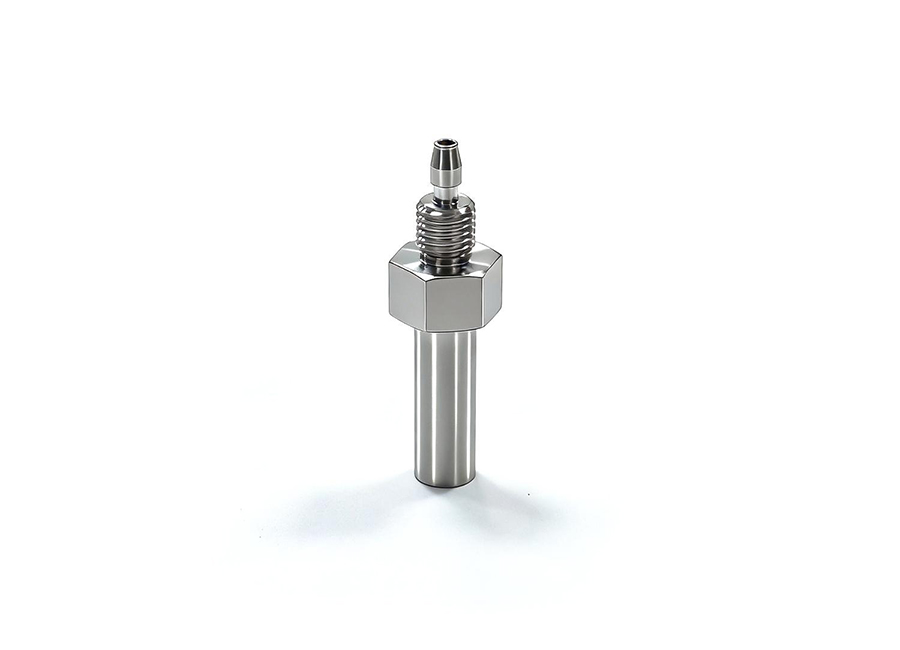
Swiss-Type Turning Tolerances & Standards

Swiss turning accuracy depends on bar-stock quality, guide-bushing fit, spindle condition, tooling, material behavior, thermal stability, and feature geometry. Critical diameters, threads, concentricity, runout, and surface-finish requirements should be clearly defined on the technical drawing.

±0.001 in.

±0.025 mm
Practical dimensional reference for many precision Swiss-turned features.

±0.0005 in.

±0.013 mm
General dimensional reference for many routed plastic

Guide-Bushing Supported

Near the Cutting Zone
Continuous support helps reduce deflection and vibration on long, small-diameter components.

What Determines Swiss Turning Accuracy?

Final capability depends on the complete machining system—not tolerance values alone. Bar quality, guide-bushing setup, tooling condition, thermal control, and feature geometry all influence production stability.

Bar Stock Quality
Bar diameter consistency, straightness, roundness, and surface condition influence guide-bushing contact and dimensional repeatability throughout the machining cycle.
Guide Bushing & Spindle Condition
Proper guide-bushing fit and controlled spindle runout help stabilize the workpiece near the cutting zone and maintain concentricity on precision diameters.
Tooling & Tool Wear
Small tools and fine features are sensitive to cutting-edge wear. Tool selection, cutting parameters, chip evacuation, and planned tool changes affect dimensional consistency.
Thermal Stability & Material Behavior
Heat from the spindle, coolant, tooling, and workpiece can shift dimensions during long production runs. Different materials also respond differently to cutting forces and thermal expansion.
Ultra-tight tolerances, very small diameters, long slender geometry, and demanding concentricity or surface-finish requirements may require additional engineering and inspection review.

Design Considerations for Swiss-Turned Parts

Part diameter, length-to-diameter ratio, wall thickness, threads, small features, and tolerance requirements directly affect Swiss machining efficiency and part quality.

Bar Diameter & Stock

Design around standard bar sizes where possible to reduce material waste and setup complexity.

Length-to-Diameter Ratio

Swiss turning is especially effective for long, slender parts that benefit from guide-bushing support.

Thin Walls

Avoid unnecessarily thin sections that may distort under cutting pressure or after material removal.

Small Holes & Features

Very small or deep features require suitable tool access, rigidity, and chip evacuation.

Threads & Grooves

Keep thread depth and groove geometry practical to reduce tool load and machining difficulty.

Tolerances & Surface Finish

Apply tight tolerances and fine finishes mainly to critical functional features.
PROJECT WORKFLOW

From Bar Stock to Swiss-Turned Part

A structured Swiss machining workflow keeps material, tooling, tolerances, feature sequencing, and inspection requirements aligned from design review through final delivery.

STEP 01

Submit Design Files

Send your CAD model and drawing with material, quantity, tolerances, threads, and finish requirements.

STEP 02

Swiss Machining Review

We review diameter, length, geometry, tool access, tolerances, and bar-stock requirements.

STEP 03

Programming & Tooling Plan

Tool paths, turning sequence, live tooling, drilling, threading, and inspection points are planned.

STEP 04

Bar-Fed Swiss Machining

Bar stock is fed through the guide bushing while turning, drilling, milling, and threading operations are completed.

STEP 05

Dimensional Inspection

Critical diameters, lengths, threads, runout, and feature positions are checked against the drawing.

STEP 06

Finish & Deliver

Parts are deburred, cleaned, final-inspected, packed, and prepared for shipment.

Typical Swiss-Turned Components

Swiss-type turning is ideal for small, slender, and complex components that require precise diameters, threads, holes, grooves, and repeatable feature relationships.
Medical Components

Surgical Screws & Instrument Parts

Precision screws, pins, shafts, and instrument components manufactured from stainless steel, titanium, and other medical-grade materials.
Electronics

Connector Pins & Contacts

Small connector pins, sockets, terminals, and conductive components requiring consistent diameters and fine features.
Fluid Control

Valve Spools & Fittings

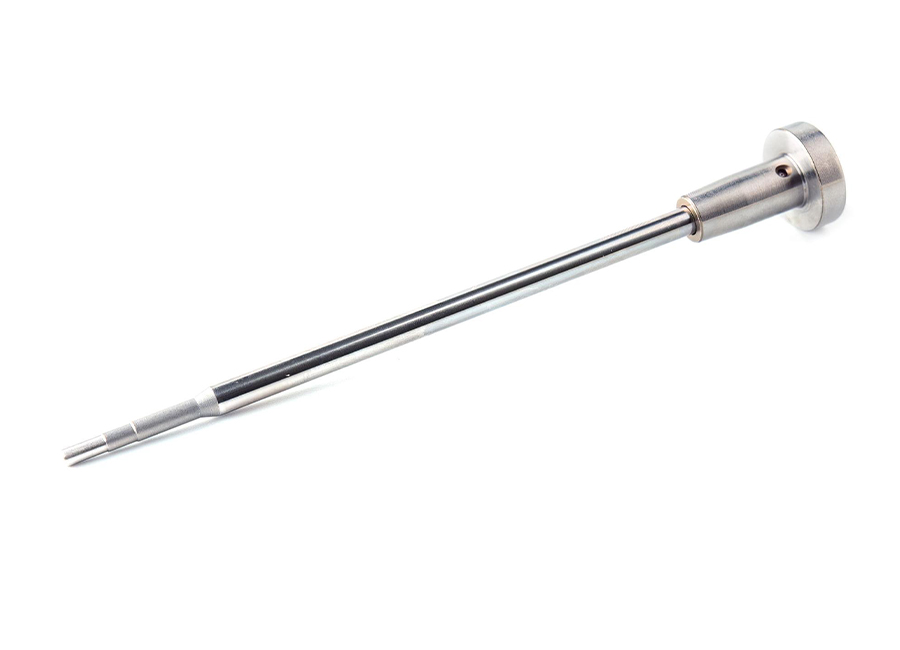
Precision valve spools, nozzles, fittings, and threaded components with bores, grooves, and sealing features.
Aerospace Hardware

Precision Fasteners

Small threaded fasteners, pins, fittings, and lightweight hardware produced from stainless steel, titanium, and specialty alloys.
Automotive

Fuel & Sensor Components

Fuel-injector parts, sensor housings, transmission components, and small precision parts for automotive systems.
Motion & Automation

Miniature Shafts & Pins

Small shafts, locating pins, actuator parts, and precision components used in compact mechanical and automation assemblies.
QUALITY CONTROL

Inspection for Swiss-Turned Parts

Quality control for Swiss-turned parts focuses on critical diameters, lengths, threads, concentricity, runout, and feature position. Key dimensions are verified against the approved drawing and inspection requirements.

Diameter & Length Inspection
Thread & Gauge Inspection
Concentricity & Runout Check
Hole & Feature Position
Surface & Edge Inspection
Final Dimensional Inspection

Common Questions About Swiss-Type Turning

Short answers for buyers evaluating small-diameter parts, slender components, complex features, materials, tolerances, and production requirements.
What is Swiss-type turning?
Swiss-type turning is a precision CNC process that feeds bar stock through a guide bushing close to the cutting tools, improving stability for small and slender parts.
Swiss machines support the bar near the cutting zone, while conventional lathes typically hold the workpiece from one end. This makes Swiss turning better suited to long, thin, and complex parts.

Precision pins, miniature shafts, screws, fittings, connectors, valve components, and other small bar-stock parts.

Can Swiss machines perform milling and drilling?
Yes. Live tooling can combine turning, drilling, milling, threading, and cross-hole machining in one production cycle.
Common materials include stainless steel, aluminum, brass, copper, titanium, alloy steel, and engineering plastics.
Yes. Automatic bar feeding and multi-operation machining make Swiss turning especially efficient for repeat and higher-volume production.
START YOUR SWISS TURNING PROJECT

Get Your Custom Swiss-Turned Parts Manufactured

Send Nova Precision Manufacturing Co.,Ltd your CAD model and drawing with material, quantity, tolerances, threads, surface finish, and critical dimensions for manufacturing review.