Before You Go, Let’s Talk About Your Parts
Tell us about your part, quantity, and key requirements. Nova Precision Manufacturing Co.,Ltd can help you choose suitable materials and manufacturing processes for your project.

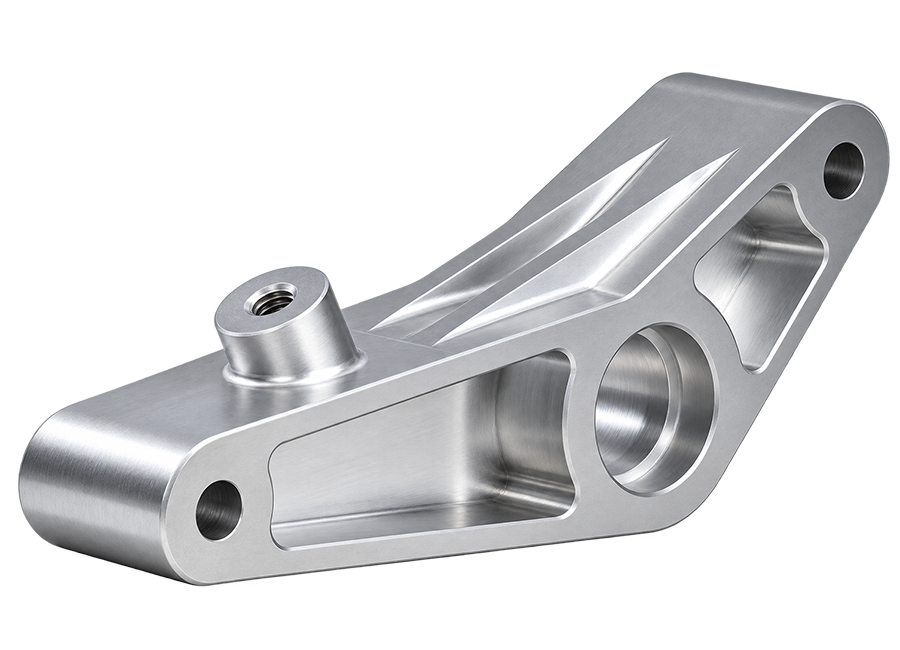
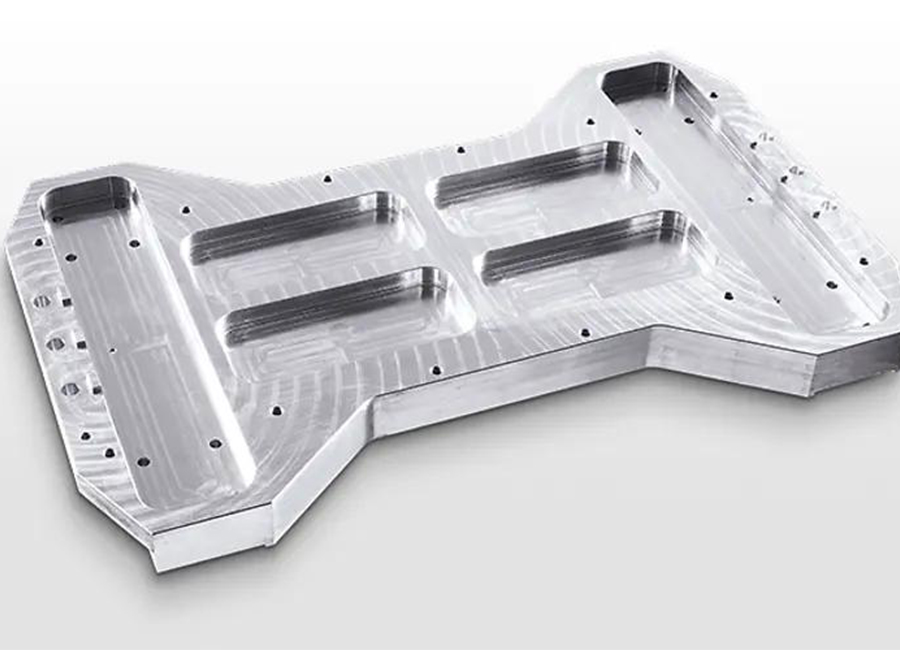
Precision 3-axis, 4-axis and 5-axis CNC milling for custom metal and plastic components. Manufacture prototypes, jigs, fixtures and production parts with complex pockets, holes, contours and multi-face geometries directly from your CAD files.
Nova Precision Manufacturing Co.,Ltd provides custom CNC milling services for precision metal and plastic components from functional prototypes and engineering samples through low-volume and repeat production.
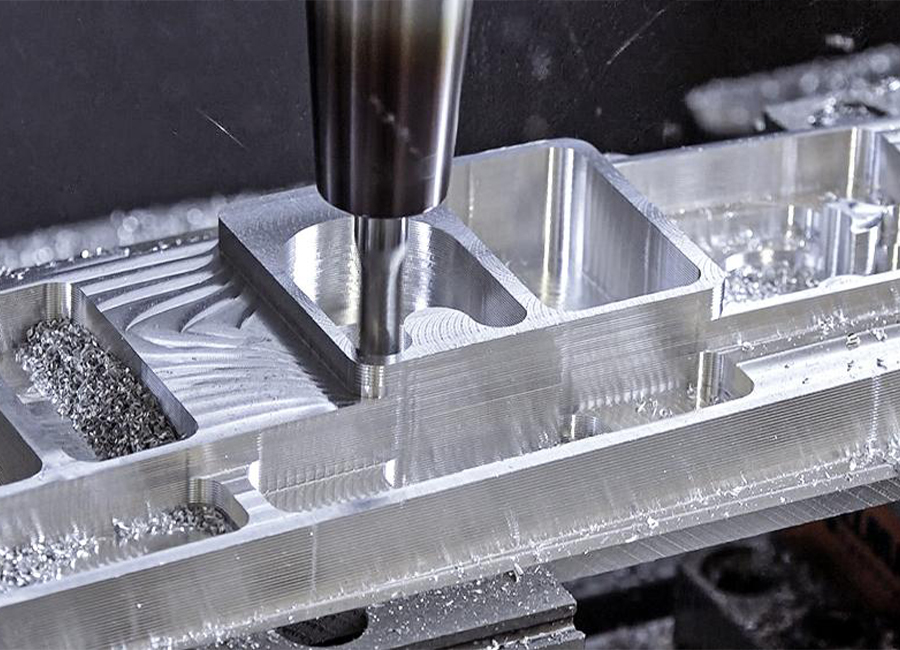
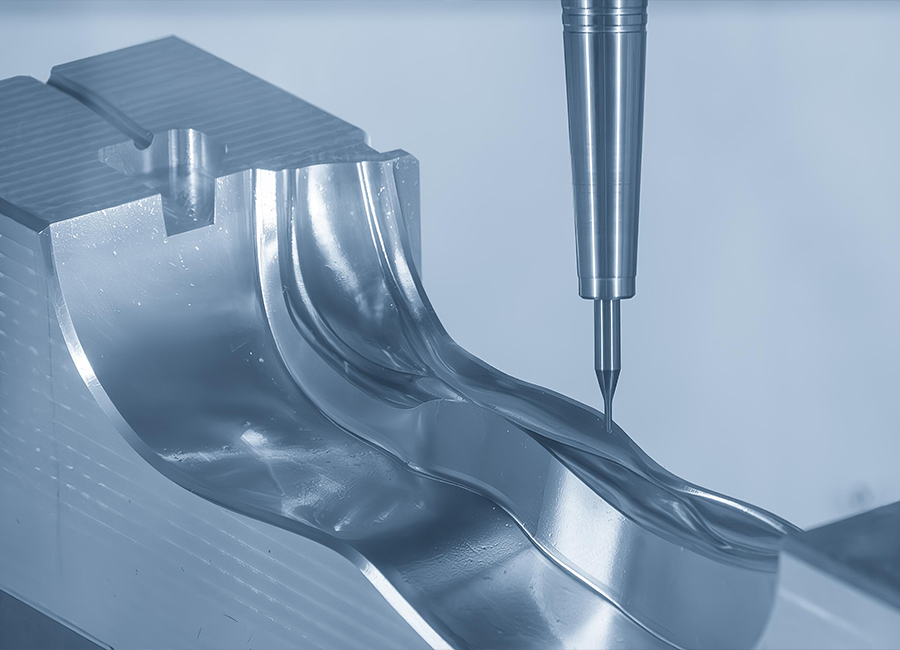
CNC milling uses computer-controlled rotating cutting tools to remove material from solid blocks, plates and billets. By controlling tool position across multiple axes, the process can manufacture flat faces, pockets, slots, holes, threads, contours, angled surfaces and complex multi-sided geometries with repeatable dimensional control.
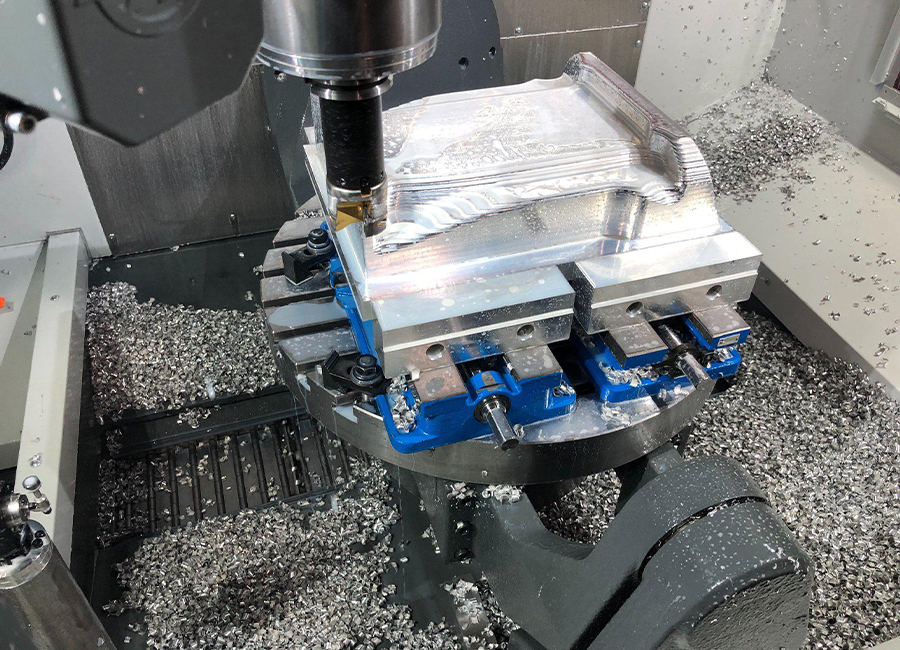
Our milling capabilities include 3-axis, 4-axis and 5-axis machining, allowing the manufacturing strategy to be matched to part complexity, tolerance requirements and production quantity.
CNC milling is especially suitable for:
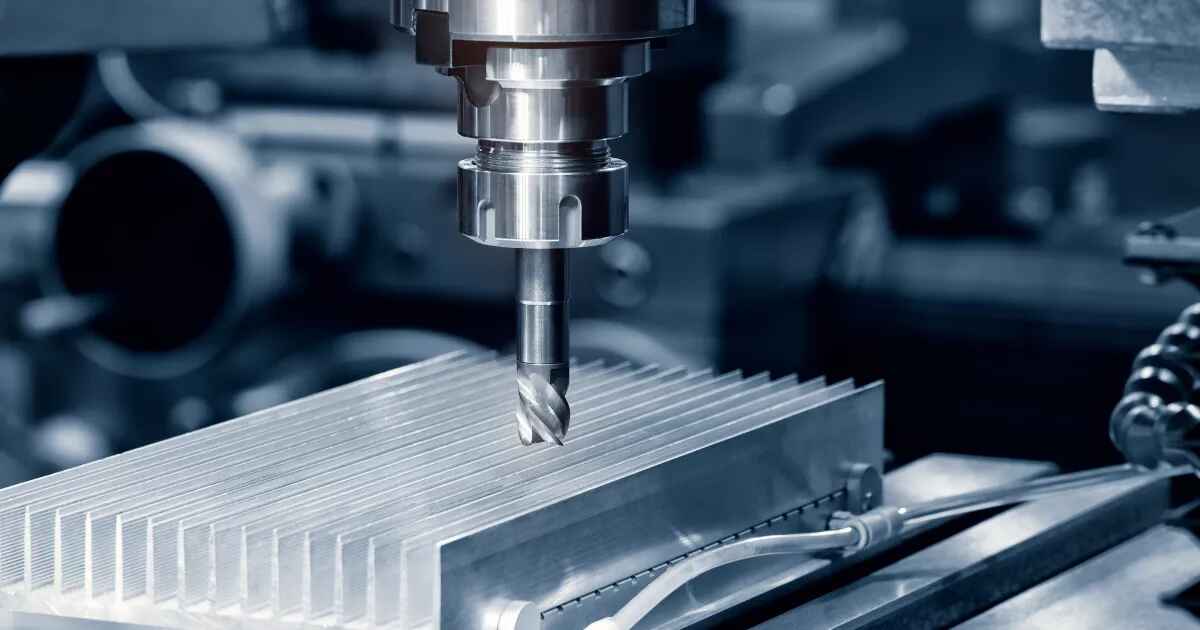
CNC milling is a subtractive manufacturing process that uses computer-controlled rotating cutting tools to remove material from a stationary or controlled workpiece.
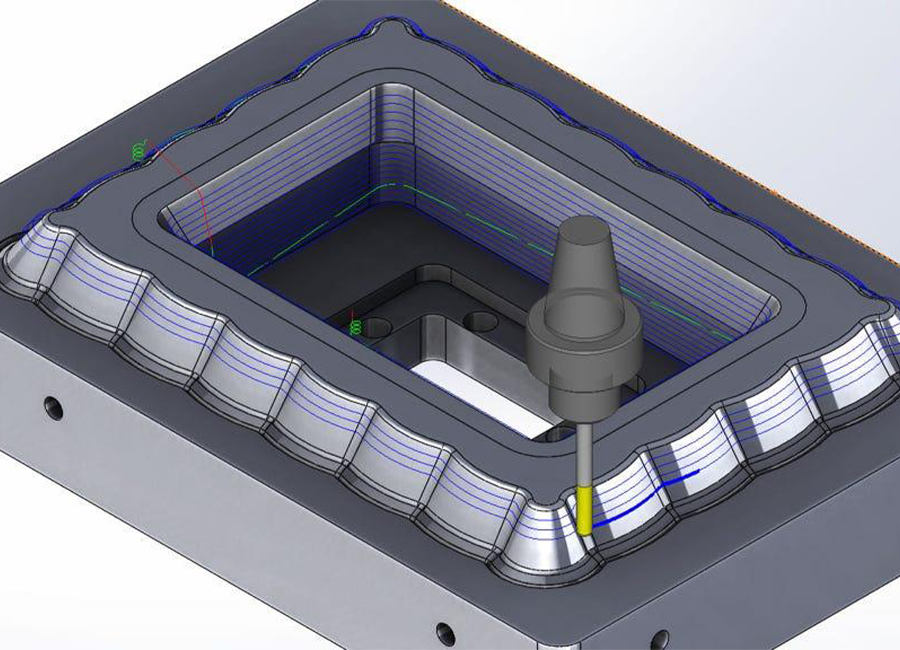
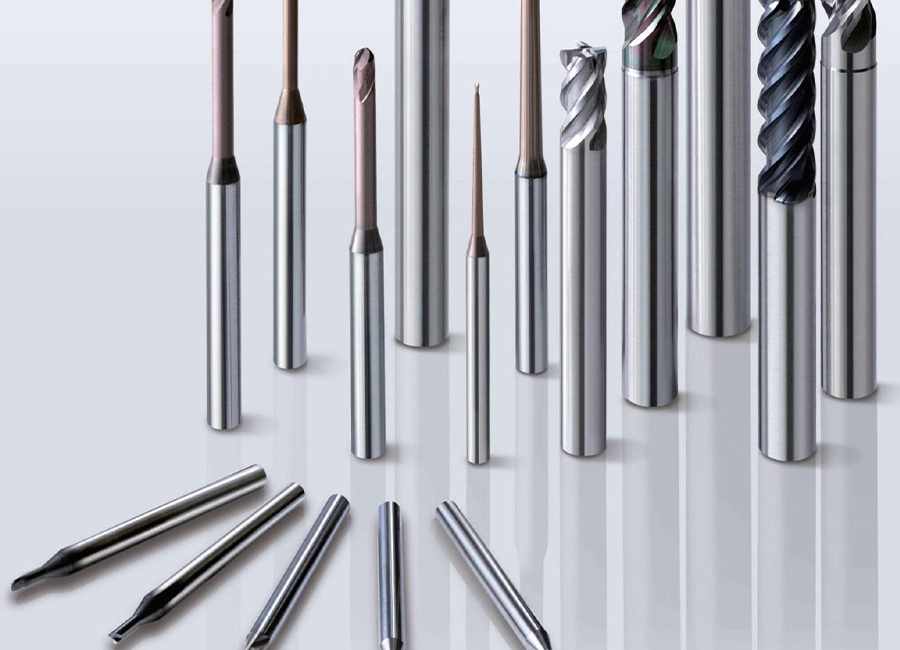
It is efficient for parts requiring:
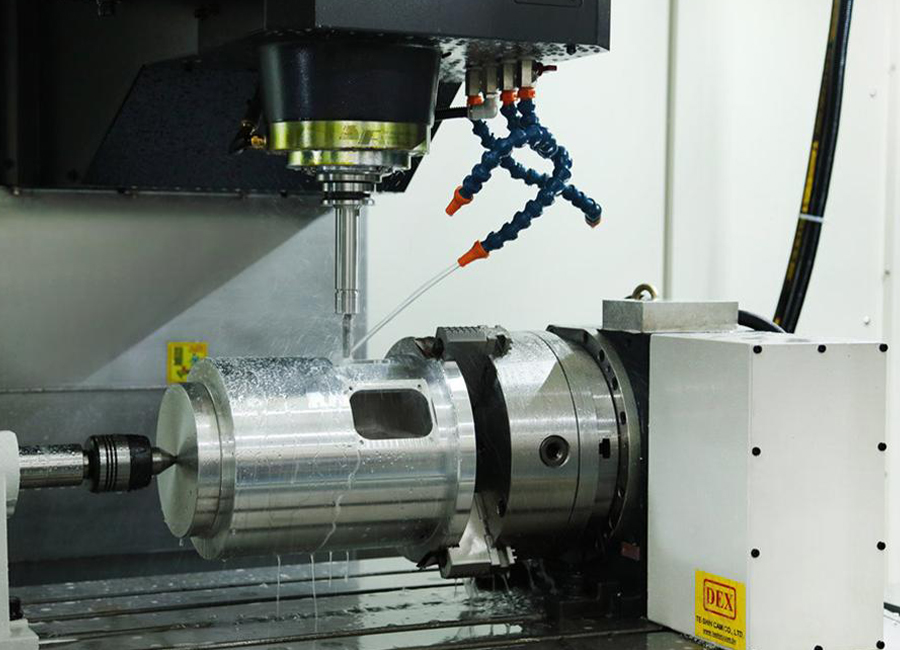
4-axis machining adds rotational movement to the traditional X, Y and Z axes.
This makes it possible to machine features around several sides of a component without manually repositioning the workpiece for every operation.
It is useful for:
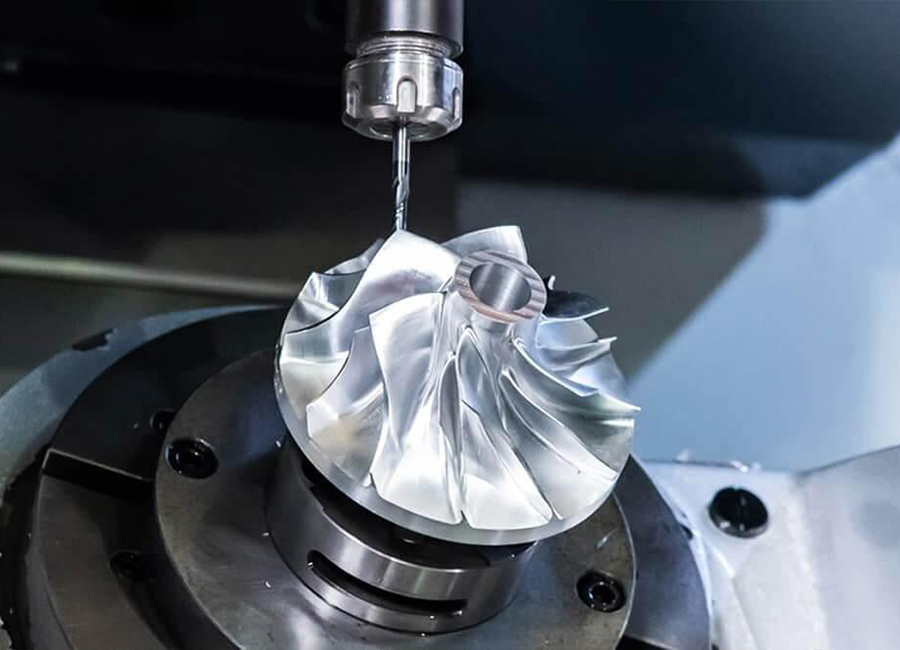
5-axis milling provides three linear axes plus two rotational axes, giving cutting tools access to complex surfaces and multiple sides of a component.
It is particularly useful for:
Reducing the number of setups can also help maintain positional relationships between features located on different faces of a component.
CNC milling can produce a wide variety of functional features within a single custom component.
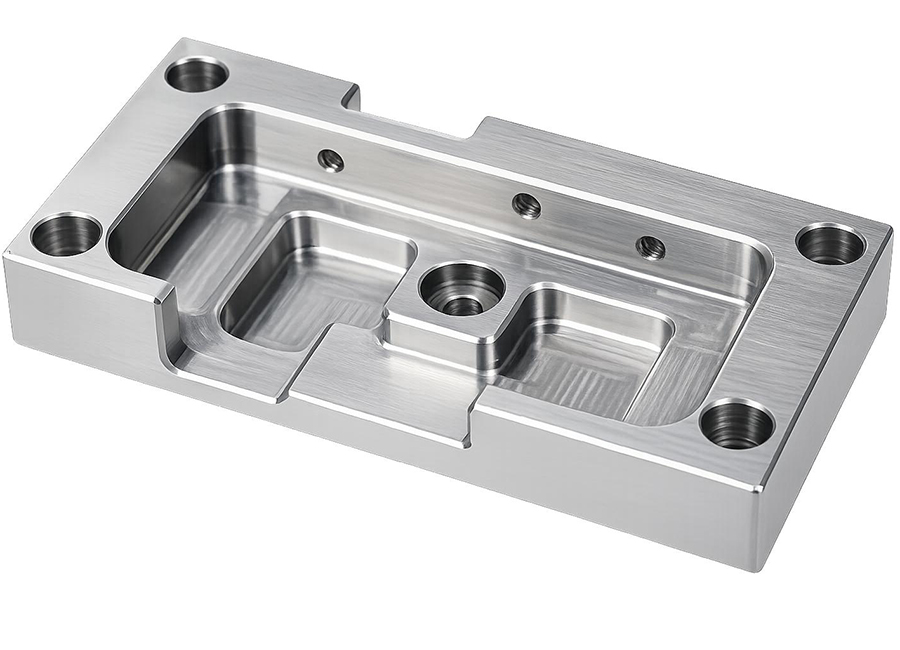
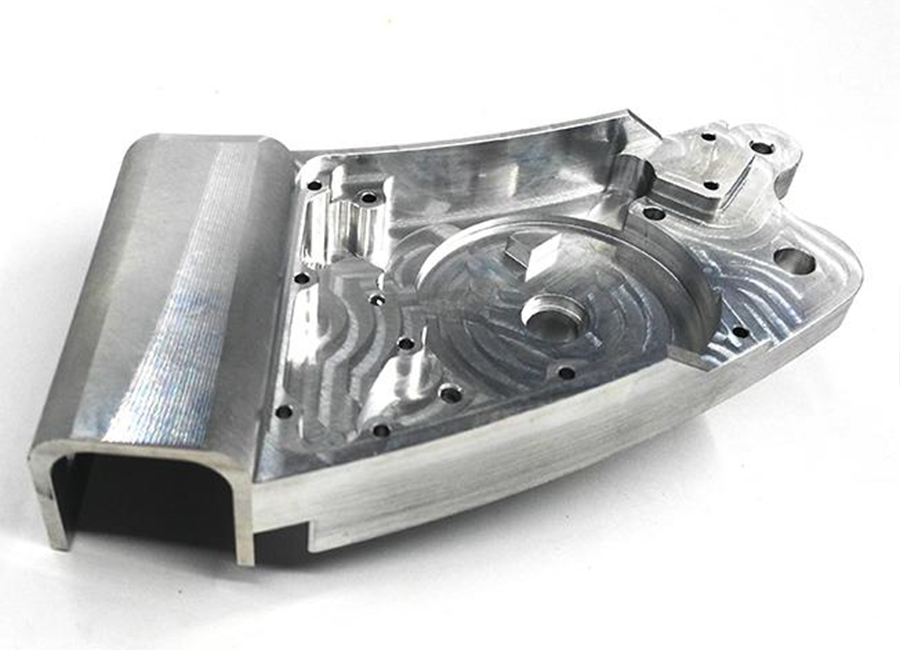
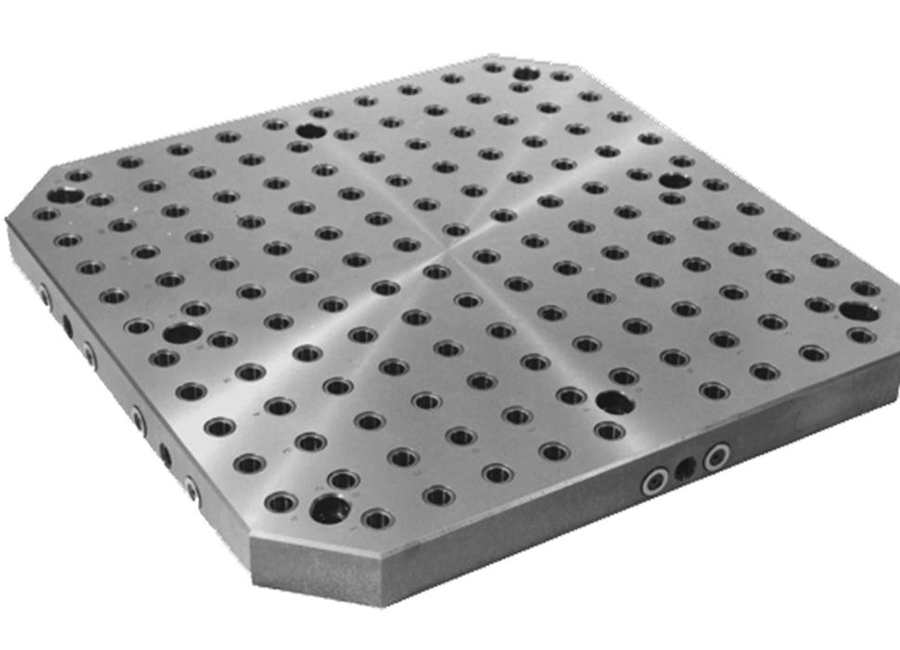
CNC milling works with a broad range of metals and engineering plastics. Material choice affects machinability, strength, dimensional stability, finish, corrosion resistance and total part cost.
Aluminum is a common choice for efficient milling, while stainless steel, alloy steel and titanium fit more demanding mechanical requirements. Engineering plastics can reduce weight or provide insulation, low friction and chemical resistance.
| Aluminum Alloy | Lightweight / machinable |
| Stainless Steel | Corrosion resistant |
| Steel Alloy | Strength / wear |
| Low Carbon Steel | General mechanical |
| Brass | Excellent machinability |
| Copper | Thermal / electrical |
| Titanium | High strength-to-weight |
| Acetal / Delrin | POM |
| Nylon | PA |
| Polycarbonate | PC |
| PTFE / Teflon | Low friction |
| ABS | General purpose |
| Acrylic | PMMA |
| PEI / PET / PPSU | Engineering grades |
Milled parts can be supplied as-machined or combined with secondary finishing to improve appearance, corrosion resistance, wear performance or surface characteristics.
Visible tool paths with edges deburred unless otherwise specified.
Creates a more uniform matte appearance.
Common for aluminum to improve corrosion resistance and appearance.
Harder oxide layer for aluminum parts requiring improved wear performance.
Used on stainless steel to support surface cleanliness and corrosion resistance.
Reduces roughness and improves appearance on selected parts.
Durable protective finish with color and texture choices.
Nickel, zinc and other options can be reviewed by material and application.
General Milling Tolerance
±0.127 mm for many standard metal milling dimensions.
Precision Features
Selected features subject to drawing and inspection review.
Minimum Feature
Actual limit varies with tooling, material and geometry.
Geometry drives machine time, tool reach, setup count, programming effort and inspection complexity.
Make important features accessible from fewer orientations where practical.
Deep cavities can force long tools and slower material removal.
Larger radii enable stronger cutting tools.
Reserve tight requirements for features that affect fit, assembly or function.
Standard tooling can reduce programming and inspection complexity.
A drawing-driven workflow keeps geometry, tool access, tolerance, finish and inspection requirements aligned before material is cut.
CAD files, drawings, material, quantity and finish.
Review geometry, radii, depth and tolerances.
Select an appropriate milling strategy.
Machine with programmed tools and toolpaths.
erify dimensions, holes, threads and GD&T.
Finish, final inspect, pack and deliver.
Critical dimensions and feature relationships should be verified against the approved technical drawing.
Provide a 3D CAD model, material, quantity and finish requirements. Include a 2D drawing for critical tolerances, GD&T, threads and inspection requirements.
Send Nova Precision Manufacturing Co.,Ltd your CAD model, technical drawing, material, quantity, tolerance and surface finish requirements for manufacturing review.