Before You Go, Let’s Talk About Your Parts
Tell us about your part, quantity, and key requirements. Nova Precision Manufacturing Co.,Ltd can help you choose suitable materials and manufacturing processes for your project.

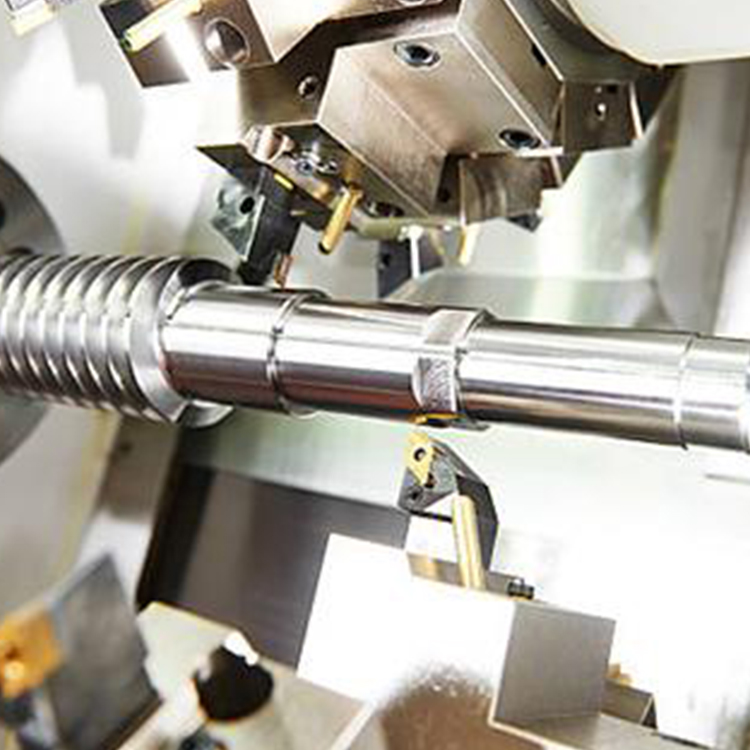
Press fits fail when designers specify a nominal diameter but ignore the tolerance stack behind it. This guide explains how to calculate CNC press fit tolerances, match pins and shafts to bores, use ISO 286 interference fits, and account for material, temperature, surface finish, and inspection.
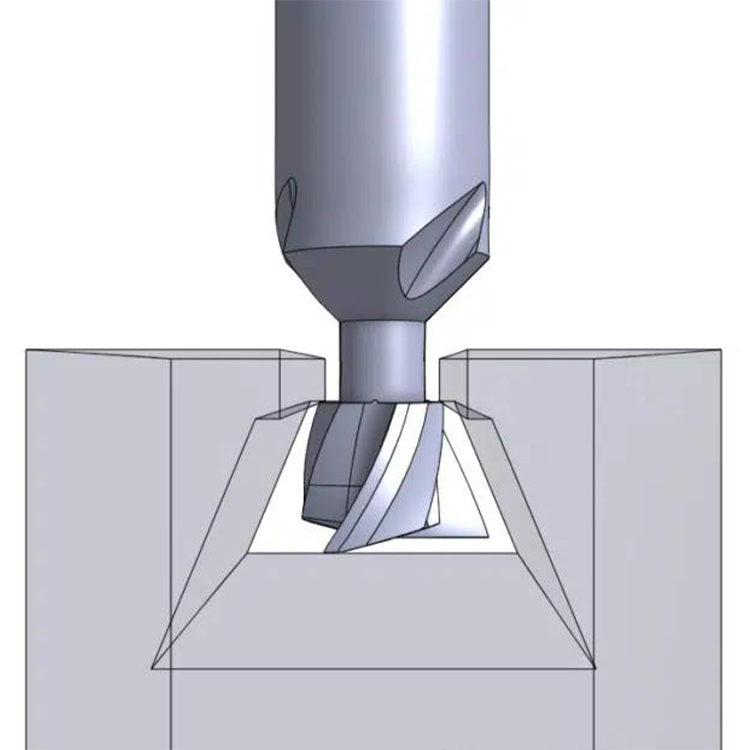
Undercuts look simple in CAD and become expensive on the machine. This guide explains how to design CNC machining undercuts around real cutter access, neck and holder clearance, tool rigidity, setup direction, and 3-axis or 5-axis capability.
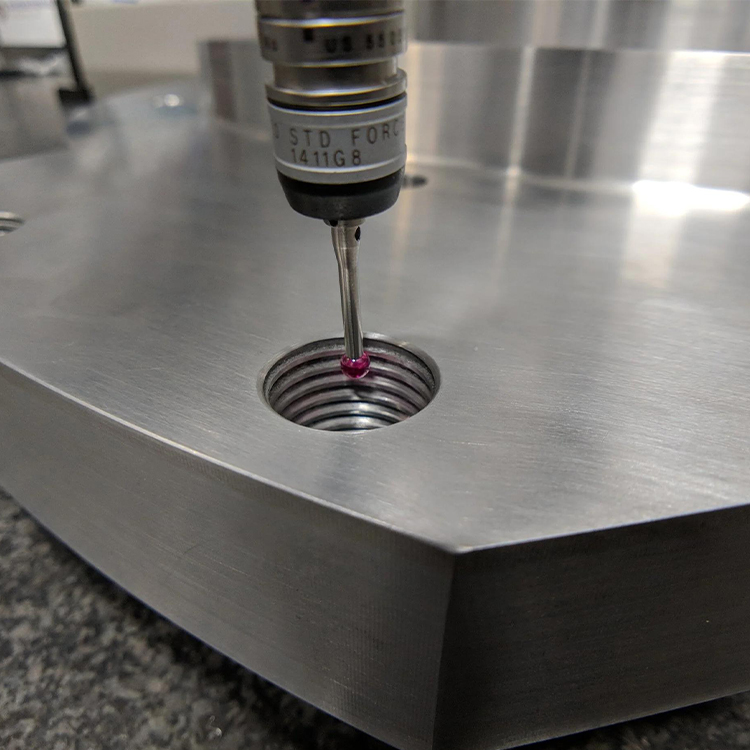
Good CNC thread design is not just a thread size on a drawing. Usable depth, runout, engagement, tolerance class, tool clearance, and inspection method all affect whether a threaded feature can be machined, assembled, and verified without expensive surprises.
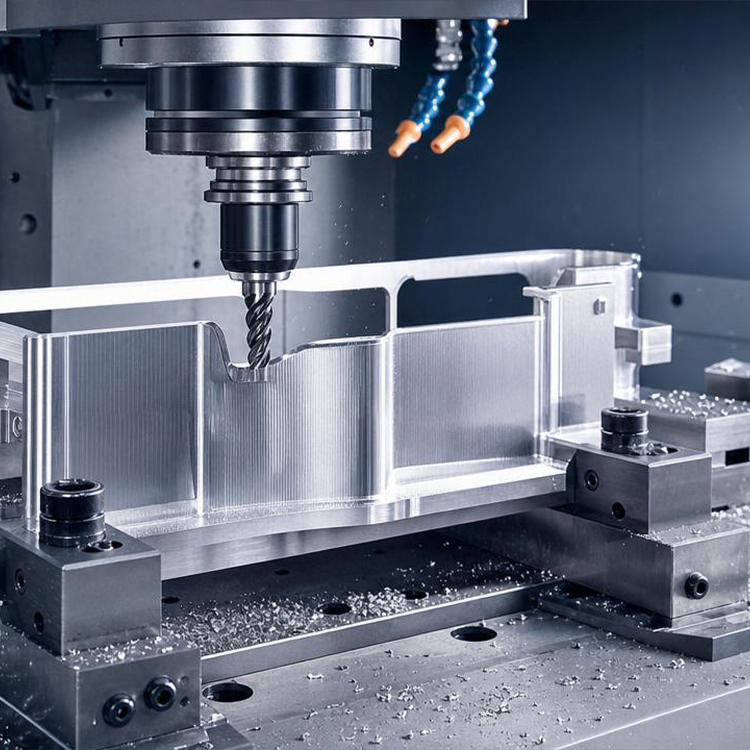
Thin walls can look simple in CAD and become surprisingly unstable on a CNC machine. This guide explains how engineers should specify thin-wall parts so the finished component stays within tolerance after machining, unclamping, inspection, and assembly.
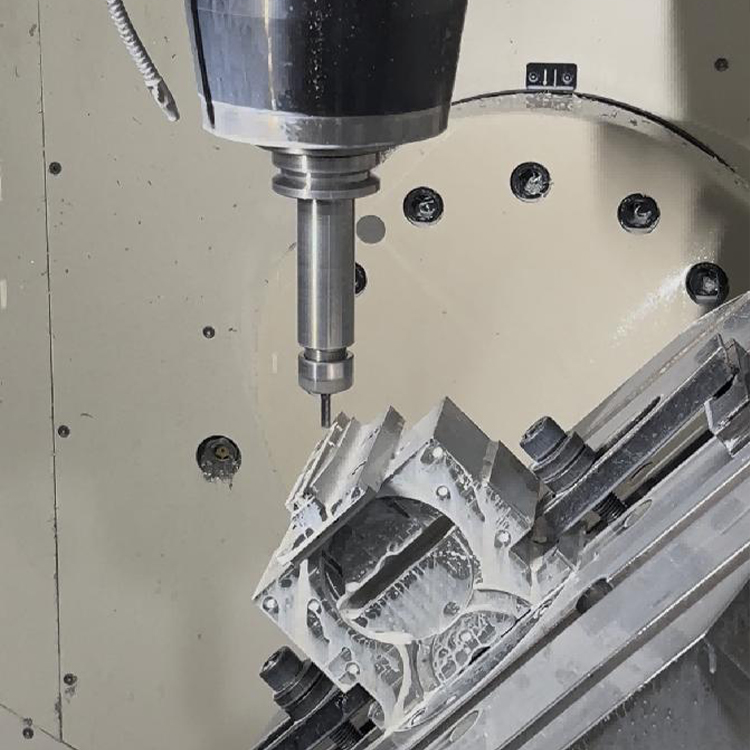
CNC pocket milling gets difficult long before a machine runs out of Z travel. This guide explains practical pocket depth-to-tool-diameter limits, why long-reach end mills fail, and what designers can change before deep pocket machining becomes expensive.
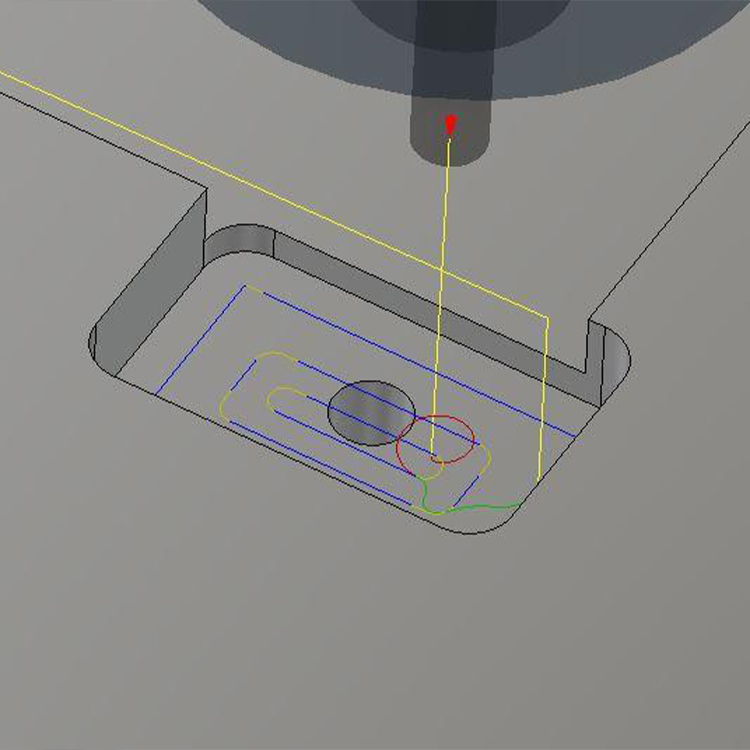
A tiny internal radius can quietly turn an ordinary CNC-milled pocket into a slow, tool-hungry operation. This guide explains how cutter diameter, pocket depth, tool reach, dog-bone reliefs, and material choice affect CNC internal corner radii—and where designers can cut machining cost without sacrificing function.