Before You Go, Let’s Talk About Your Parts
Tell us about your part, quantity, and key requirements. Nova Precision Manufacturing Co.,Ltd can help you choose suitable materials and manufacturing processes for your project.

Compare production-grade metals and engineering plastics for CNC machining, injection molding, sheet metal fabrication, stamping, and die casting. Nova Precision helps confirm the grade, process, finish, and documentation before production.
Explore seven metal families used across precision machining and metal part production. Each material page covers common grades, key properties, process considerations, finishes, and typical applications.
Lightweight, corrosion resistant, and easy to machine for housings, enclosures, brackets, structural parts, and general production components.
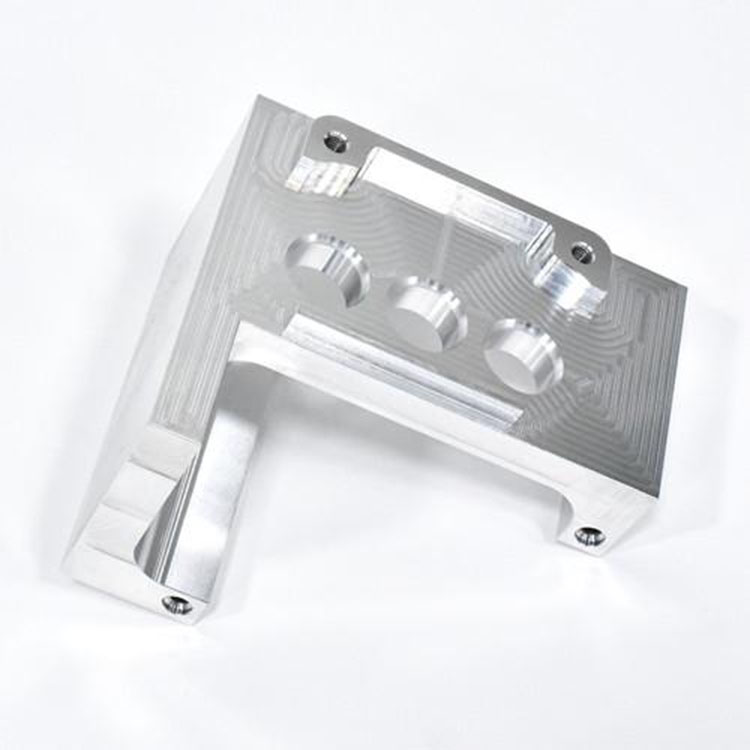
High strength, toughness, and hardenability for shafts, gears, tooling, fixtures, and heavily loaded mechanical components.
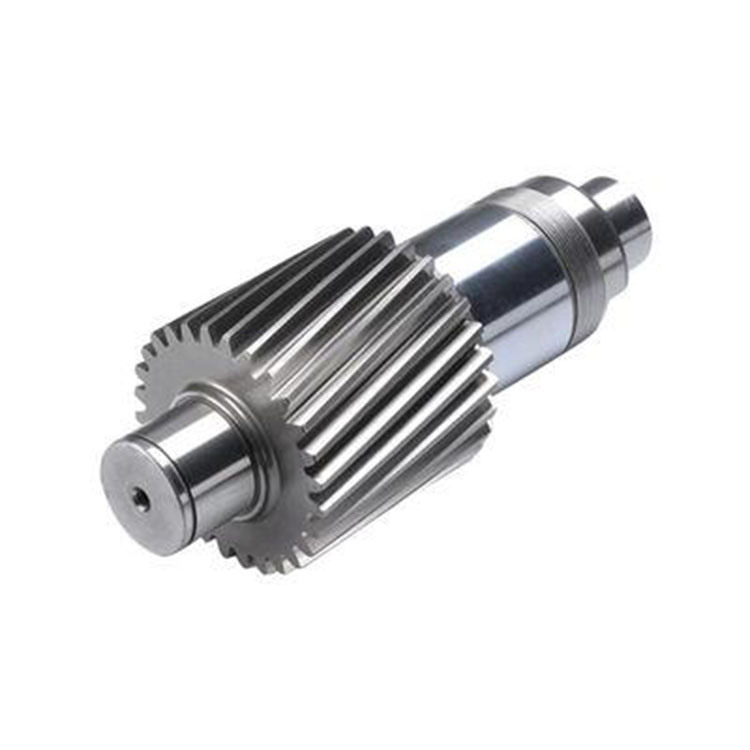
Corrosion resistance, strength, and a clean finish for precision parts used in industrial, marine, food, and medical equipment.
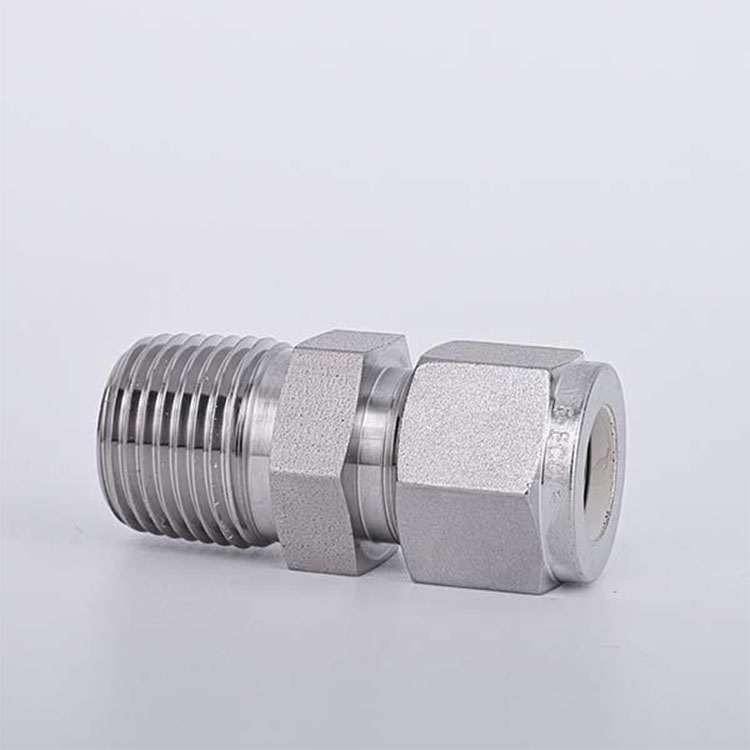
Highly machinable with useful conductivity and an attractive natural finish for fittings, connectors, valves, and precision hardware.
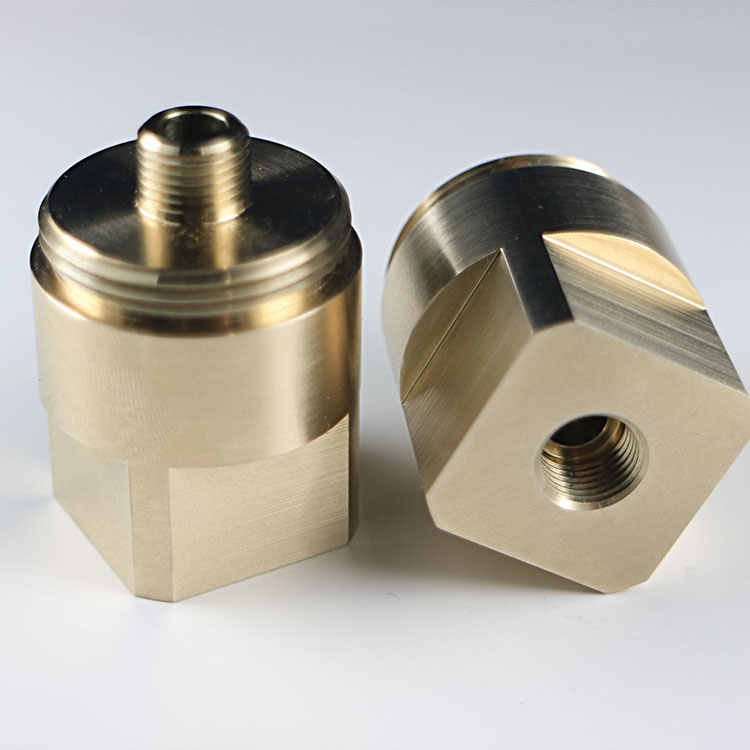
Excellent electrical and thermal conductivity for contacts, busbars, heat-transfer parts, and electronic components.
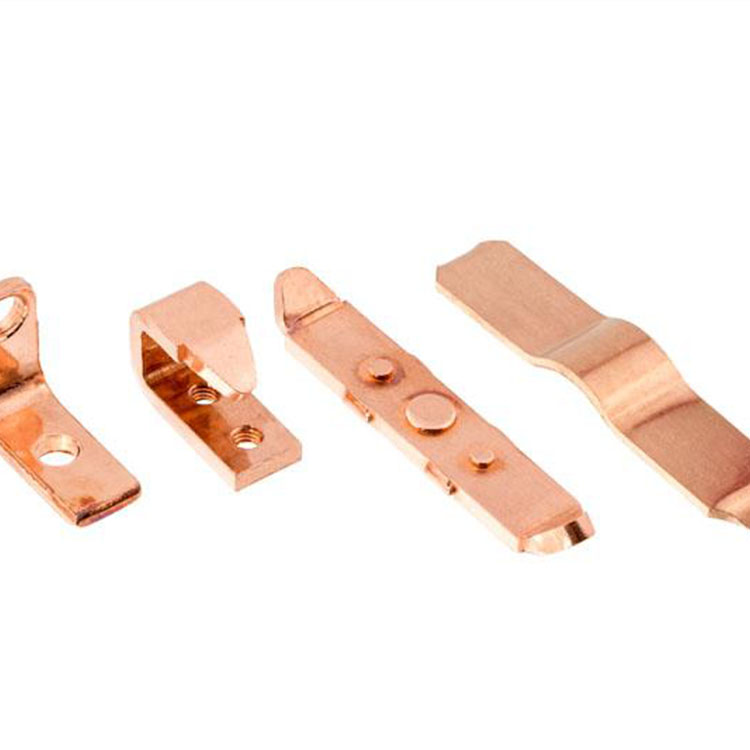
High strength at low weight with excellent corrosion resistance for aerospace, medical, marine, and demanding industrial parts.
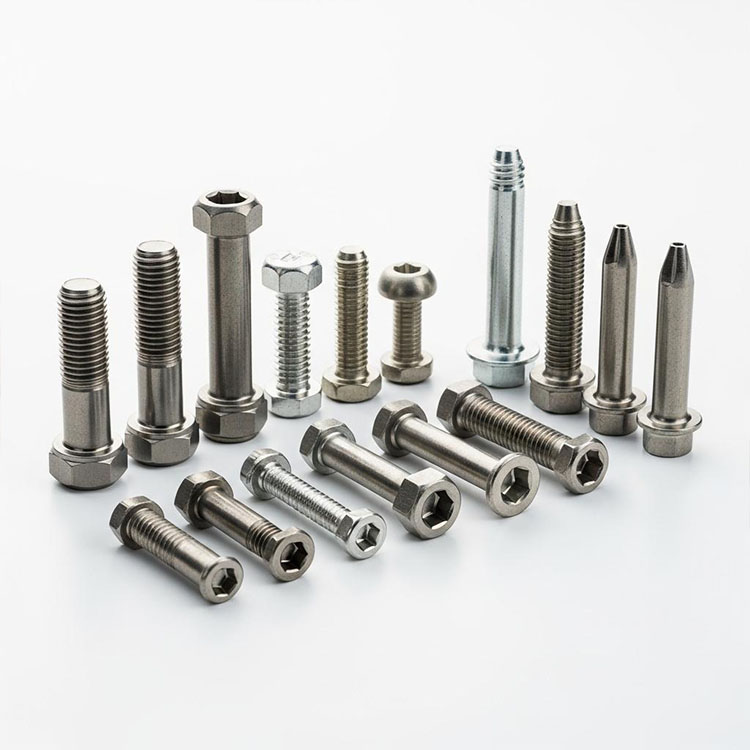
An economical, formable, and weldable option for brackets, panels, frames, stamped parts, and general industrial components.
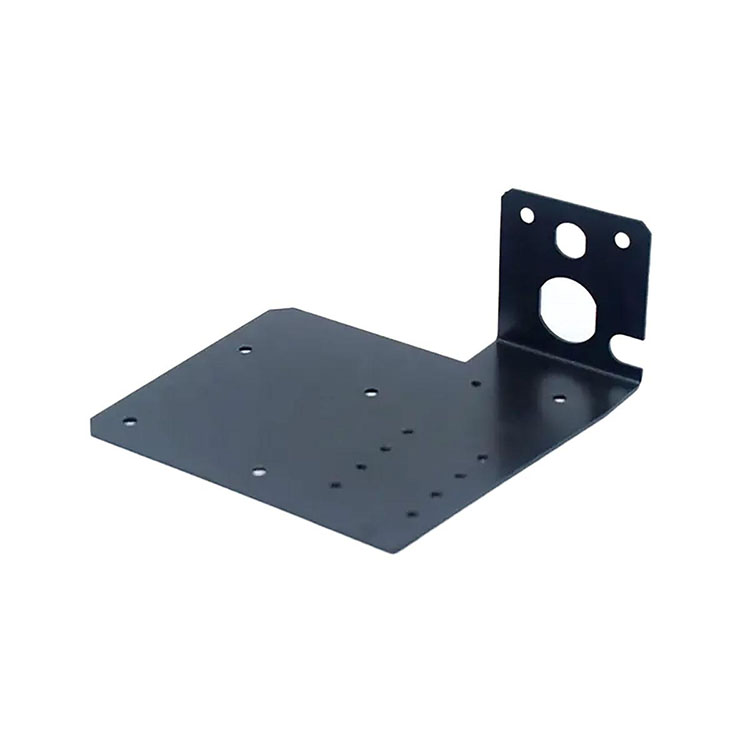
Compare plastics for clear components, low-friction mechanisms, chemical exposure, impact-resistant housings, electrical insulation, and high-temperature applications.
Excellent optical clarity, UV resistance, and polishability for windows, displays, light guides, covers, and decorative components.
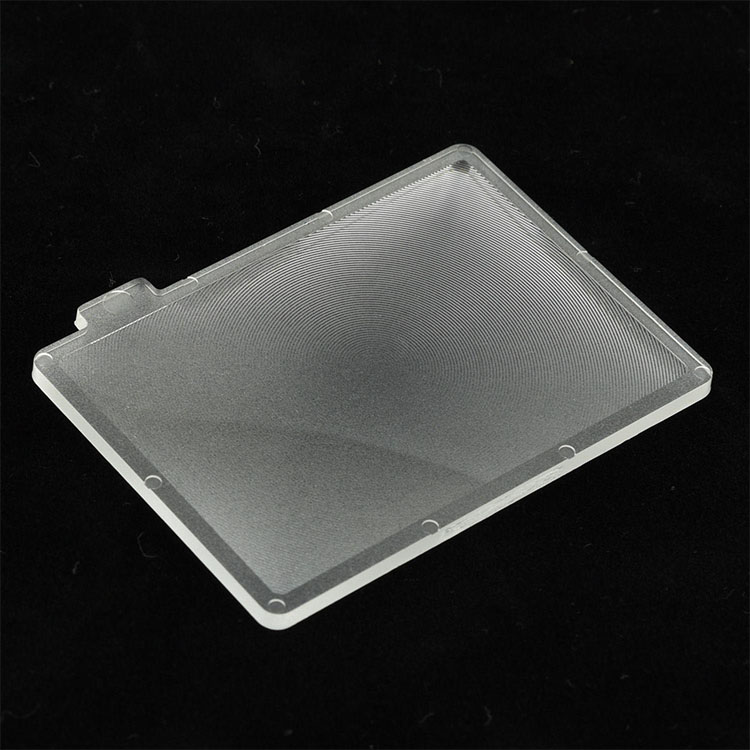
Stiff, dimensionally stable, and low friction for precision gears, guides, bearings, valves, and moving assemblies.
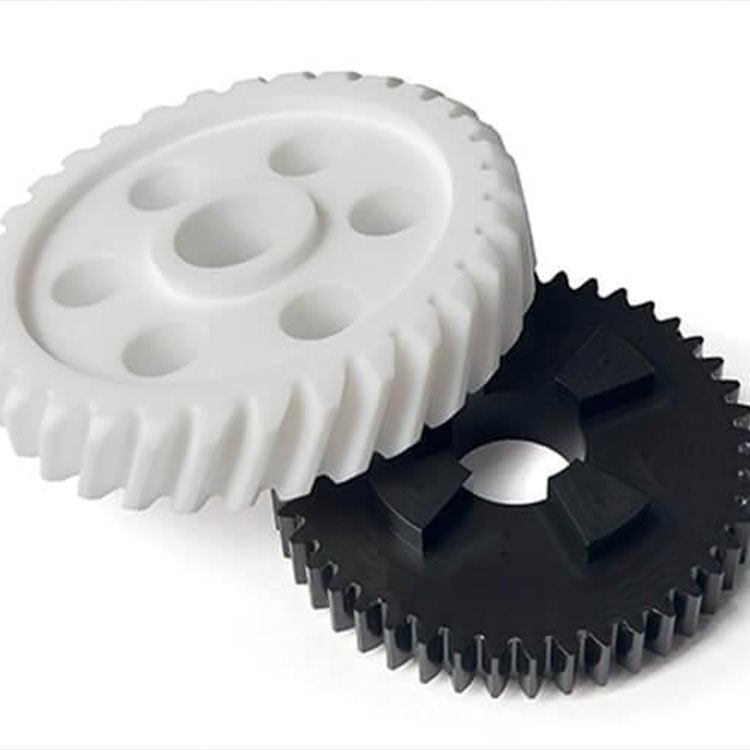
Extremely low friction, broad chemical resistance, and high-temperature capability for seals, liners, gaskets, and electrical insulators.
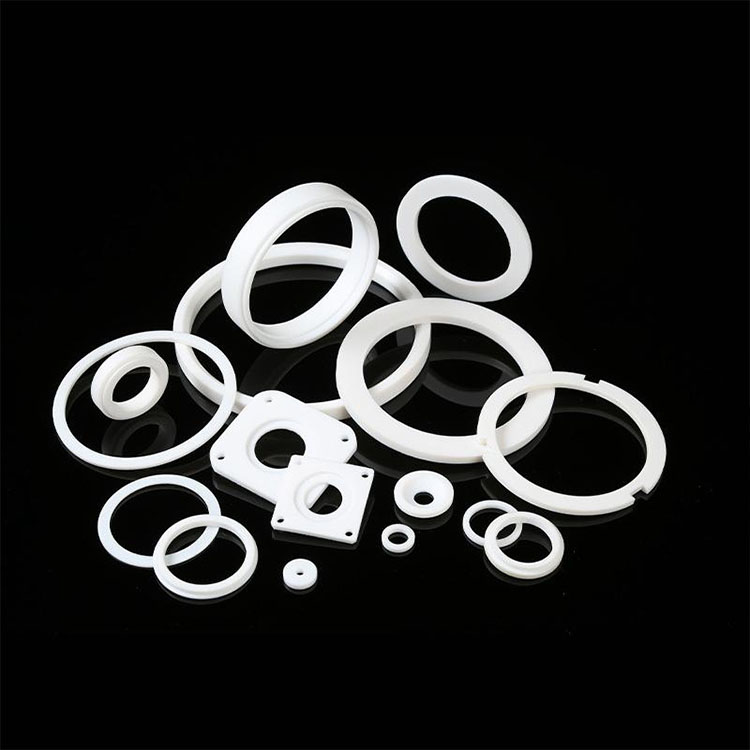
Tough and impact resistant, with transparent grades for guards, lenses, housings, and durable functional parts.
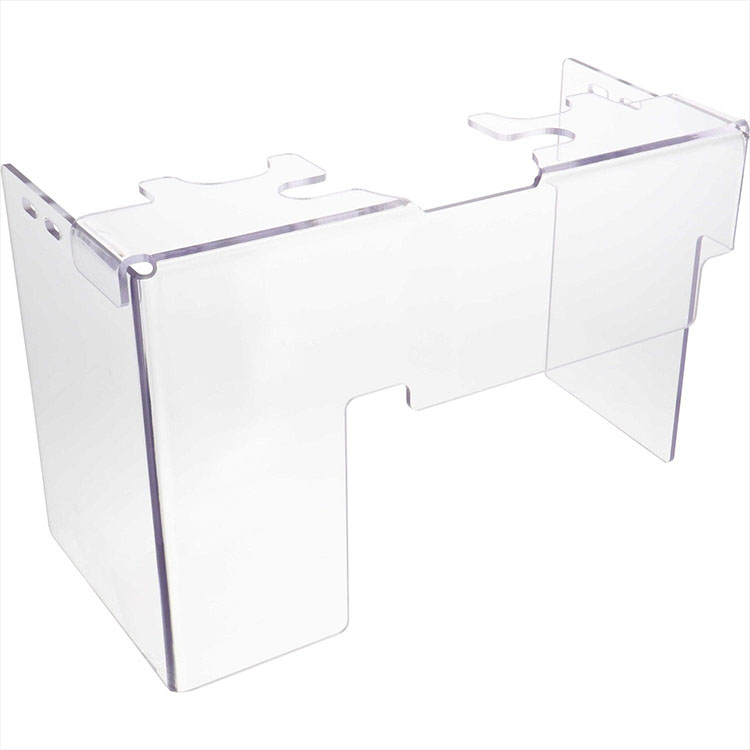
Tough, wear resistant, and fatigue resistant for gears, bushings, clips, brackets, and mechanical components.
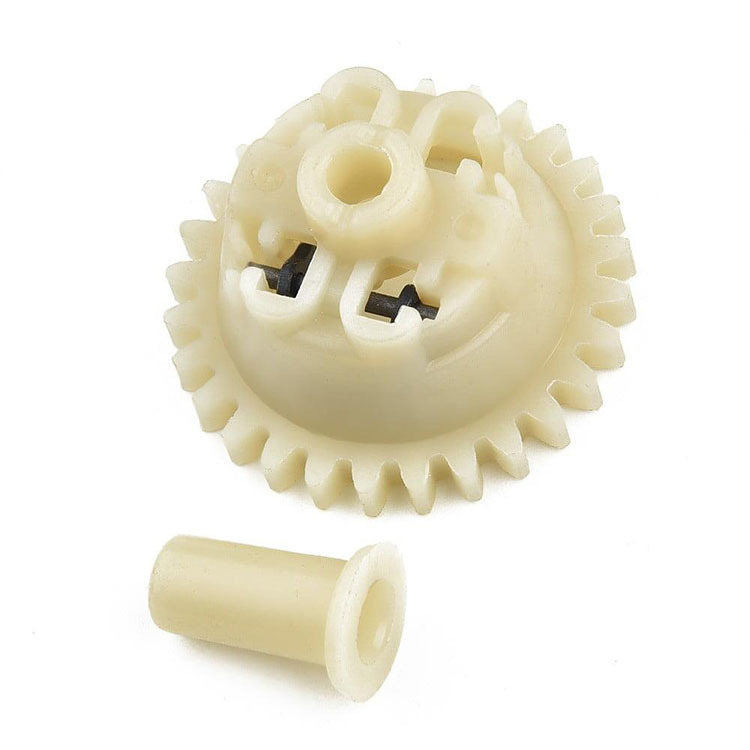
A cost-effective, impact-resistant plastic with good cosmetic potential for housings, covers, controls, and consumer products.
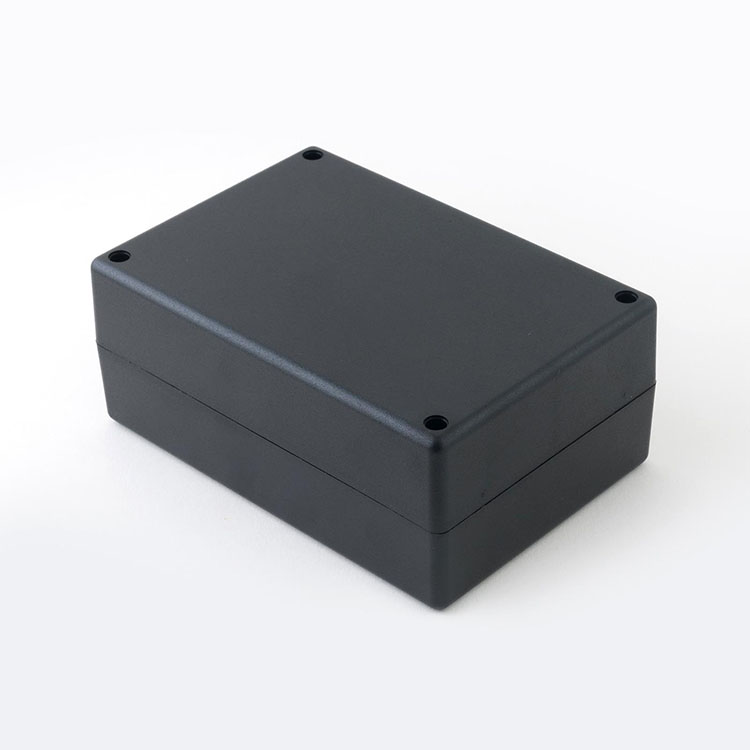
Tough, moisture resistant, and chemically stable for fluid handling, protective parts, guides, tanks, and outdoor components.
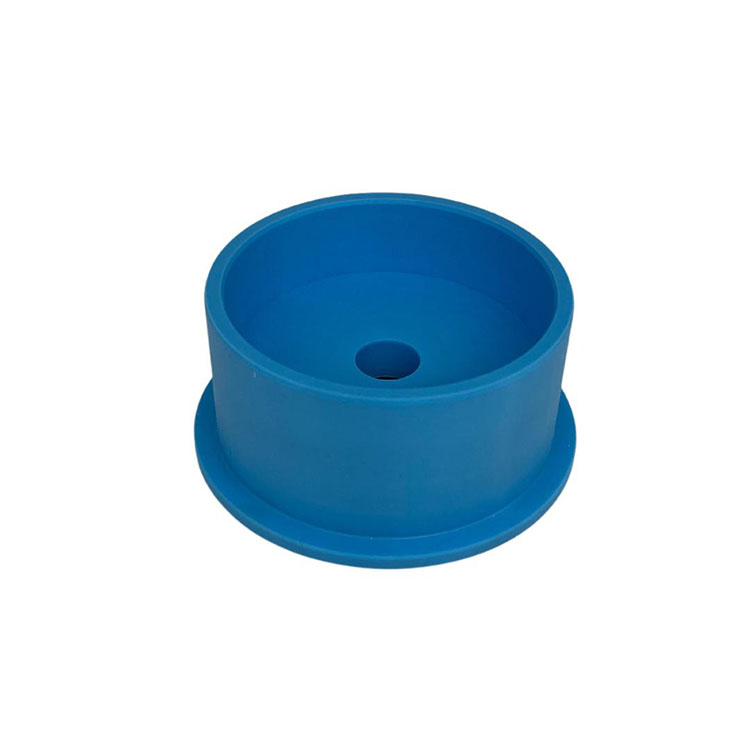
Outstanding abrasion resistance and low friction for wear strips, chain guides, liners, rollers, and material-handling parts.
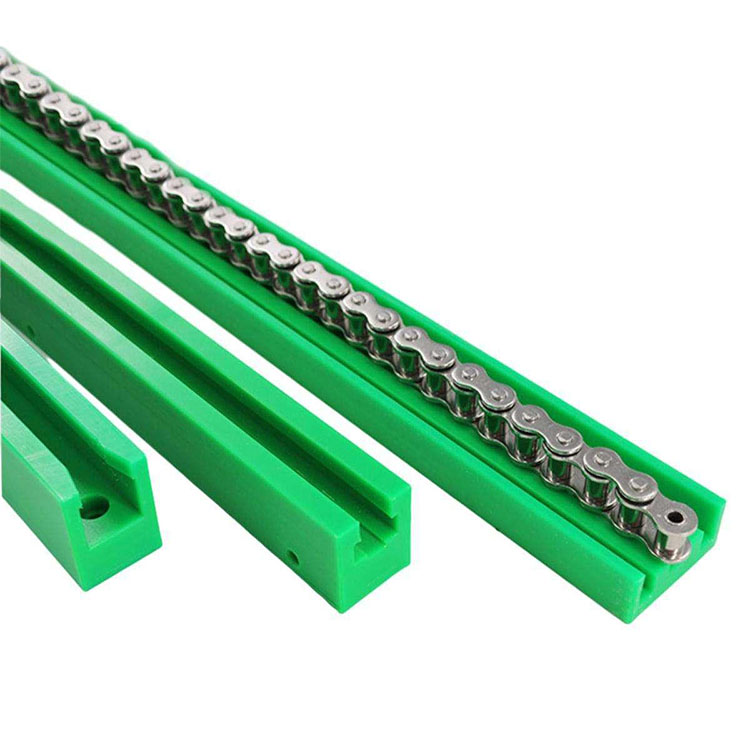
An economical, chemically resistant plastic for valves, manifolds, panels, piping components, and industrial equipment.
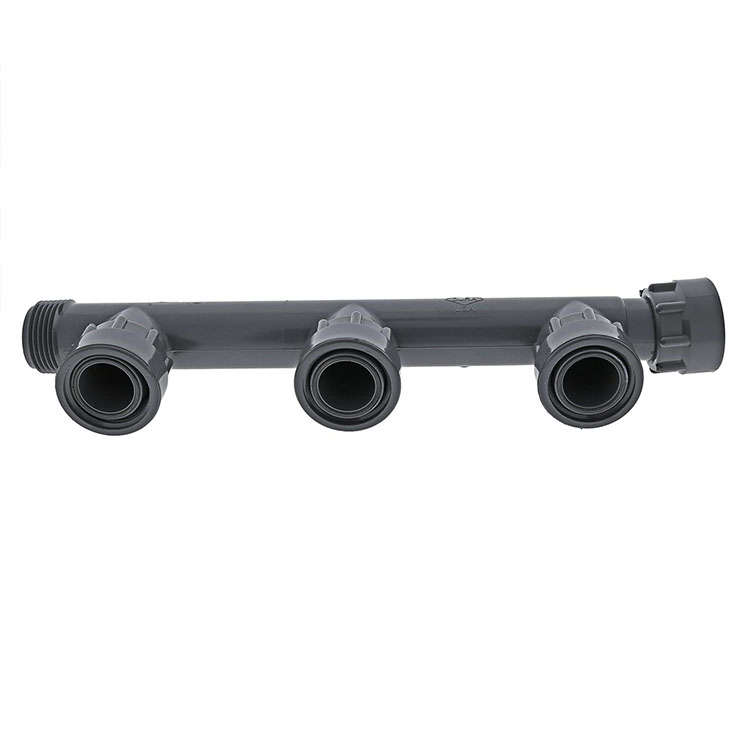
High heat and hydrolysis resistance with strong impact performance for reusable, sterilizable, and fluid-handling components.

Lightweight and chemically resistant, with excellent hinge fatigue for closures, containers, labware, and molded components.
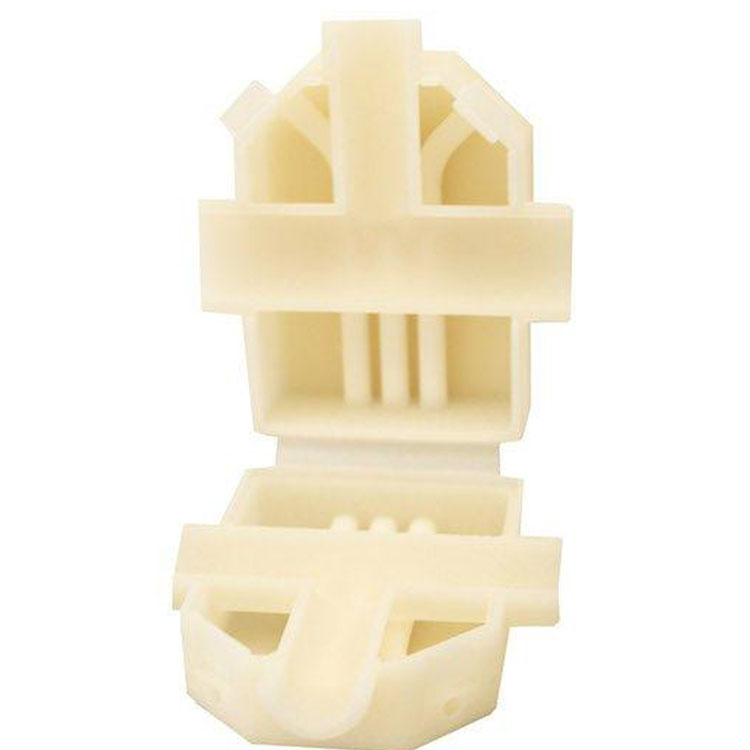
Dimensionally stable with low moisture absorption and useful electrical insulation for housings and fluid-system parts.
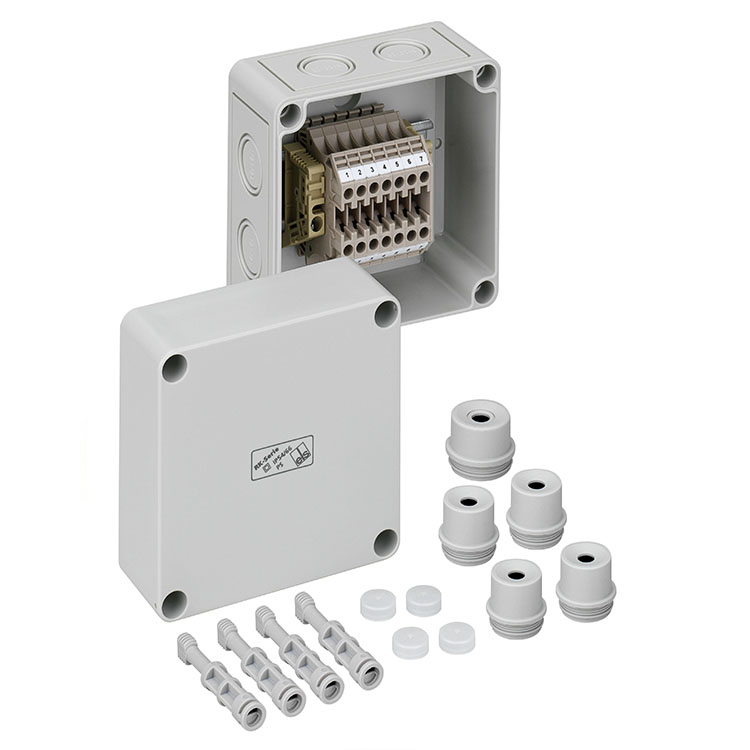
Stiff, wear resistant, and dimensionally stable for precision parts, guides, packaging components, and electrical insulators.
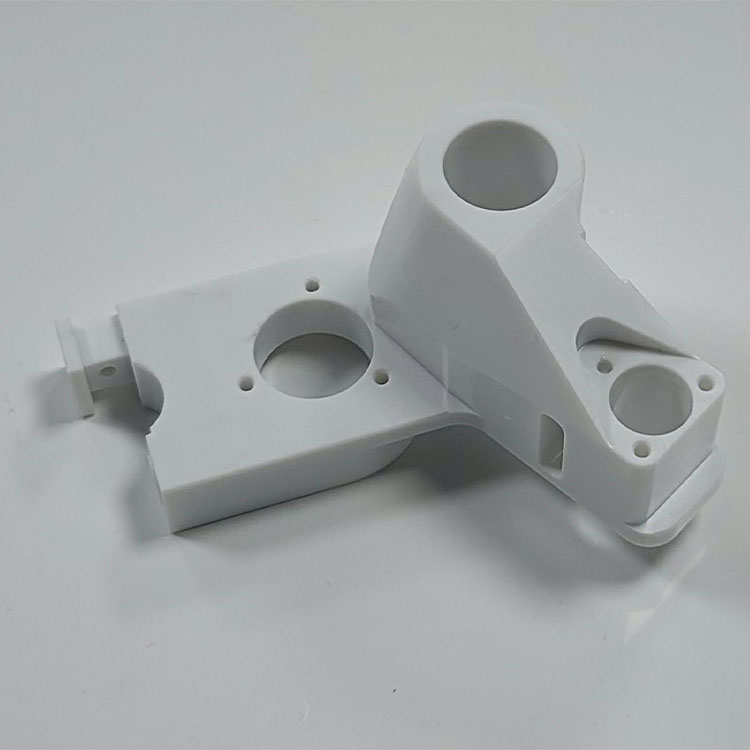
A high-performance thermoplastic with elevated heat capability, stiffness, flame resistance, and dielectric strength.

Material requirements should reference a defined specification, approved grade, and agreed documentation—not only a generic name such as “aluminum” or “engineering plastic.”
Confirm the alloy or resin family, exact grade, temper, color, filler content, stock form, and certificate requirements before procurement and production.
Use the confirmed drawing, specification, finish sample, or approved part to control surface treatment, color, texture, appearance, and permitted variation.
Verify incoming material, inspect critical dimensions and appearance during production, then check finish, quantity, labeling, and packaging before shipment.