Before You Go, Let’s Talk About Your Parts
Tell us about your part, quantity, and key requirements. Nova Precision Manufacturing Co.,Ltd can help you choose suitable materials and manufacturing processes for your project.

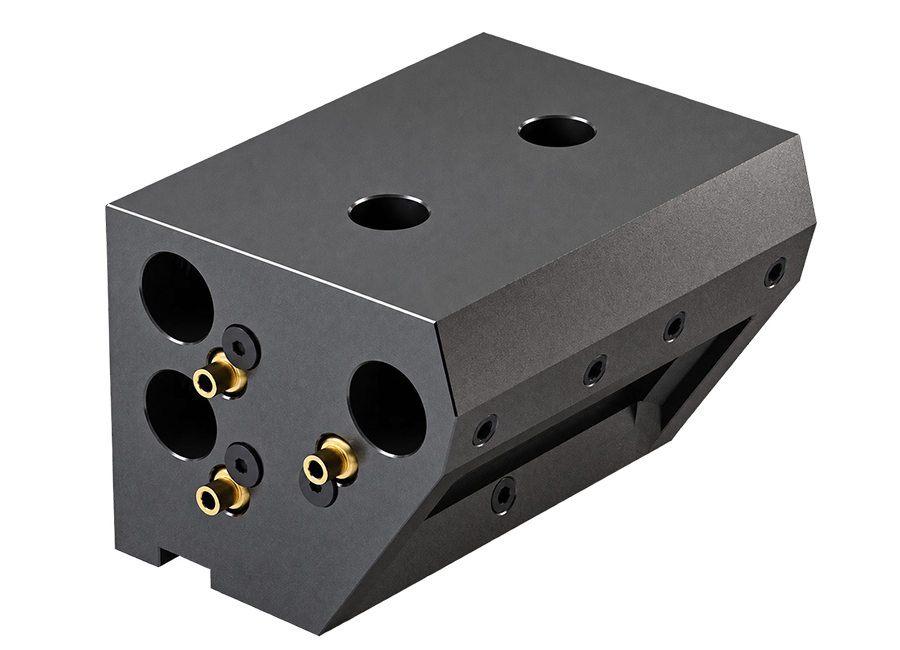
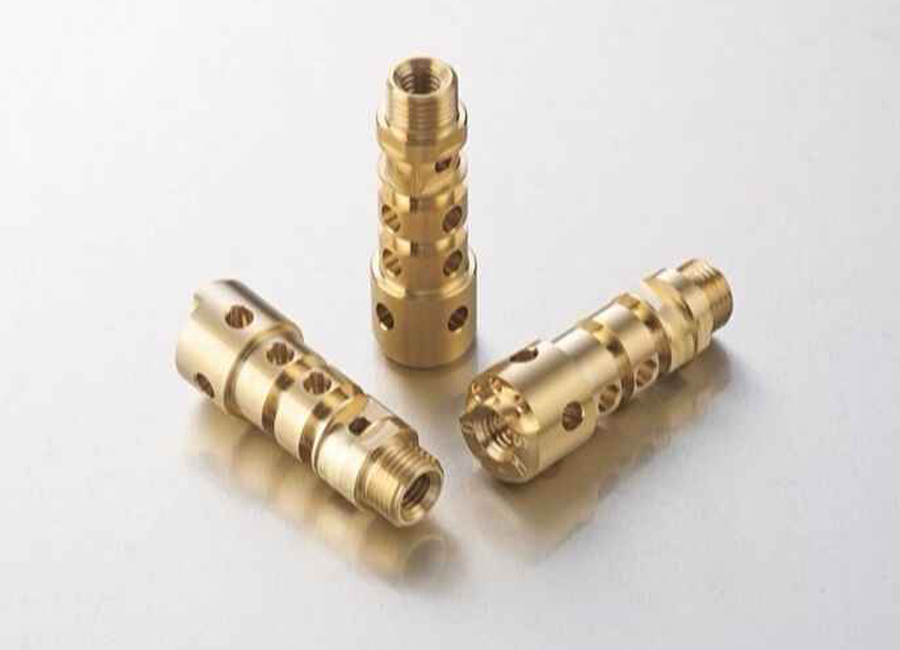
Manufacture accurately positioned holes and precision hole features in custom metal and plastic parts. From through holes and blind holes to tapped holes, counterbores, countersinks, and complex hole patterns, we support prototypes, low-volume production, and repeat manufacturing.
Nova Precision Manufacturing Co.,Ltd provides precision CNC drilling for custom metal and plastic parts across prototype, engineering validation, low-volume, and repeat production applications.
Using computer-controlled positioning and cutting tools, CNC drilling creates accurately located holes according to your CAD model and technical drawing. Hole diameter, depth, spacing, and position can be controlled across individual features or complex multi-hole patterns.
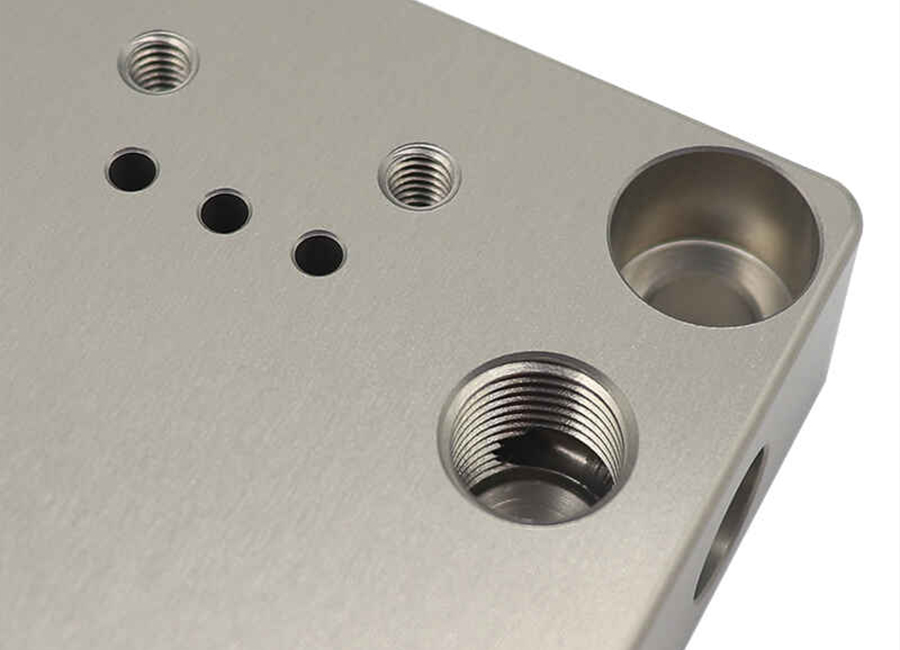
Depending on your design requirements, drilling can be combined with reaming, tapping, boring, countersinking, counterboring, and chamfering to produce finished hole features for fastening, alignment, assembly, or fluid passages.
Our CNC drilling capabilities are suitable for:
CNC drilling provides accurate and repeatable hole production for custom parts with simple or complex hole requirements.
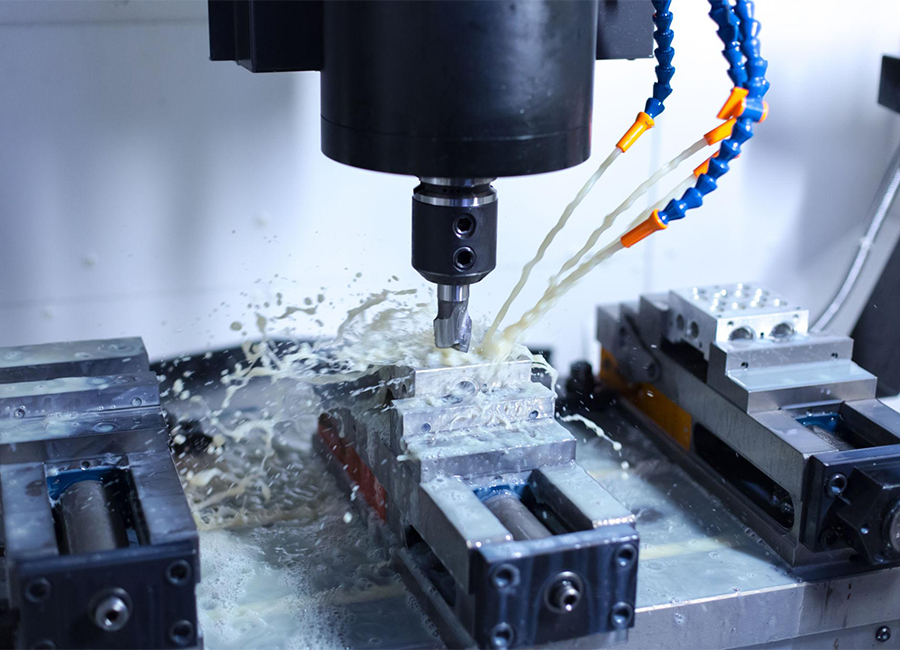
CNC drilling is a computer-controlled machining process used to create accurately positioned holes and related hole features in metal and plastic components.
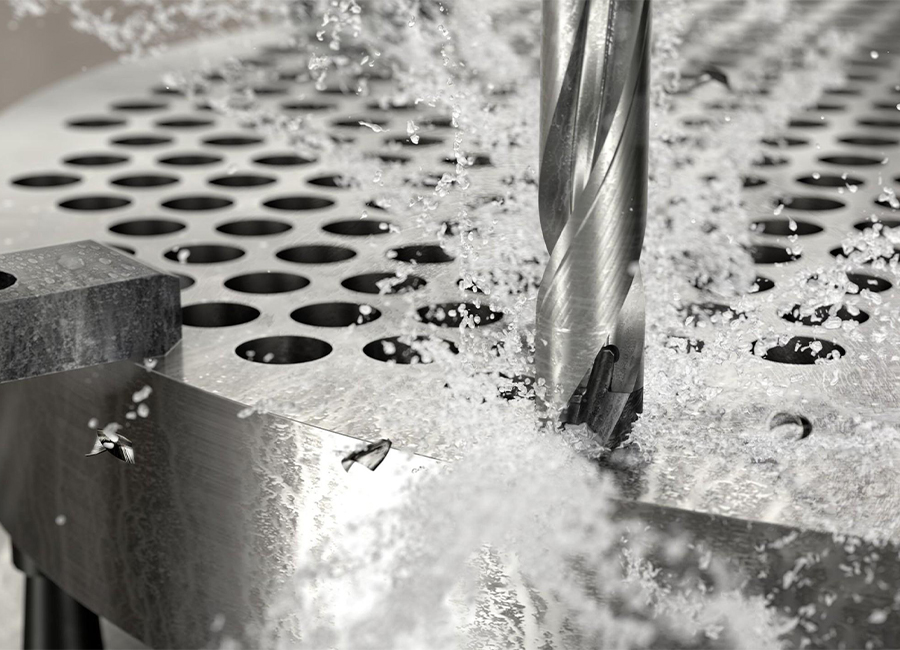
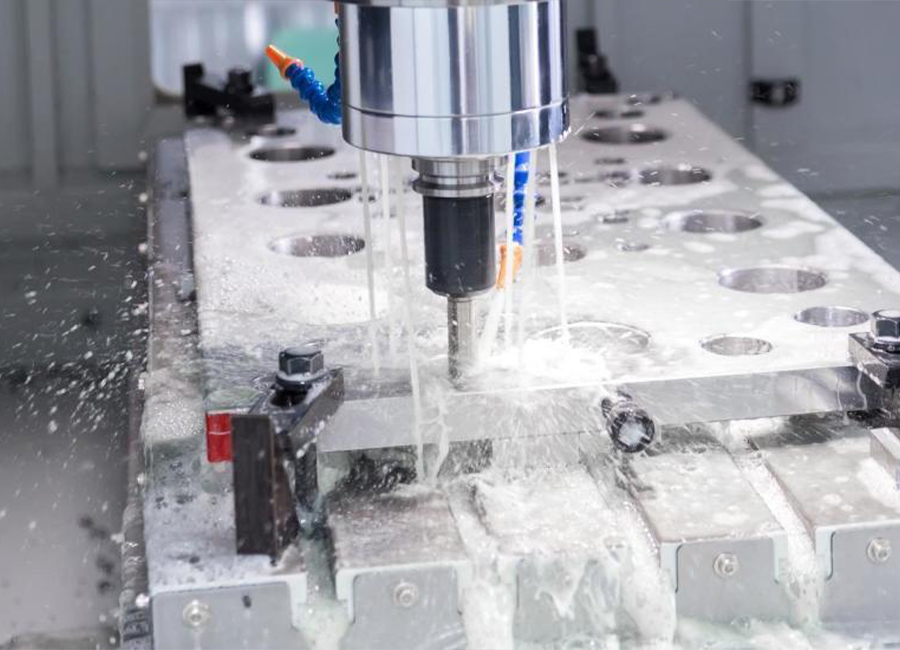
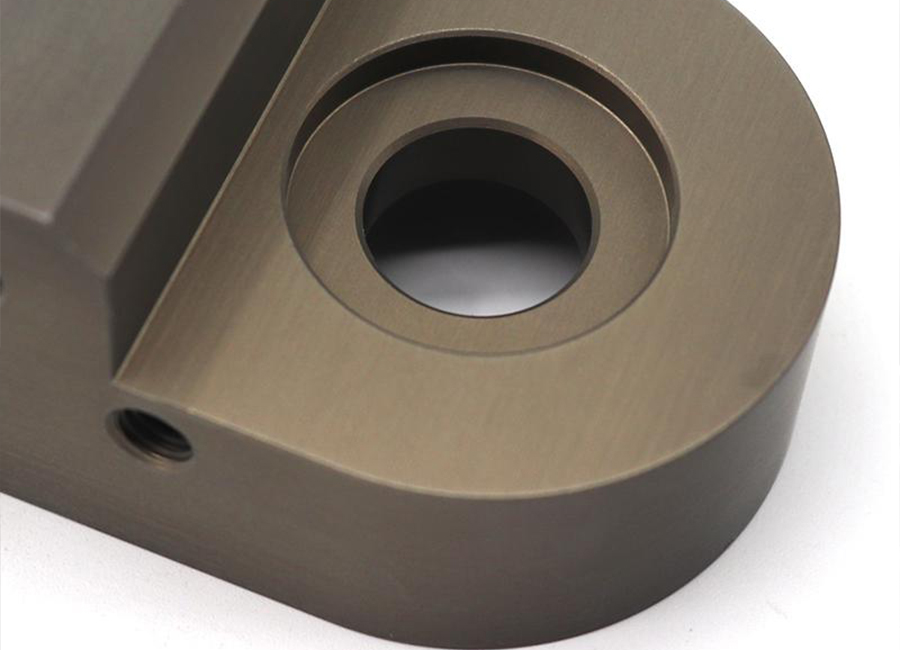
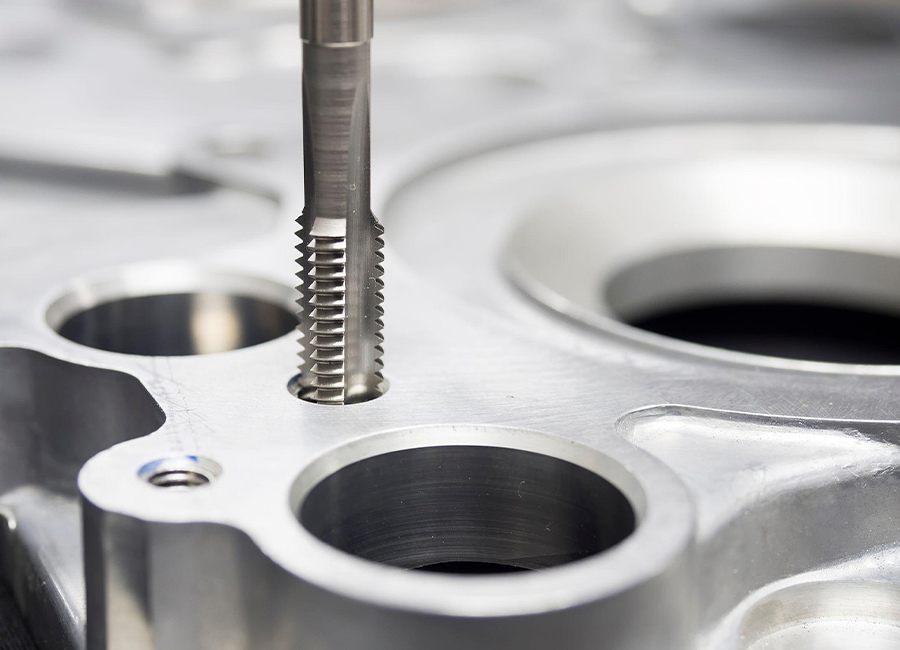
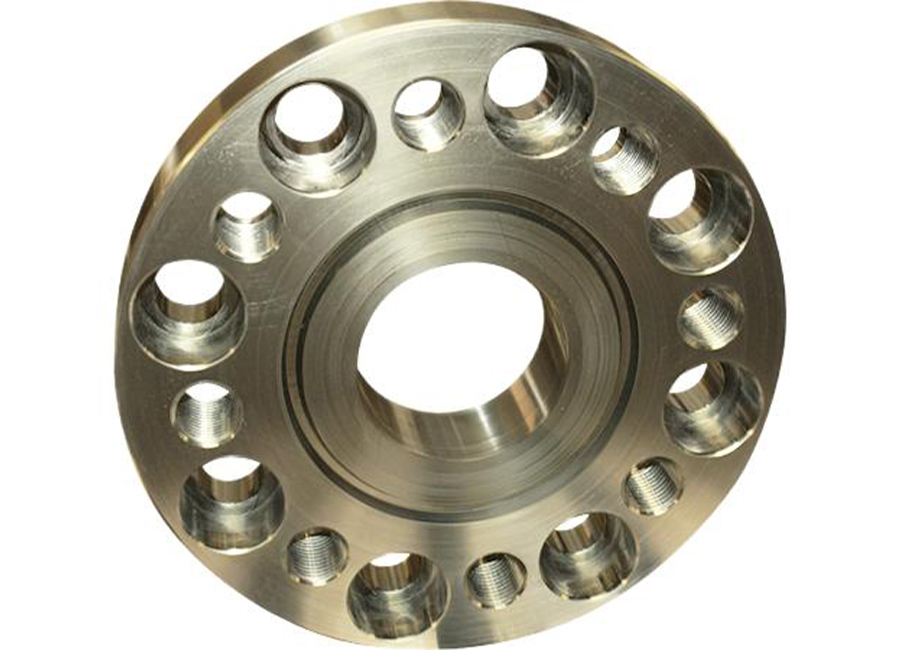
CNC drilling is commonly used for:
A drilled hole does not always meet the final functional requirement by drilling alone.
Additional machining operations can improve hole diameter, fit, thread geometry, fastener seating, or internal surface quality.
Available hole-finishing operations include:
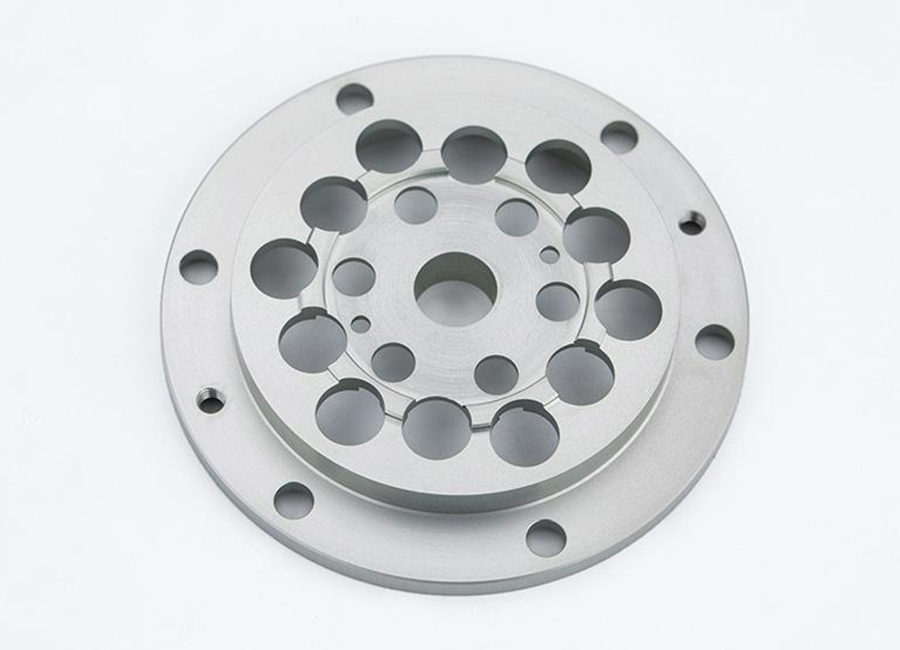
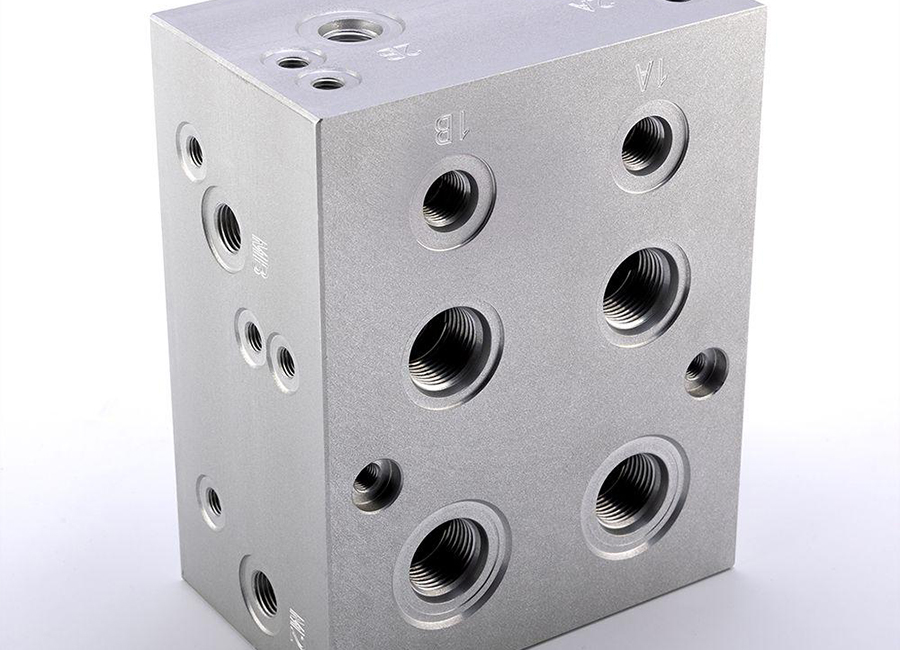
CNC drilling is particularly effective for components that require repeatable round holes with clearly defined positions, diameters, depths, and functional requirements.
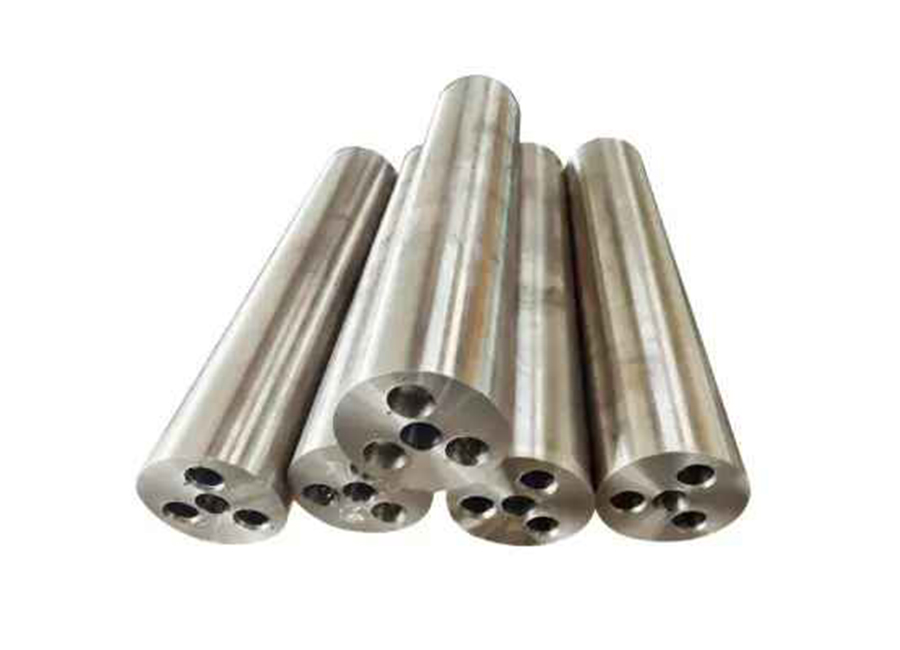
Through holes are generally straightforward to manufacture because the tool can pass completely through the workpiece and chips have a clear exit path.
Blind holes stop at a specified depth and require greater attention to depth control and chip evacuation.
CNC drilling is commonly selected for:
CNC drilling can be performed on a wide range of metals and engineering plastics. Material selection affects drill geometry, cutting speed, chip evacuation, heat generation, burr formation, and achievable hole quality.
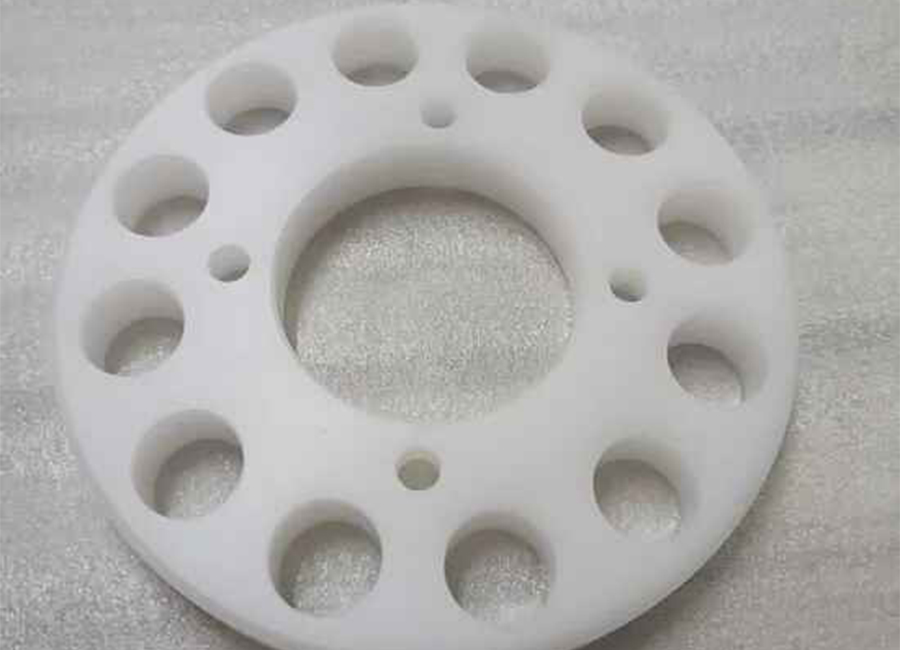
We also drill engineering plastics including Nylon, PTFE, Polycarbonate, ABS, Acrylic, HDPE, UHMW, PVC, PPSU, PP, PET, and PEI.
Aluminum and brass generally provide good machinability and efficient chip formation, while stainless steel, alloy steel, and titanium require greater attention to cutting parameters, tool wear, heat, and chip evacuation. Engineering plastics may require controlled drilling conditions to reduce melting, deformation, or burrs around the hole.
The right material and drilling strategy depend on hole diameter, depth, tolerance, position, part geometry, and application requirements. Send us your CAD files and technical drawings, and our team can help evaluate an appropriate material and hole-machining approach for your project.
Standard Hole Tolerance
Precision / Reamed Holes
Hole Depth Tolerance
Final hole capability is feature-specific. Diameter tolerance alone does not define whether a hole will function correctly.
A structured CNC drilling workflow keeps hole position, diameter, depth, threads, tolerances, and inspection requirements aligned from design review through final delivery.
Send your 3D CAD model and 2D technical drawing with material, quantity, hole dimensions, tolerances, and finishing requirements.
We review hole diameter, depth, position, through or blind condition, threads, counterbores, countersinks, and critical tolerance requirements.
Tooling, workholding, drilling sequence, cutting parameters, and any required reaming, tapping, boring, or hole-finishing operations are planned.
The CNC machine automatically positions each hole and performs programmed drilling operations with controlled speed, feed, and depth.
Hole diameter, depth, position, spacing, threads, and specified GD&T requirements are verified using appropriate inspection methods.
Completed parts are deburred, finished as required, final-inspected, packed, and prepared for shipment.
Quality control for CNC drilled parts focuses on the hole characteristics that determine alignment, fastening, assembly, and fit. Critical hole diameter, depth, position, threads, and GD&T requirements should be verified against the approved technical drawing.
Send Nova Precision Manufacturing Co.,Ltd your CAD model, technical drawing, material, quantity, hole specifications, tolerances, thread requirements, and surface finish requirements for manufacturing review.