Before You Go, Let’s Talk About Your Parts
Tell us about your part, quantity, and key requirements. Nova Precision Manufacturing Co.,Ltd can help you choose suitable materials and manufacturing processes for your project.

Scale production-ready plastic parts with tooling and molding strategies built around repeatability, output, quality control, and long-term part economics.
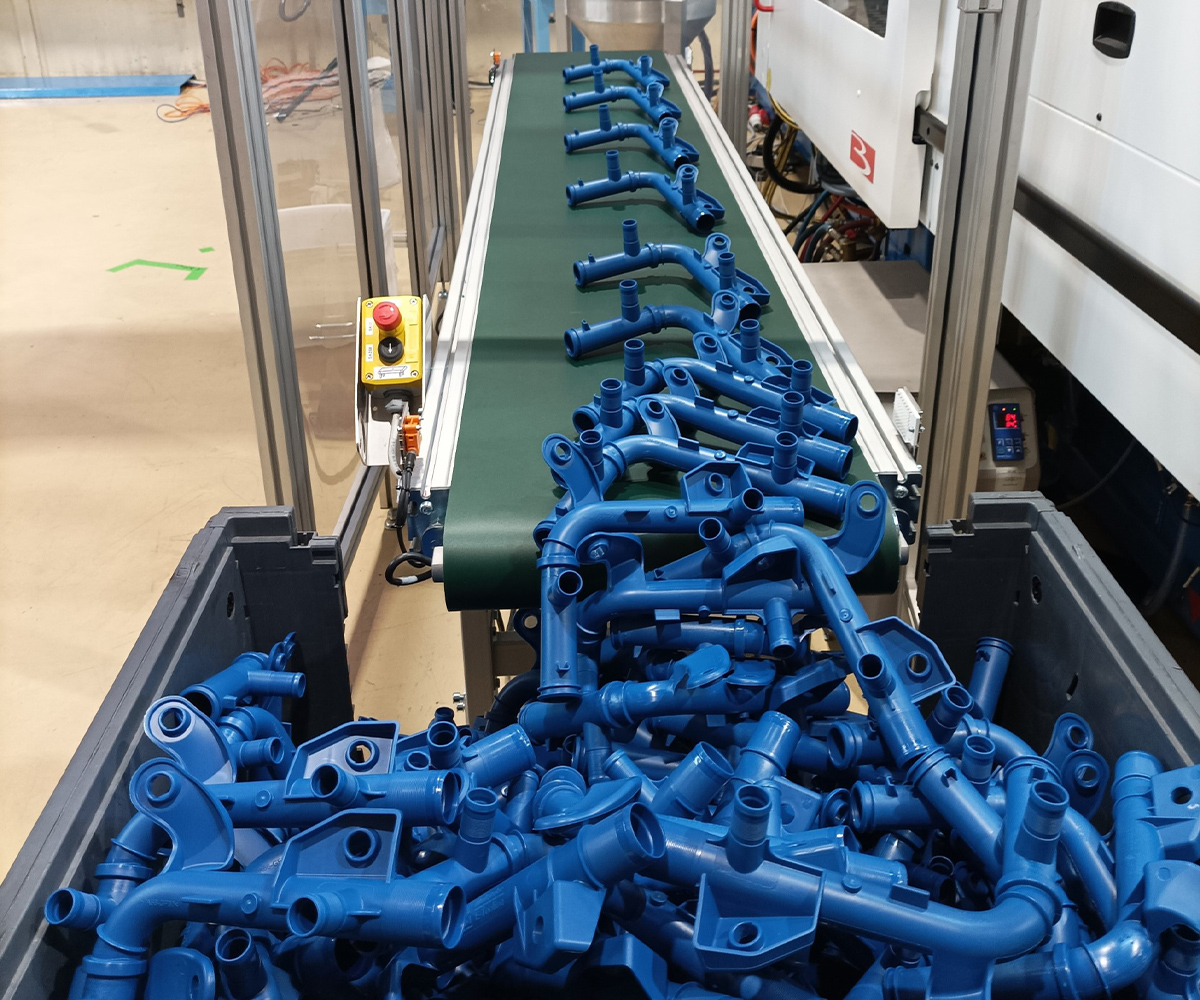
A successful production molding program is not defined by producing one acceptable batch. The real challenge is maintaining the approved geometry, material, appearance, functional requirements, and critical dimensions as the same part is manufactured across repeated production runs.
At Nova Precision Manufacturing Co.,Ltd, production molding is evaluated around the complete manufacturing program: expected demand, tooling capability, cavity strategy, molding consistency, inspection requirements, mold maintenance, packaging, and future repeat orders. These factors help turn a validated part into a controlled and sustainable production supply.
Production molding is built around sustained output, stable quality, and repeat manufacturing. Tooling, process control, inspection, maintenance, and supply planning all contribute to long-term production performance.
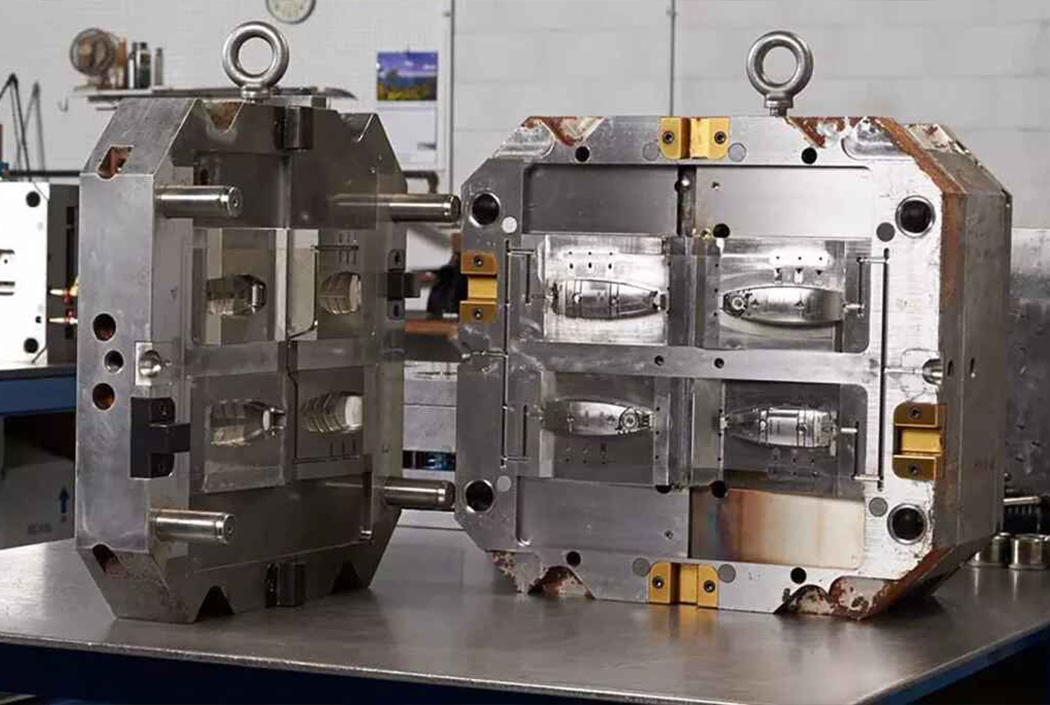
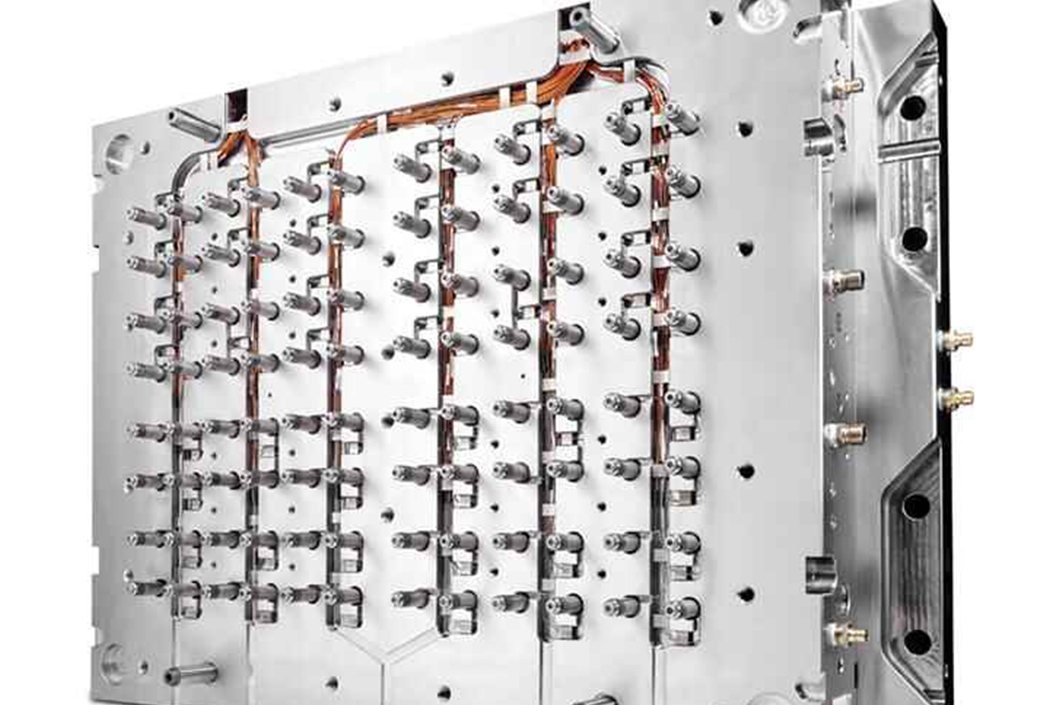
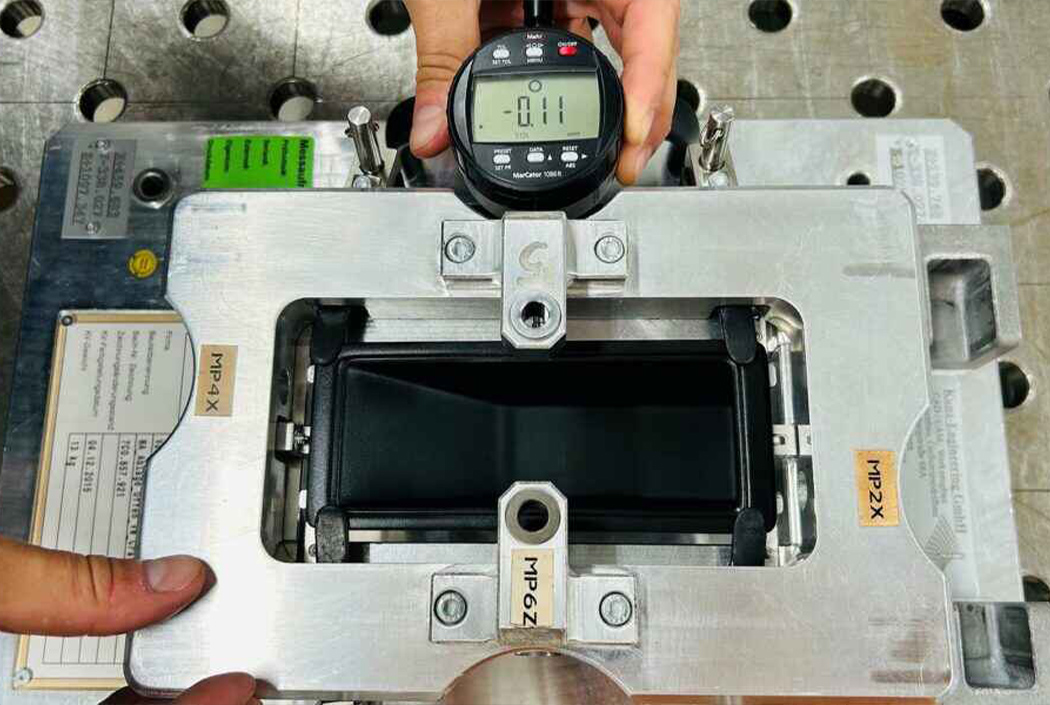
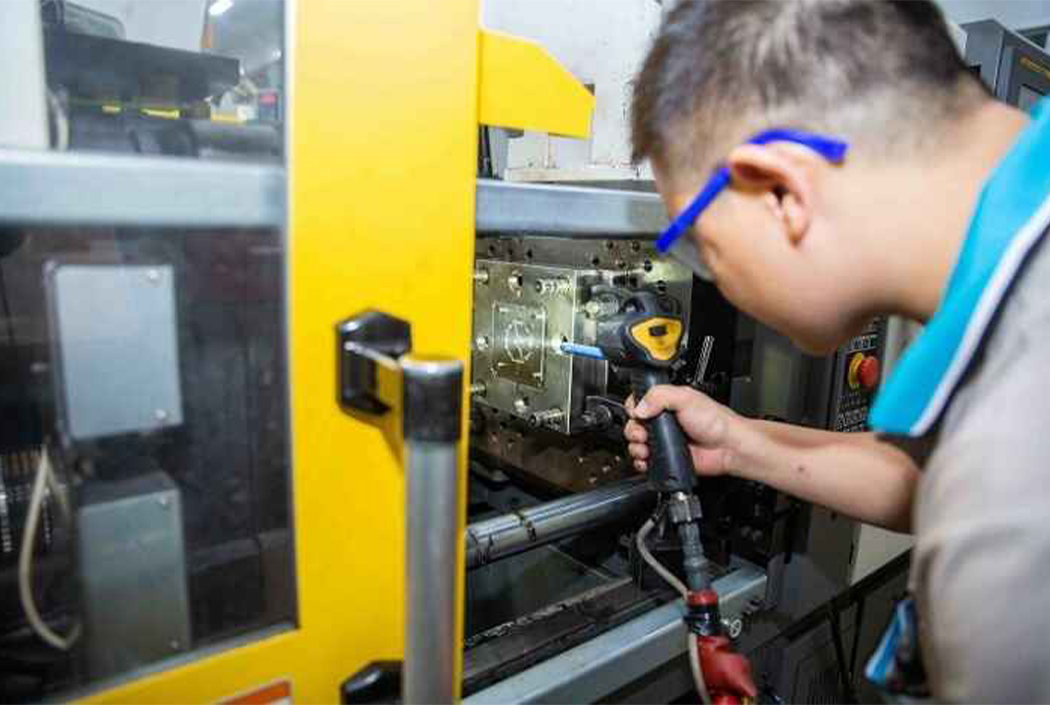
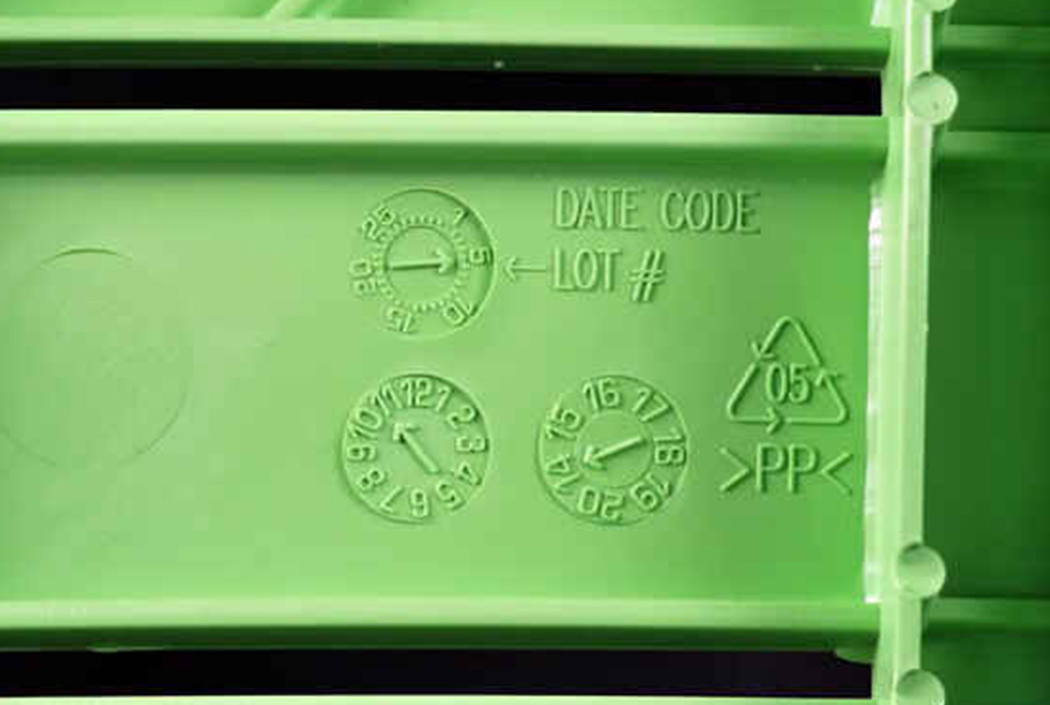
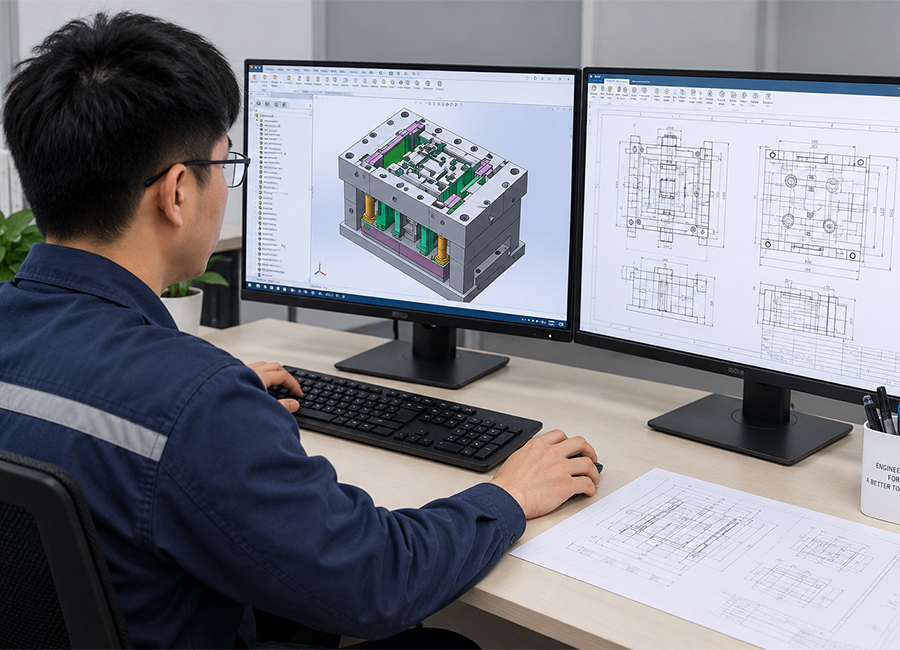
Production tooling decisions may include:
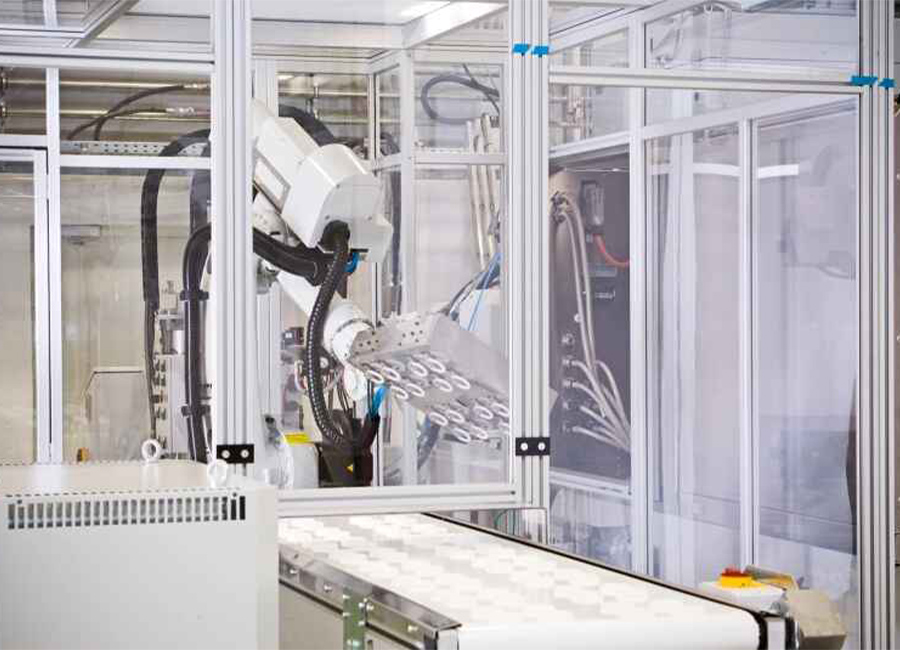
Tool price is only one part of production economics. Once manufacturing quantities increase, the cost of each finished part is also affected by cavity count, cycle time, labor, material usage, scrap, handling, and secondary operations.
A more expensive production tool can therefore make economic sense when the added investment produces more usable parts per cycle, reduces manual work, improves cycle efficiency, or supports a longer manufacturing program.
Cavity Utilization
Produce more usable parts per cycle when volume and geometry justify additional cavities.
Cycle Efficiency
Reduce unnecessary molding, cooling, ejection, and handling time where practical.
Automation & Handling
Evaluate automated mold actions or part handling when repeat volume supports the added investment.
Material & Scrap
Consider runner waste, rejected parts, trimming, and other material losses when calculating real piece-part cost.
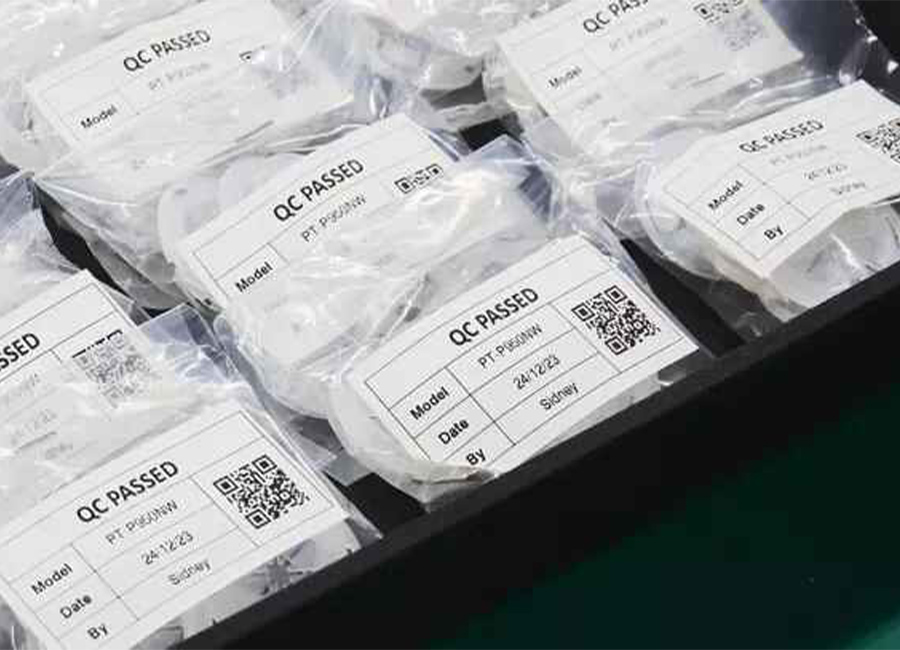
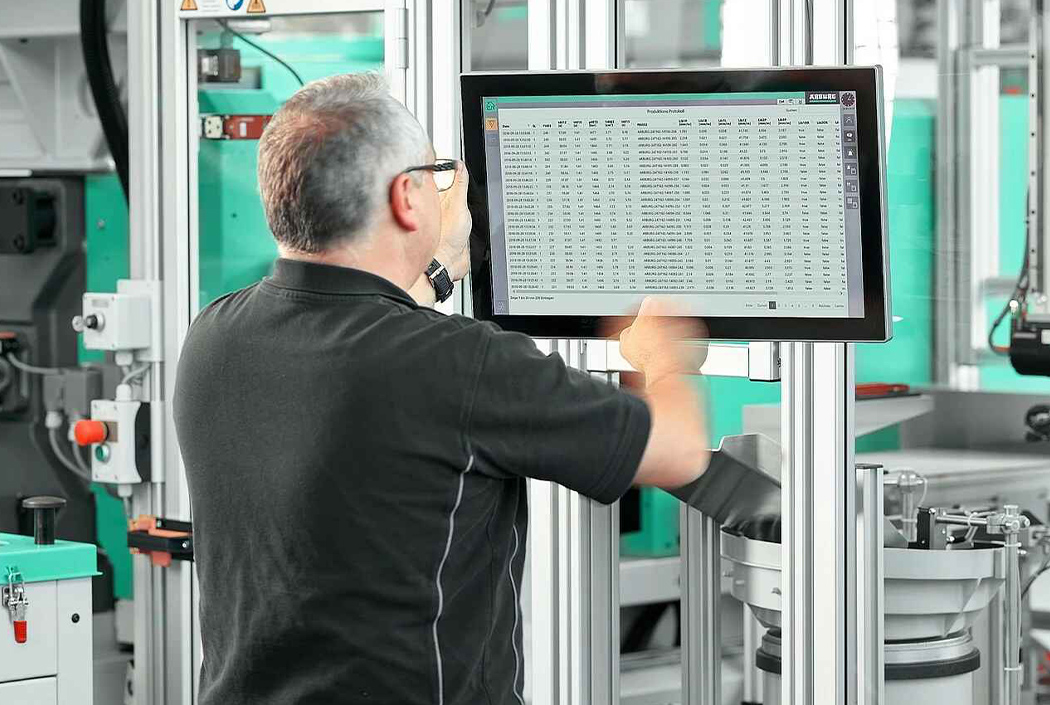
Repeat production may take place days, weeks, or months after the previous order. A stable production program therefore needs more than experienced operators—it needs clear references that define what the approved part and approved molding condition actually are.
Resin grade, color, released drawings, tooling condition, molding parameters, critical dimensions, cosmetic references, packaging requirements, and approved changes should remain traceable from one run to the next.
When a material, geometry, mold component, processing condition, or quality requirement changes, the effect should be reviewed before that change becomes the new production reference. This helps prevent gradual drift between orders and keeps future manufacturing aligned with the current approved specification.
Repeat molding works best when the approved part, material, quality requirements, demand, packaging, and future changes are clearly defined before ongoing production begins.