Before You Go, Let’s Talk About Your Parts
Tell us about your part, quantity, and key requirements. Nova Precision Manufacturing Co.,Ltd can help you choose suitable materials and manufacturing processes for your project.

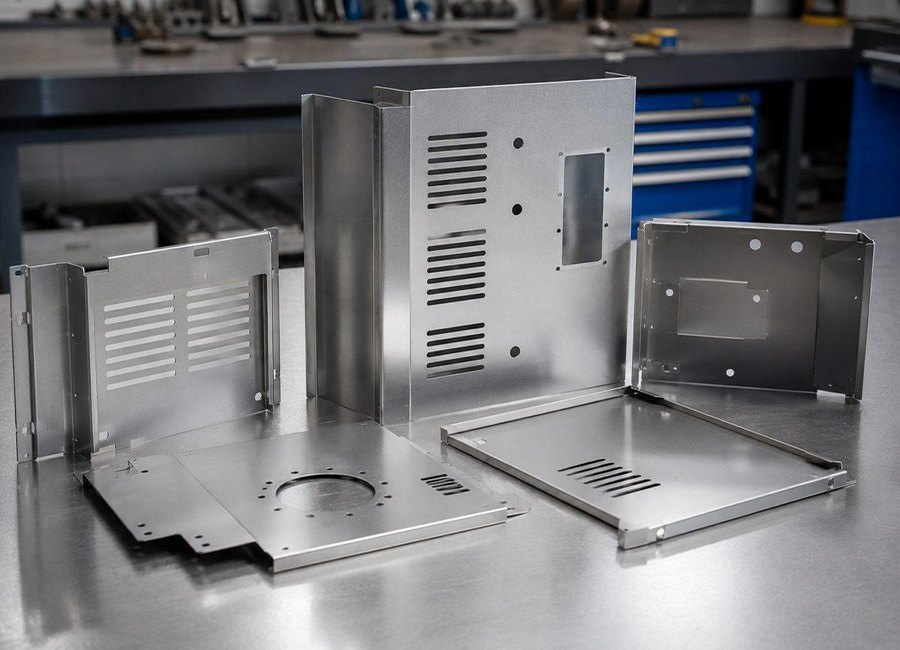
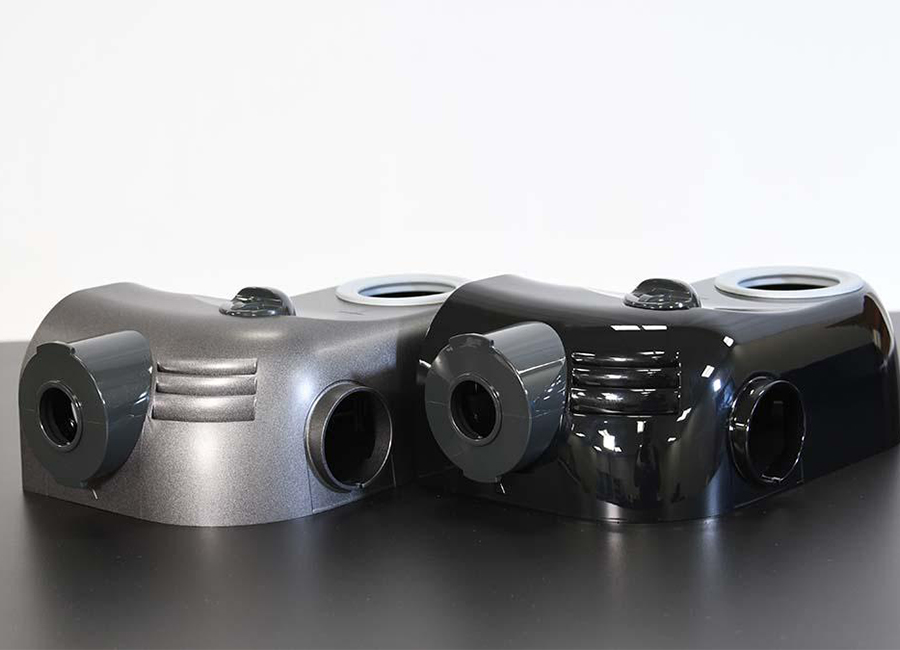
Compare finishing options for machined, fabricated, cast, stamped, and injection-molded parts. Select the right process for appearance, corrosion protection, wear resistance, cleanability, conductivity, or dimensional control—and define the requirements clearly before production begins.
Use these categories to narrow the options by substrate, performance, and appearance. Final suitability depends on the material grade, part geometry, tolerance, quantity, and applicable finish specification.
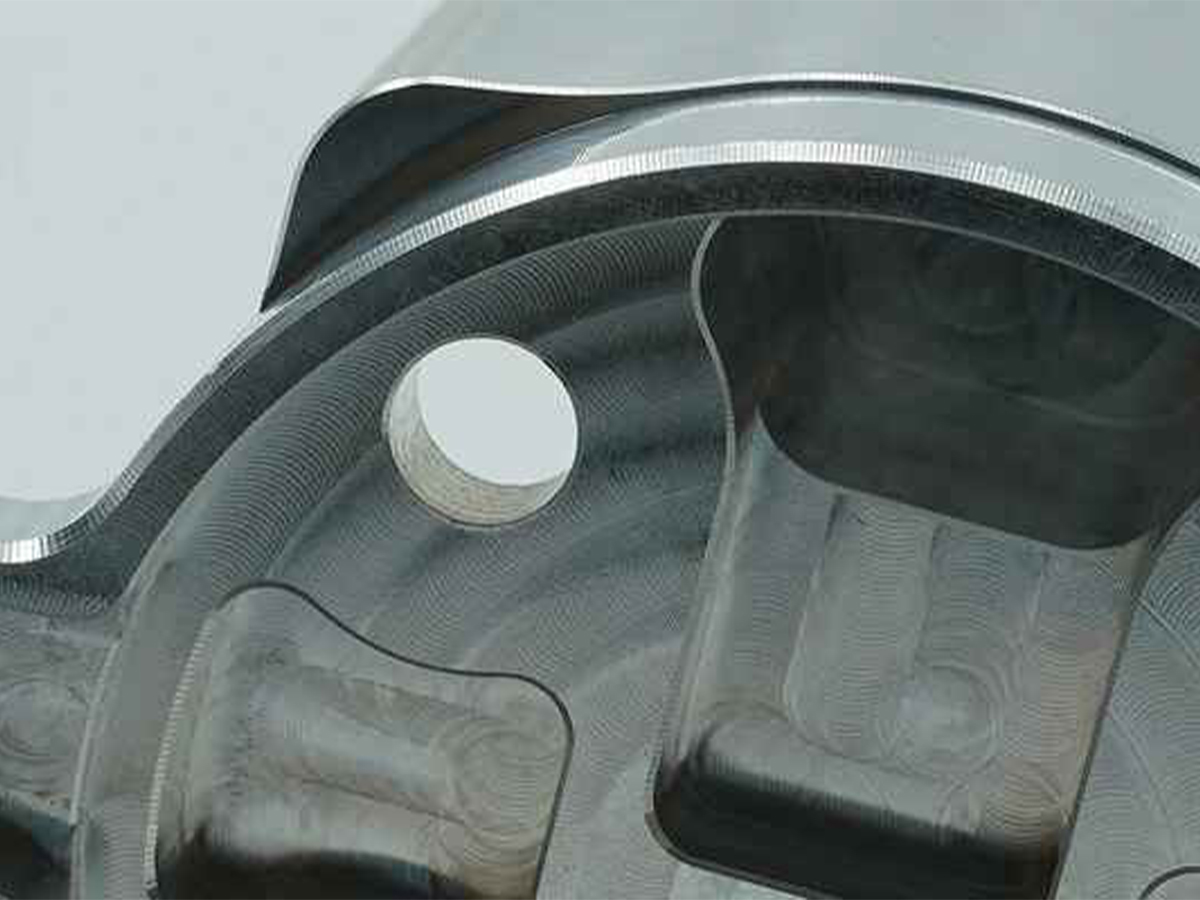
Suitable for metals and machinable plastics. Tool marks remain visible and no additional cosmetic treatment is applied, making this a practical option for prototypes, fixtures, internal components, and function-first parts.
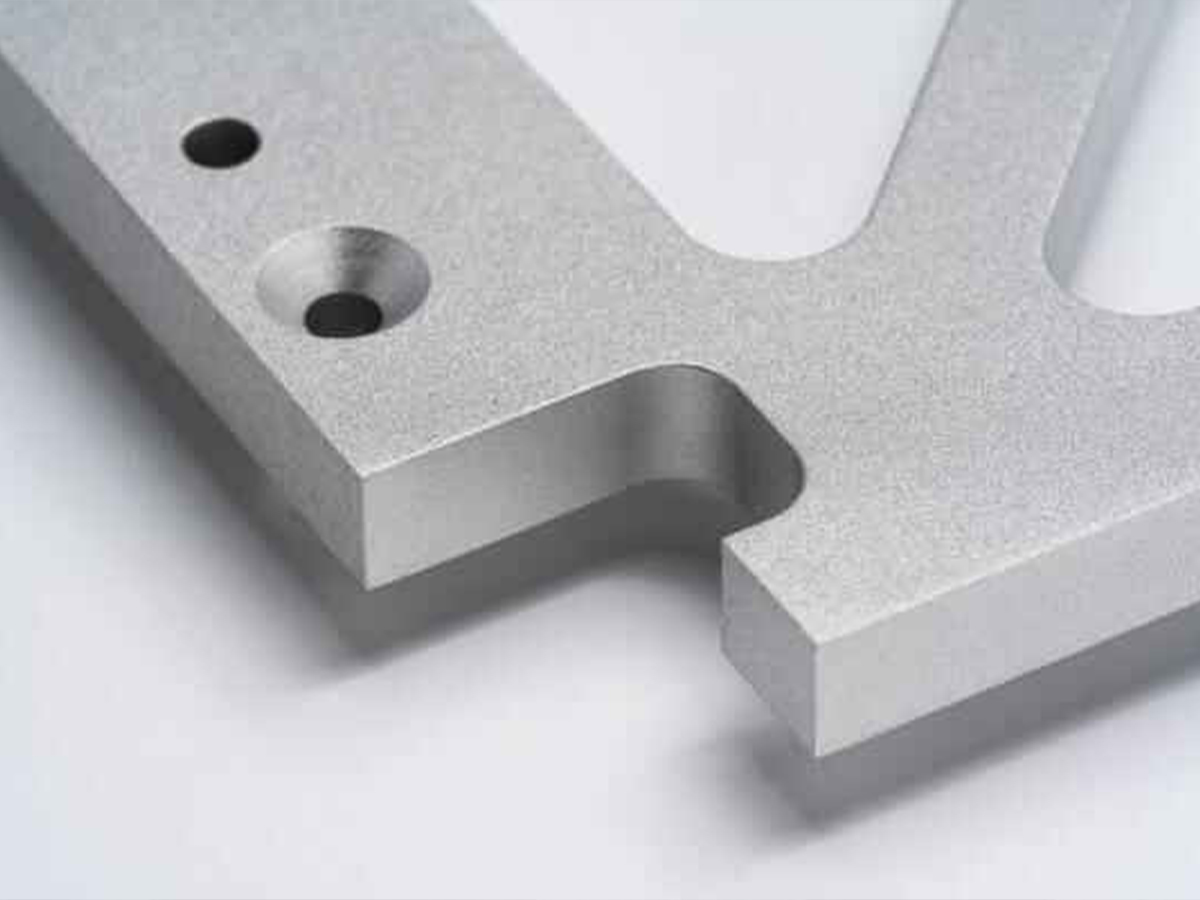
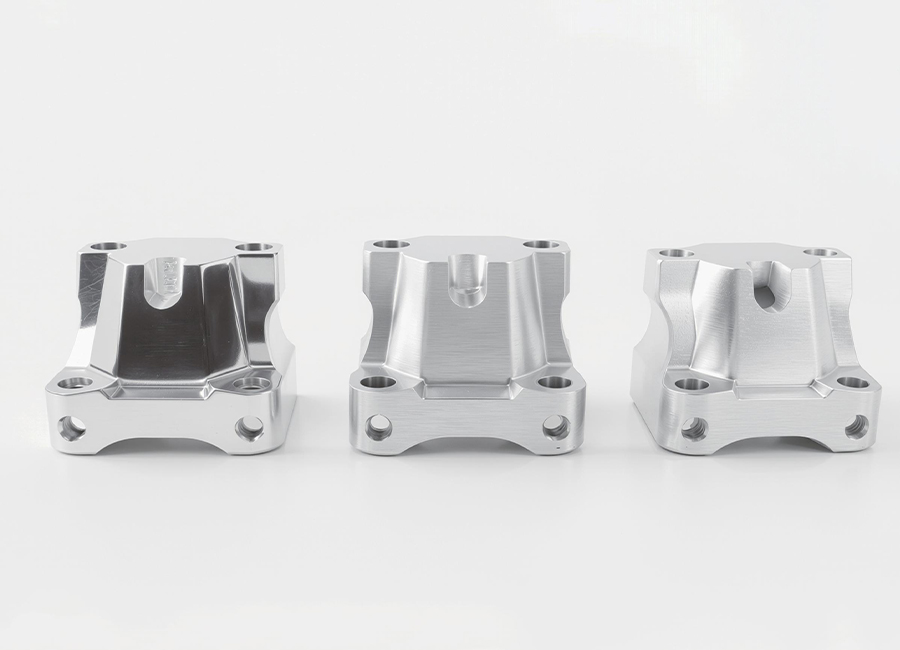
Fine media creates a uniform matte texture on compatible metals, reduces the visibility of tool marks, and provides a consistent base for anodizing, painting, or other coatings.
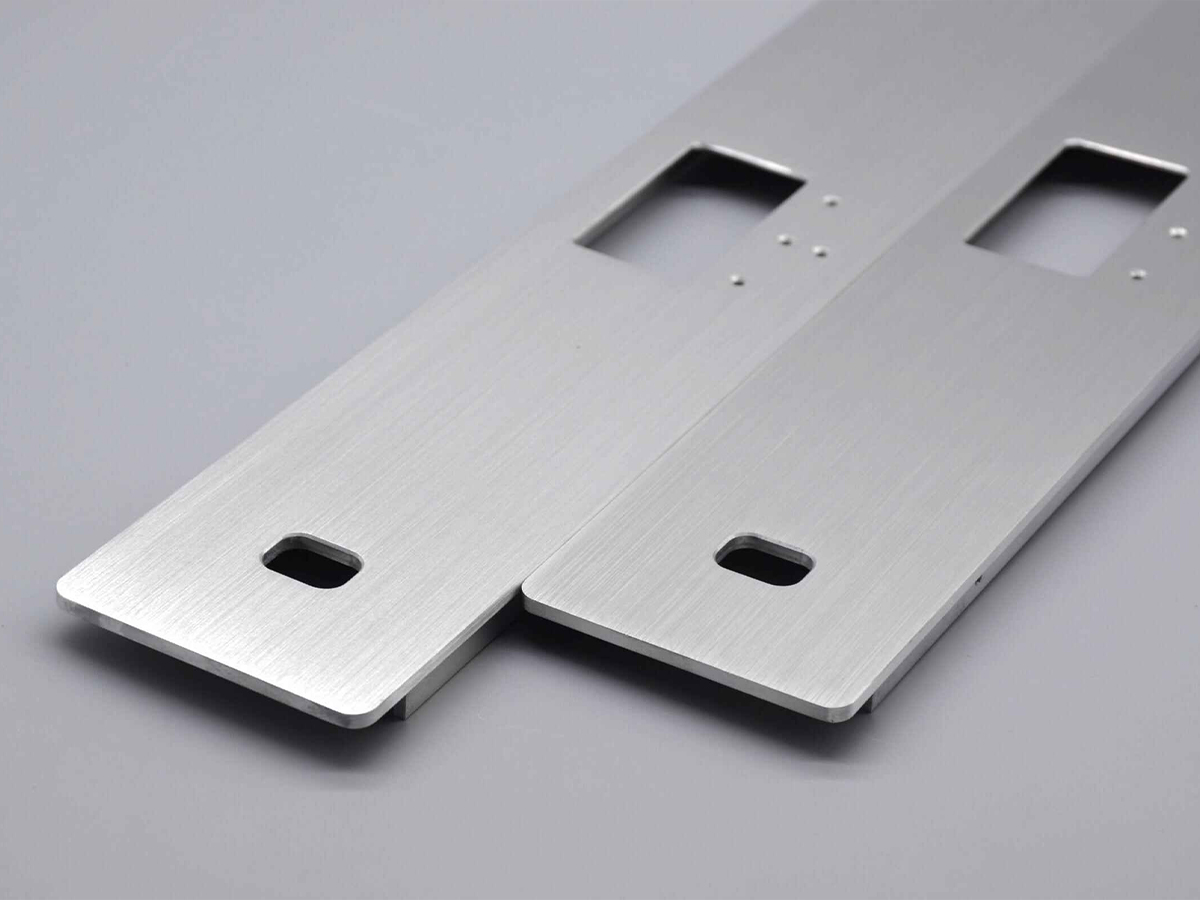
Creates a controlled directional grain on aluminum, stainless steel, brass, and other compatible metals. It is commonly specified for visible panels, housings, handles, and decorative surfaces.
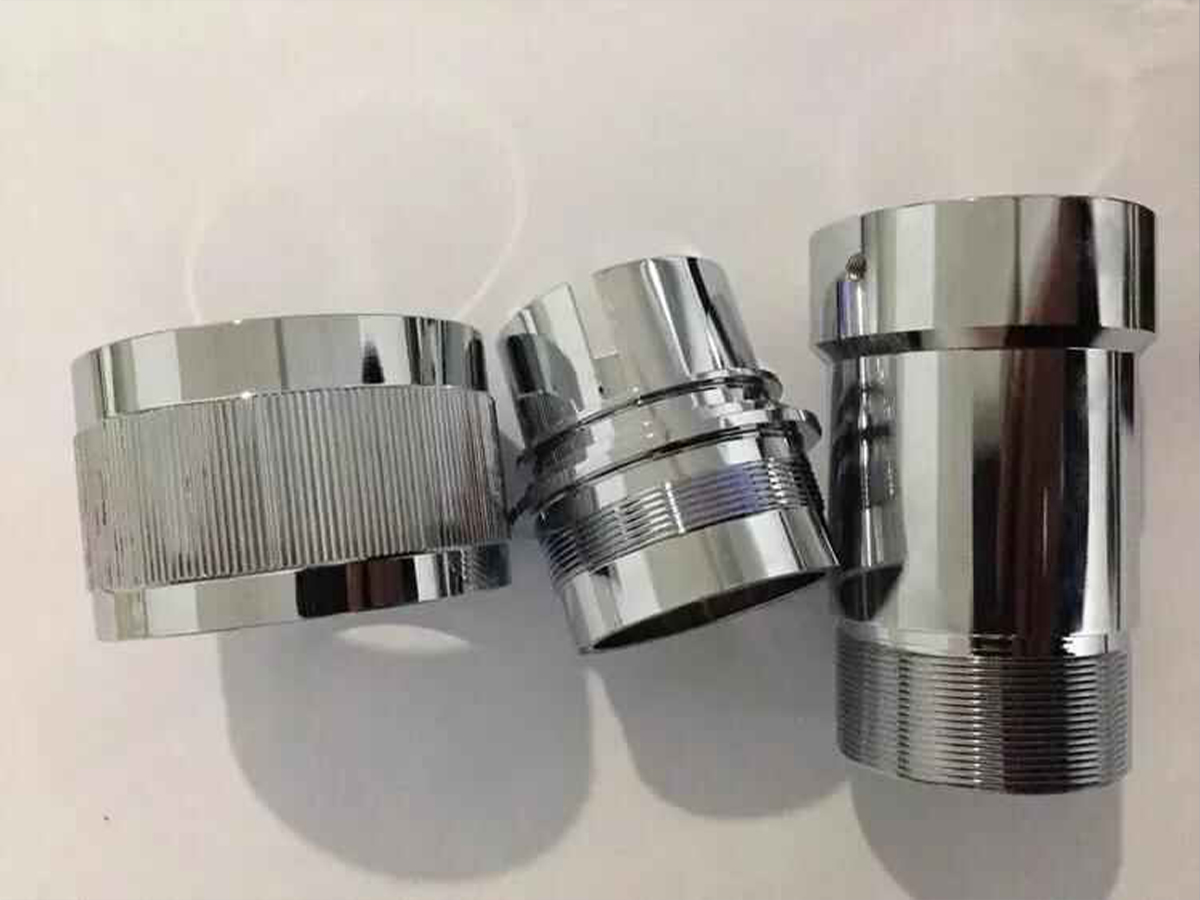
Reduces surface roughness and produces a smooth satin, bright, or mirror-like appearance on compatible metals. Specify the required polish level and the surfaces that are cosmetic.
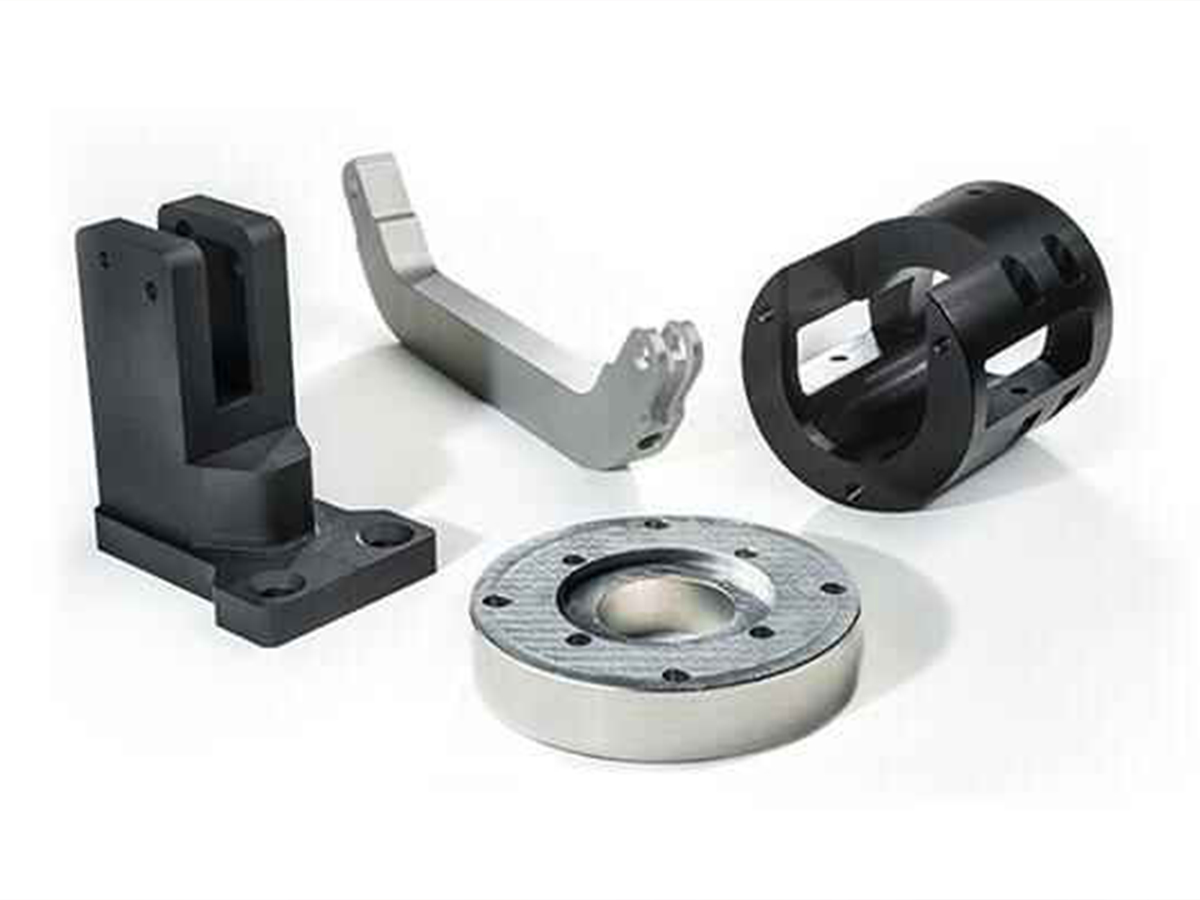
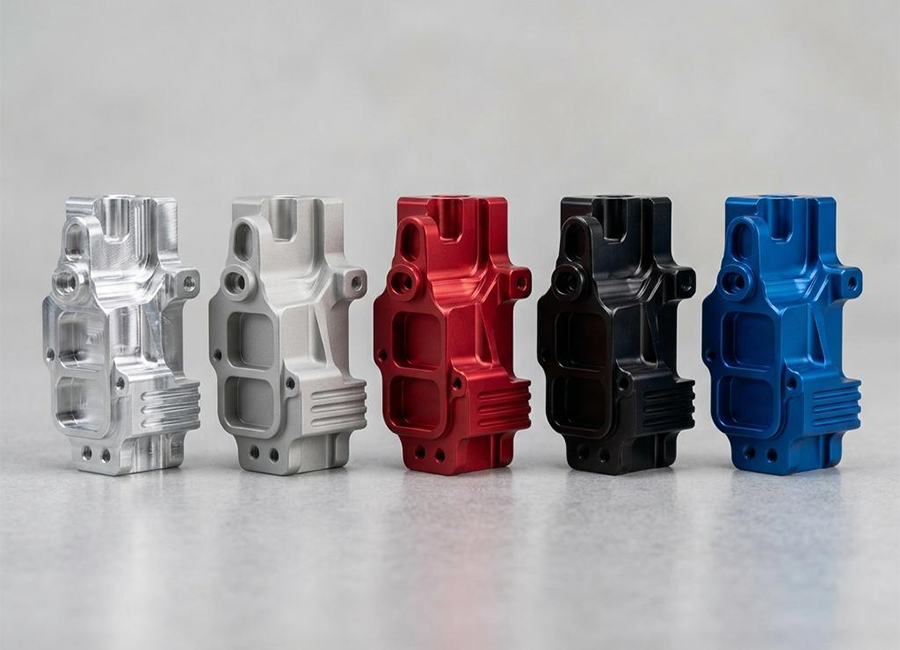
For aluminum parts requiring corrosion resistance and decorative color. Clear, black, or selected dyed colors may be available, while critical fits and electrical contact areas may require masking.
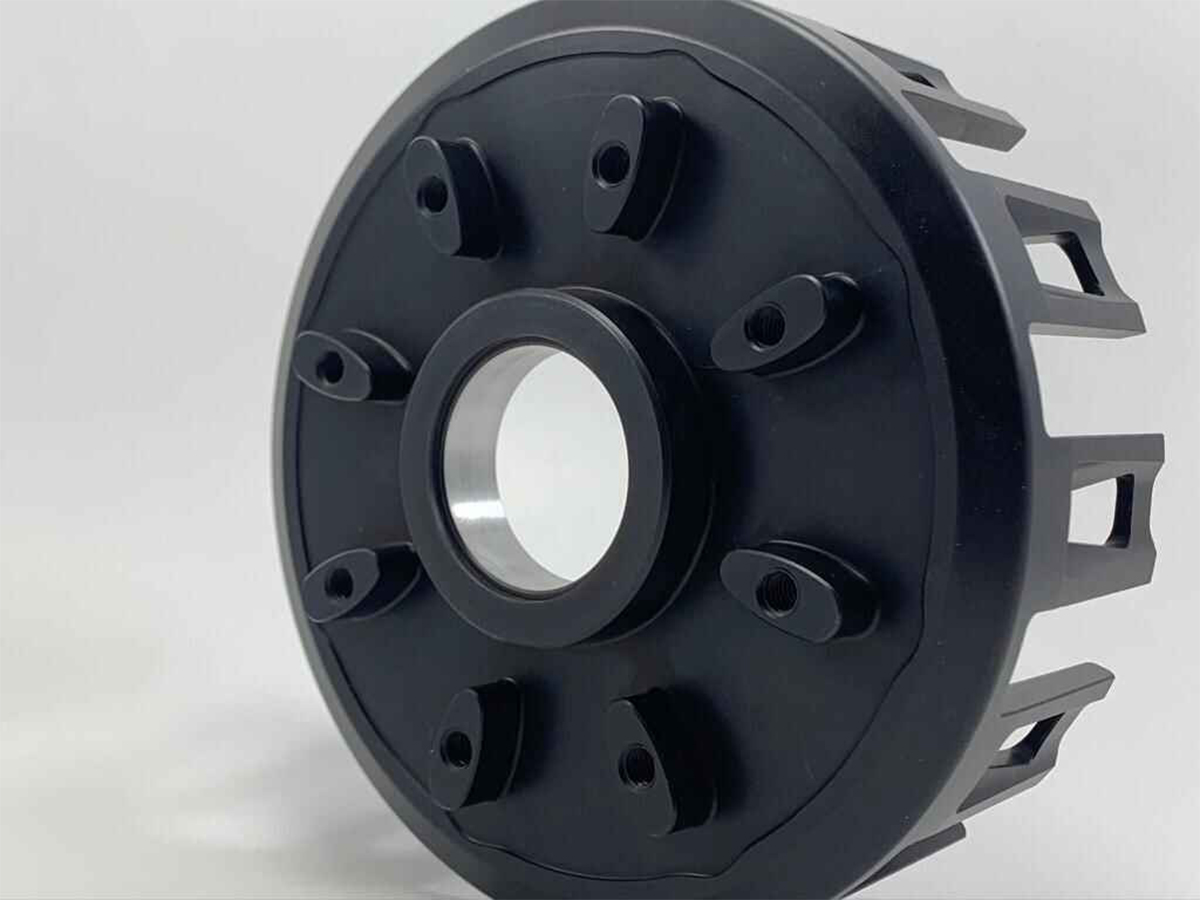
Creates a harder, more wear-resistant anodized layer on aluminum for sliding surfaces, repeated handling, and industrial use. Required thickness and finished dimensions should be stated on the drawing.
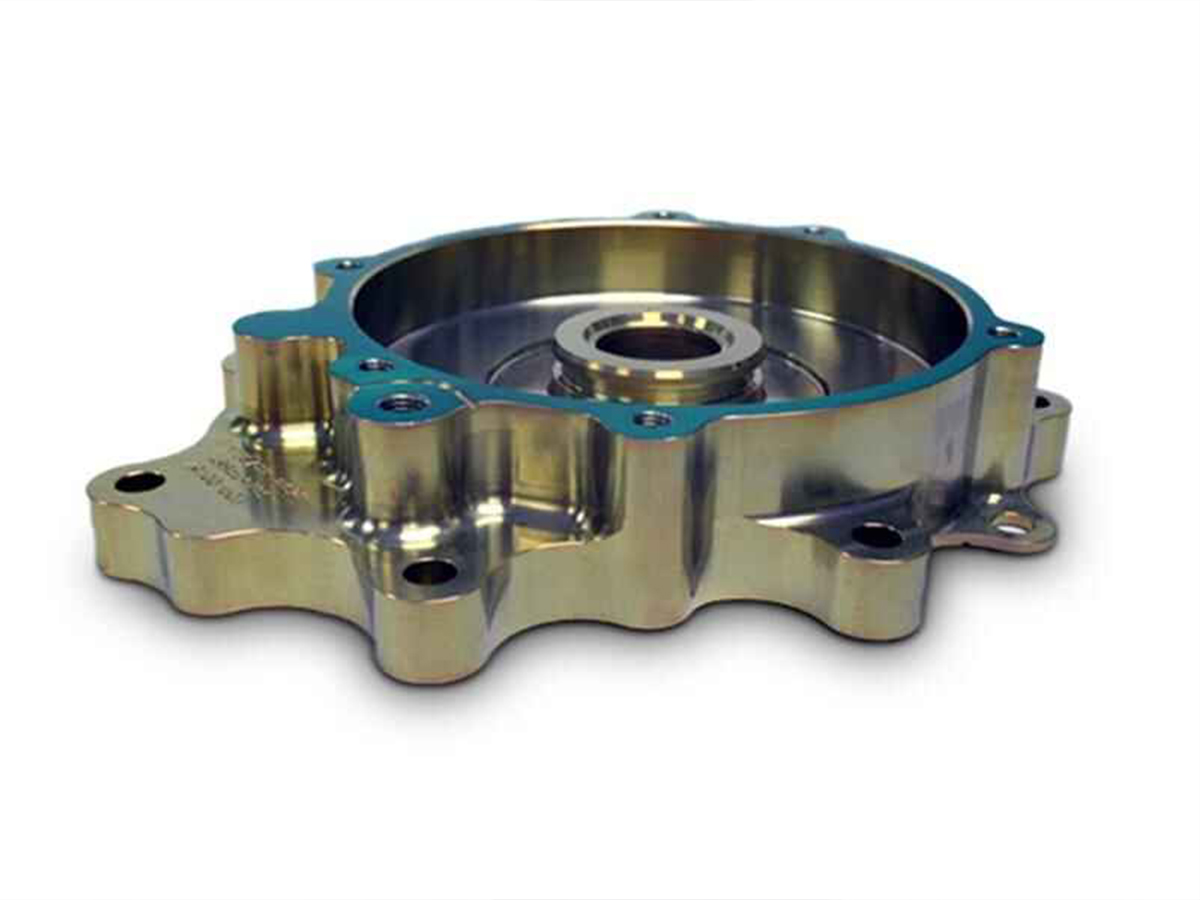
Also called chem film, this thin conversion treatment is used on aluminum for corrosion resistance, paint adhesion, and applications requiring limited dimensional change or electrical conductivity.
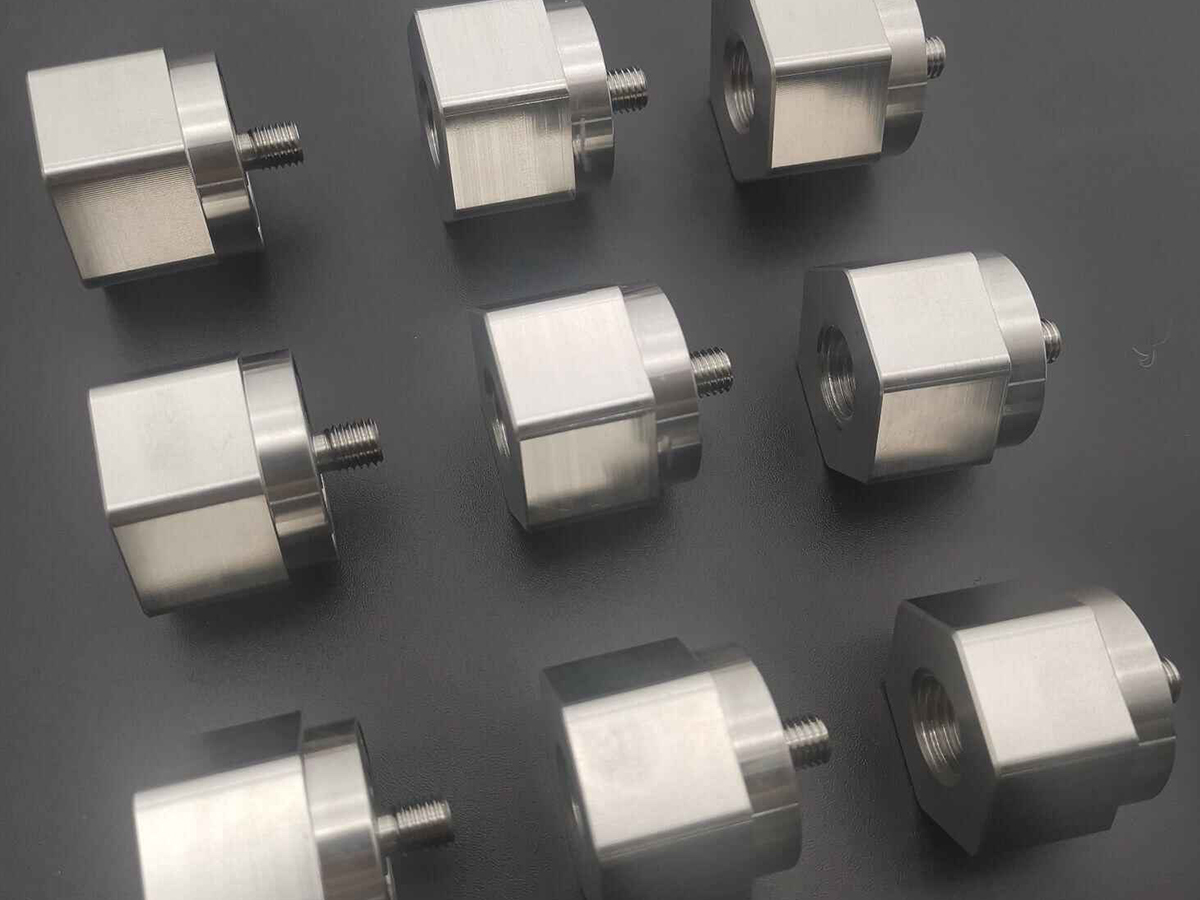
A chemical treatment for stainless steel that removes free iron and improves the material’s natural corrosion resistance. It adds negligible coating thickness and does not provide a decorative color.
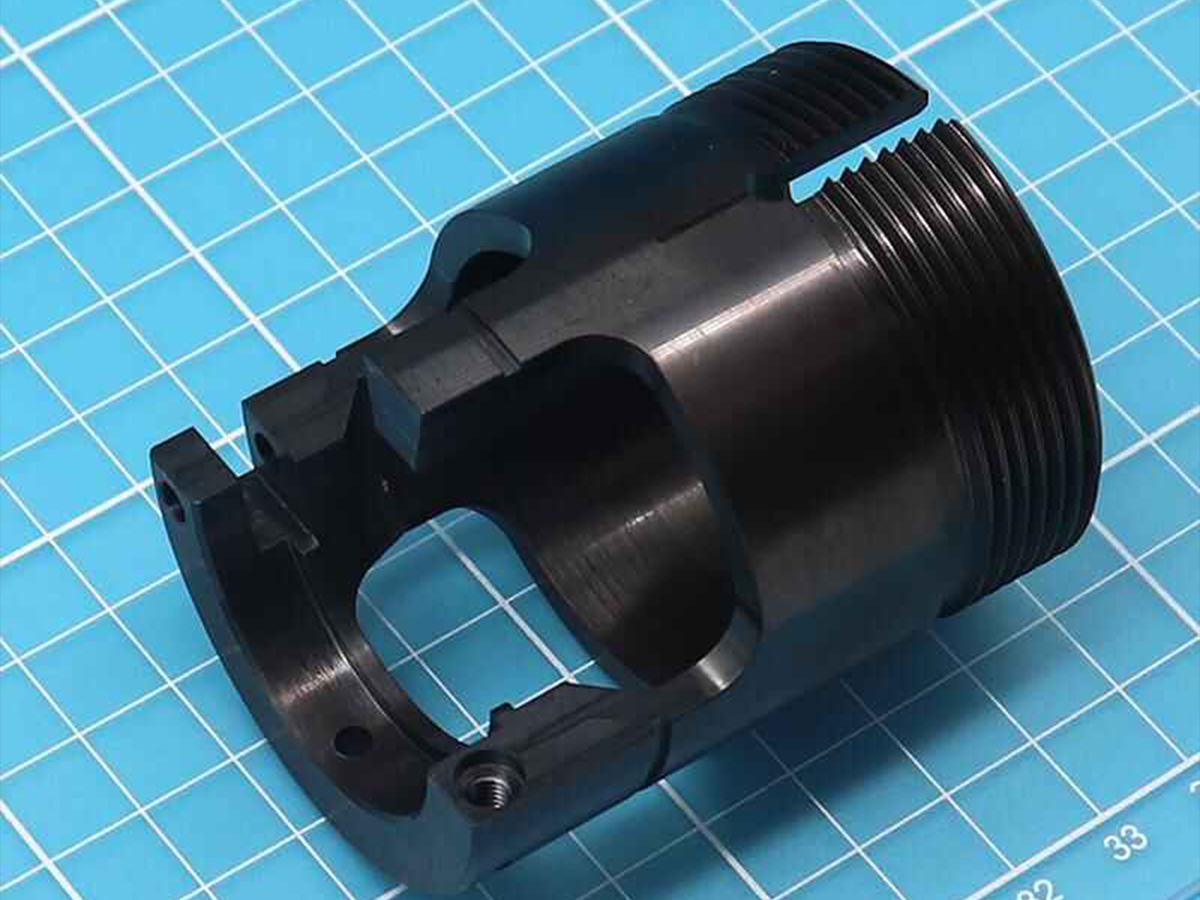
Produces a dark matte conversion finish on compatible ferrous metals with very little dimensional buildup. Oil, wax, or another seal may be specified for additional corrosion protection.
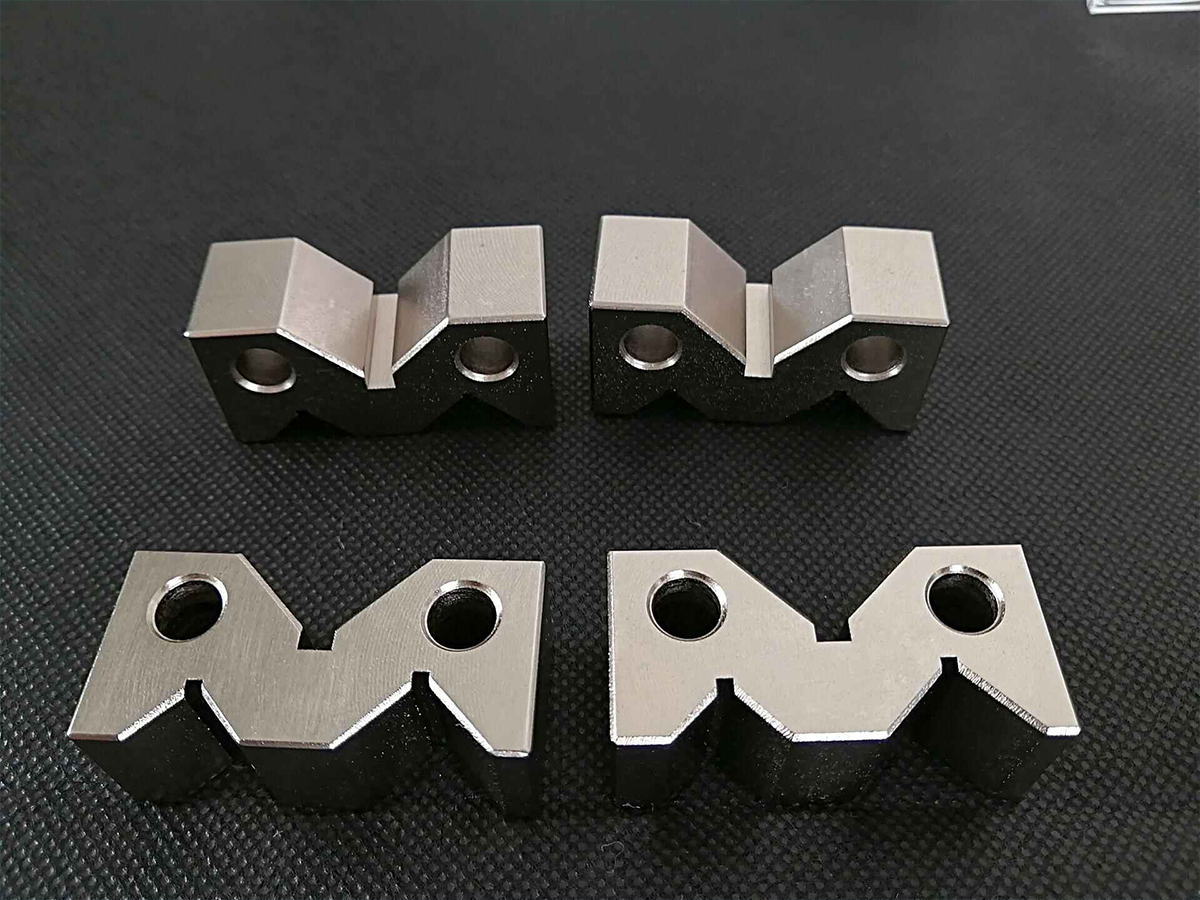
Deposits a relatively uniform nickel layer on aluminum, steel, and compatible alloys to improve corrosion and wear resistance. State the required coating thickness and any masked areas.
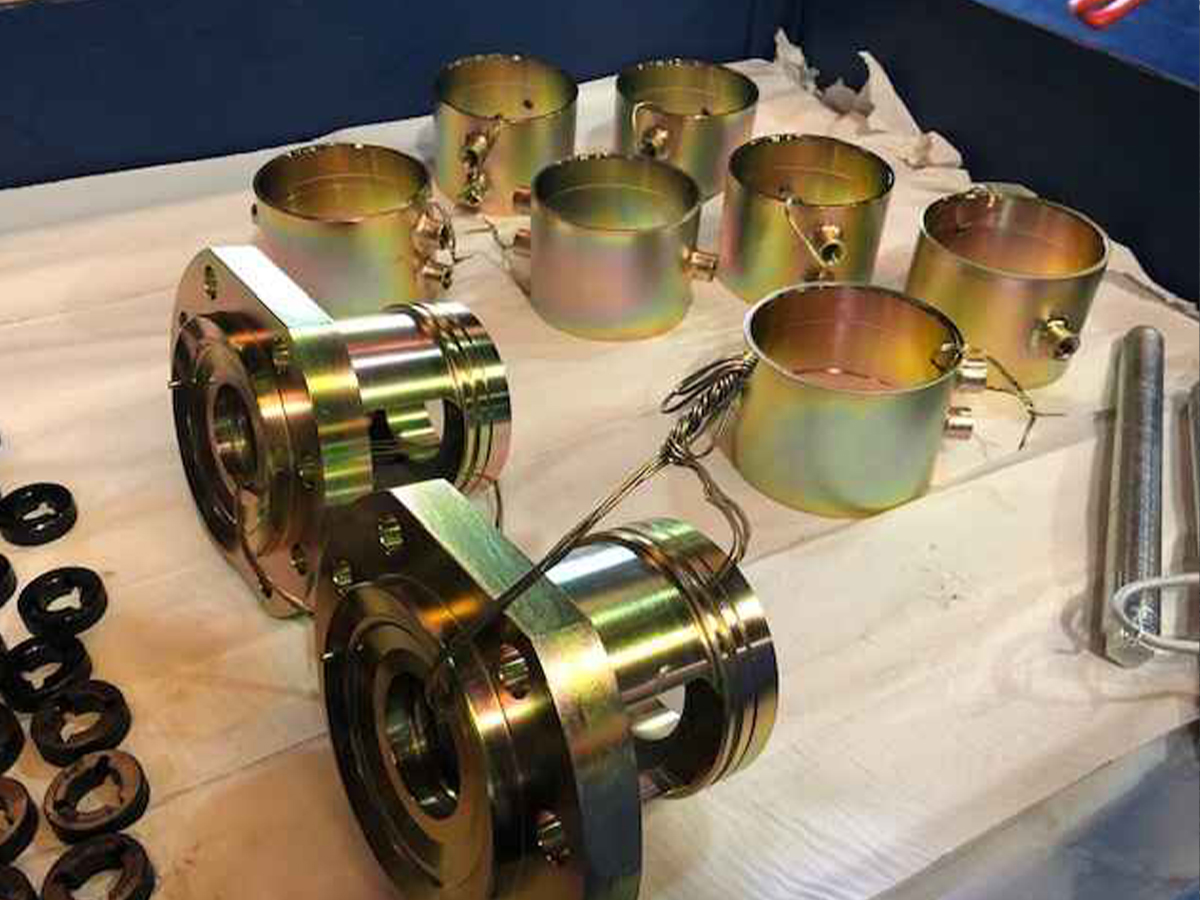
An economical protective coating for carbon and alloy steels. Specify coating thickness, passivation color, corrosion requirement, and areas such as threads or fits that require dimensional control.
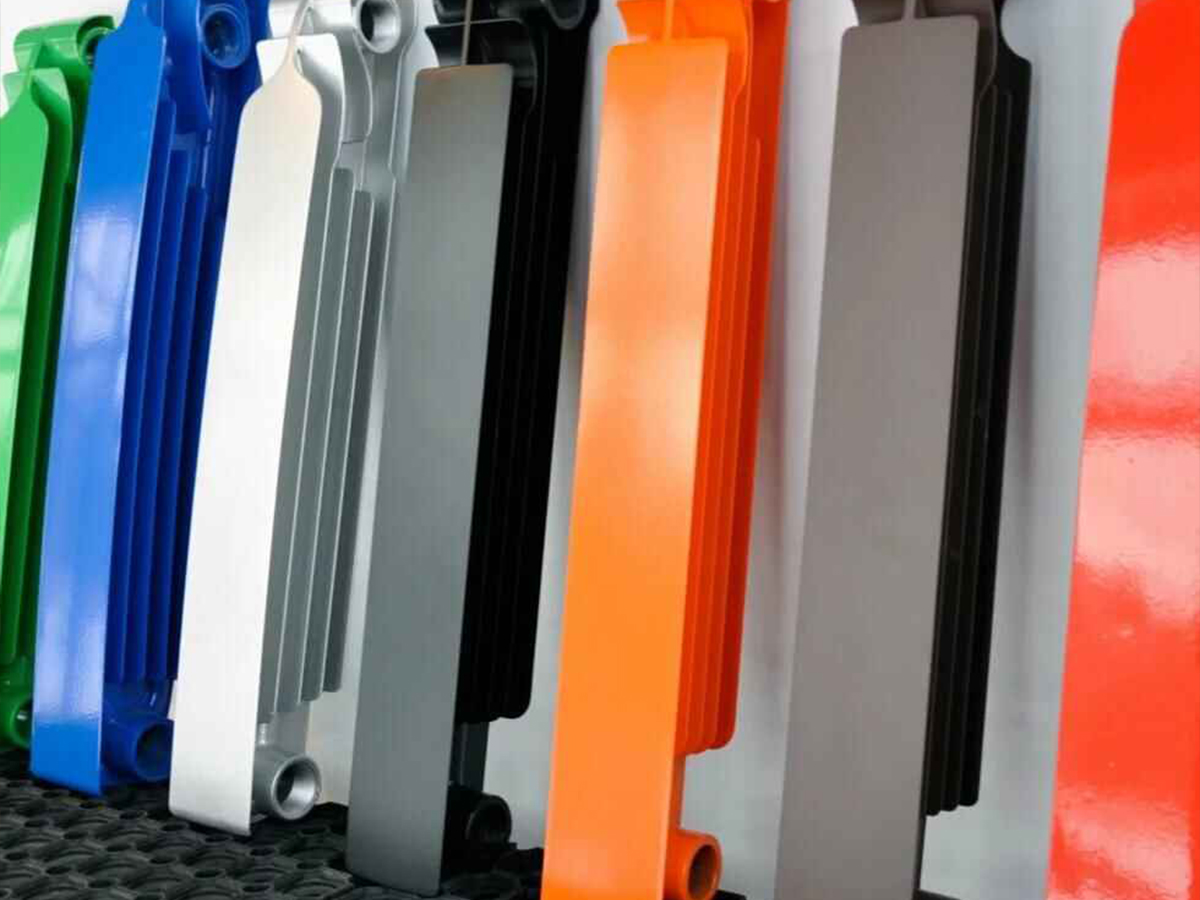
Creates a durable colored coating on compatible metal parts in selected colors, textures, and gloss levels. Because it adds thickness, threads, contact surfaces, and precision fits may require masking.