Before You Go, Let’s Talk About Your Parts
Tell us about your part, quantity, and key requirements. Nova Precision Manufacturing Co.,Ltd can help you choose suitable materials and manufacturing processes for your project.

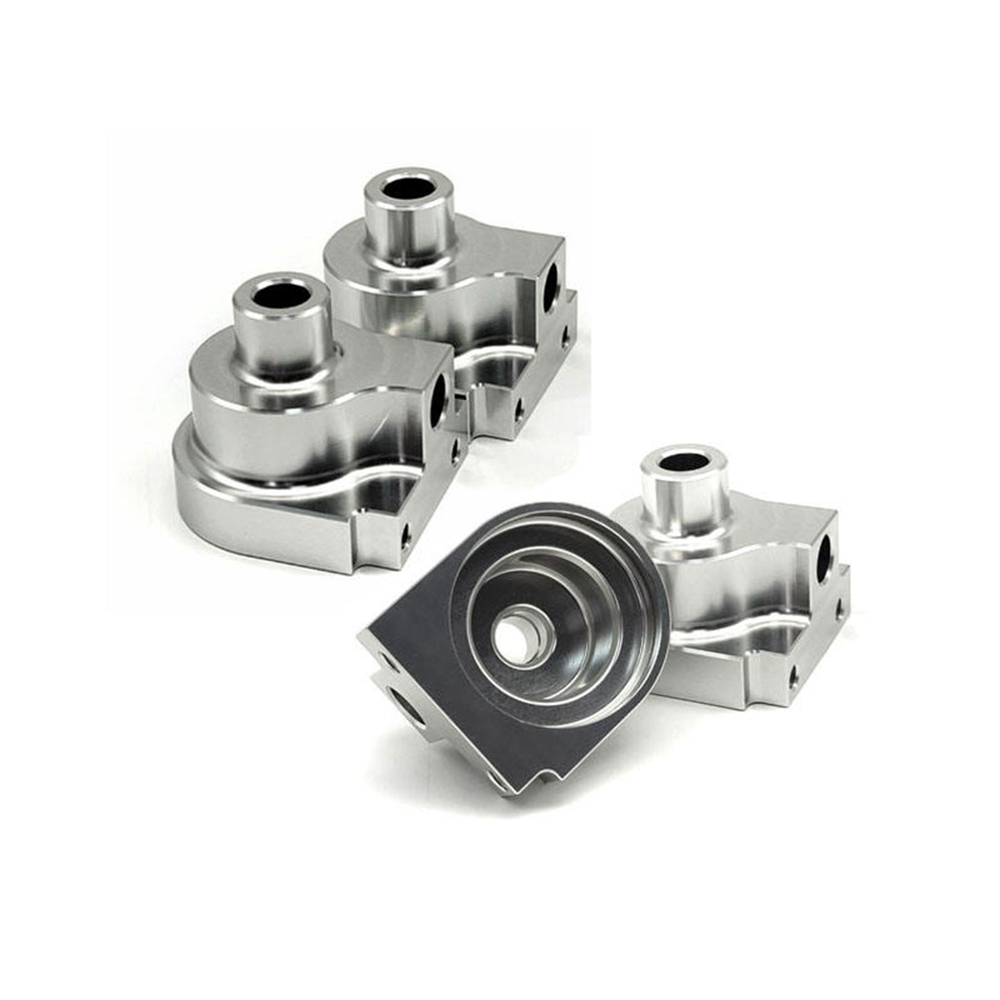
Progressive or single-stage stamping? Compare tooling cost, volume break-even, strip layout, tolerances, and maintenance to choose the right route for custom metal parts.
Choosing between progressive die and single-stage stamping is mostly a decision about how you will pay for a part: through tooling, through labor and handling, or through a mix of both. A progressive die moves a coil strip through several stations in one tool and delivers a finished part on every press stroke. Single-stage stamping performs one operation per stroke, so a part with several features may pass through several dies or setups. Neither route is better in general. The right choice depends on annual volume, design stability, part size, feature relationships, material, and how many revisions you expect. This guide explains those trade-offs and shows what to prepare before requesting a quote.
Progressive die stamping runs a continuous strip through a sequence of stations inside one die set. Each station performs a task such as piercing, notching, bending, or forming. The strip indexes forward by a fixed distance, called the pitch or progression, on every stroke. The part stays attached to a carrier strip until the final station, where it is cut free, as Kenmode’s progressive die guide describes.
Single-stage stamping, also called single-station, single-hit, or simple-die stamping, performs one operation per stroke. The operator or an automated device moves the part to another die for each additional feature. A blanking die cuts the outline, a piercing die adds holes, and a forming die makes the bend, for example.
Two related methods sit between or beside these options:
Buyers who want to see which of these processes a supplier offers can review the custom metal stamping services page. It lists progressive, compound, transfer, and deep-draw options alongside DFM review and first article approval.
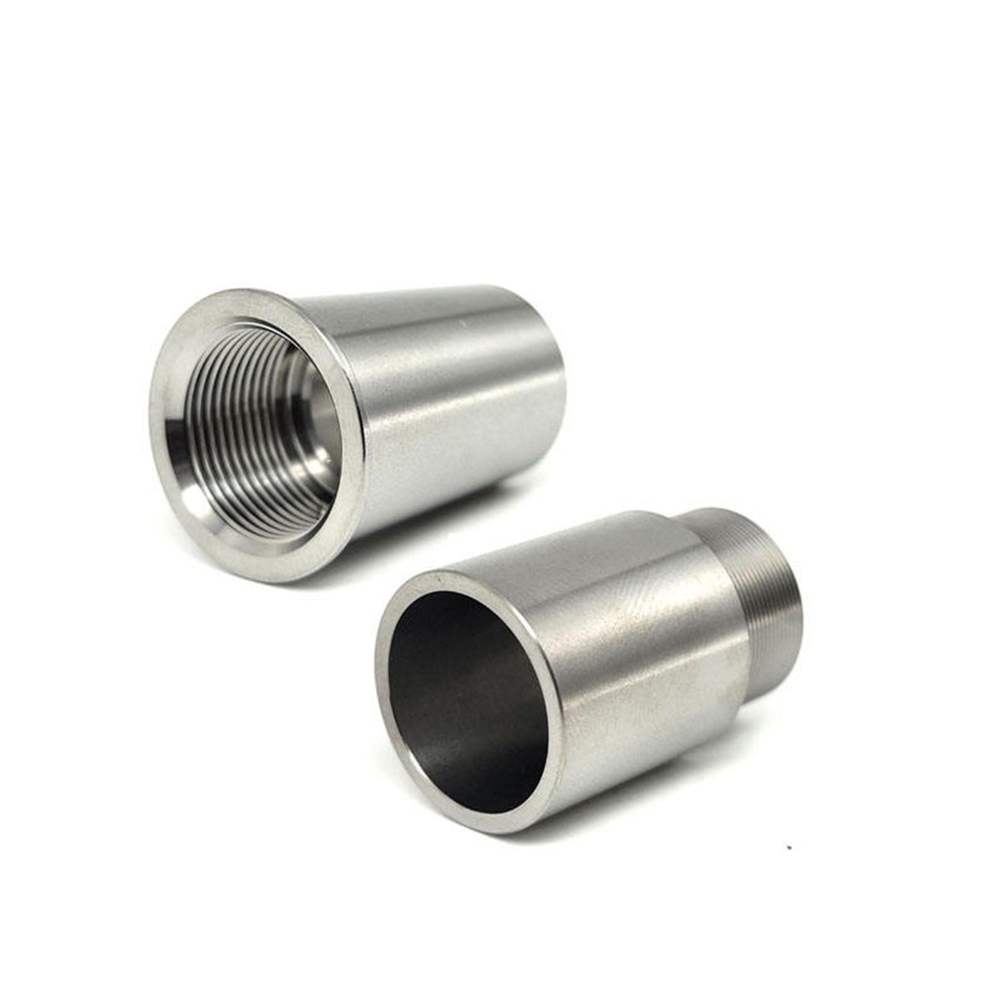
The table below is qualitative. It describes how the two routes generally behave, not what any specific supplier will quote. Actual numbers depend on part geometry, material, and press selection.
| Decision factor | Single-stage stamping | Progressive die stamping |
|---|---|---|
| Operations per stroke | One | Several, at different stations |
| Tooling investment | Lower per die, but several dies may be needed for one part | Higher for one complex die |
| Tool build time | Generally shorter | Generally longer, driven by station count |
| Unit cost at high volume | Higher, because of handling and extra strokes | Lower, because the strip is fed and finished automatically |
| Design change tolerance | Easier to modify one die | Changes may require station rework or a new die |
| Feature-to-feature position | Depends on how the part is located in each die | Held by the strip, pilots, and fixed pitch |
| Material form | Cut blanks or strip | Coil stock in the specified thickness and temper |
| Part size and depth | Better for larger parts and flexible handling | Limited by strip width and carrier design; deep draws usually move to transfer dies |
| Maintenance profile | Simpler dies, isolated repairs | More wear points; one worn station can affect every part downstream |
| Best fit | Prototypes, bridge production, simple parts, uncertain designs | Stable designs with recurring volume and multiple features |
Annual volume is the most direct driver, but published thresholds vary widely, which is a warning against using any single number. One European stamping supplier says the break-even point is often around 10,000 to 20,000 pieces per year. It stresses that the figure depends on part complexity and the number of operations. Kenmode describes progressive tooling as most economical for volumes typically in the tens of thousands to millions of parts. Those ranges overlap but differ by an order of magnitude at the edges. Each part has a different number of operations, material cost, and handling effort.
A more reliable method is to calculate your own break-even point:
Break-even quantity = (progressive tooling cost − single-stage tooling cost) ÷ (single-stage unit cost − progressive unit cost)
Consider this hypothetical example. It is illustrative arithmetic only, not a quote or benchmark. A bracket needs blanking, piercing, and one bend. The single-stage route needs three simple dies totaling $15,000 and costs $0.60 per part in press time and handling. A progressive die costs $45,000 and brings the part to $0.15. The break-even quantity is $30,000 ÷ $0.45, or about 66,700 parts. If the program will realistically ship 25,000 parts before a redesign, the single-stage route wins. If it ships 200,000 parts on a stable drawing, the progressive die wins comfortably.
Three adjustments make the calculation more honest:
Not when volume recurs and the design is stable, because per-part labor and handling accumulate with every run. The reverse mistake is just as common, though: a progressive die does not automatically deliver the lowest total cost for a high-volume program. If the design is still changing, the part is too large for the strip, or the forecast is optimistic, a lower-cost die set or a staged approach can be safer. A common route is to start with laser-cut blanks or simple forming tools and validate fit and function. Once the drawing is frozen, you invest in progressive tooling. The decision should follow design maturity and demand certainty, not volume alone.
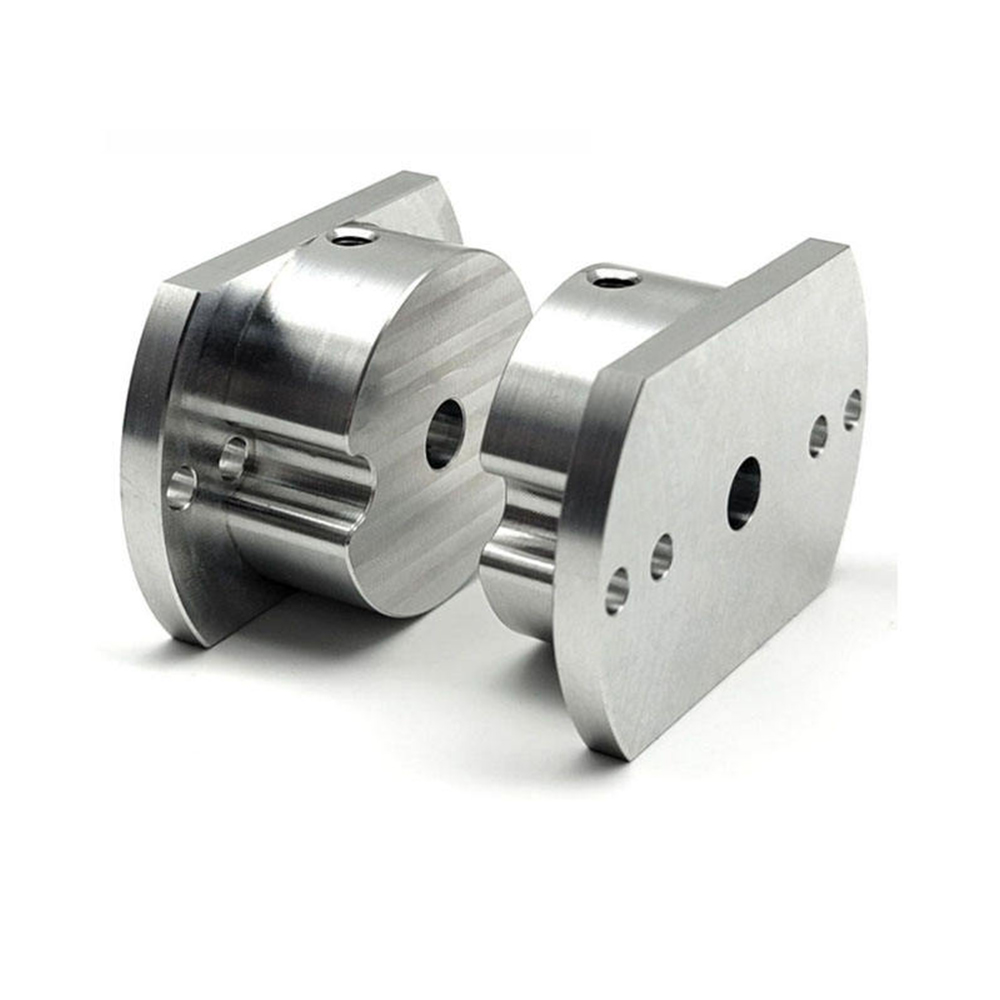
Geometry can rule out progressive tooling before cost enters the discussion.
Carrier design. In a progressive die, the strip layout defines the process, carrier type, scrap shedding, and part ejection. According to The Fabricator’s guide to stamping process layout, a strip that stays flat through the whole die can use a solid carrier. If metal flows during forming or the strip changes height between stations, a flex or stretch carrier is probably needed so the pitch is not disturbed. The same source notes that large parts made from very thin metal can be hard to carry without the strip buckling, sometimes requiring stiffening beads in the carrier.
Part size and depth. Progressive dies are limited by strip width and by the forming the carrier can tolerate. Large parts and deep shells usually move to single-stage or transfer tooling. If your part looks like a cup, a shell, or a housing with significant depth relative to its diameter, ask for a transfer or deep-draw quotation alongside the progressive one.
Press fit. Tooling must fit the press bed size, tonnage, stroke length, and shut height, and the scrap must be planned for. The Fabricator’s article observes that without a plan for scrap shedding, the press may need to stop every few cycles for scrap removal. Ask a supplier which press the quote assumes, and whether the die was designed for that press.
Material form and grade. Progressive dies run from coil, so the thickness, temper, and width you specify must be available in coil. Single-stage dies can run cut blanks, which widens the options for short runs. For low carbon steel parts, forming grades such as 1008 or 1010 are commonly used for stamped brackets, clips, and panels. The supplier’s grade guidance also warns that SAE 1008 should not be confused with the ASTM A1008 sheet specification, so the full standard and condition belong on the drawing. Bare steel rusts, so plating, e-coating, or powder coating adds thickness that can affect fit and should be considered in tolerance planning.
Designers who want to reduce rework before tooling is cut can use manufacturer design guides for manufacturable parts to check feature spacing, bend radii, and forming limits early.
The strongest technical argument for progressive tooling is not speed. It is control of how features relate to each other. In a progressive die, pilots and a fixed feed pitch hold every hole, bend, and form in a repeatable position relative to the strip. In single-stage production, each die has to locate the part again, so relative position depends on locating features, fixtures, and operator or automation repeatability. Euro-Techniek cites a mutual-dimension requirement of ±0.05 mm as a case where progressive stamping is the safer choice. That figure is one supplier’s example, not a universal capability.
Tolerances are never decided by the process alone. Stamping capability depends on material grade and temper, strip thickness, feature type, forming depth, die construction, springback, burr direction, and tool wear. General manufacturing standards for stamped and fabricated parts state that critical dimensions and GD&T controls are reviewed individually rather than assigned one tolerance for every feature. The same reference says the drawing should identify the material condition, grain direction where relevant, burr side, edge condition, flatness, formed dimensions, and cosmetic surfaces.
Practical points for buyers:
A progressive die has more cutting edges, guides, and moving elements than a simple die, so it has more places where wear can begin. Euro-Techniek points out that a worn cutting edge at one station affects every part that passes through afterward, while a single-stage die can be reground without disturbing other operations. Kenmode adds that progressive dies need regular maintenance, lubrication, and inspection.
This changes what you should ask a supplier:
Single-stage production shifts the quality risk to handling. Parts passing through several operations pick up scratches, dents, and positional variation, so in-process inspection and packaging between operations deserve attention.
Progressive tooling is not always the destination. Single-stage stamping or flexible fabrication is usually more reasonable when:
Sheet metal fabrication uses laser cutting, punching, bending, and joining with standard or configurable tooling, which makes it a practical bridge while a design matures. Buyers still comparing stamping with casting or fabricated alternatives can use the broader metal part production overview to see how each process fits geometry and quantity.
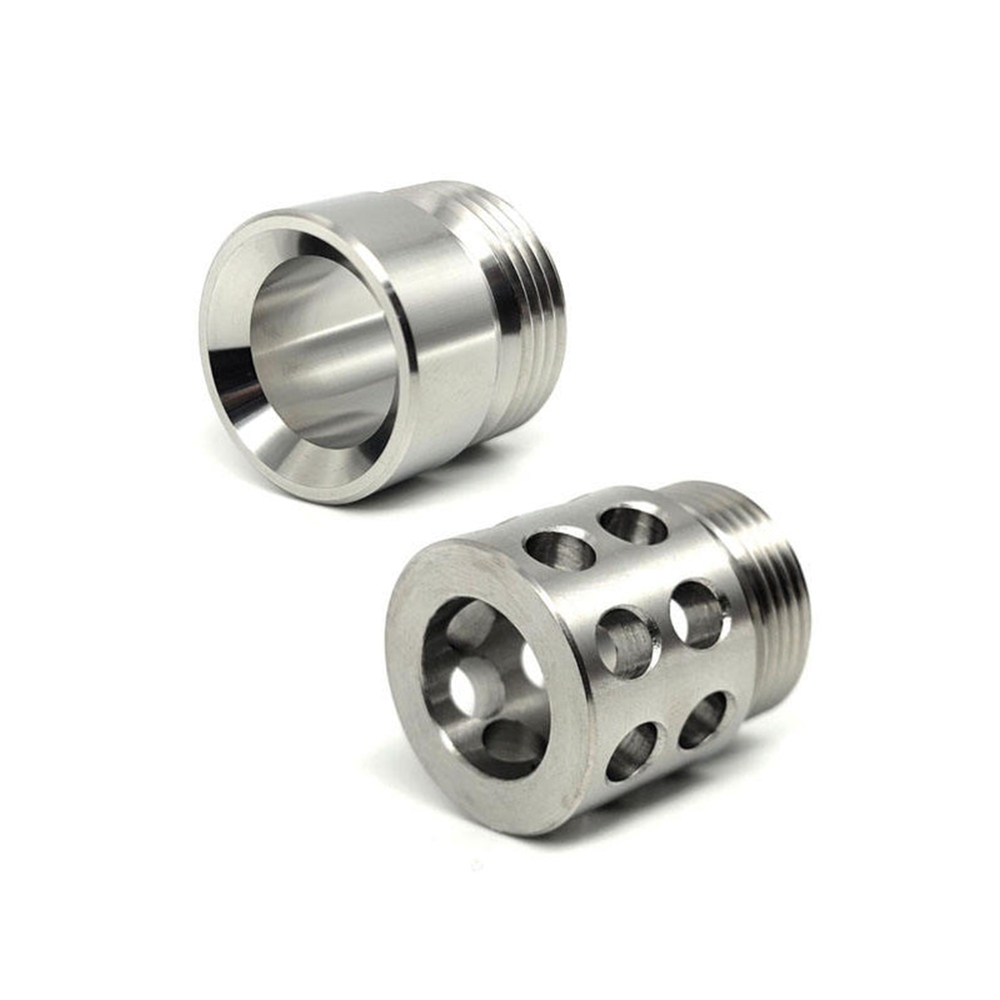
A quote that compares both routes needs enough detail to calculate each one. Prepare:
Ask the supplier to quote at least two routes, for example a single-stage or bridge option and a progressive option. Have them show tooling, unit price, tool lead time, and break-even quantity separately. That comparison gives procurement, engineering, and finance a shared basis for the decision.
What is the main difference between progressive die and single-stage stamping?
Progressive die stamping completes several operations in one tool as a strip advances through stations. Single-stage stamping performs one operation per stroke, so additional features need other dies or setups. Progressive tooling costs more up front but generally lowers unit cost at recurring volume.
At what volume does progressive die stamping become cost-effective?
There is no universal threshold. Published rules of thumb range from roughly 10,000 to 20,000 pieces per year up to tens of thousands or more. Calculate break-even from the tooling cost difference divided by unit cost savings, then adjust for design change risk.
Is single-stage stamping suitable for low-volume production?
Yes. Simpler dies, shorter build times, and easier modification make it practical for prototypes, pilot runs, and uncertain designs. Unit cost is higher because of handling and extra strokes. Laser-cut blanks or fabrication may be more economical still for very small quantities.
What is the difference between a compound die and a progressive die?
A compound die performs multiple cutting operations in one stroke, typically blanking and piercing, and suits flat parts. A progressive die performs a sequence of cutting and forming operations across stations, so it can produce bent and formed parts.
Can deep-drawn parts be made with a progressive die?
Usually not when the depth is significant. Deep shells and cups are generally made with transfer dies or dedicated deep-draw tooling because the blank is freed from the carrier strip, allowing more punch travel and material flow.
Does progressive stamping hold tighter tolerances than single-stage stamping?
It often holds feature-to-feature relationships more consistently, because the strip and pilots fix the positions. Achievable tolerance still depends on material, thickness, springback, tool wear, and measurement method, so critical dimensions should be reviewed against the actual drawing.
What should I send a supplier to compare both routes?
Send CAD and a dimensioned drawing, material grade and condition, thickness, initial and annual quantities, finish, tolerances, burr direction, and inspection needs. Ask for tooling cost, unit price, and lead time for each route.
