Before You Go, Let’s Talk About Your Parts
Tell us about your part, quantity, and key requirements. Nova Precision Manufacturing Co.,Ltd can help you choose suitable materials and manufacturing processes for your project.

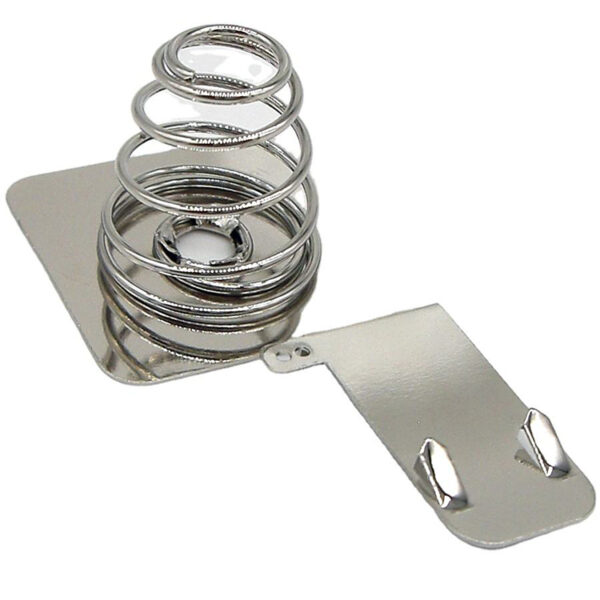
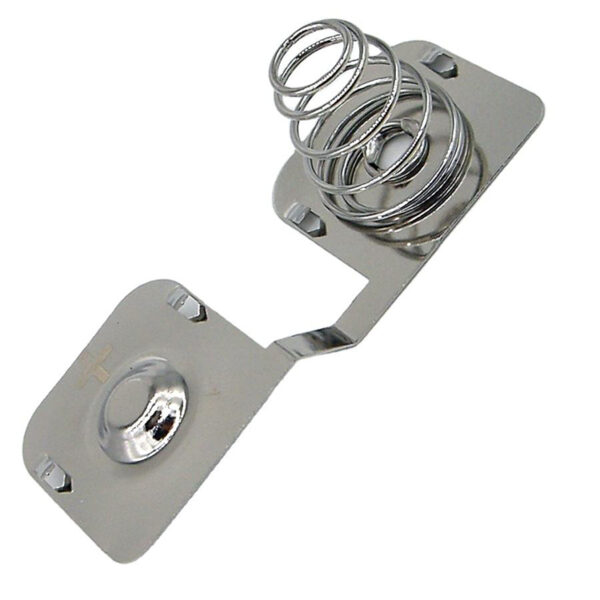
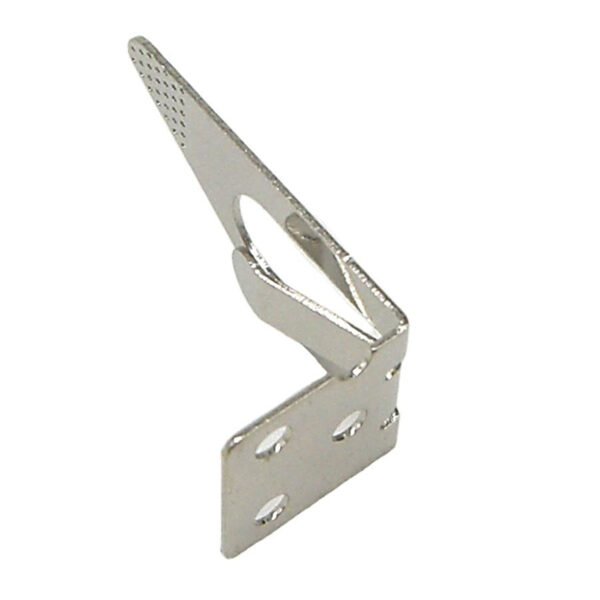
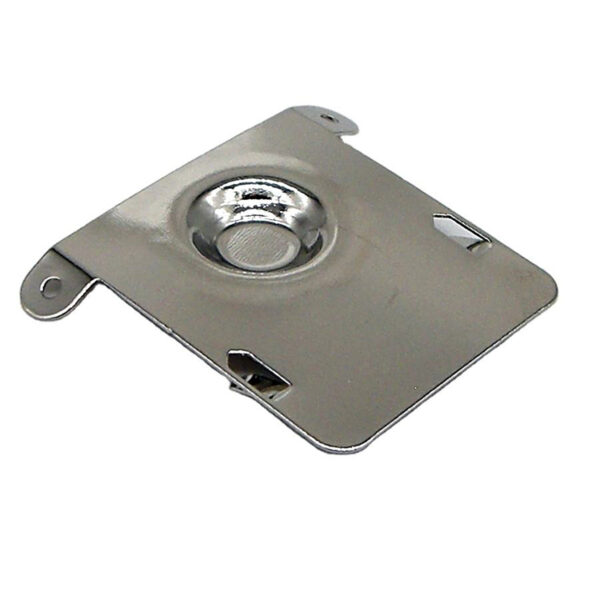
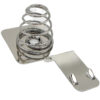
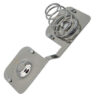
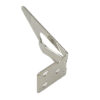
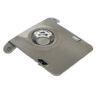
These stamped battery contacts combine conductive surfaces with formed spring features to maintain reliable electrical contact as battery dimensions and assembly pressure vary. Depending on the design, the part may include embossed contact buttons, bent retaining tabs, leaf-spring sections, mounting holes, or attached coil springs. Copper, phosphor bronze, brass, and spring steel are practical substrate options, with nickel or tin-based plating commonly used on contact surfaces. Applications include battery holders, portable electronics, instruments, power tools, toys, and other replaceable-battery assemblies.
Stamped battery contacts provide electrical connection and spring pressure between batteries and the surrounding circuit or holder. Progressive stamping, blanking, forming, embossing, and bending can produce the flat plates, raised contact domes, retaining tabs, and spring features shown. Common materials include C110 copper, phosphor bronze, brass, and spring steel, often with nickel or tin-based plating. Typical applications include AA/AAA battery holders, battery compartments, handheld electronics, power tools, instruments, toys, and other battery-powered assemblies.
| Material | C110 copper, phosphor bronze, brass, spring steel, or drawing-specified conductive strip |
| Manufacturing Process | Progressive stamping, blanking, piercing, embossing, bending, forming, and spring assembly where required |
| Part Features | Raised contact domes, spring fingers, retaining tabs, mounting holes, formed legs, and battery-pressure features |
| Contact Style | Flat contact plates, leaf-spring contacts, button contacts, coil-spring contacts, or combination terminals |
| Surface Finish | Nickel plating, tin plating, tin-nickel plating, bare copper alloy, or drawing-specified finish |
| Functional Requirements | Electrical conductivity, contact pressure, spring recovery, corrosion resistance, and stable battery retention per design |
| Applications | Battery holders, consumer electronics, instruments, power tools, toys, control devices, and portable equipment |
| Customization | Contact profile, spring geometry, terminal tabs, mounting features, strip material, plating, and battery interface |