Before You Go, Let’s Talk About Your Parts
Tell us about your part, quantity, and key requirements. Nova Precision Manufacturing Co.,Ltd can help you choose suitable materials and manufacturing processes for your project.

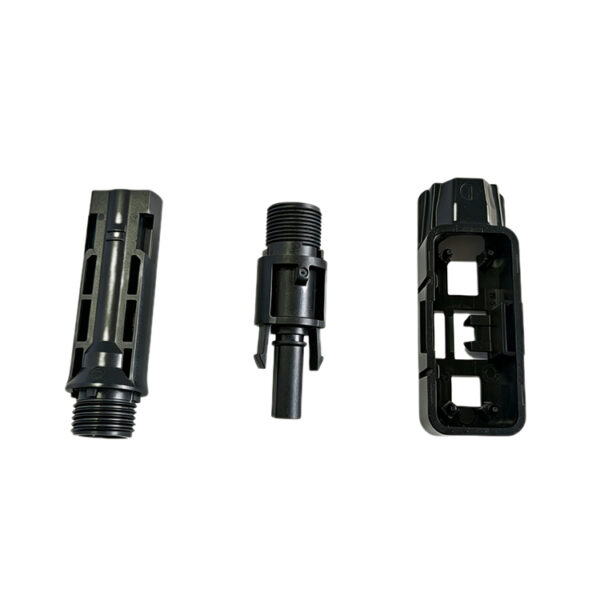
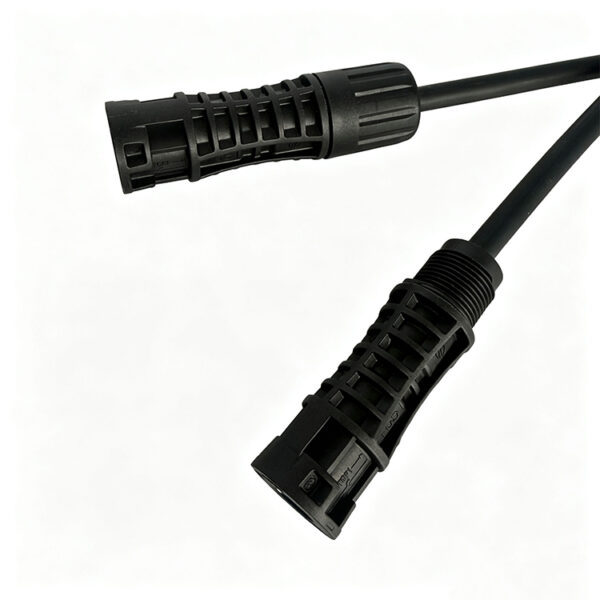
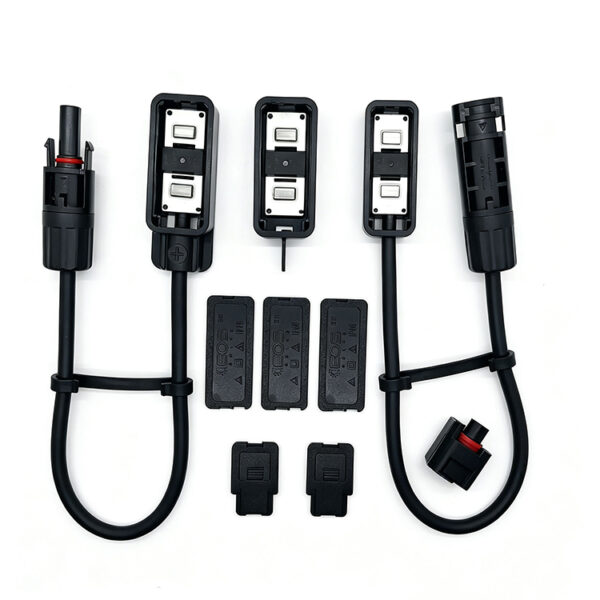
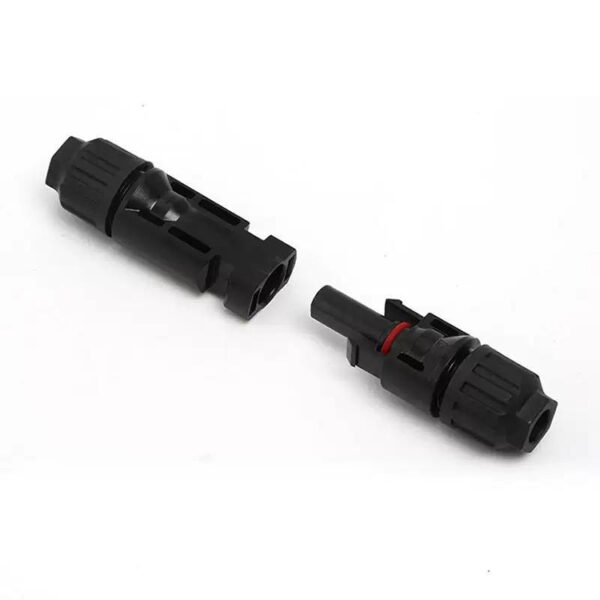
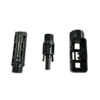
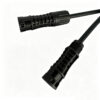
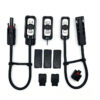
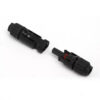
These molded housings provide the mechanical framework for compact electrical connector assemblies. Internal cavities locate terminals, while molded keys and locking tabs control mating orientation and retention. The pictured designs also incorporate threaded cable interfaces, strain-relief geometry and sealing locations for outdoor or protected connections. PA66 and glass-filled nylon are widely used for mechanically loaded connector bodies, while PBT is common where electrical insulation and dimensional stability are important. Housing geometry, terminal layout and sealing features can be customized to the customer drawing.
Injection molded connector housings protect and locate electrical terminals within cable and power interconnect assemblies. The pictured components combine molded terminal cavities, locking tabs, threaded cable-entry sections and sealing interfaces for O-rings or gaskets. Injection molding allows these functional features to be integrated into compact one-piece housings. Common materials include PA66, glass-filled nylon and PBT. Typical applications include sealed wire-to-wire connectors, photovoltaic cable connections, automotive wiring assemblies, industrial sensors and outdoor electrical equipment.
| Material | PA66, Glass-Filled Nylon, PBT and Other Engineering Thermoplastics |
| Manufacturing Process | Plastic Injection Molding; Side Actions or Inserts Where Required by Geometry |
| Part Features | Terminal Cavities, Locking Tabs, Keyed Mating Features, Threaded Cable Entries |
| Sealing Features | O-Ring Seats, Gasket Interfaces and Cable-Seal Retention Geometry |
| Assembly Features | Snap Locks, Polarization Features, Terminal Retainers and Strain-Relief Interfaces |
| Surface Finish | As-Molded, Matte or Mold-Textured Surface as Specified |
| Tolerance Requirements | Mating Geometry, Terminal Cavities, Seal Features and Latch Positions per Customer Drawing |
| Applications | Sealed Cable Connectors, PV Interconnects, Automotive Wiring, Sensors, Industrial Power Connections |