Before You Go, Let’s Talk About Your Parts
Tell us about your part, quantity, and key requirements. Nova Precision Manufacturing Co.,Ltd can help you choose suitable materials and manufacturing processes for your project.

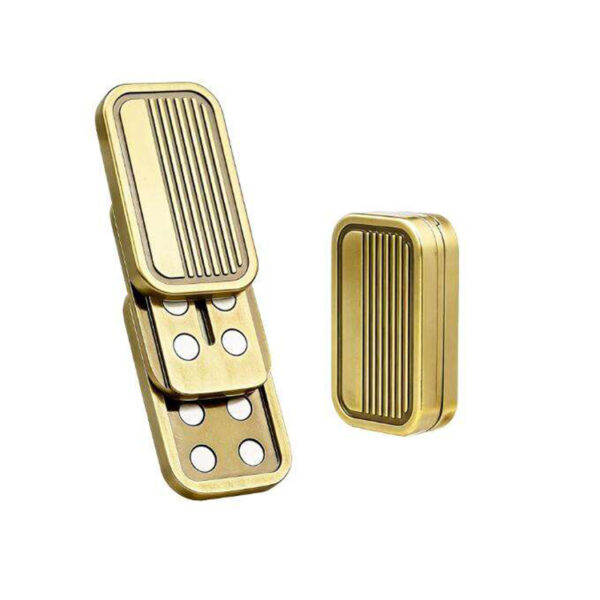
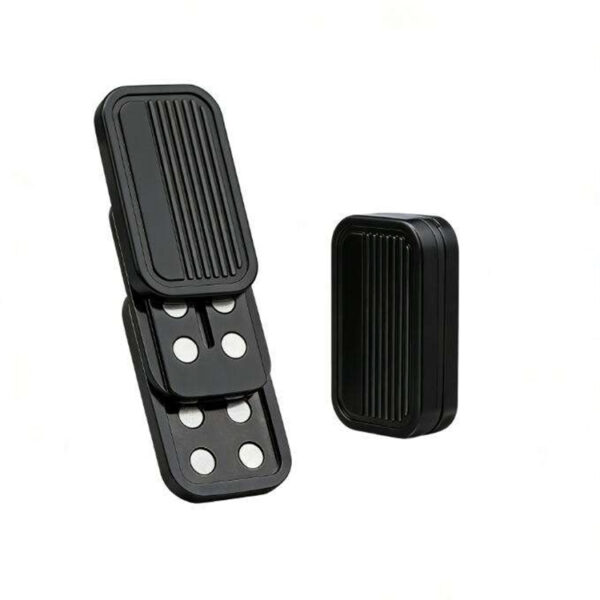
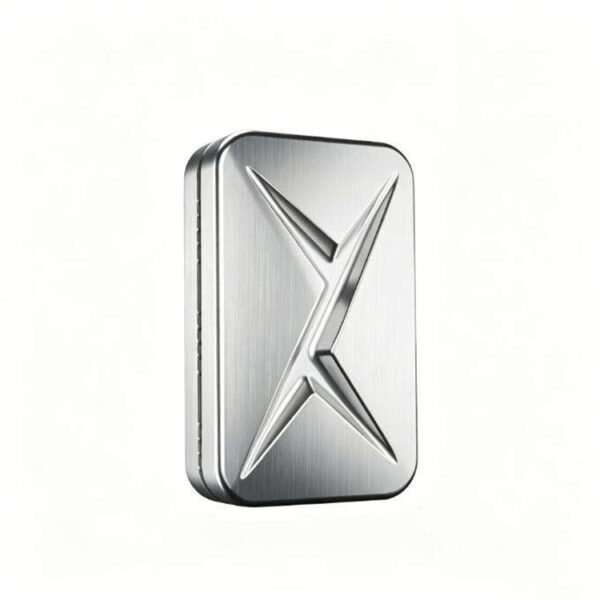
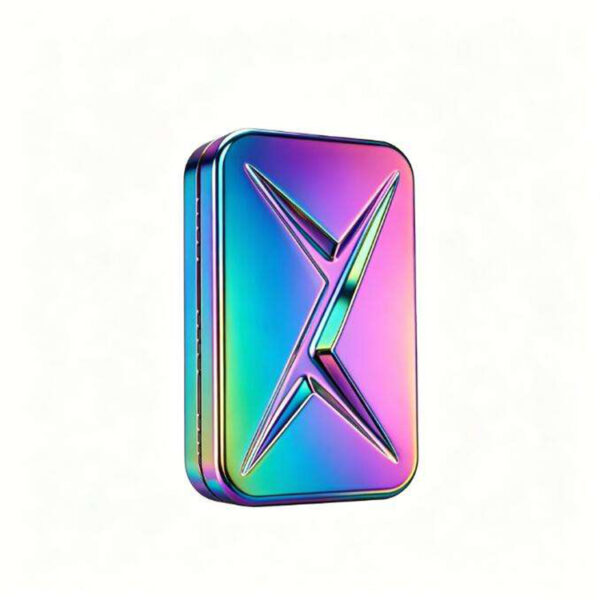
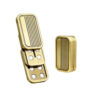
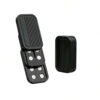
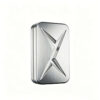
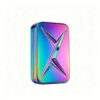
These custom magnetic sliders combine CNC-machined metal shells with recessed magnets to create controlled sliding resistance and tactile feedback in a pocket-sized EDC format. The body can incorporate parallel grip grooves, engraved artwork, smooth radiused edges, and internal magnet pockets while maintaining flat mating surfaces between the moving halves. Titanium, stainless steel, brass, and aluminum provide different combinations of weight, appearance, and finish options. Suitable for branded EDC products, collector accessories, desk fidgets, and custom tactile mechanisms.
Custom metal magnetic fidget sliders are compact EDC devices built around two machined bodies that move against magnetic resistance. CNC milling forms the rounded rectangular profile, recessed magnet pockets, sliding faces, and thumb-contact textures visible in the parts shown. Key features include concealed magnet arrays, radiused edges for comfortable handling, and grooved or engraved grip surfaces. Common materials include titanium, stainless steel, brass, and aluminum. Typical applications include pocket fidgets, desk accessories, collector EDC gear, and custom tactile products.
| Material | Titanium, stainless steel, brass, aluminum, or drawing-specified metal |
| Manufacturing Process | CNC milling, pocket machining, drilling, surface texturing, deburring, and component assembly |
| Part Features | Two-piece sliding body, internal magnet pockets, rounded perimeter, and thumb-contact grip pattern |
| Magnetic Interface | Recessed magnet locations and mating sliding surfaces configured according to product design |
| Surface Finish | As-machined, bead blasted, stonewashed, polished, anodized, or PVD-coated as specified |
| Critical Features | Sliding-face flatness, magnet-pocket position, edge radius, body alignment, and surface consistency per drawing |
| Applications | EDC fidget sliders, desk fidgets, collector accessories, tactile products, and pocket carry gear |
| Customization | Body profile, grip texture, magnet layout, engraved pattern, material, finish, and assembly configuration |