Before You Go, Let’s Talk About Your Parts
Tell us about your part, quantity, and key requirements. Nova Precision Manufacturing Co.,Ltd can help you choose suitable materials and manufacturing processes for your project.

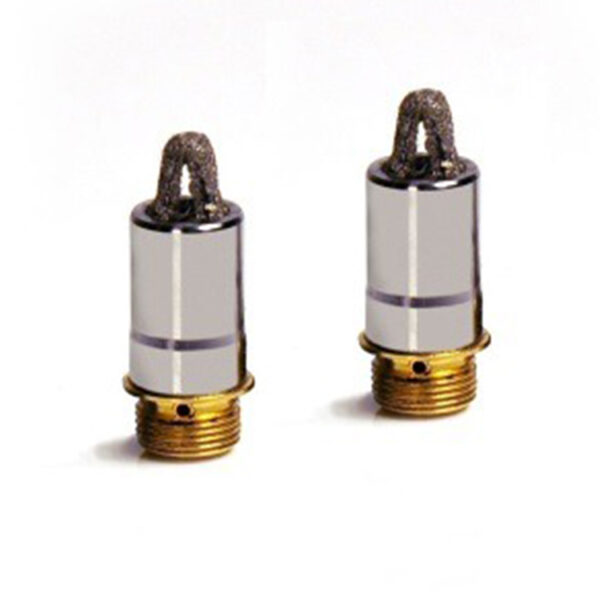
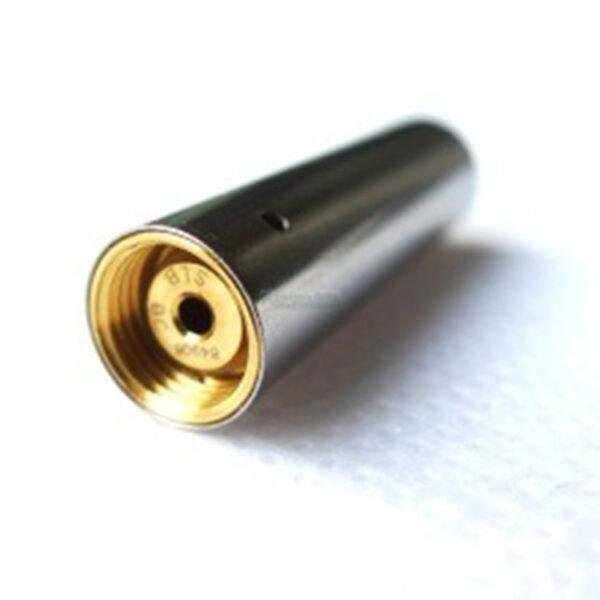
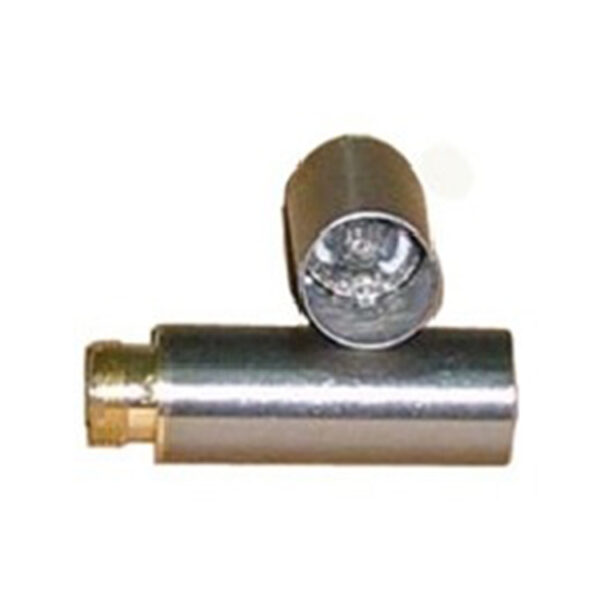
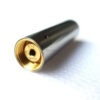
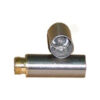
ound an atomizer assembly. Turning produces the cylindrical sleeve, internal steps and threaded base, while secondary drilling creates small radial openings for airflow or assembly functions. Stainless steel is commonly used for housings where corrosion resistance and dimensional stability are important, while brass or other copper alloys may be used for threaded or conductive interfaces. Dimensions, bore geometry, thread form and hole locations can be manufactured according to the customer’s component drawing.
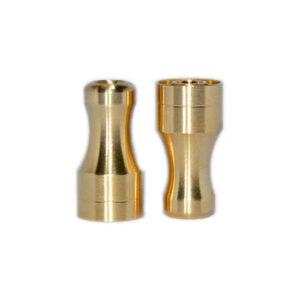
CNC machined atomizer housings and bases are cylindrical metal components used to support and connect internal atomizer assemblies. CNC turning forms the outer diameter, internal cavity and threaded connection, while drilling adds radial airflow or assembly holes. The pictured parts feature thin cylindrical sleeves, stepped internal bores and externally threaded base sections. Common materials include 304/316 stainless steel and brass, with copper alloys used for selected conductive features. Applications include atomizer shells, coil housings, threaded bases and airflow-related e-cigarette components.
| Material | 304 / 316 Stainless Steel, Brass, Copper Alloys for Selected Contact Features |
| Manufacturing Process | CNC Turning, Boring, Drilling, Threading and Secondary Machining |
| Part Features | Cylindrical Sleeve, Stepped Internal Bore, External Threaded Base, Radial Airflow Holes |
| Connection Features | Machined Male / Female Threads and Internal Assembly Interfaces per Drawing |
| Surface Finish | As-Machined, Polished, Passivated or Plated as Specified |
| Tolerance Requirements | Thread Fit, Bore Diameter, Concentricity and Hole Position per Customer Drawing |
| Applications | Atomizer Housings, Coil Sleeves, Threaded Bases, Airflow Components |
| Customization | Diameter, Length, Bore Geometry, Thread Form, Air Holes, Material and Finish per Drawing |