Before You Go, Let’s Talk About Your Parts
Tell us about your part, quantity, and key requirements. Nova Precision Manufacturing Co.,Ltd can help you choose suitable materials and manufacturing processes for your project.

Practical CNC design guidelines covering DFM, part geometry, tolerances, holes, threads, wall thickness, and other considerations for improving manufacturability and reducing machining costs.
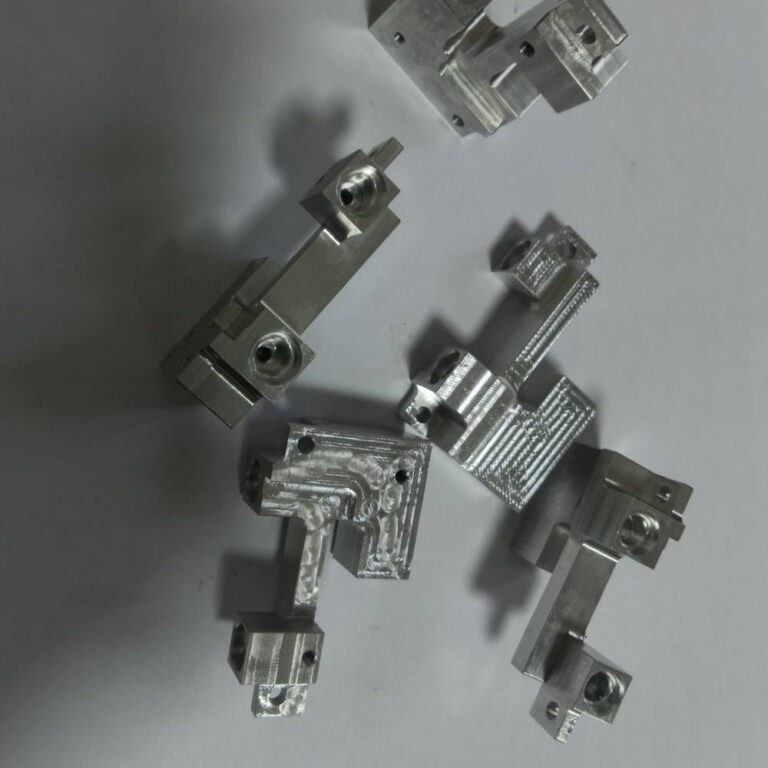
How to pick datum features for multi-sided CNC milled parts, carry them between setups, avoid common drawing mistakes, and prepare an RFQ that protects critical relationships.
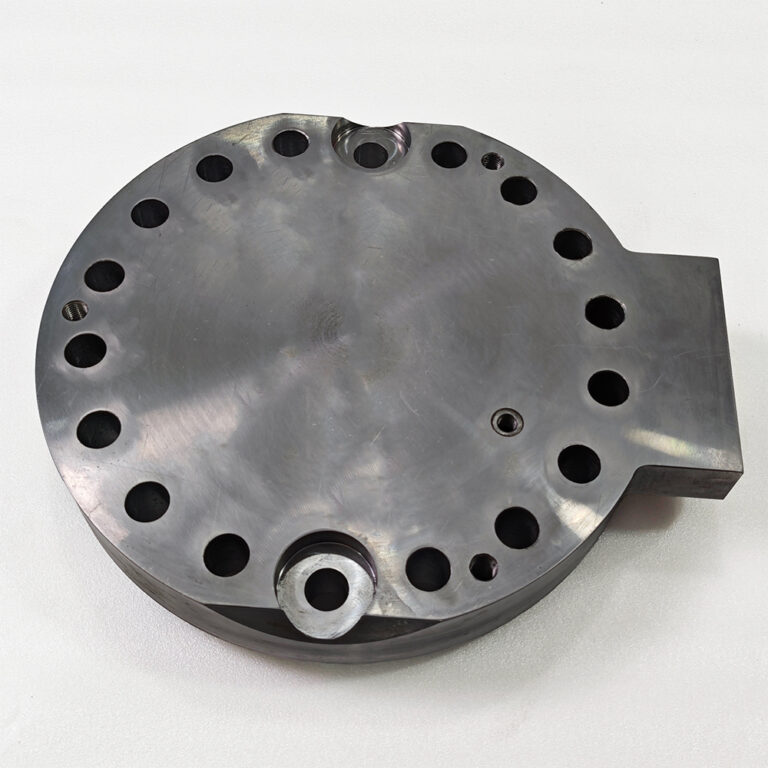
How to size O-ring grooves for CNC housings: squeeze, gland fill, corner radii, tool marks, tolerance stack-up and the drawing details a machine shop needs to quote.
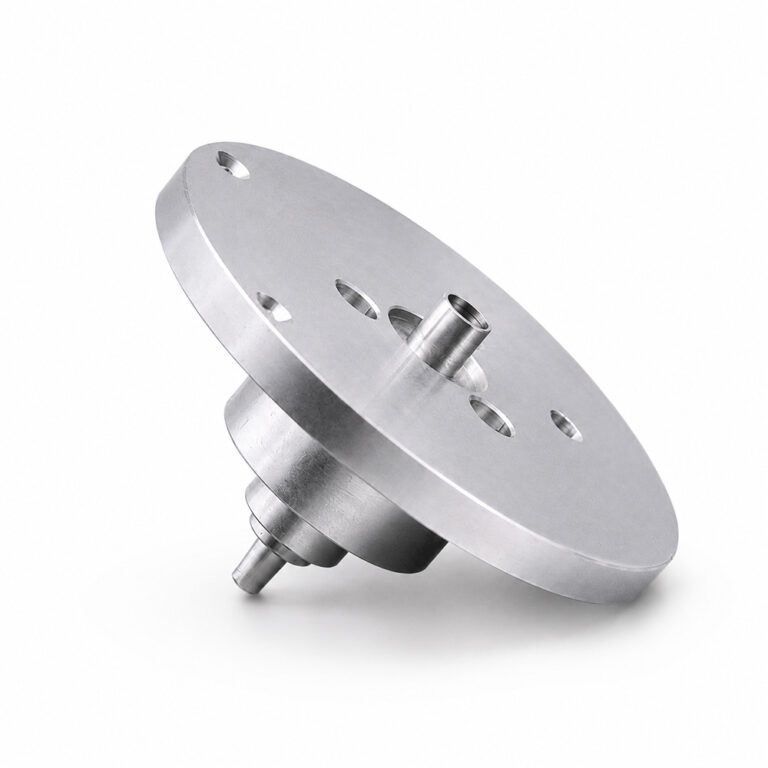
Learn when flanged parts suit CNC turning, milling or both, how datums, bolt holes and sealing faces affect the route, and what to verify before requesting a quote.
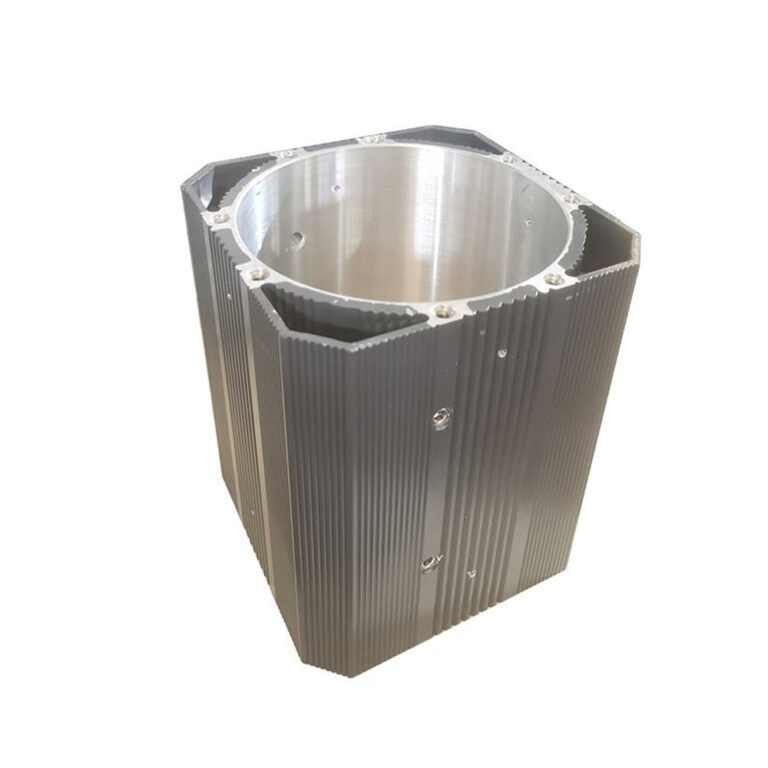
Learn when 5-axis CNC milling is worth the premium for aluminum housings, which features drive setups and tool reach, and how to prepare an RFQ that gets the right process quoted.
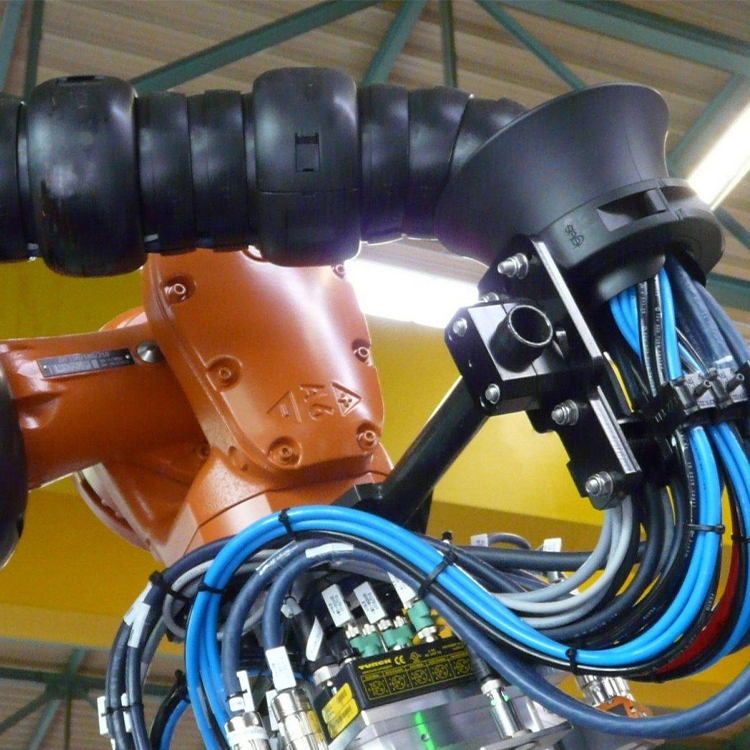
Robot cable management fails when engineers treat the guide as a plastic clip instead of part of the robot’s motion system. This guide explains how to design injection molded cable guides around routing, fatigue, material behavior, tooling, service access, and fast assembly.
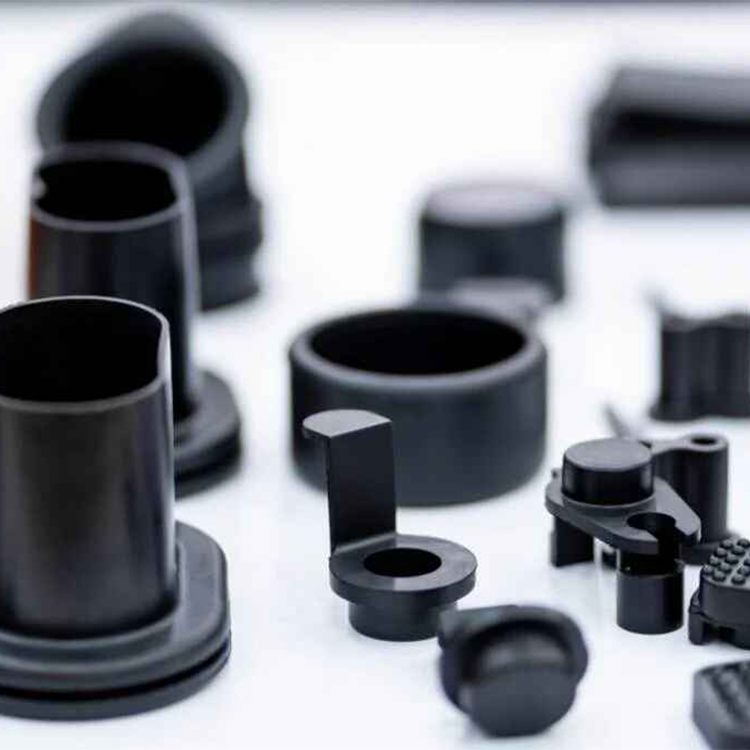
Injection molding wall thickness affects filling, cooling, shrinkage, warpage, sink marks, cycle time, and ultimately part cost. This DFM guide explains practical thickness ranges, transition rules, rib and boss design, and what engineers should validate before cutting steel.
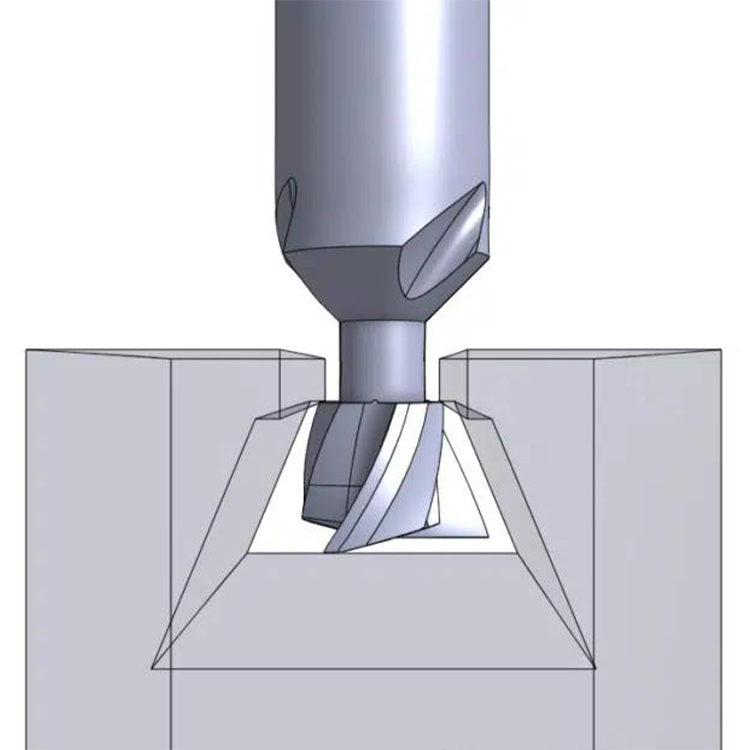
Undercuts look simple in CAD and become expensive on the machine. This guide explains how to design CNC machining undercuts around real cutter access, neck and holder clearance, tool rigidity, setup direction, and 3-axis or 5-axis capability.
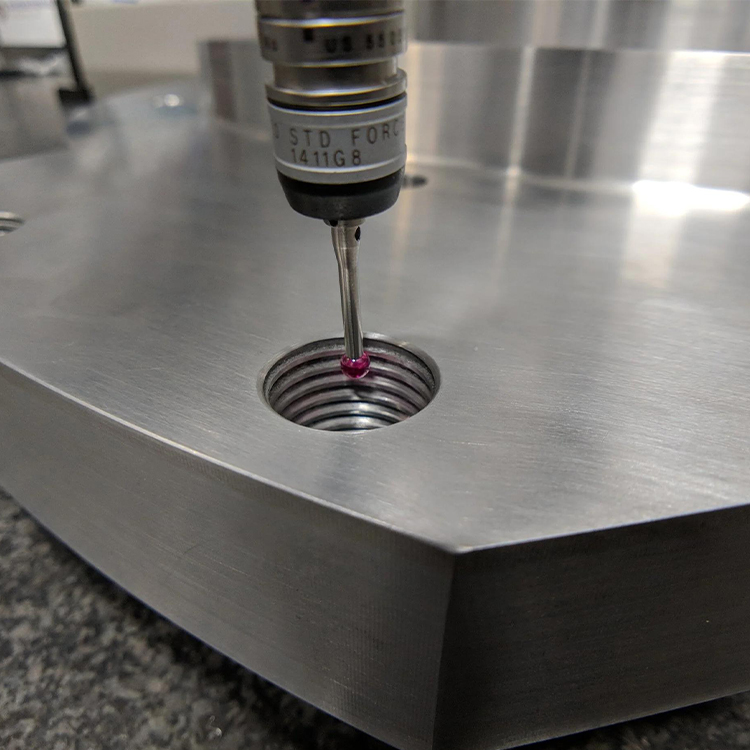
Good CNC thread design is not just a thread size on a drawing. Usable depth, runout, engagement, tolerance class, tool clearance, and inspection method all affect whether a threaded feature can be machined, assembled, and verified without expensive surprises.
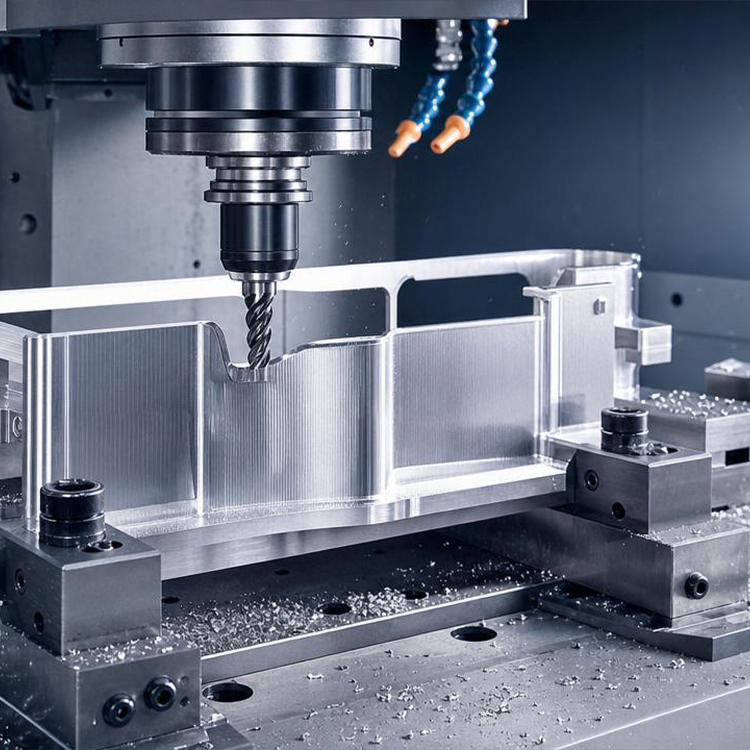
Thin walls can look simple in CAD and become surprisingly unstable on a CNC machine. This guide explains how engineers should specify thin-wall parts so the finished component stays within tolerance after machining, unclamping, inspection, and assembly.
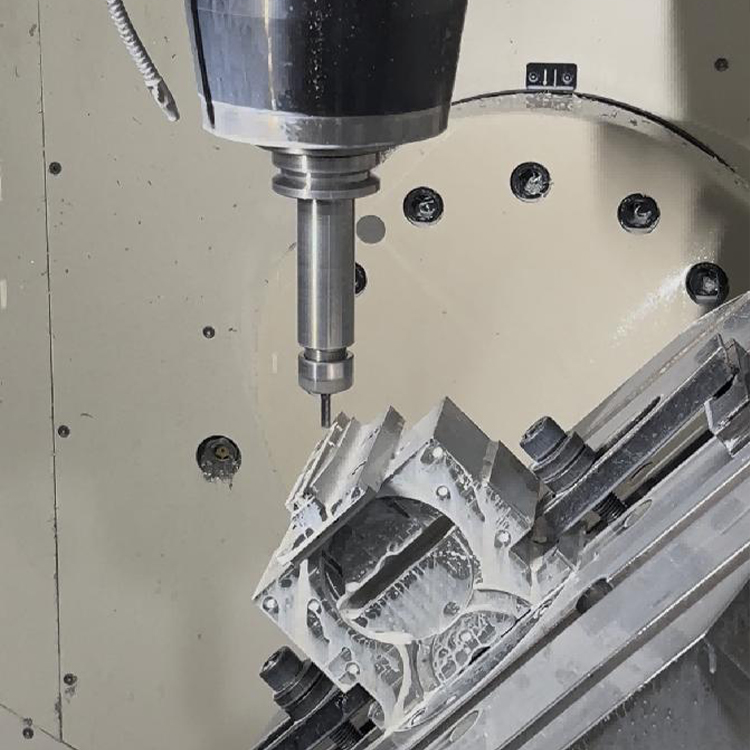
CNC pocket milling gets difficult long before a machine runs out of Z travel. This guide explains practical pocket depth-to-tool-diameter limits, why long-reach end mills fail, and what designers can change before deep pocket machining becomes expensive.