Before You Go, Let’s Talk About Your Parts
Tell us about your part, quantity, and key requirements. Nova Precision Manufacturing Co.,Ltd can help you choose suitable materials and manufacturing processes for your project.

Source lightweight, corrosion-resistant aluminum parts for prototypes and production. Nova Precision Manufacturing Co.,Ltd supports CNC machining, sheet metal fabrication, stamping, laser cutting, and die casting, with alloy, temper, finish, and documentation requirements confirmed before manufacturing.
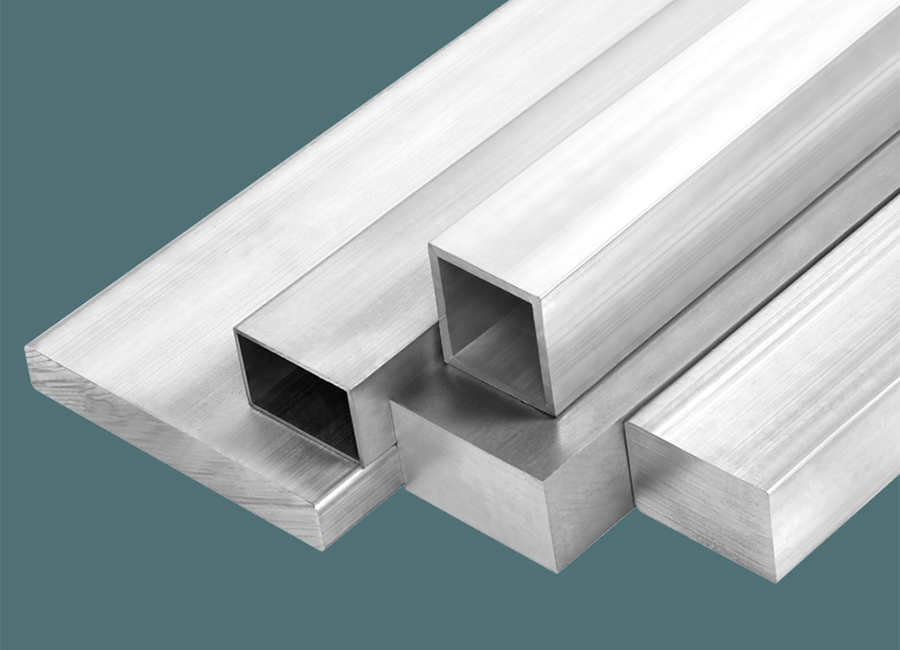
Aluminum combines low density with useful strength, corrosion resistance, thermal and electrical conductivity, and broad finishing flexibility. It is a practical choice for housings, brackets, frames, enclosures, heat-transfer components, fixtures, and other parts where weight matters.
Nova Precision produces aluminum components through CNC milling and turning, laser cutting, sheet metal fabrication, stamping, die casting, and secondary machining. The manufacturing route and stock form are selected around part geometry, quantity, tolerance, and finish requirements.
Grade selection matters because aluminum alloys do not behave the same during cutting, bending, welding, casting, or finishing. A material that performs well as machined plate may be unsuitable for a deep bend, welded assembly, or high-pressure die-cast geometry.
Available surface options can include as-machined, bead-blasted, brushed, polished, anodized, chemical conversion coated, powder-coated, painted, or plated finishes. Selection depends on appearance, corrosion exposure, wear, electrical contact, masking, and dimensional requirements.
A versatile and economical alloy with good machinability, corrosion resistance, weldability, and anodizing response. Commonly used for housings, brackets, fixtures, frames, and general mechanical parts.
A high-strength alloy with good fatigue performance for load-bearing parts where weight matters. Common applications include aerospace fittings, robotics components, performance equipment, and precision structural parts.
A strong, fatigue-resistant alloy with good machinability. It is often selected for aerospace and demanding mechanical components but normally needs protective finishing in corrosive environments.
A formable, weldable, and highly corrosion-resistant sheet alloy for enclosures, panels, brackets, covers, tanks, marine components, and other bent sheet-metal parts.
A widely used die-casting alloy with good castability, dimensional stability, and thermal performance. Suitable for complex housings, covers, heat-dissipating components, and repeat production parts.
“Aluminum” alone is not a complete material specification. Alloy and temper influence strength, fatigue performance, bendability, weldability, corrosion behavior, and dimensional stability. Stock form and grain direction can also affect thin, flat, or highly machined components.
Share your CAD model and drawing with the required quantity, critical tolerances, load conditions, operating environment, and finish specifications. Our team can compare machining, sheet-metal, stamping, and die-casting routes and identify features that may distort, mark, or accumulate coating thickness before quotation.