Before You Go, Let’s Talk About Your Parts
Tell us about your part, quantity, and key requirements. Nova Precision Manufacturing Co.,Ltd can help you choose suitable materials and manufacturing processes for your project.

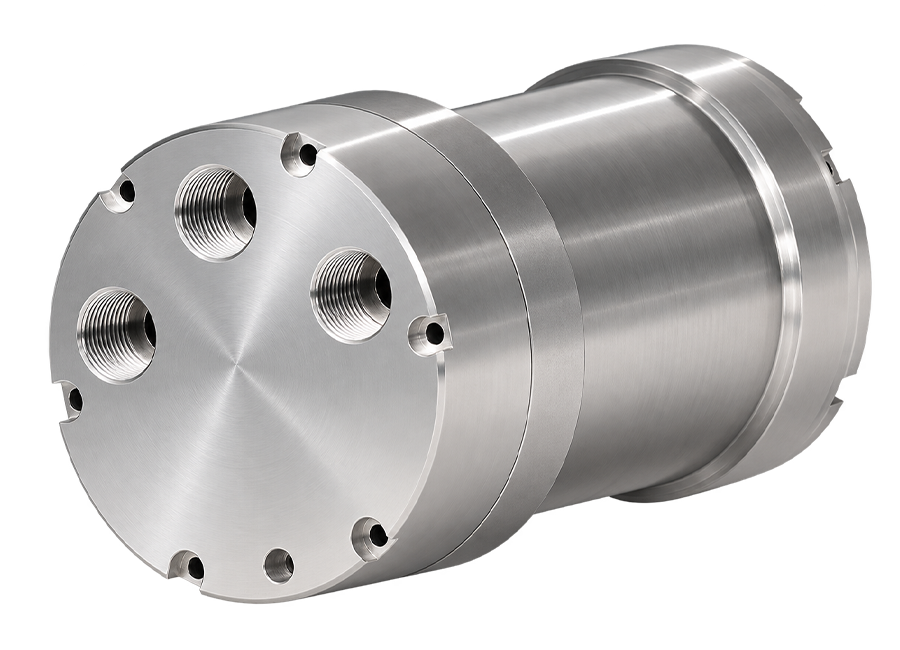
Manufacture precision rotational metal and plastic components with CNC lathe machining. From facing and diameter turning to bores, grooves, tapers, threads and parting operations, we support prototypes, low-volume production and repeat manufacturing.
Nova Precision Manufacturing Co.,Ltd provides CNC lathe machining for custom metal and plastic components built around rotational geometry, controlled diameters, end faces, internal bores, grooves, threads, and stepped profiles.
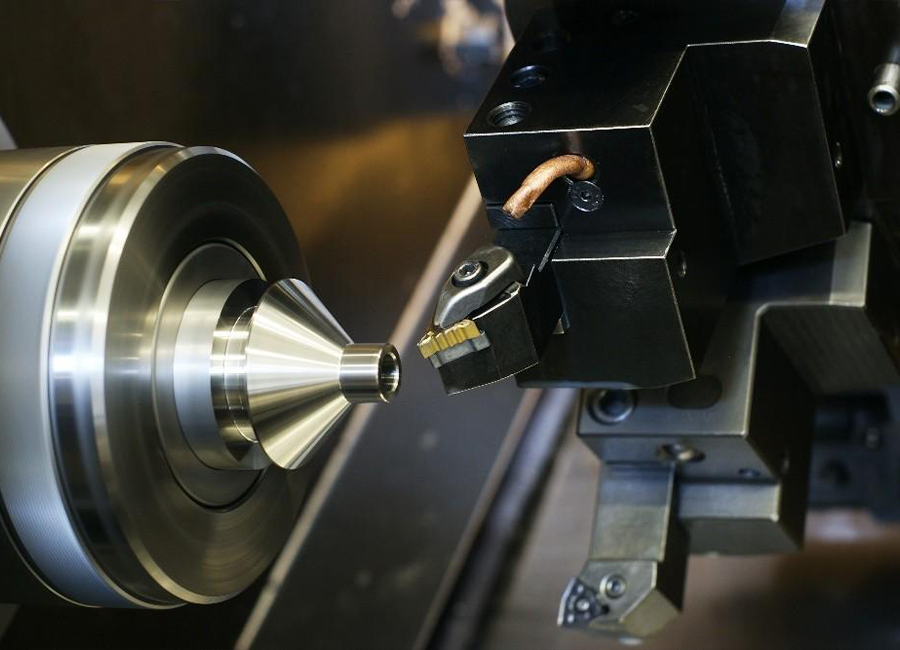
Round bar or other suitable stock is held in a chuck or collet and rotated while programmed cutting tools progressively create the required external and internal features. Different lathe tools can be used within the machining sequence for facing, straight turning, tapering, boring, reaming, threading, grooving, chamfering, and parting.
CNC lathe machining is particularly suitable for components requiring:
CNC lathe machining efficiently produces rotational components while maintaining consistent relationships between diameters, faces, bores, and axial features.
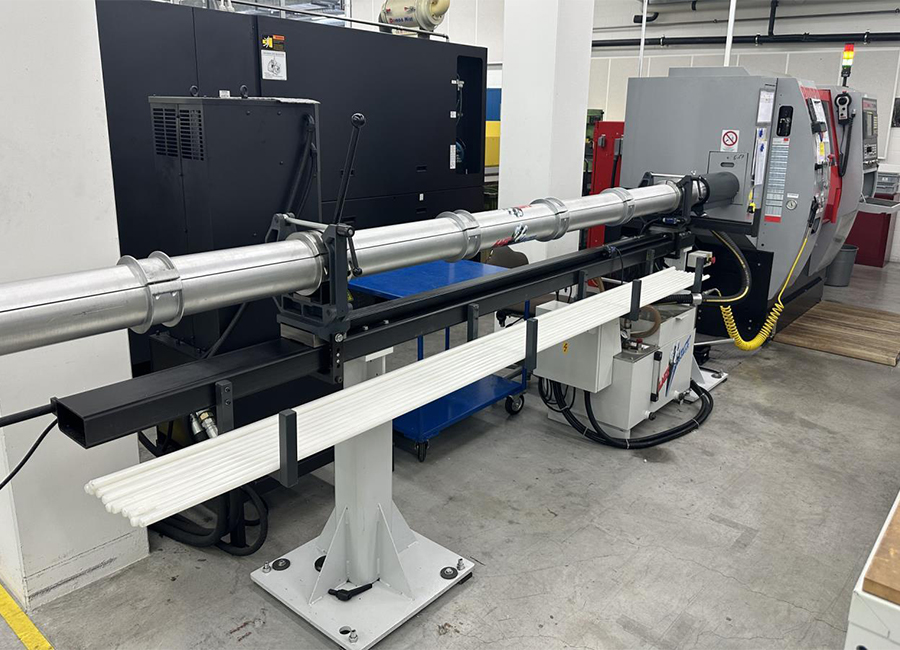
CNC lathe machining uses a computer-controlled lathe to shape rotational parts by spinning the workpiece while cutting tools progressively remove material from its outside, end faces, and internal features.
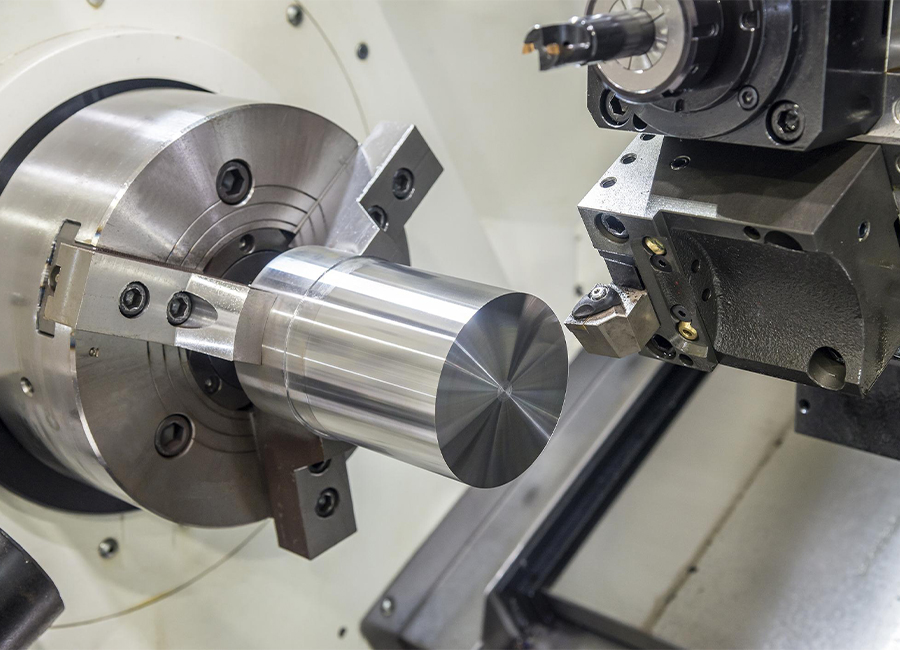
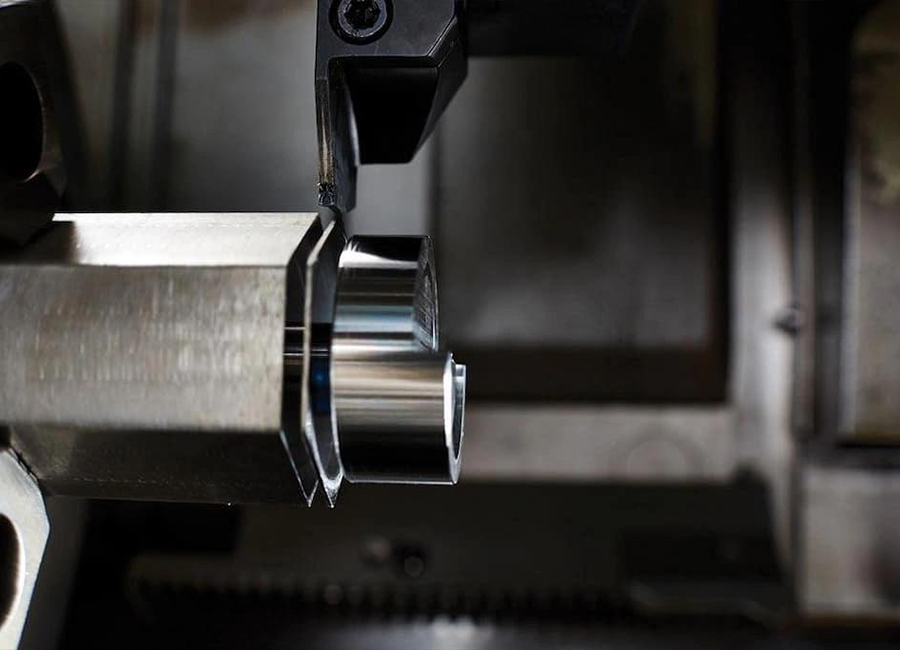
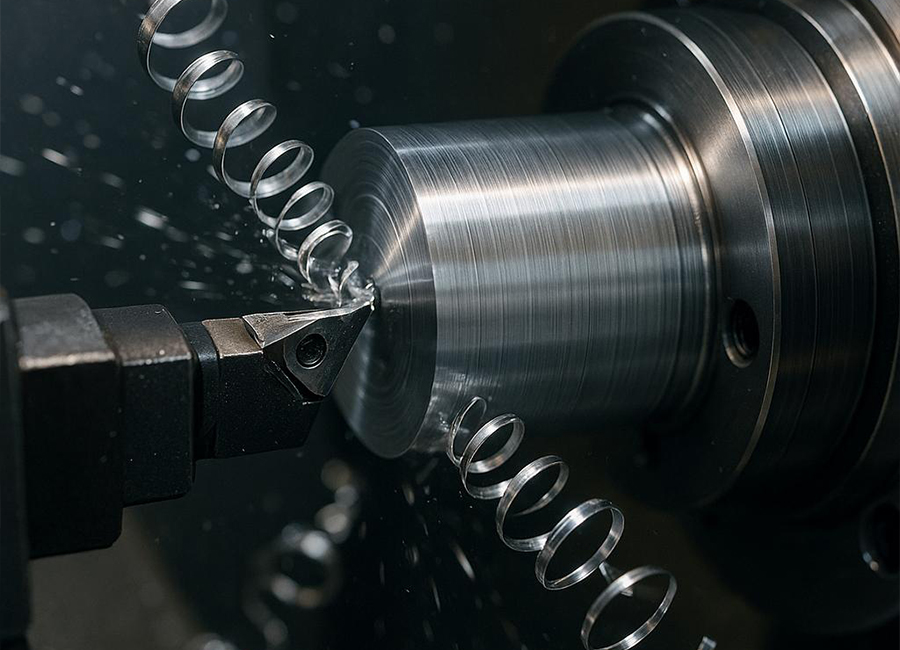
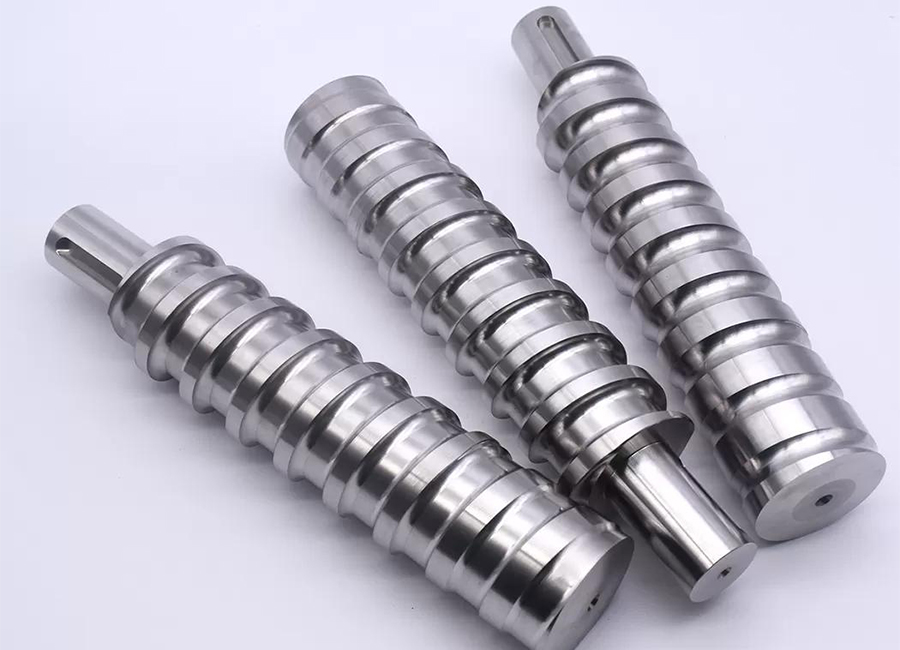
Common external lathe operations include:
CNC lathes can also machine internal and detailed features using dedicated cutting tools while maintaining the same rotational reference.
Internal machining is particularly useful when bores, threads, recesses, and precision internal diameters must remain accurately related to the component’s outside geometry.
Common internal and detail operations include:
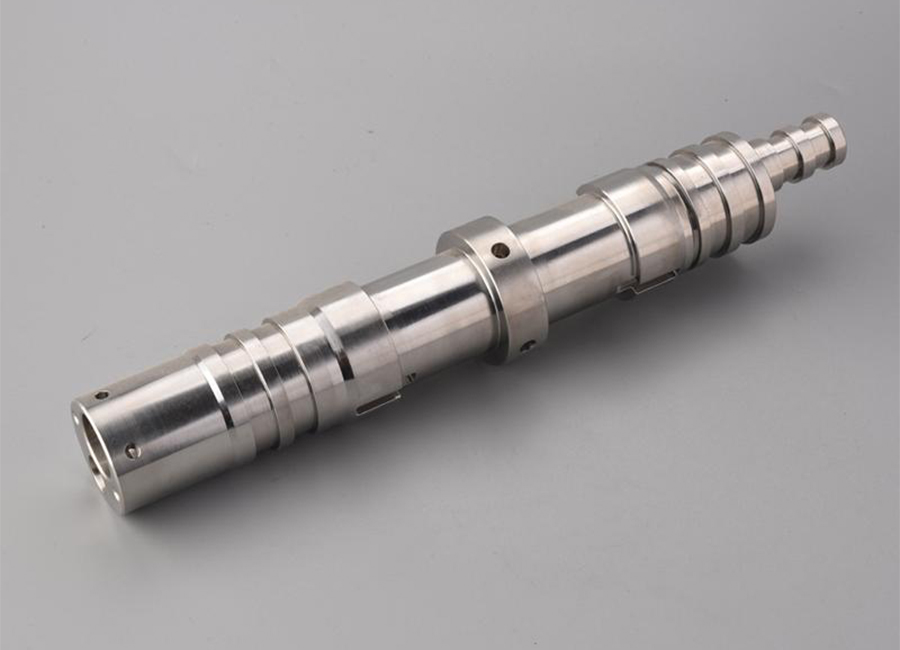
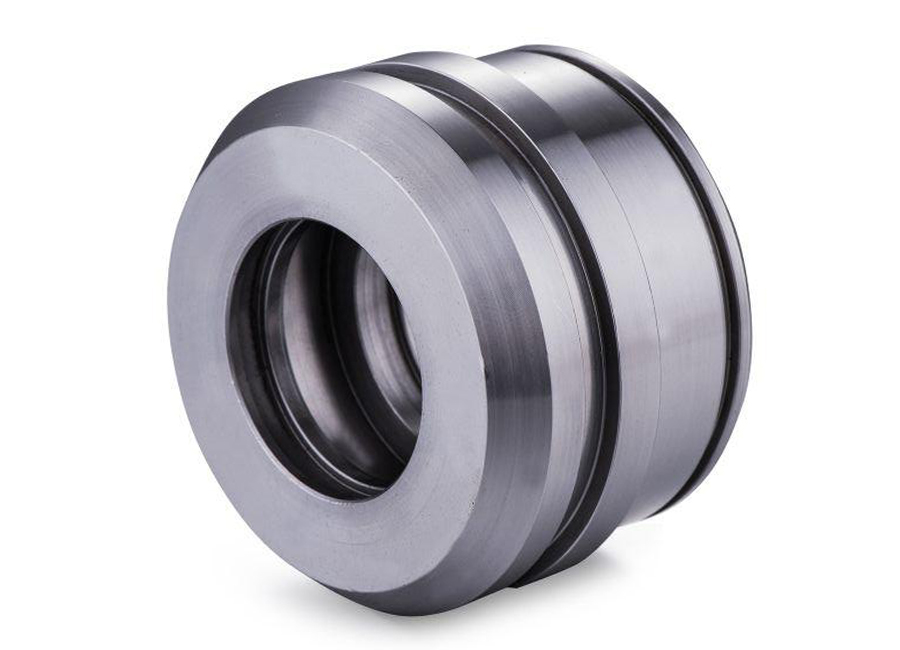
CNC lathe machining is particularly effective when most of a component’s geometry is arranged around a common rotational centerline.
Parts with several controlled diameters, axial faces, internal bores, grooves, tapers, or threads can often be produced efficiently through a planned sequence of lathe operations.
CNC lathe machining is well suited to components requiring:
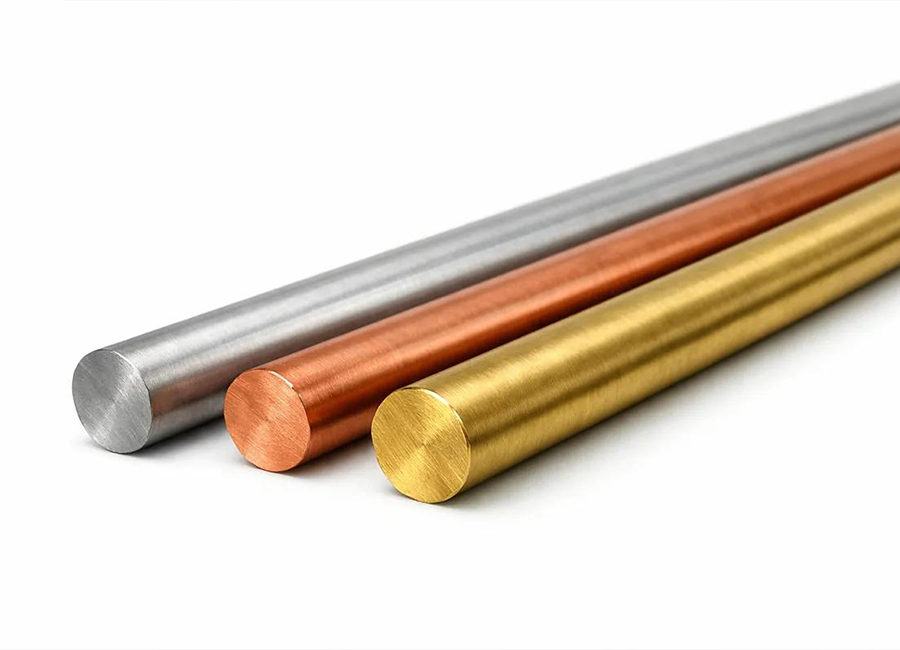
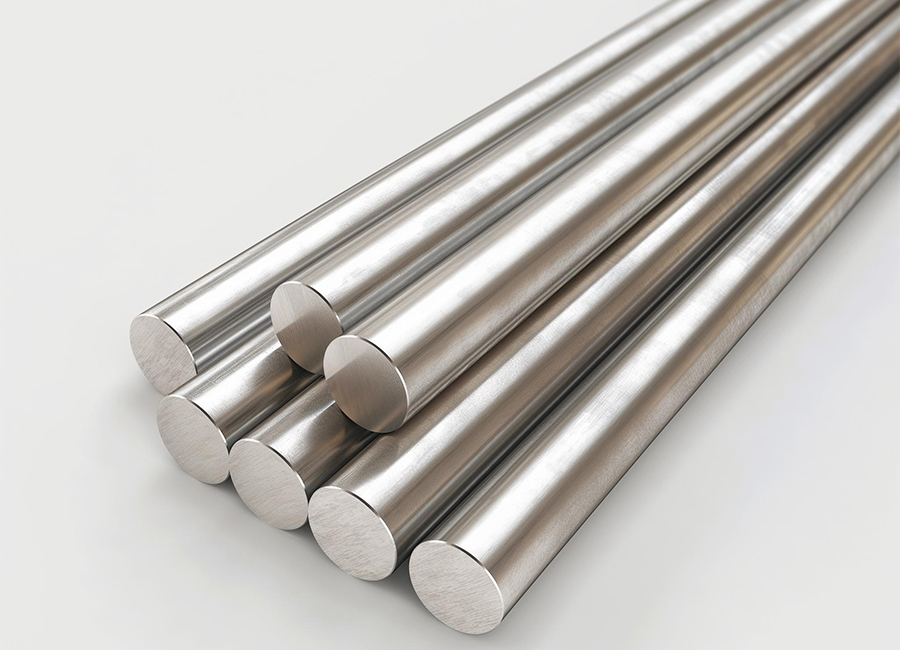
CNC lathe machining supports a wide range of metals and engineering plastics supplied as round bar, tube, or other suitable stock. Material selection influences cutting speed, chip control, tool wear, dimensional stability, and the achievable surface finish on rotational features.
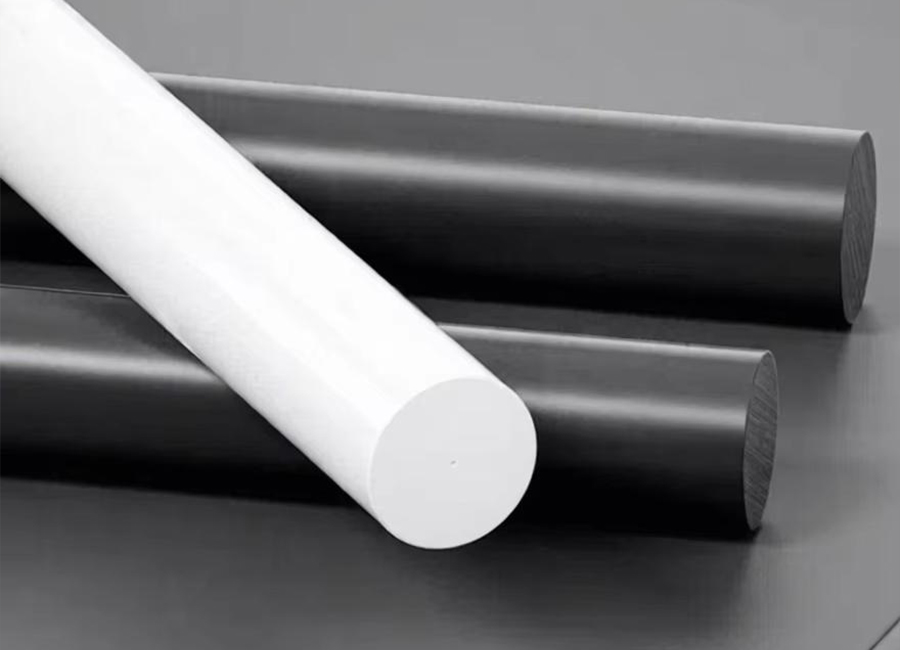
We also lathe-machine engineering plastics including Nylon, PTFE, Polycarbonate, ABS, Acrylic, HDPE, UHMW, PVC, PPSU, PP, PET, and PEI.
Aluminum and brass generally machine efficiently and can produce clean cylindrical surfaces. Stainless steel and alloy steels require greater control of cutting forces and tool wear, while titanium benefits from carefully managed cutting speed and heat. Copper can also be lathe machined where electrical or thermal conductivity is important.
Engineering plastics can be suitable for rollers, spacers, collars, insulating components, low-friction parts, and other rotational applications. Material selection should consider stock diameter, wall thickness, unsupported length, required surface finish, dimensional stability, and the operating environment of the finished component..

General Lathe Tolerance
Thin-Wall Reference
As-Machined Surface
Final dimensional capability depends on how securely and consistently the rotating workpiece can be machined throughout the complete operation sequence.
A structured CNC lathe workflow keeps workholding, diameters, faces, internal features, surface requirements, and inspection criteria aligned from production planning through final delivery.
Send your 3D CAD model, 2D technical drawing, material, quantity, dimensional tolerances, threads, and surface finish requirements.
We review rotational geometry, stock diameter, gripping area, part length, internal features, wall thickness, and critical dimensional relationships.
Facing, straight turning, tapering, boring, grooving, threading, reaming, and parting operations are arranged into an efficient machining sequence.
The workpiece rotates in the chuck while programmed cutting tools progressively create the required outside diameters, faces, shoulders, bores, grooves, threads, and tapered features.
Outside and inside diameters, shoulder locations, lengths, bores, grooves, threads, runout, and specified surface requirements are verified against the drawing.
After machining is complete, the finished component is parted from the remaining stock, deburred, finished if required, final-inspected, packed, and prepared for shipment.
Quality control for CNC lathe parts focuses on the rotational and axial relationships that determine fit, motion, sealing, and assembly performance. Critical diameters, faces, bores, grooves, threads, runout, and surface requirements should be verified against the approved technical drawing.
Common CNC lathe operations include:
Different tools are selected according to the external, internal, and surface features required on the component.
Send Nova Precision Manufacturing Co.,Ltd your CAD model, technical drawing, material, quantity, dimensional tolerances, threads, grooves, bores, and surface finish requirements for manufacturing review.