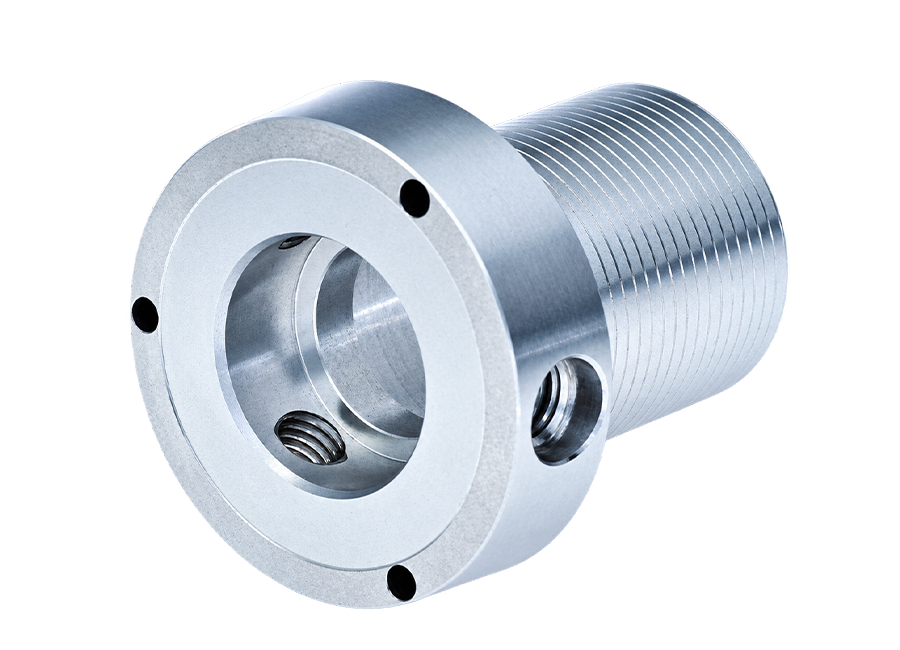
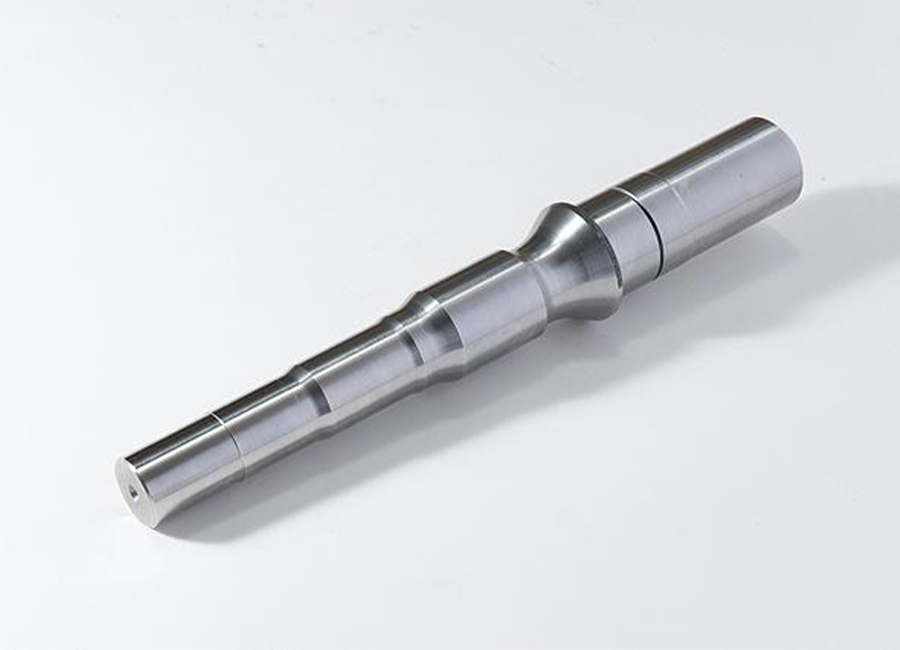
complex cnc turned aluminum housing

Precision CNC Turning for Custom Parts

Manufacture precision cylindrical metal and plastic parts with CNC turning and live-tool machining. From shafts, pins and bushings to threaded fittings and complex turned components, we support prototypes, low-volume production and repeat manufacturing.

What Is CNC Turning?

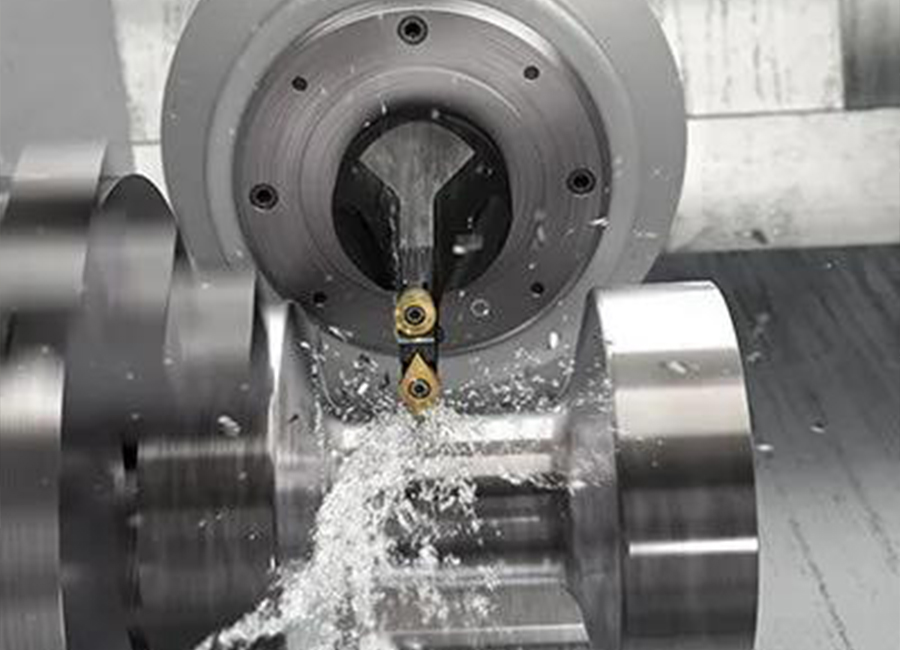
CNC turning is a subtractive manufacturing process in which a workpiece rotates while computer-controlled cutting tools remove material to create precise cylindrical and rotational parts.
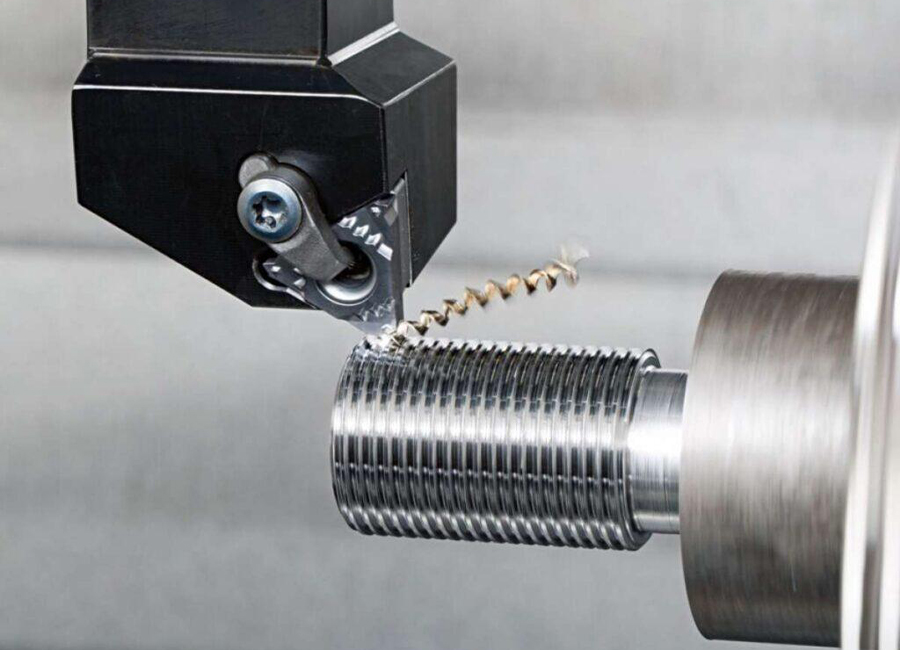
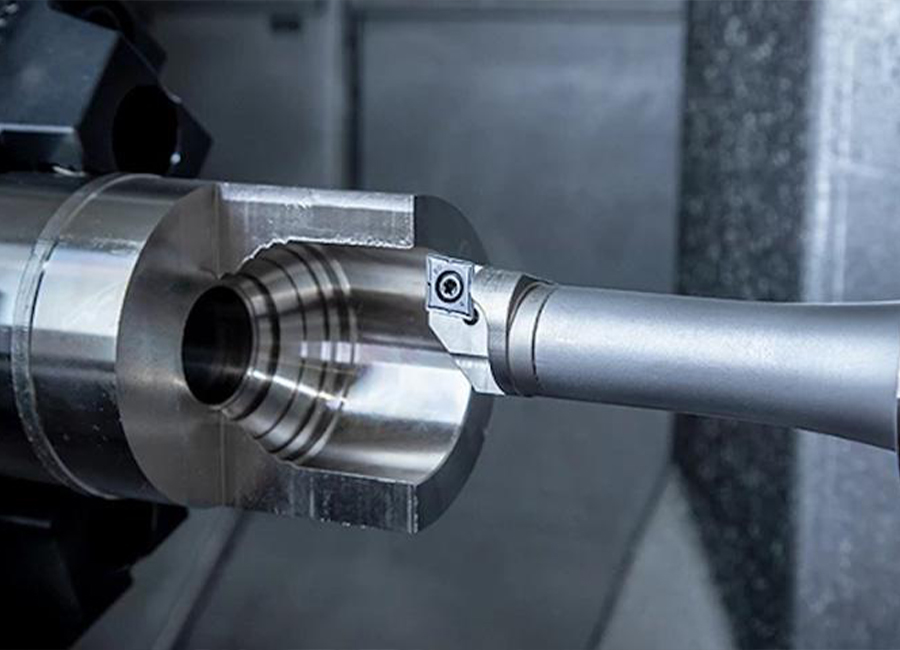
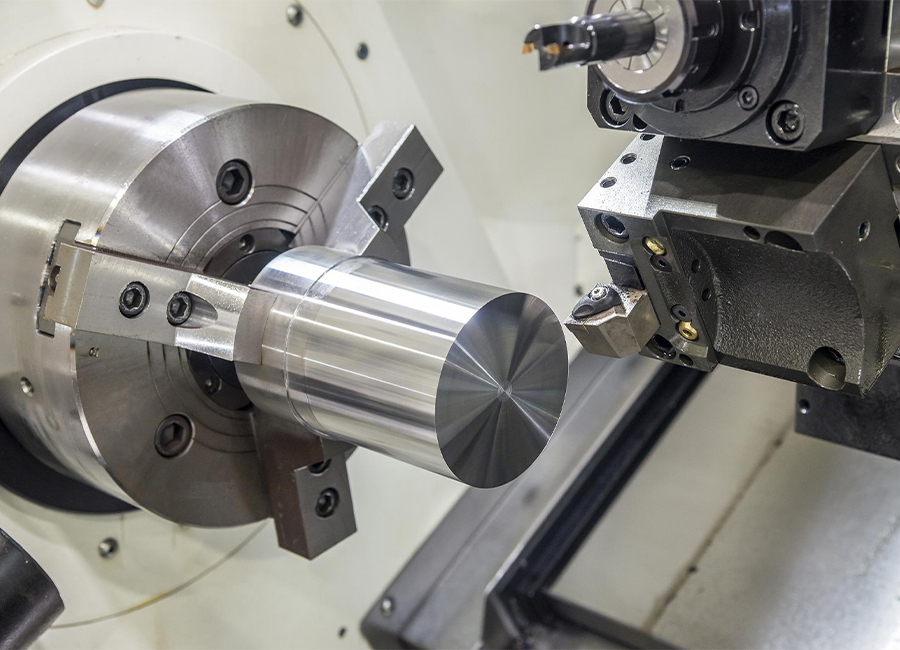
The process typically begins with round bar or stock material secured in the chuck of a CNC lathe. As the spindle rotates the workpiece, programmed cutting tools remove material to form the required outside diameters, shoulders, tapers and other rotational features.
CNC turning can perform operations including facing, threading, grooving, boring, drilling, reaming and chamfering, making it especially suitable for shafts, pins, bushings, sleeves, spacers and fittings.
Because the workpiece rotates around a defined centerline, CNC turning is highly effective for components requiring accurate diameters, internal bores, concentric surfaces, threads and stepped profiles.
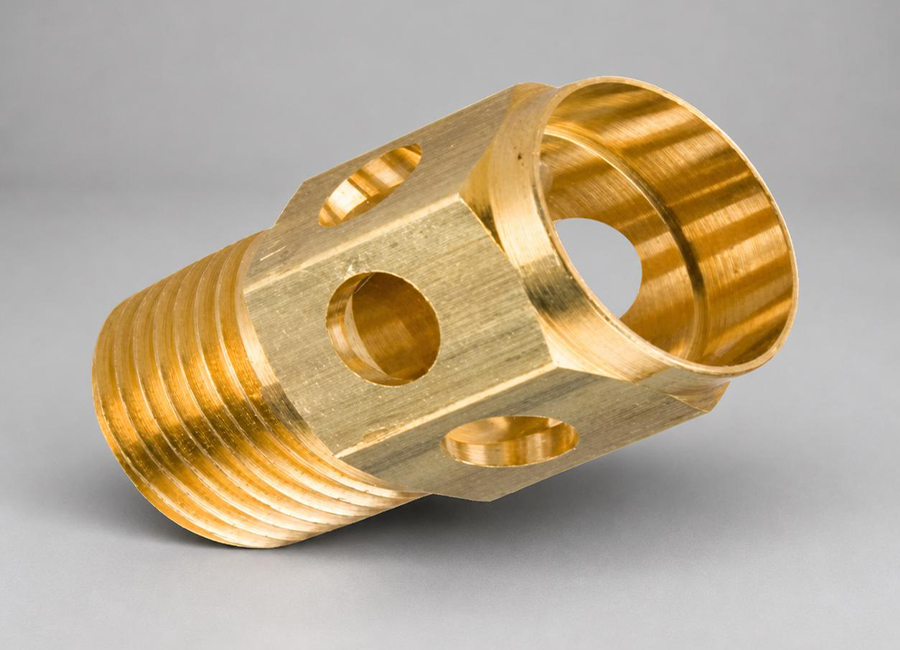
Modern CNC turning centers with live tooling can also machine additional features such as axial holes, radial holes, flats, slots and grooves, allowing more complex components to be completed with fewer secondary machining operations.
CNC Turning
CNC Turning
CNC Turning
CNC Turning

CNC Turning and Live-Tool Capabilities

CNC machining covers many cutting operations, but CNC milling and CNC turning are two of the most widely used processes for manufacturing precision components.

The right process depends primarily on the geometry of the part.
CNC Turning and Live-Tool Capabilities

Precision CNC Turning

Precision CNC turning rotates the workpiece while programmed cutting tools remove material to produce accurate cylindrical and concentric features.

It is particularly effective for parts requiring controlled outside diameters, internal bores, shoulders, grooves, tapers, threads and stepped profiles.

Common CNC turning operations include:

  • Outside diameter turning
  • Facing
  • Boring
  • Grooving
  • Threading
  • Taper turning
  • Drilling
  • Reaming
CNC turning is commonly used for shafts, pins, bushings, sleeves, spacers, fittings and other rotational components.

Live-Tool CNC Turning

Modern CNC turning centers can use powered live tools to machine additional features while the component remains in the turning setup.

This makes it possible to combine conventional turning with selected milling and drilling operations, reducing the need to transfer the part between multiple machines.

Live-tool turning can produce features including:
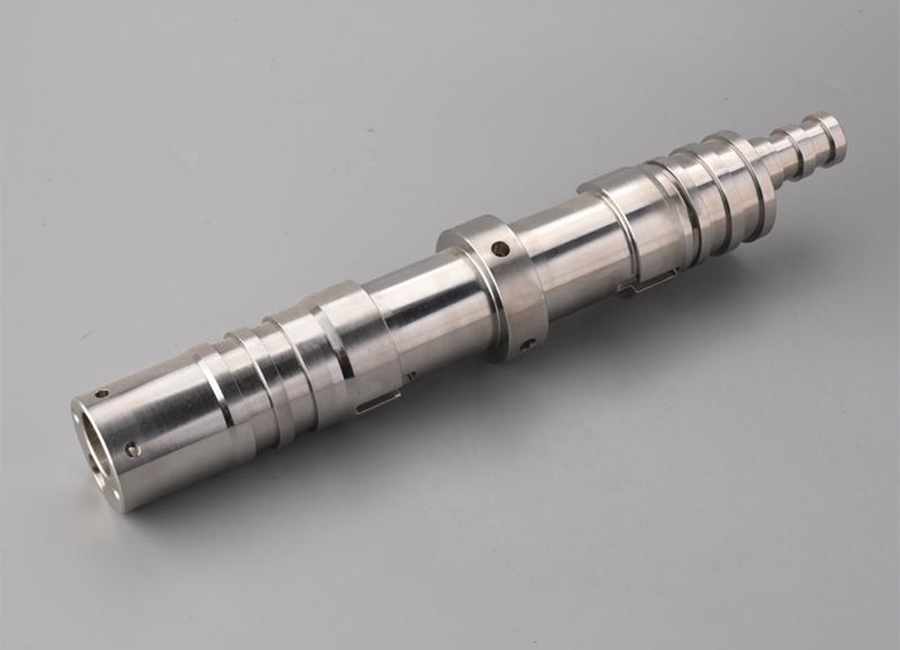
  • Axial holes
  • Radial holes
  • Flats
  • Slots
  • Grooves
  • Keyways
  • Milled faces
  • Cross holes
This process is especially useful for complex cylindrical components that require both rotational features and secondary machined details.
CNC Turning and Live-Tool Capabilities

What Parts Are Best Suited to CNC Turning?

CNC turning is generally the most efficient choice when the primary geometry of a component is cylindrical, concentric or rotational.

Parts with controlled diameters, internal bores, stepped profiles, threads, grooves and rotational surfaces are particularly well suited to CNC turning.

Typical CNC turned components include:

  • Shafts and axles
  • Pins and dowels
  • Bushings
  • Sleeves and spacers
  • Threaded fittings
  • Connectors and adapters
  • Valve components
  • Custom cylindrical components
Parts that combine round geometry with flats, slots, cross holes or radial features may also be produced using live-tool CNC turning.

For predominantly rectangular, prismatic or multi-face parts with extensive pockets and complex surface geometry, CNC milling is generally the more appropriate process.

Materials for CNC Turning

CNC machining works with a wide range of metals and engineering plastics, allowing material selection based on strength, weight, corrosion resistance, dimensional stability, wear performance, and application requirements.

  • Aluminum
  • Stainless Steel
  • Steel Alloy
  • Low Carbon Steel
  • Brass
  • Copper
  • Titanium
  • Acetal / Delrin (POM)

We also machine engineering plastics for turned components, including Nylon, PTFE, Polycarbonate, ABS, Acrylic, HDPE, UHMW, PVC, PPSU, PP, PET, and PEI.

Aluminum and brass are well suited to efficient CNC turning, while stainless steel, alloy steel, and titanium are commonly selected for parts requiring greater strength, wear resistance, or corrosion resistance. Engineering plastics can be used for lightweight, low-friction, electrically insulating, and chemical-resistant components.

Material choice also affects achievable wall thickness, dimensional stability, surface finish, cutting parameters, and overall manufacturing cost. Send us your CAD files, drawing requirements, and application details, and our team can help evaluate a suitable material for your turned part.
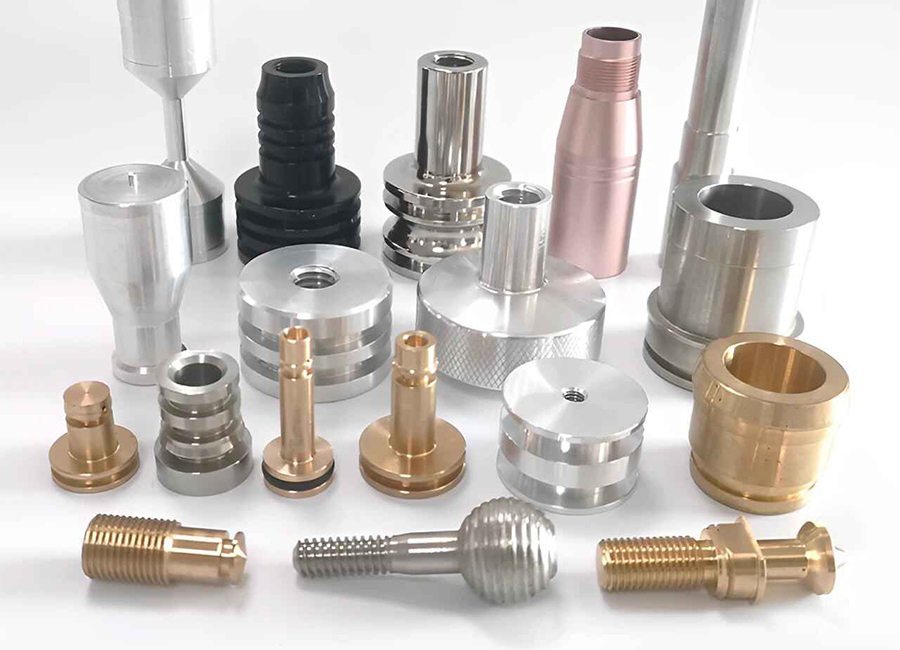
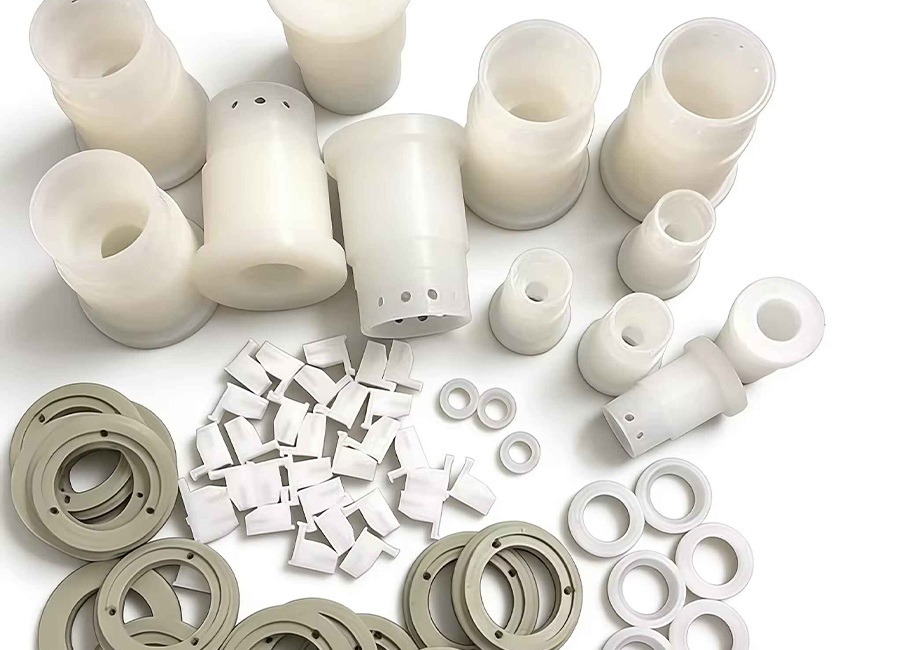
CNC turned components made from metals and engineering plastics
CNC turned POM PTFE and nylon plastic bushings
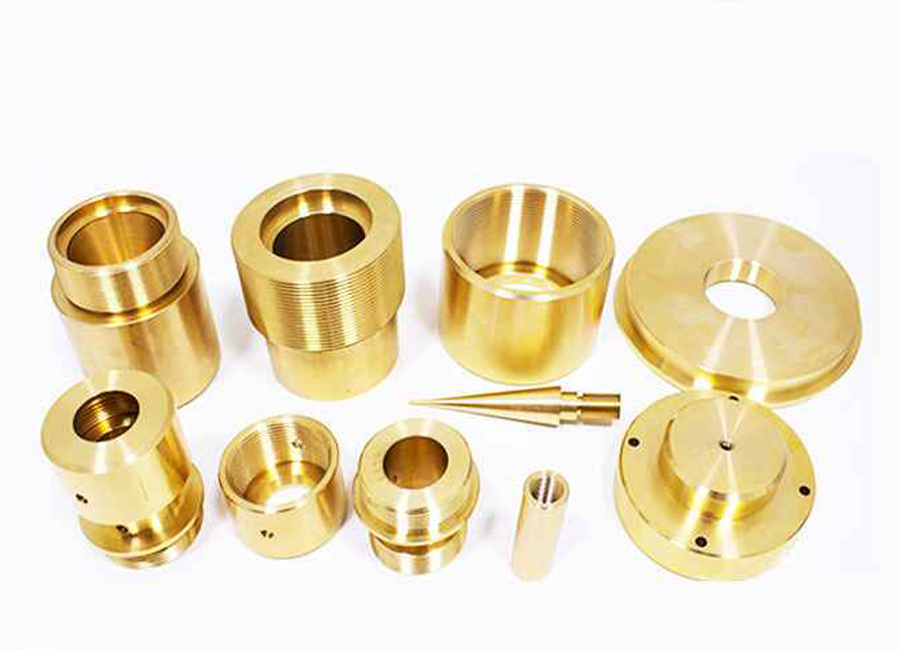
Precision CNC turned aluminum and brass components
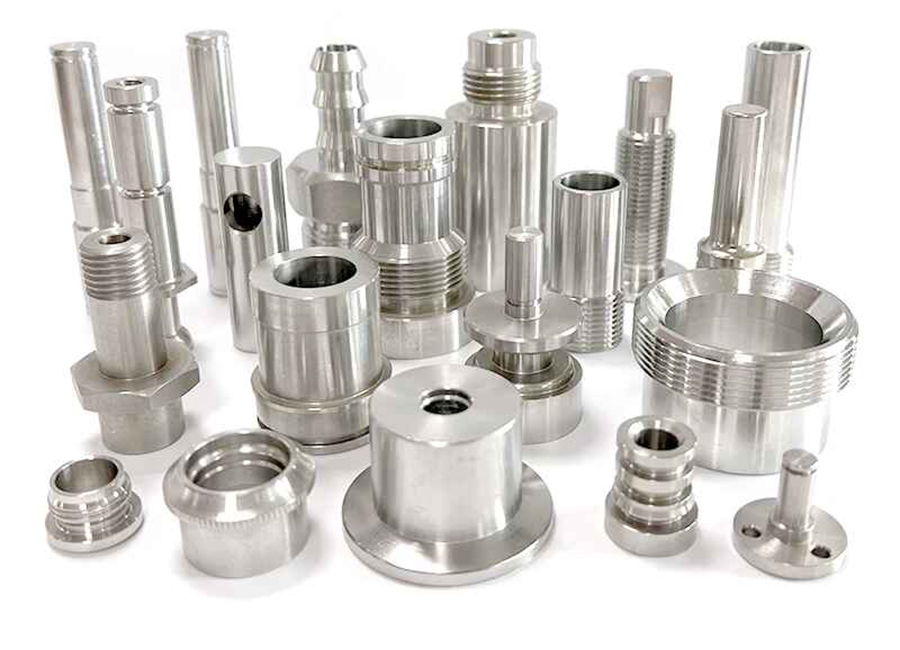
Stainless steel CNC turned shafts fittings and bushings

CNC Turning Design Guidelines

Design turned parts around practical diameters, wall thickness, tool access, grooves, threads, and critical tolerances to improve machining stability and manufacturability.

Diameter Transitions

Use practical transitions between stepped diameters. Chamfers, radii, or relief features can improve tool access and create cleaner transitions between cylindrical surfaces.

Wall Thickness

Very thin cylindrical walls can flex or deform during turning. Wall thickness should consider material stiffness, part diameter, unsupported length, and required tolerance.

Holes & Bores

Axial holes and internal bores are common turned features. Very deep or small-diameter bores may require specialized tooling and can increase machining difficulty.

Grooves & Undercuts

Provide sufficient groove width and tool clearance. Extremely narrow or deep grooves may require dedicated inserts and additional machining time.

Threads

Clearly specify thread standard, diameter, pitch, class, and required thread length. Avoid unnecessary thread depth where it does not improve part function.

Tolerances & Concentricity

Apply tight tolerances mainly to functional diameters, bores, bearing surfaces, seals, and mating features. Specify concentricity, runout, and other critical GD&T requirements on the 2D drawing.
PROJECT WORKFLOW

From CAD File to CNC Turned Part

A structured CNC turning workflow keeps diameters, bores, threads, tolerances, finishing, and inspection requirements aligned from design review through final delivery.

STEP 01

Submit Your Design

Send your 3D CAD file, 2D technical drawing, material, quantity, tolerance, and surface finish requirements.

STEP 02

Turning Review

We review part diameter, length, bores, grooves, threads, wall thickness, tolerances, and critical GD&T requirements.

STEP 03

Process Planning

The turning sequence, workholding, tooling, cutting operations, and any required live-tool features are planned for production.

STEP 04

CNC Turning

Round stock is machined using programmed operations such as turning, facing, boring, grooving, threading, drilling, and reaming.

STEP 05

Inspection

Critical diameters, lengths, bores, threads, concentricity, runout, and drawing requirements are verified.

STEP 06

Finish & Deliver

Completed parts proceed through required finishing, final inspection, packing, and shipment.

Common CNC Turned Parts

CNC turning is ideal for cylindrical and rotational components requiring controlled diameters, bores, threads, grooves, concentricity, and repeatable dimensional accuracy.
Shafts

Precision Shafts

Straight, stepped, threaded, and grooved shafts with controlled diameters, shoulders, and concentric features.
Pins

Pins & Dowels

Precision locating pins, dowel pins, pivot pins, and custom cylindrical components for mechanical assemblies.
Bushings

Bushings & Bearings

Turned bushings with controlled outside diameters, internal bores, shoulders, and bearing or mating surfaces.
Sleeves

Sleeves & Spacers

Cylindrical sleeves and spacers manufactured to specified lengths, wall thicknesses, bores, and mating diameters.
Fittings

Fittings & Connectors

Threaded fittings, adapters, couplings, and connectors combining external and internal turned features.
Complex Parts

Complex Turned Components

Custom parts combining stepped diameters, bores, grooves, threads, tapers, cross holes, flats, and live-tool machined features.
QUALITY CONTROL

Inspection for CNC Turned Parts

Quality control for CNC turned parts focuses on the cylindrical features that determine fit, rotation, sealing, and assembly performance. Critical diameters, bores, threads, concentricity, runout, and surface requirements should be verified against the approved technical drawing.

Dimensional Inspection
Verify outside diameters, lengths, shoulders, steps, grooves, and other critical dimensions.
Bore Inspection
Check internal diameters, bore depth, roundness, and critical mating features.
Thread Verification
Inspect internal and external threads for size, pitch, fit, and specified thread requirements.
Concentricity & Runout
Verify the relationship between critical diameters, bores, and rotational surfaces when specified on the drawing.
CMM / Precision Inspection
Use appropriate measurement equipment for GD&T, complex feature relationships, and tight dimensional requirements.
Final Inspection
Confirm specified dimensions, surface condition, deburring, finish requirements, and overall part quality before shipment.

Common Questions About CNC Turning

Short answers for buyers evaluating turned-part geometry, materials, tolerances, live-tool capabilities, and production requirements.
What is CNC turning?
CNC turning is a subtractive manufacturing process in which a workpiece rotates while computer-controlled cutting tools remove material to create cylindrical and rotational features such as diameters, bores, grooves, tapers, and threads.
A general machining tolerance around ±0.005 in. (±0.127 mm) is commonly used for many metal turned features. Tighter tolerances may be possible on selected diameters, bores, and critical features depending on material, geometry, setup, and inspection requirements.
CNC turning is especially suitable for shafts, pins, bushings, sleeves, spacers, fittings, connectors, valve components, and other parts dominated by cylindrical, concentric, or rotational geometry.
What is live-tool CNC turning?
Live-tool CNC turning combines conventional turning with powered cutting tools that can add features such as axial holes, radial holes, flats, slots, grooves, and selected milled details while the part remains in the turning center.
Common materials include aluminum, stainless steel, alloy steel, low carbon steel, brass, copper, titanium, and engineering plastics such as POM, nylon, PTFE, polycarbonate, ABS, acrylic, HDPE, and PEI.
Yes. CNC turning can support functional prototypes, small production batches, bridge manufacturing, and repeat production because programmed toolpaths and controlled workholding provide consistent machining from part to part.
START YOUR TURNING PROJECT

Get Your Custom CNC Turned Parts Manufactured

Send Nova Precision Manufacturing Co.,Ltd your CAD model, technical drawing, material, quantity, tolerance, thread, and surface finish requirements for manufacturing review.