Precision Micro Machining for Miniature & Complex Parts

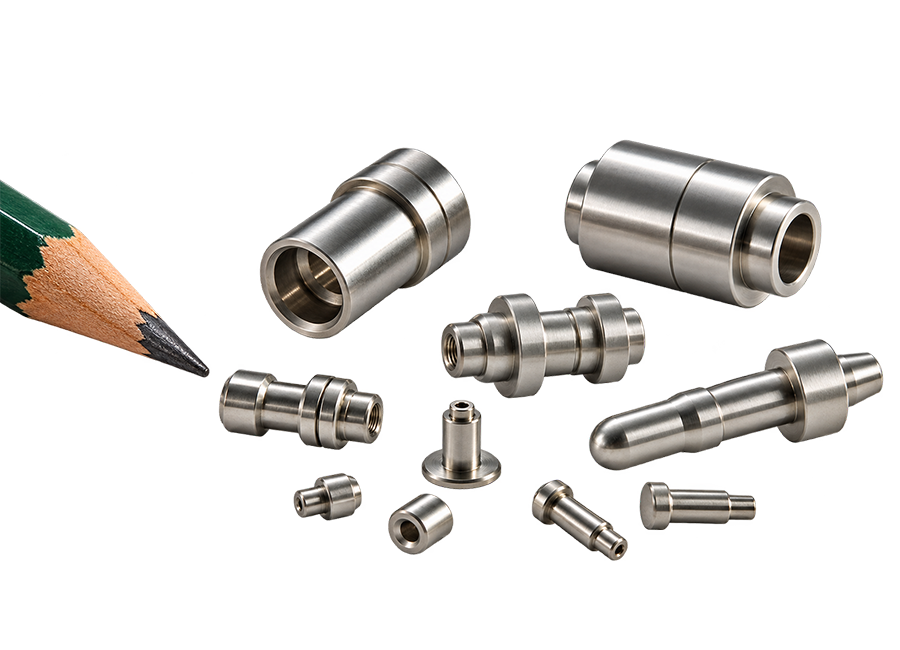
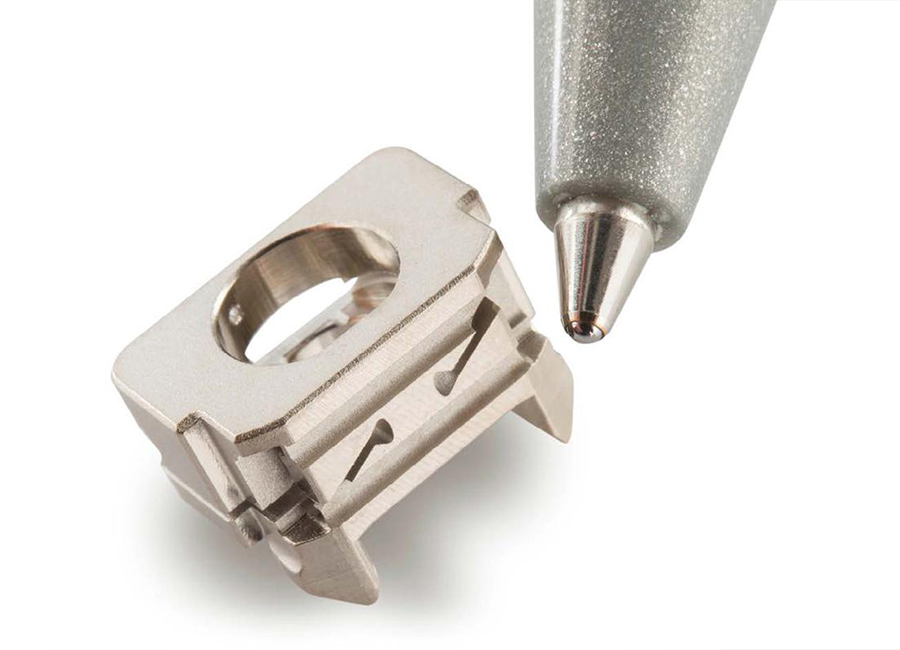
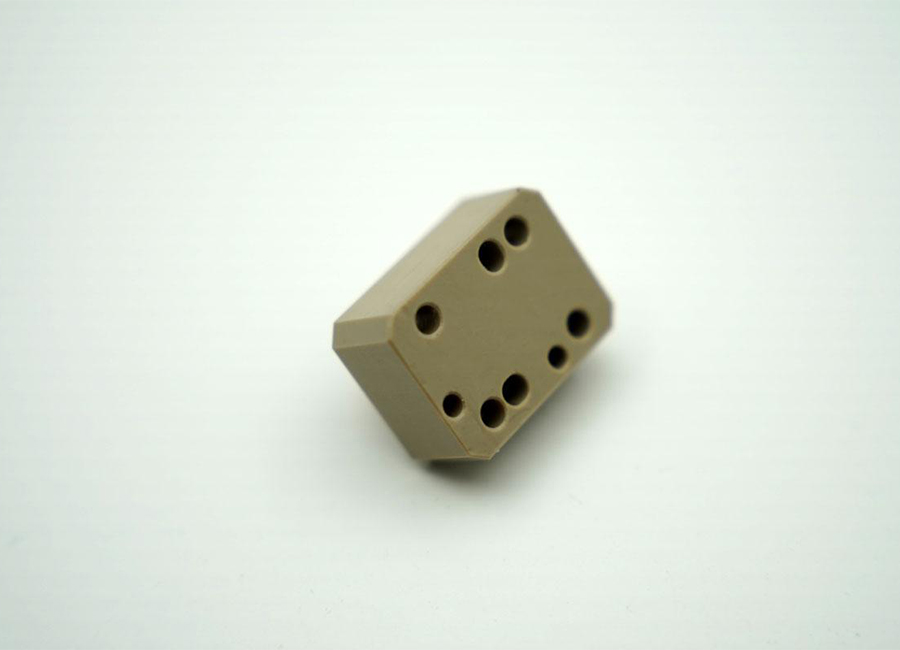
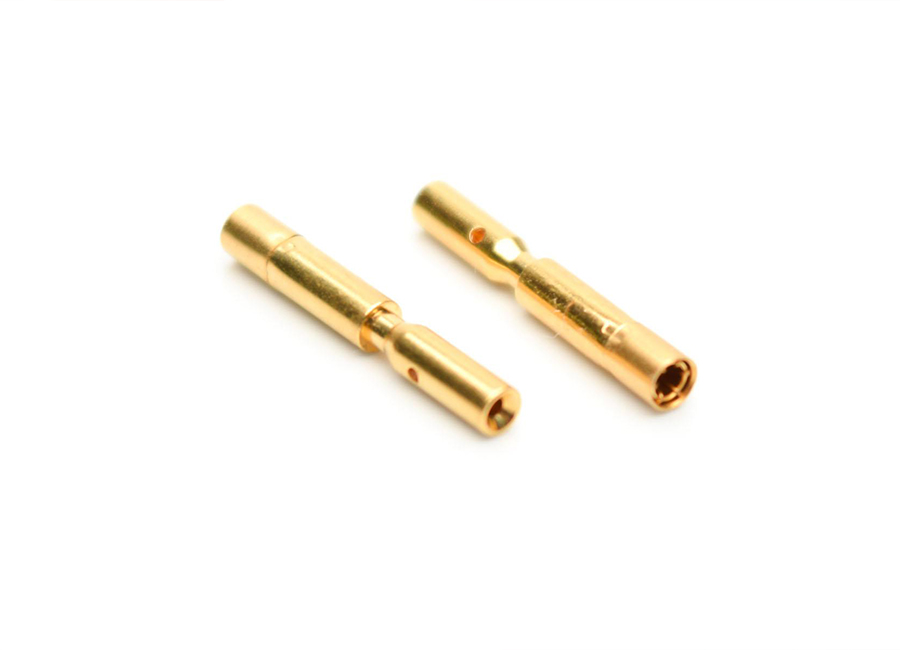
Manufacture miniature components and fine-scale features with precision micro CNC machining. Micro milling, turning, and drilling support small holes, thin walls, intricate profiles, and detailed geometries in metals and engineering plastics.

Micro Machining for Precision Miniature Parts

Nova Precision Manufacturing Co.,Ltd provides micro machining for miniature components and fine features that are difficult to produce with conventional CNC machining.

Micro machining uses precision CNC equipment, high-speed spindles, and miniature cutting tools to create very small holes, slots, pockets, contours, and detailed geometries in metals and rigid engineering plastics.

As feature size decreases, tool runout, vibration, cutting forces, chip evacuation, and thermal stability become increasingly important to part quality.

Micro machining is well suited to:

  • Miniature mechanical parts
  • Sub-millimeter features
  • Micro holes and slots
  • Thin walls and fine ribs
  • Small pockets and cavities
  • Precision micro profiles
  • Medical and electronic components

Why Use Micro Machining?

Micro machining enables miniature parts and extremely fine features to be produced directly in engineering materials while maintaining precise geometry, repeatability, and surface quality.
What Is Micro Machining?

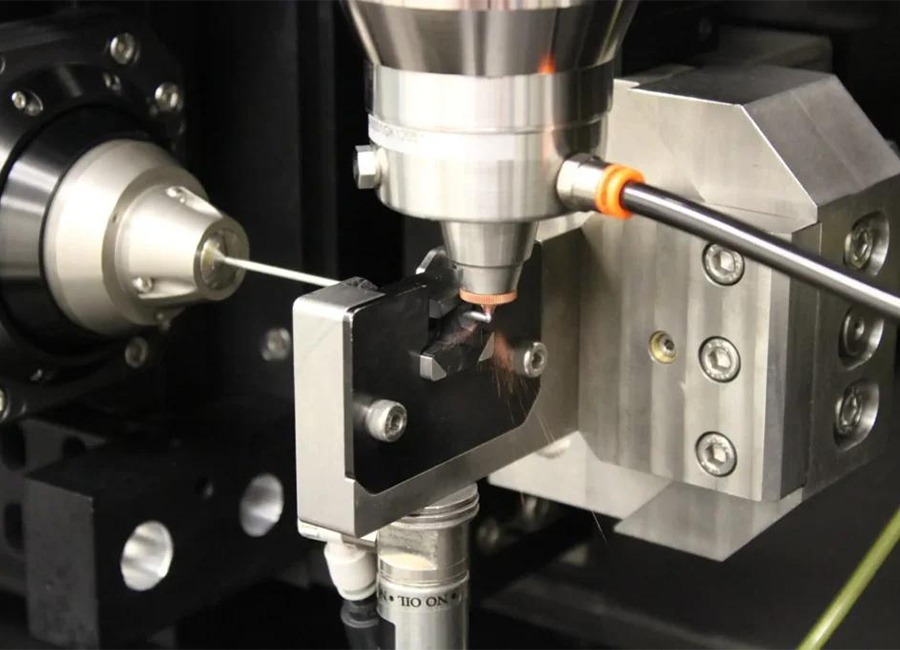
Micro machining is a specialized CNC process used to manufacture miniature components and extremely small features with high-speed spindles, miniature cutting tools, and precise motion control.
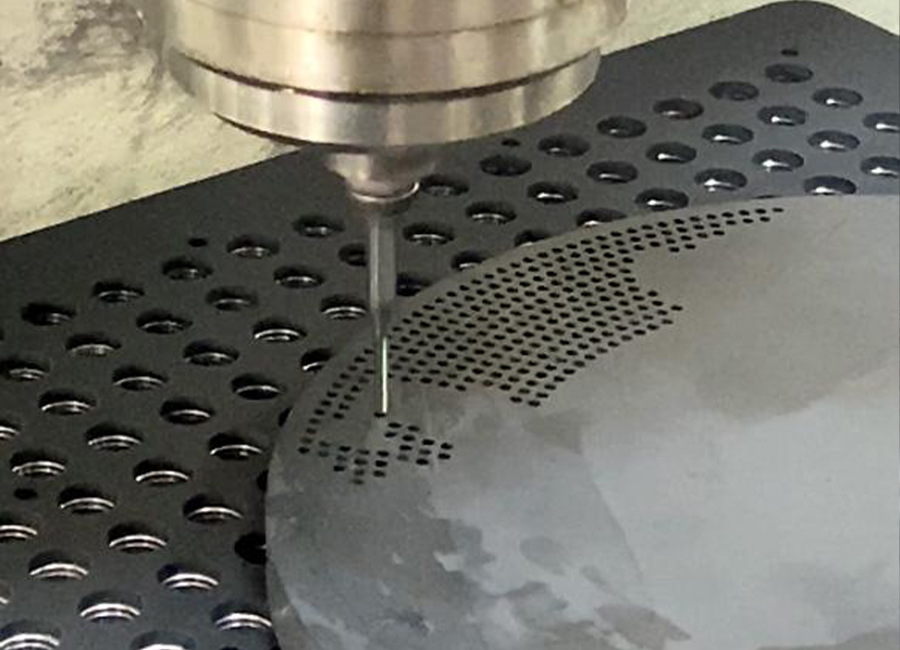
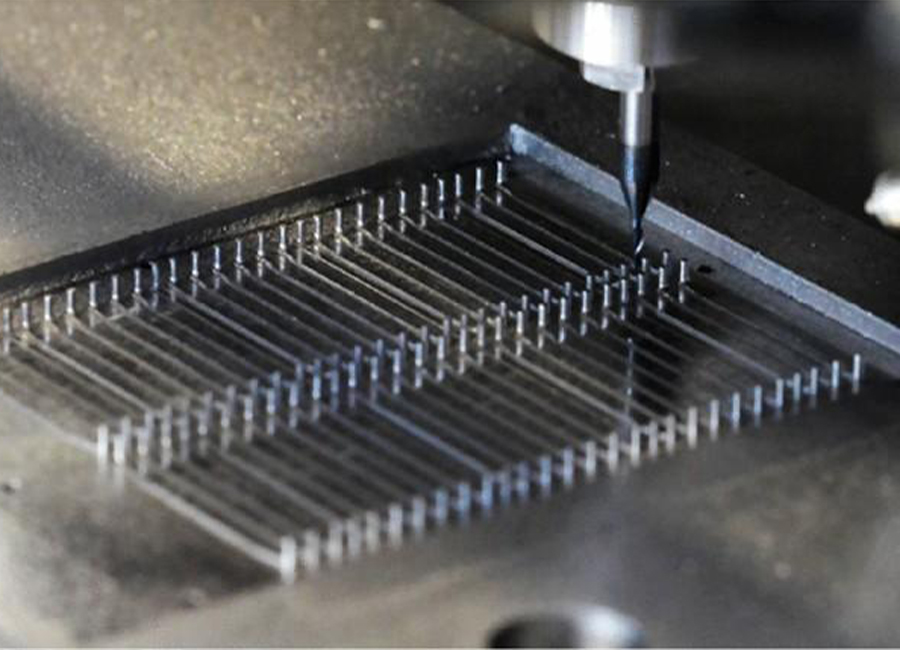
Micro machining follows the same basic principles as conventional CNC milling, turning, and drilling, but operates at a much smaller scale.
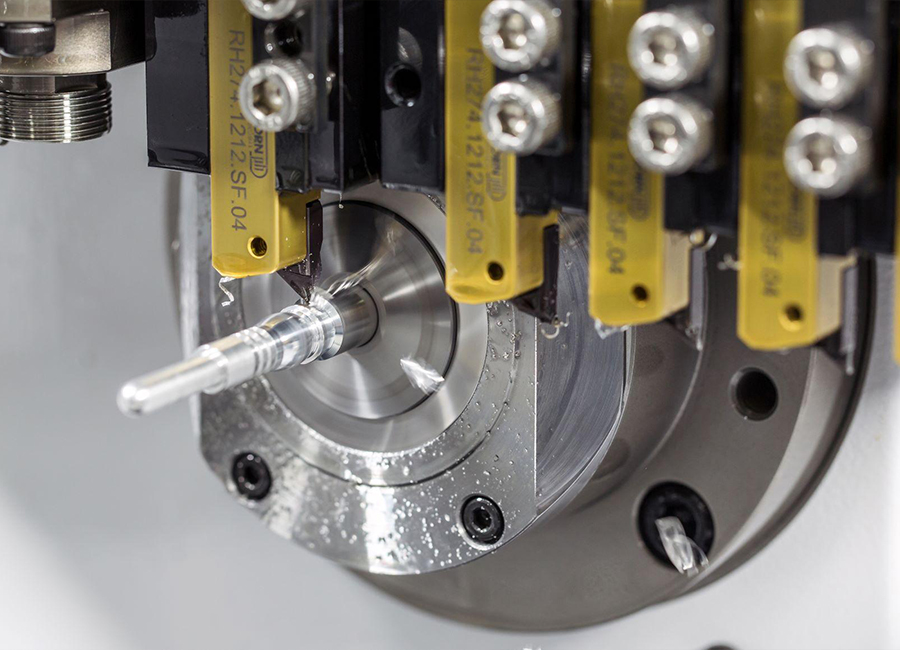
Miniature end mills, drills, and turning tools remove very small amounts of material to create fine slots, pockets, holes, contours, and other detailed features.
As tool diameter decreases, spindle runout, vibration, tool rigidity, and cutting forces become increasingly important to machining stability.
Micro milling can create tiny pockets, slots, thin ribs, and complex 3D details, while micro drilling and turning produce small holes, bores, shafts, pins, and cylindrical features.
Thermal stability, chip evacuation, and careful toolpath control are also important because even small process variations can affect miniature features.
Micro machining is commonly used when conventional CNC tooling becomes too large for the required feature size.

Micro Machining Capabilities

Micro machining combines miniature tooling, high-speed precision cutting, and controlled CNC motion to produce very small parts and intricate features with consistent accuracy.

Micro Milling & Fine Features

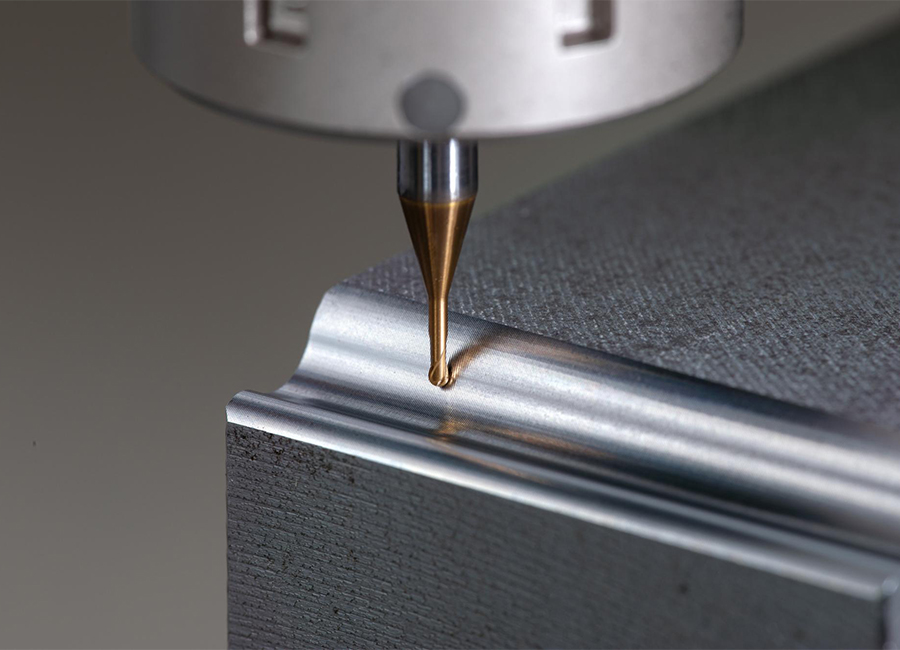
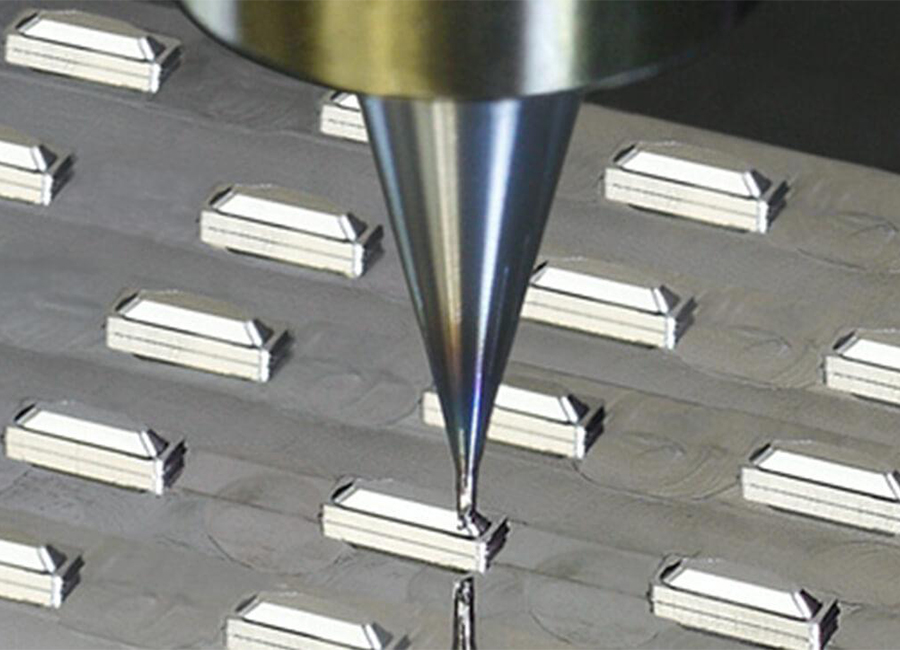
Micro milling uses miniature cutting tools to produce small pockets, slots, contours, thin ribs, and detailed 3D features.

Precise spindle control and optimized toolpaths help maintain feature definition while reducing vibration and tool deflection.

Typical capabilities include:

  • Micro pockets
  • Narrow slots
  • Fine contours
  • Thin ribs
  • Small cavities
  • Detailed 3D surfaces
  • Small internal radii
  • Precision edge features

Micro Drilling & Small Features

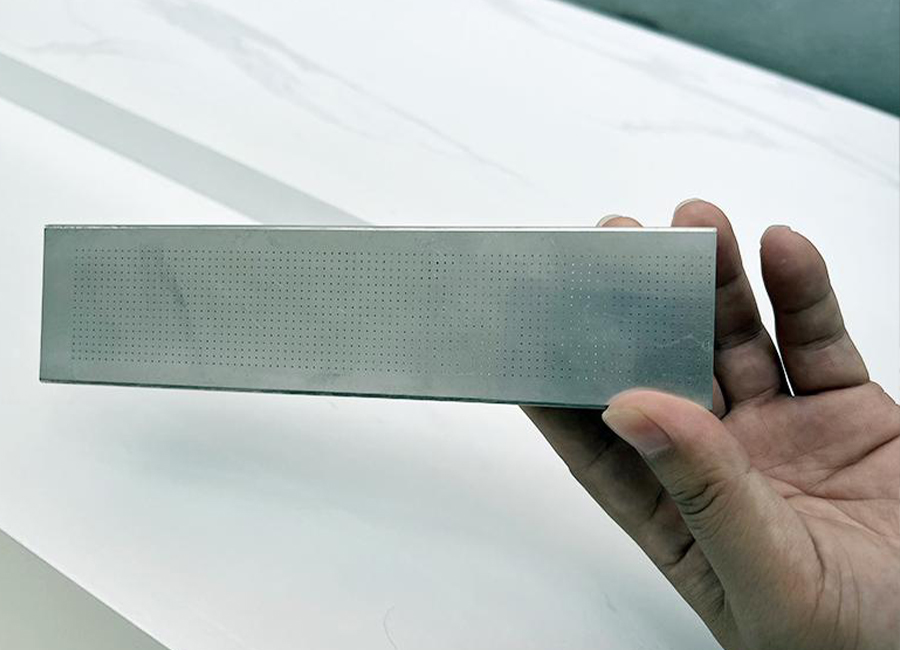
Micro machining can create extremely small holes and detailed features where conventional CNC tooling becomes too large or difficult to control.

Tool rigidity, spindle runout, hole depth, chip evacuation, and material behavior become increasingly important as feature size decreases.

Typical features include:
  • Micro holes
  • Small precision bores
  • Hole arrays
  • Fine grooves
  • Small channels
  • Micro slots
  • Tiny mounting features
  • Precision fluid passages

When Is Micro Machining the Right Choice?

Micro machining is the right choice when the overall component or its critical features become too small or intricate for conventional CNC machining.

It is particularly useful when miniature tooling and precise process control are required to maintain feature geometry and dimensional consistency.

Micro machining is well suited to parts requiring:

  • Miniature overall dimensions
  • Sub-millimeter features
  • Very small holes or slots
  • Thin walls and fine ribs
  • High feature density
  • Detailed 3D geometry
  • Small precision interfaces
  • Compact mechanical components

Materials for Micro Machining

Micro machining can process a wide range of metals and rigid engineering plastics. Material hardness, heat generation, chip formation, burr tendency, and tool wear become increasingly important as feature size decreases.

  • Aluminum
  • Stainless Steel
  • Brass
  • Copper
  • Carbon & Alloy Steel
  • Titanium
  • Acetal / Delrin (POM)
  • PEEK
  • Nylon
  • Polycarbonate (PC)
  • PEI

Additional materials can be evaluated based on feature size, geometry, tolerance, surface finish, and application requirements.
Design Considerations for Micro-Machined Parts

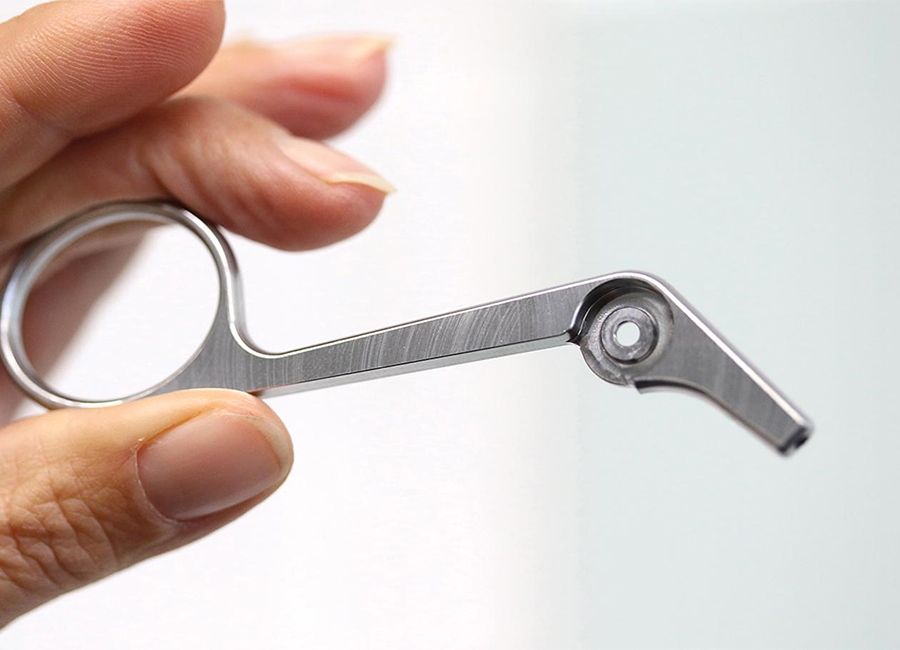
Feature size, tool access, wall thickness, hole depth, internal radii, and tolerance requirements directly affect micro-machining feasibility and part quality.

Minimum Feature Size

Extremely small features require suitable miniature tools, sufficient rigidity, and controlled machining access.

Small Holes & Depth

Deep micro holes become more difficult as depth increases relative to hole diameter.

Thin Walls

Very thin sections may flex, distort, or break during machining and should be avoided where possible.

Internal Corners

Allow practical internal radii based on available micro-tool diameters rather than specifying sharp corners.

Tool Access

Provide enough clearance for miniature tools to reach pockets, slots, holes, and other critical features.

Tolerances & Surface Finish

Apply tight tolerances and fine finishes mainly to features that directly control fit, alignment, or function.
PROJECT WORKFLOW

From CAD Model to Micro-Machined Part

A controlled micro machining workflow keeps feature size, tooling, tolerances, material behavior, and inspection requirements aligned from design review through final delivery.

STEP 01

Submit Design Files

Send your CAD model and drawing with material, quantity, tolerances, and critical micro features.

STEP 02

Micro Machining Review

We review feature size, geometry, wall thickness, hole depth, tool access, and tolerance requirements.

STEP 03

Tooling & Process Plan

Miniature tools, machining sequence, spindle parameters, workholding, and inspection points are planned.

STEP 04

Precision Micro Machining

Micro milling, drilling, turning, and other required operations create the specified miniature geometry.

STEP 05

Micro Feature Inspection

Critical dimensions, small holes, profiles, and feature positions are verified against the drawing.

STEP 06

Finish & Deliver

Parts are cleaned, carefully deburred, final-inspected, packed, and prepared for shipment.

Typical Micro-Machined Components

Micro machining is ideal for miniature components and fine-scale features used in medical, electronics, optics, aerospace, fluid control, and precision automation systems.
Medical Devices

Surgical & Implant Components

Miniature surgical parts, implant components, instrument features, and precision medical hardware with fine geometry.
Electronics

Micro Connectors & Contacts

Small connector parts, contacts, sockets, ferrules, and electronic components requiring precise miniature features.
Optics & Photonics

Lens & Laser Components

Small lens barrels, aperture plates, laser mounts, and alignment components for optical and photonic systems.
Aerospace

Sensor & Control Components

Miniature sensor housings, fuel-control parts, precision mounts, and lightweight aerospace hardware.
Robotics & Automation

Micro Gears & Actuator Parts

Miniature gears, gripper components, actuator parts, and compact mechanical interfaces for automation systems.
Fluidics & Scientific

Microfluidic & Nozzle Components

Fine channels, nozzles, ports, manifolds, and small flow-control components for laboratory and fluid systems.
QUALITY CONTROL

Inspection for Micro-Machined Parts

Quality control for micro-machined parts focuses on miniature dimensions, feature position, small holes, edge condition, and surface quality. Critical features are verified against the approved drawing and inspection requirements.

Micro Feature Inspection
Small Hole & Bore Measurement
Feature Position Check
Surface & Burr Inspection
Critical Dimension Verification
Final Dimensional Inspection

Common Questions About Micro Machining

Short answers for buyers evaluating miniature parts, fine features, materials, tolerances, and micro CNC machining requirements.
What is micro machining?
Micro machining is a precision CNC process used to manufacture miniature components and extremely small features with high-speed spindles and miniature cutting tools.
Micro machining works at a much smaller feature scale and requires greater control of tool runout, vibration, cutting forces, chip evacuation, and inspection.

Typical features include micro holes, fine slots, small pockets, thin ribs, precision bores, detailed contours, and miniature 3D geometry.

What materials can be micro machined?
Common materials include aluminum, stainless steel, titanium, brass, copper, alloy steel, and rigid engineering plastics.
Typical applications include medical components, micro connectors, optical hardware, sensor parts, microfluidic components, and miniature mechanical parts.
Yes. Micro machining can support prototypes, low-volume manufacturing, and repeat production when tooling and inspection requirements are properly controlled.
START YOUR MICRO MACHINING PROJECT

Get Your Custom Micro-Machined Parts Manufactured

Send Nova Precision Manufacturing Co.,Ltd your CAD model and drawing with material, quantity, critical feature sizes, tolerances, and surface requirements for manufacturing review.