Before You Go, Let’s Talk About Your Parts
Tell us about your part, quantity, and key requirements. Nova Precision Manufacturing Co.,Ltd can help you choose suitable materials and manufacturing processes for your project.

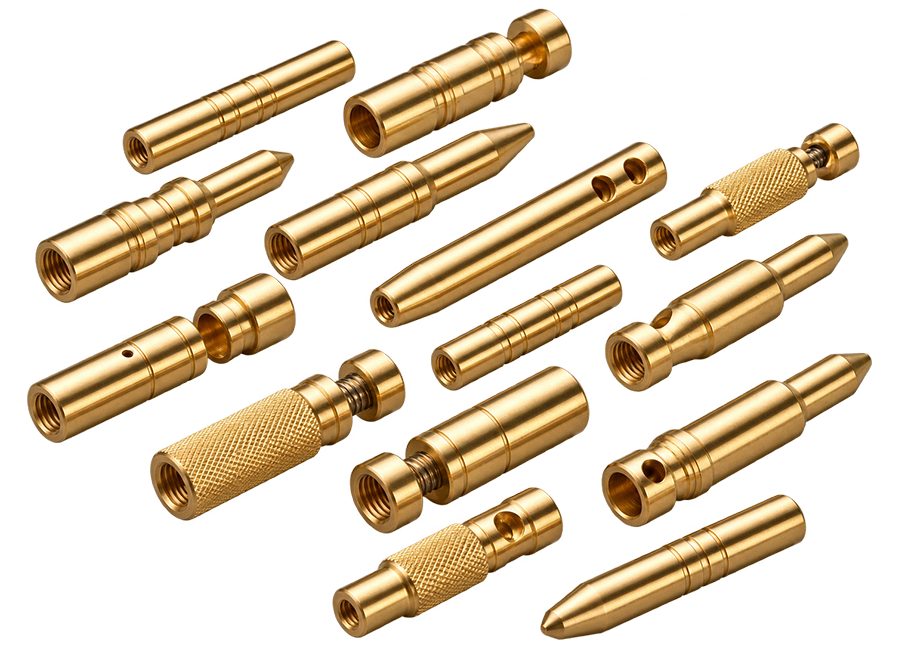
Manufacture small-diameter, slender, and intricate components with precision Swiss CNC machining. Guide-bushing support improves stability while integrated turning, drilling, milling, and threading enable complex parts to be produced efficiently from prototype to repeat production.
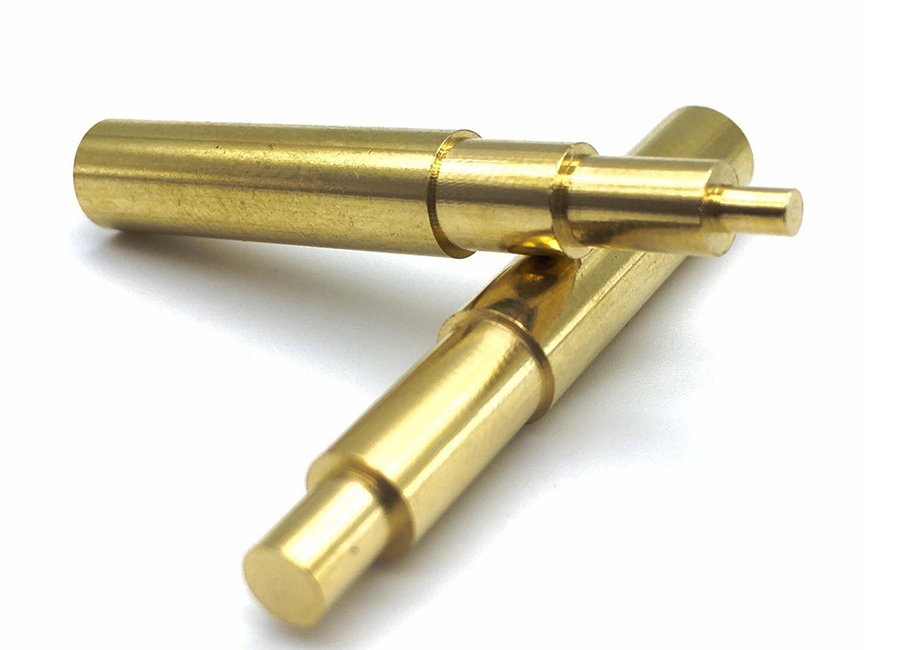
Nova Precision Manufacturing Co.,Ltd provides Swiss-type CNC turning for small-diameter, slender, and complex components made from stainless steel, aluminum, brass, titanium, steel, and engineering plastics.
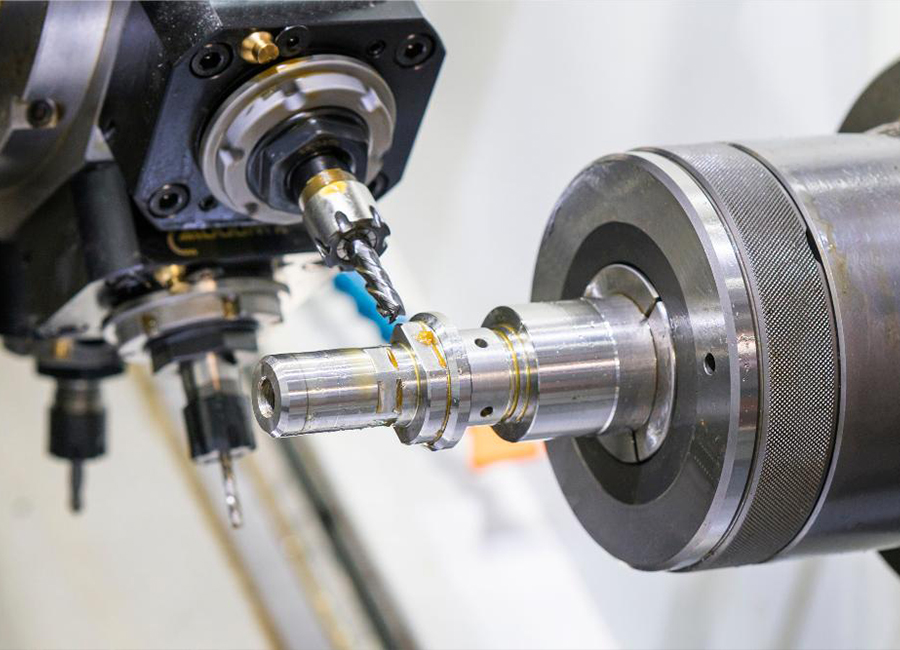
Swiss-type machining uses a sliding headstock to feed bar stock through a guide bushing positioned close to the cutting tools. Supporting the material near the cutting zone helps reduce deflection and vibration, making the process especially effective for long and thin components.
Modern Swiss CNC machines can combine turning with drilling, threading, grooving, cross drilling, milling, and other features within the same machining cycle. This reduces secondary handling while helping maintain consistent relationships between critical features.
Swiss-type turning is well suited to:
Swiss-type turning provides greater machining stability for small, slender parts while allowing multiple complex features to be produced in a highly automated cycle.
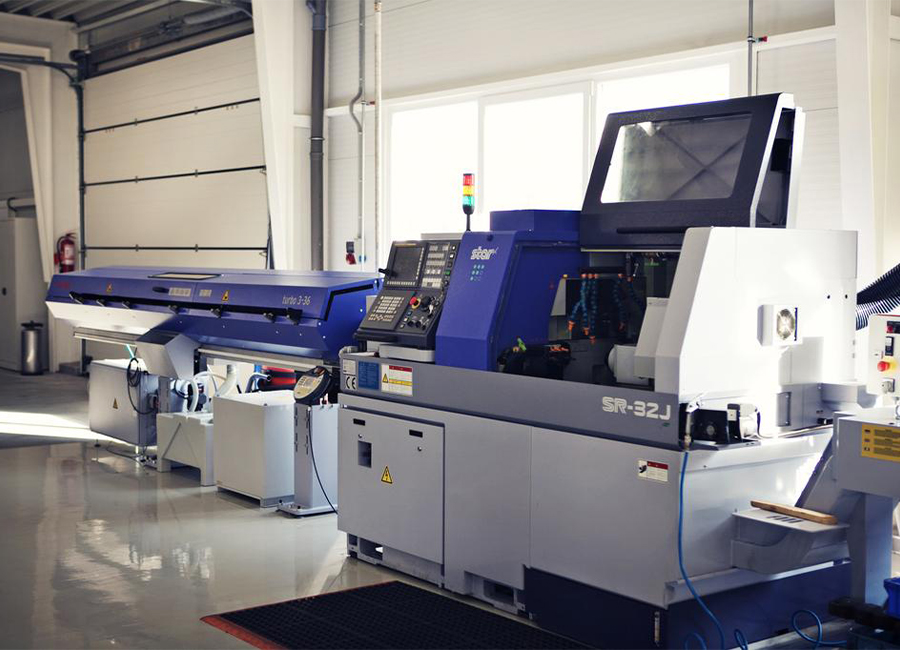
Swiss-type turning is a precision CNC machining process that uses a sliding headstock and guide bushing to produce small-diameter, slender, and complex components from bar stock.
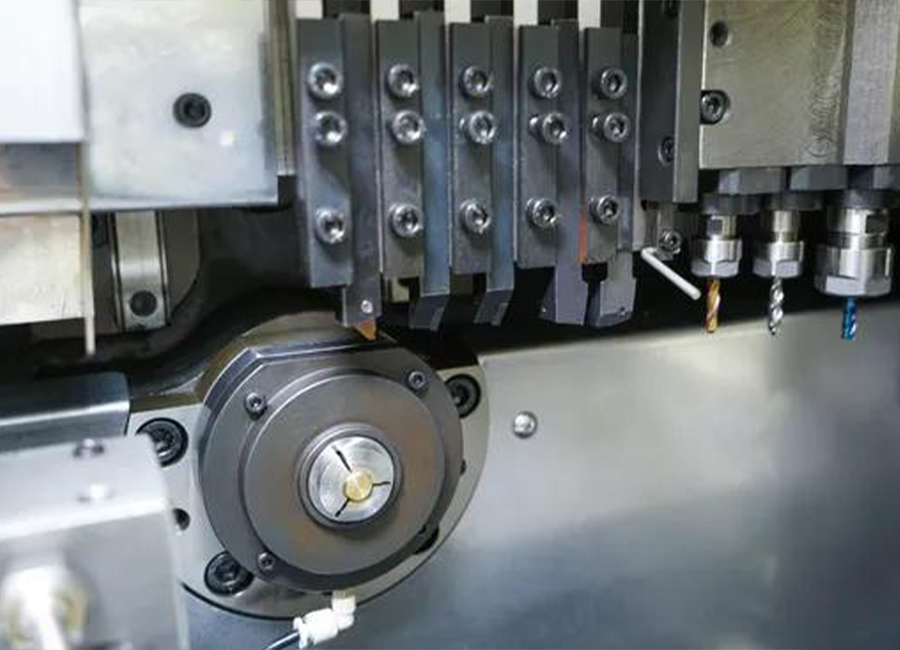
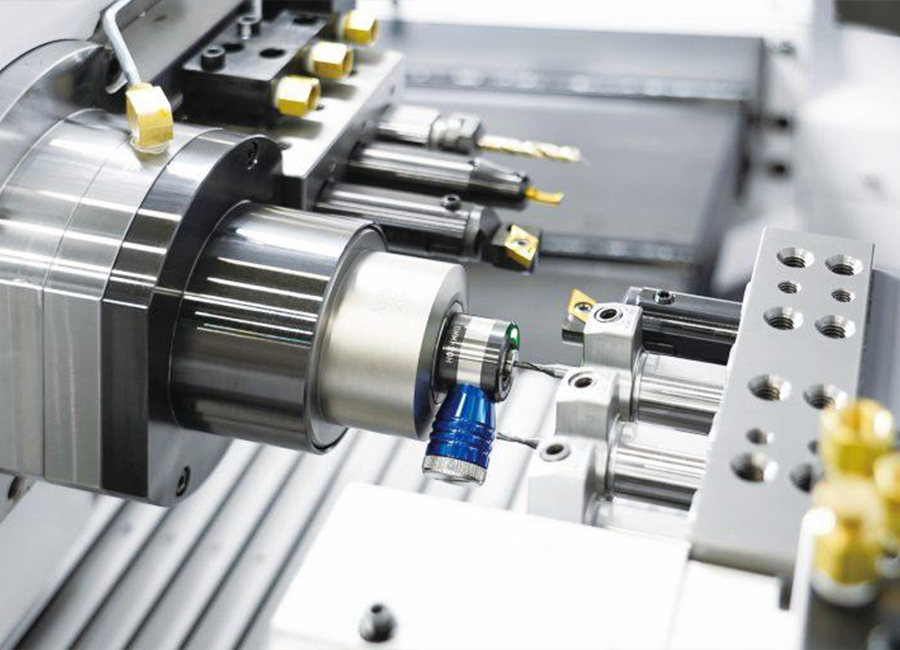
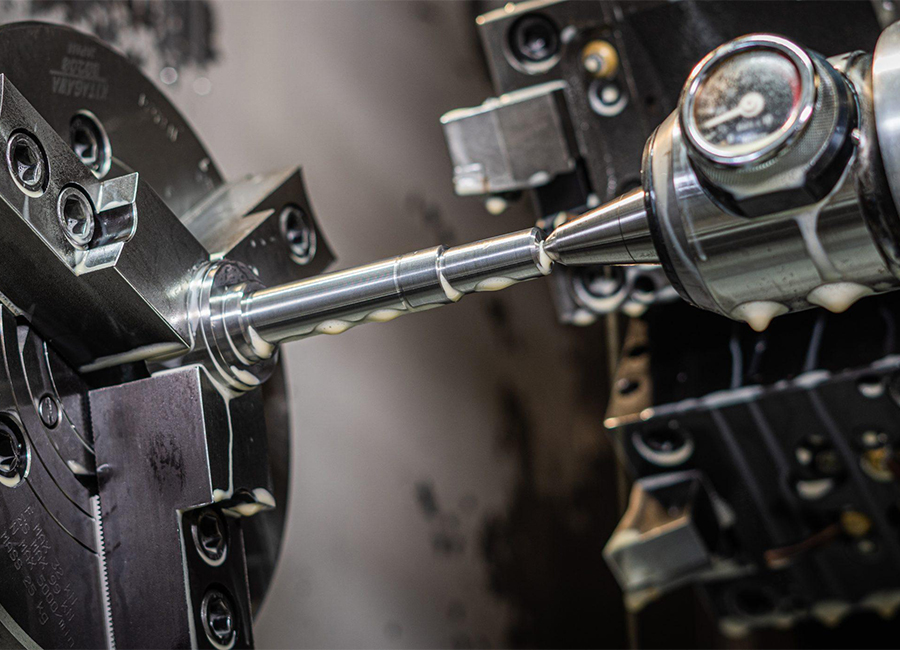
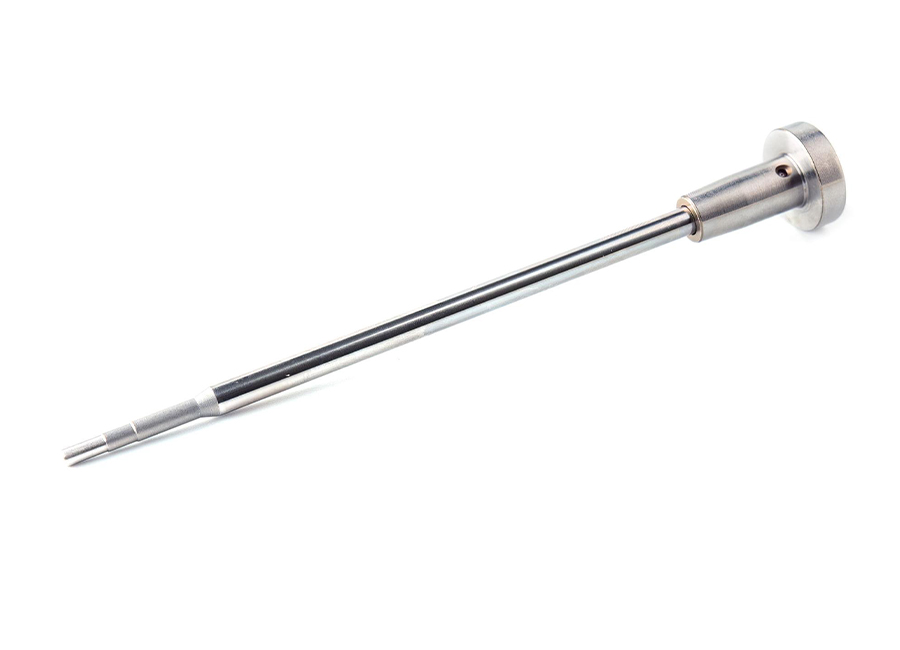
Typical turning capabilities include:
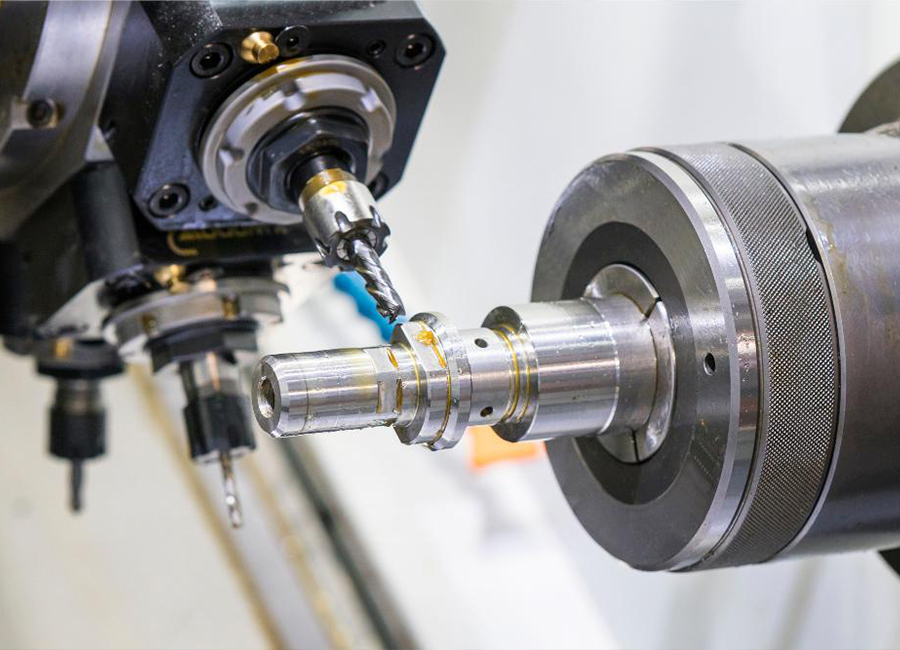
Swiss machining is not limited to cylindrical turning. Modern machines can use live tooling, multiple tool stations, and secondary spindles to create complex features without moving the part to separate equipment.
Combining operations in one machining cycle can reduce secondary setups and help maintain accurate relationships between turned, drilled, and milled features.
Typical integrated operations include:
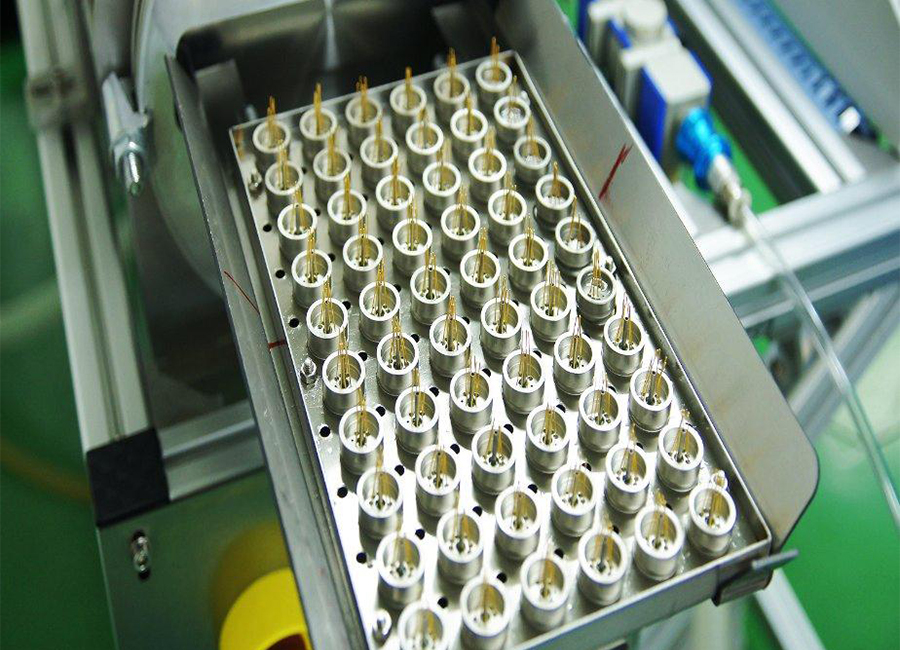
Swiss-type turning is a strong manufacturing choice when a component starts from round bar stock and combines a relatively small diameter with demanding geometry or a slender profile.
It is particularly valuable when conventional turning may leave too much material unsupported during cutting, or when several turning, drilling, threading, and milling operations need to be completed efficiently in one production cycle.
Swiss-type turning is well suited to parts requiring:
Swiss-type turning supports a wide range of metals and engineering plastics supplied as precision bar stock. Material selection affects chip control, cutting speed, tool wear, heat generation, guide-bushing performance, surface finish, and dimensional stability.
Additional machinable materials and alloy grades can be evaluated based on part diameter, geometry, tolerance requirements, production quantity, and application.
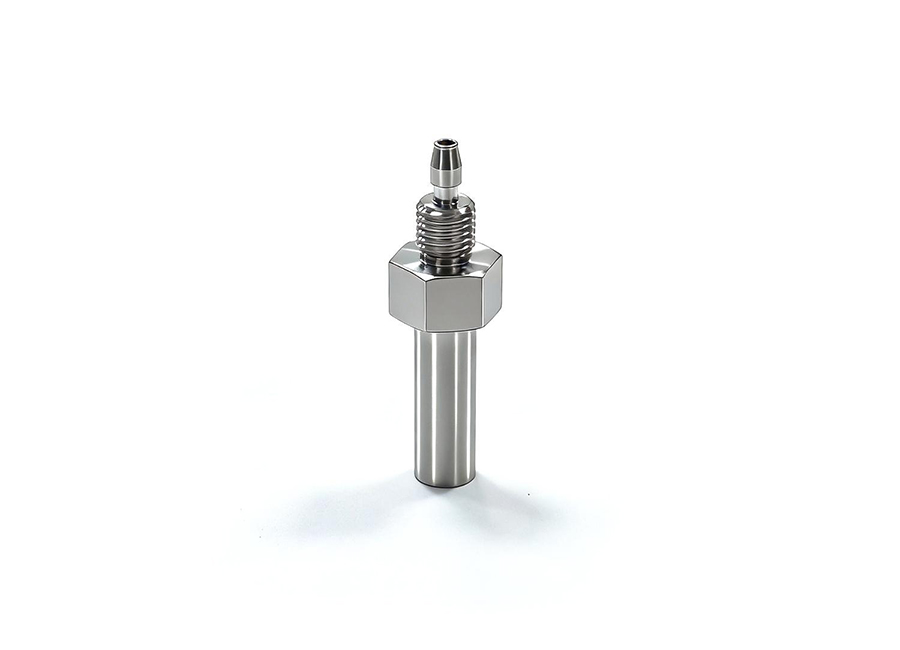
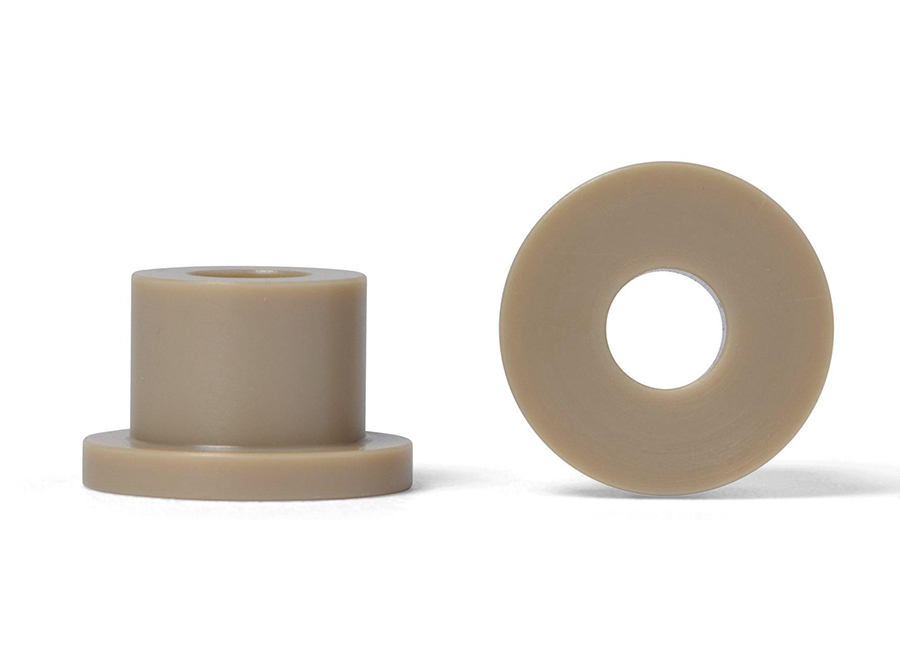
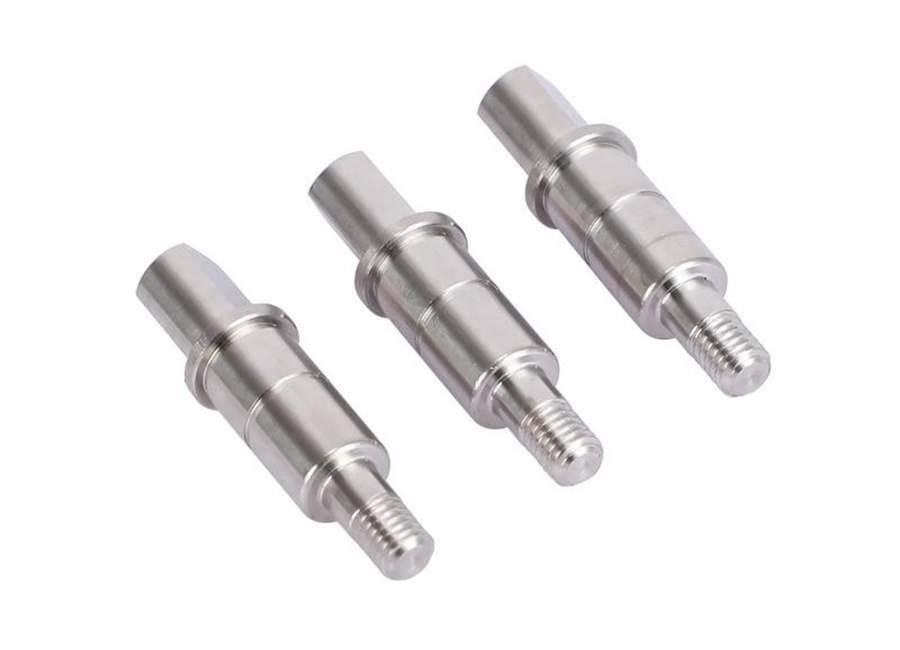
General Swiss Turning Reference
Tighter Critical Features
Slender-Part Stability
Final capability depends on the complete machining system—not tolerance values alone. Bar quality, guide-bushing setup, tooling condition, thermal control, and feature geometry all influence production stability.
A structured Swiss machining workflow keeps material, tooling, tolerances, feature sequencing, and inspection requirements aligned from design review through final delivery.
Send your CAD model and drawing with material, quantity, tolerances, threads, and finish requirements.
We review diameter, length, geometry, tool access, tolerances, and bar-stock requirements.
Tool paths, turning sequence, live tooling, drilling, threading, and inspection points are planned.
Bar stock is fed through the guide bushing while turning, drilling, milling, and threading operations are completed.
Critical diameters, lengths, threads, runout, and feature positions are checked against the drawing.
Parts are deburred, cleaned, final-inspected, packed, and prepared for shipment.
Quality control for Swiss-turned parts focuses on critical diameters, lengths, threads, concentricity, runout, and feature position. Key dimensions are verified against the approved drawing and inspection requirements.
Precision pins, miniature shafts, screws, fittings, connectors, valve components, and other small bar-stock parts.
Send Nova Precision Manufacturing Co.,Ltd your CAD model and drawing with material, quantity, tolerances, threads, surface finish, and critical dimensions for manufacturing review.