Precision CNC Routing for Sheet & Plate Parts

Manufacture custom flat and large-format components from plastic, aluminum, composite, and other sheet materials. CNC routing supports precision profiles, cutouts, pockets, channels, holes, and detailed contours for prototypes, low-volume production, and repeat manufacturing.

CNC Routing for Prototypes and Production

Nova Precision Manufacturing Co.,Ltd provides CNC routing for custom sheet, plate, and panel components made from engineering plastics, aluminum, composites, and other machinable flat-stock materials.

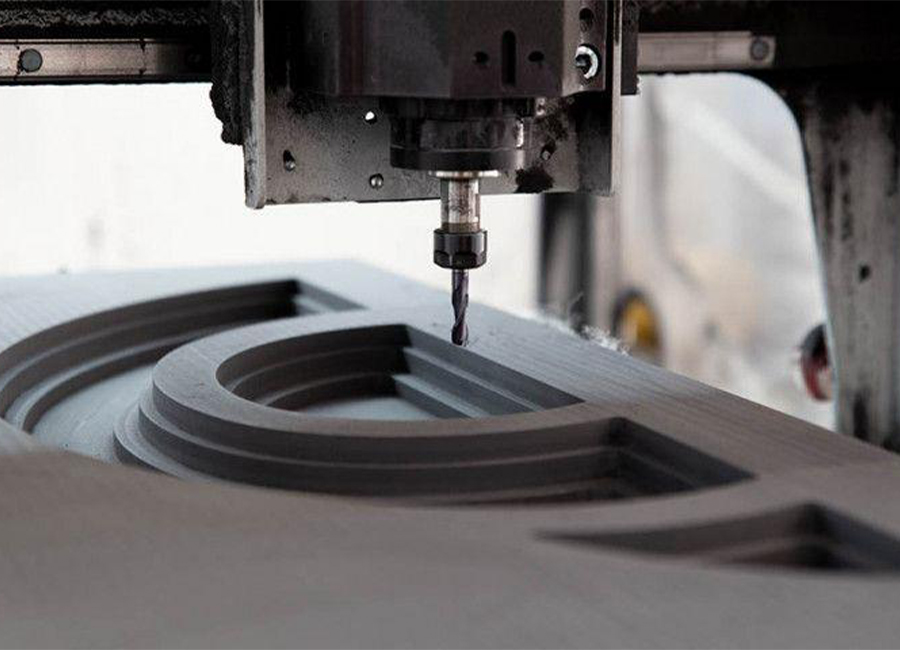
CNC routing uses a high-speed rotating cutting tool mounted on a computer-controlled gantry. The workpiece is secured flat to the machine table while programmed toolpaths create external profiles, internal cutouts, pockets, channels, holes, and other 2D or 2.5D features.

Because routing can preserve the original top and bottom surfaces of sheet or plate stock, it is particularly efficient for parts where the supplied material thickness and surface finish already meet the final design requirements.

CNC routing is well suited to:

  • Large flat components
  • Plastic and aluminum panels
  • External profiles and internal cutouts
  • Pockets and recessed features
  • Channels and slots
  • Repeated hole patterns
  • Tooling and fixture plates
  • Prototype and repeat production parts
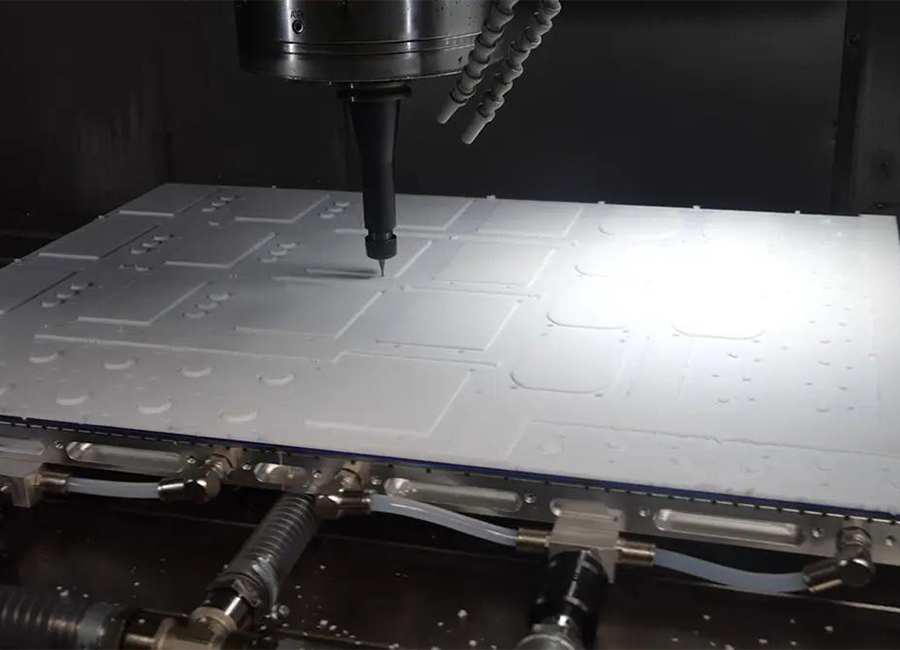
Multiple components can also be nested across a single sheet to improve material utilization for repeat production.

Each routing project is reviewed according to material, stock thickness, overall part size, cutter diameter, pocket depth, workholding, tolerance, edge quality, and production quantity.

Why Use CNC Routing?

CNC routing provides an efficient way to manufacture large and flat parts directly from sheet or plate stock.
  • Efficient machining of large flat components
  • Ideal for sheet and plate materials
  • Preserves usable stock top and bottom surfaces
  • Complex profiles and internal cutouts
  • Controlled-depth pockets and channels
  • Efficient machining of engineering plastics
  • Multiple parts can be nested on one sheet
  • Suitable for prototypes and repeat production

What Is CNC Routing?

CNC routing is a computer-controlled subtractive manufacturing process that uses a high-speed rotating router bit to cut profiles, openings, pockets, channels, and other features into flat sheet and plate materials.
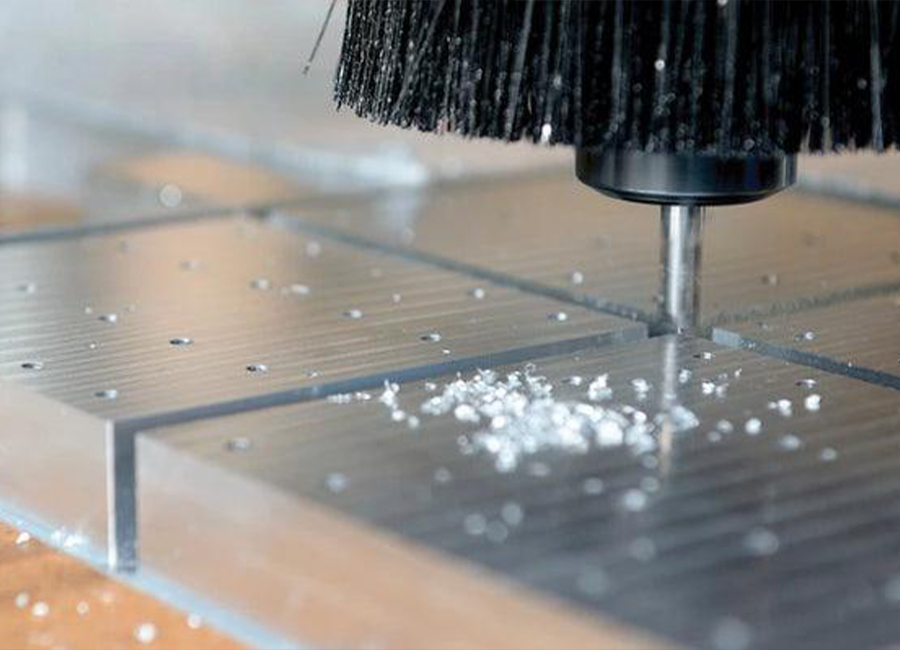
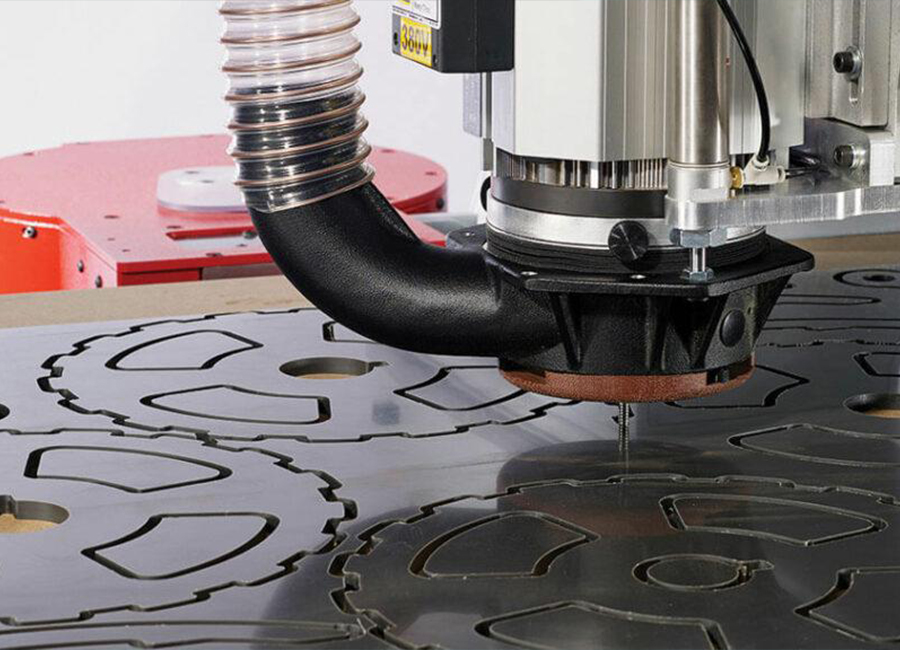
The process begins with a CAD model or 2D design file. CAM software converts the geometry into programmed toolpaths that control the router position, cutting direction, spindle speed, feed rate, and machining depth.
Sheet or plate stock is secured flat to the router table using vacuum hold-down, mechanical clamps, or other workholding methods. The cutting tool then moves across the material to create the required external and internal geometry.
CNC routing is primarily optimized for 2D and 2.5D machining. The router can cut completely through the material for profiles and cutouts or use controlled Z-axis movement to create pockets, recesses, channels, and engraved features.
Unlike conventional CNC milling, routing can often preserve the original top and bottom surfaces of sheet stock, machining only the features required by the design. This can make routing more efficient for large flat components and parts produced directly from finished-thickness material.

CNC Routing Capabilities

CNC routing combines high-speed profile cutting with controlled-depth machining to produce flat components efficiently from sheet and plate stock.
The routing strategy depends on material, stock thickness, part size, cutter diameter, feature depth, workholding, and final edge requirements.

Profile Cutting & Panel Routing

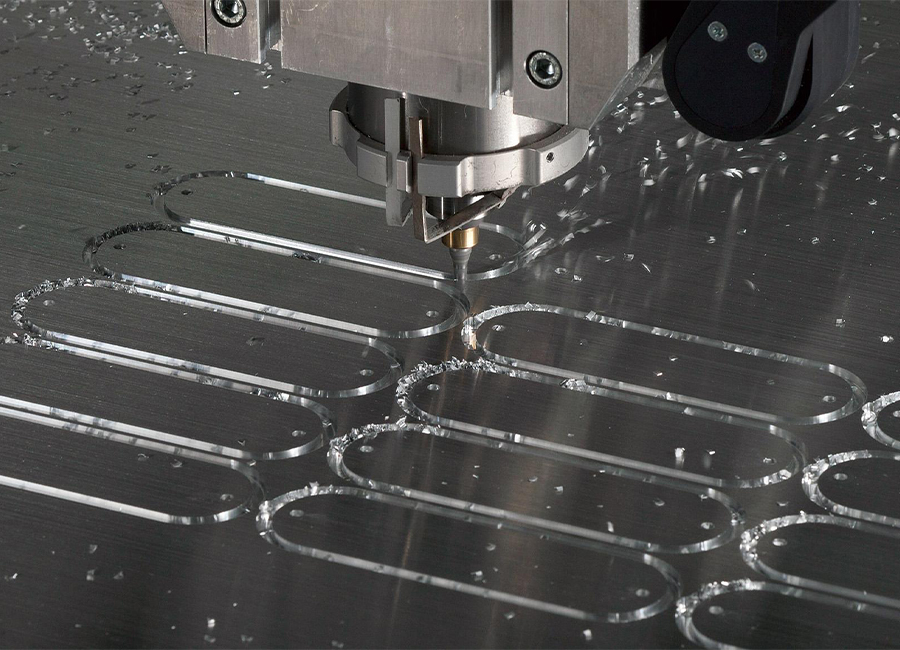
CNC routing is particularly effective for cutting external profiles and internal openings from flat sheet and plate materials.

The router follows programmed toolpaths across the workpiece to create accurate part outlines while maintaining repeatable geometry across prototype and production batches.

Common routing operations include:

  • External profile cutting
  • Internal cutouts
  • Openings and windows
  • Slots
  • Circular features
  • Hole patterns
  • Edge trimming
  • Nested part cutting
Multiple components can also be arranged across a single sheet to improve material utilization and reduce waste during repeat production.

Pockets, Channels & 2.5D Routing

CNC routing is not limited to cutting completely through the material. Controlled Z-axis movement allows the cutter to machine features at specified depths while leaving the remaining stock intact.

This makes routing suitable for flat components that combine complete cutouts with recessed or depth-controlled features.

Typical routed features include:
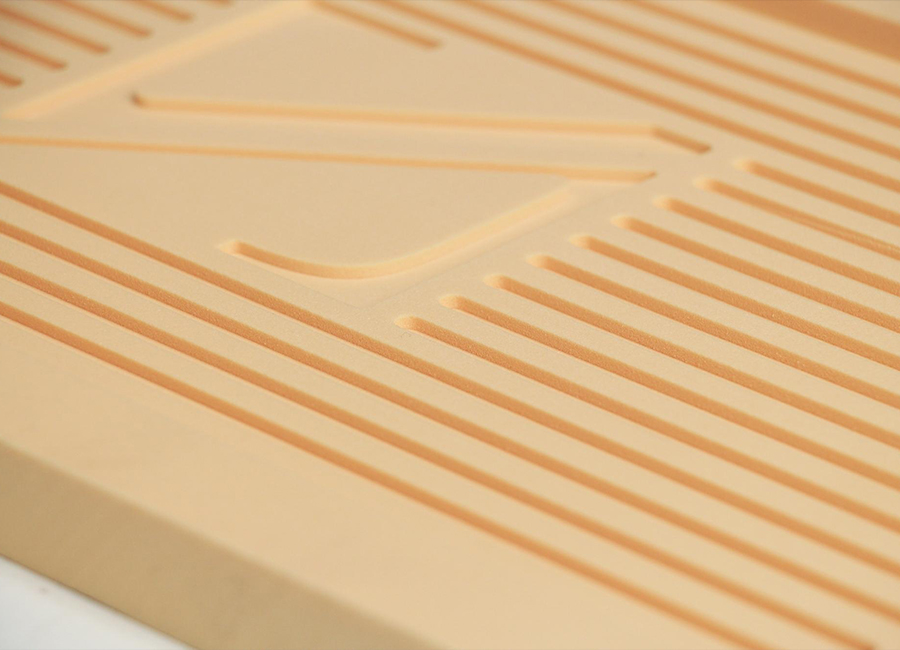
  • Pockets
  • Recesses
  • Channels
  • Grooves
  • Stepped depths
  • Counterbored areas
  • Engraving
  • Surface relief
These operations are useful for tooling plates, machine panels, fixture components, covers, guides, and other flat parts requiring different feature depths.

When Is CNC Routing the Right Choice?

CNC routing is particularly effective when a component starts as flat sheet or plate stock and most required features can be machined from one primary side.

It is a strong process choice when the original stock thickness and broad top and bottom surfaces can remain part of the finished component.

CNC routing is well suited to parts requiring:

  • Large flat geometry
  • External profiles
  • Internal cutouts
  • Repeated panel shapes
  • Slots and channels
  • Shallow or medium-depth pockets
  • Hole patterns
  • Engraved details
  • Parts nested from sheet stock
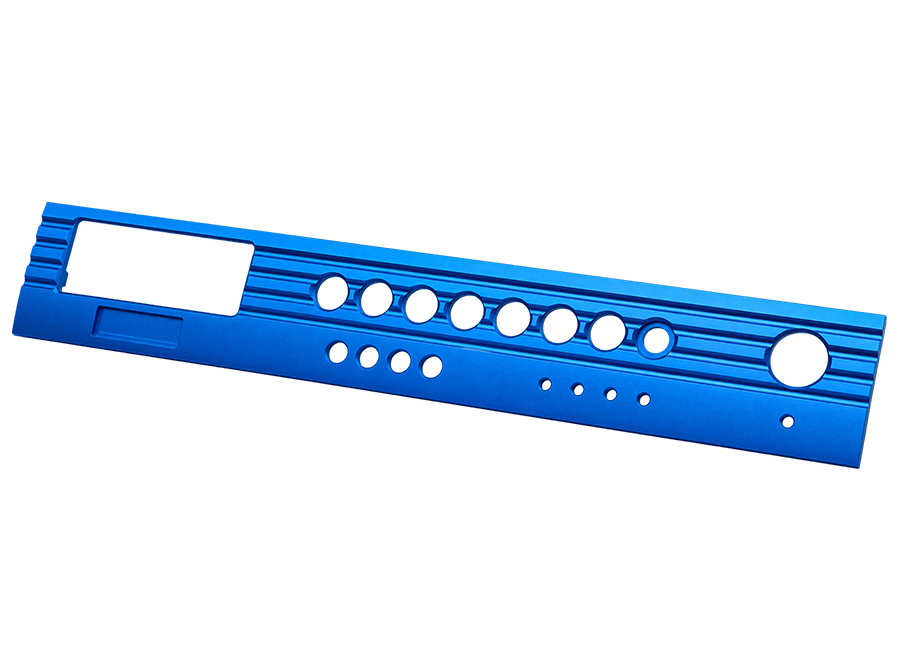
Typical applications include machine guards, equipment panels, tooling plates, fixture components, wear plates, plastic guides, covers, thermoforming tooling, and large prototype panels.

For compact components requiring complex three-dimensional surfaces, machining from several directions, or extensive multi-face features, CNC milling is generally the more appropriate process.

Materials for CNC Routing

CNC routing works particularly well with sheet and plate materials. Material selection affects cutting speed, cutter choice, chip formation, heat generation, edge quality, workholding, and achievable feature detail.

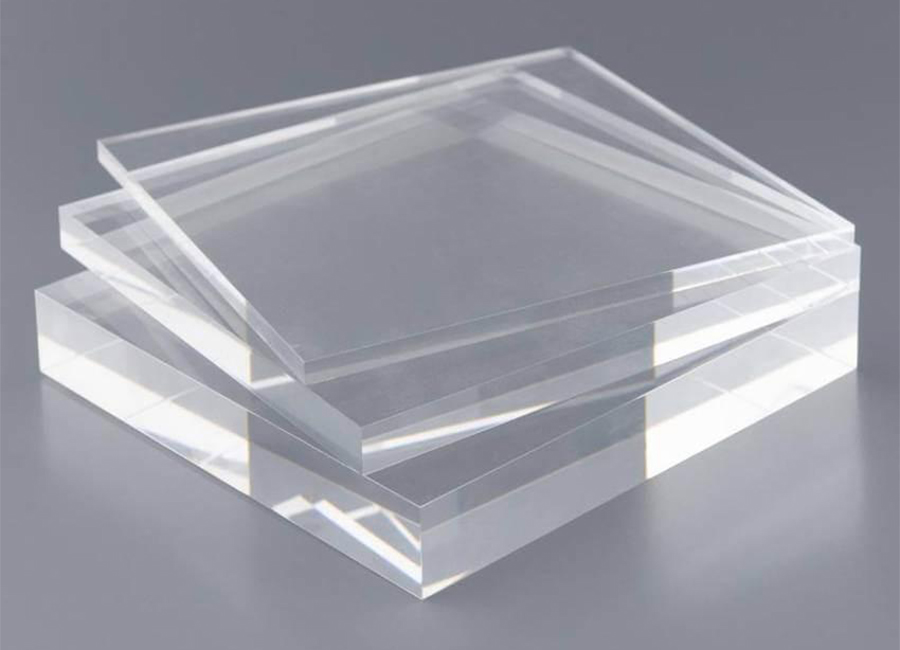
  • Acrylic / PMMA
  • ABS
  • HDPE
  • UHMW
  • Polycarbonate (PC)
  • Acetal / Delrin (POM)
  • PVC
  • Aluminum

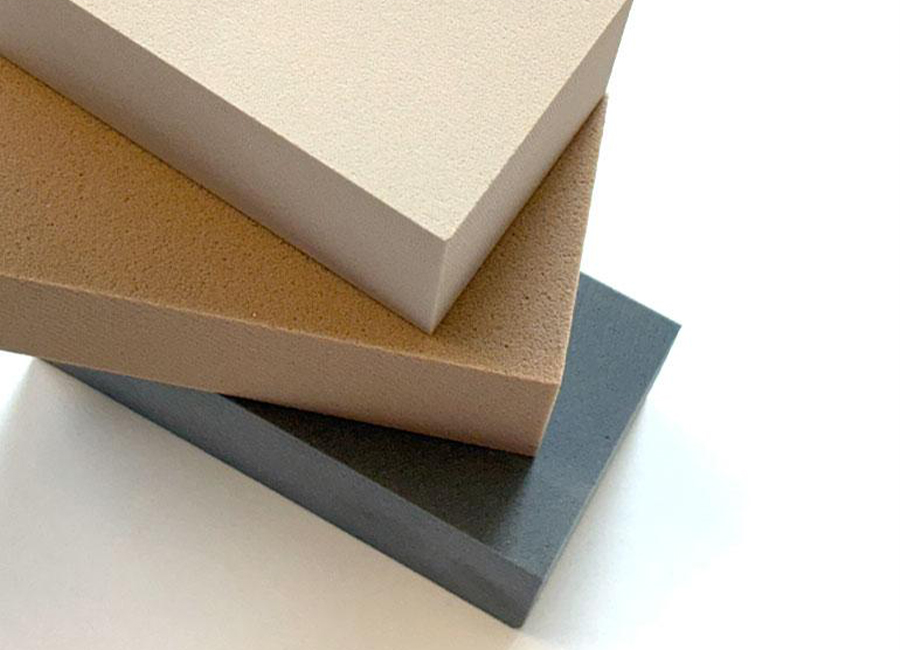
Additional routing materials can include Polypropylene, PET, PEI, Nylon, PTFE, Brass, Foam, ACM panels, and selected composite materials depending on part geometry and application requirements.

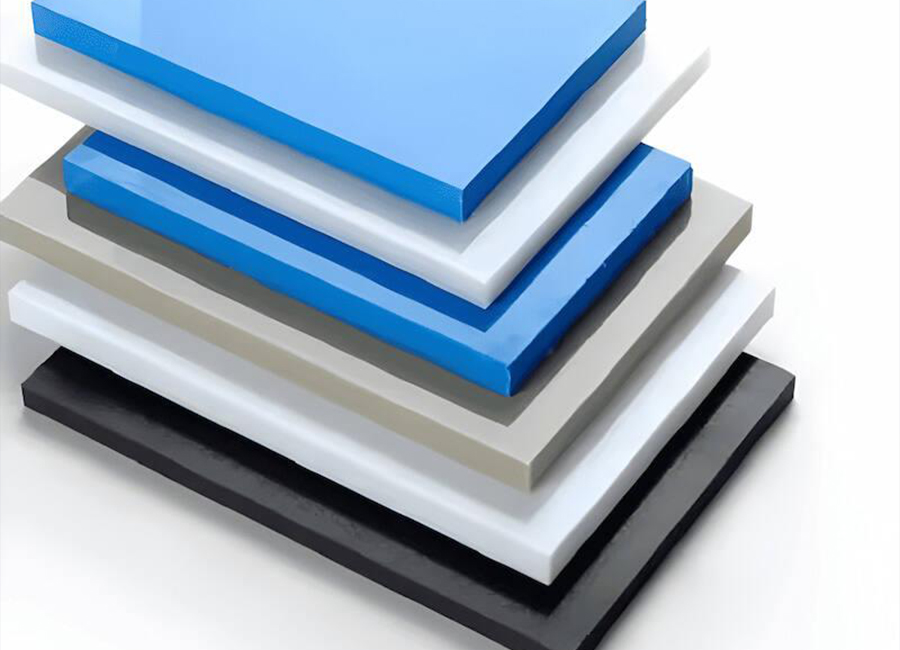
Engineering plastics are especially well suited to CNC routing because many are readily available in sheet and plate form. Acrylic and polycarbonate are commonly selected for transparent panels and machine guards, while HDPE and UHMW are useful for wear plates, guides, liners, and industrial components.

Aluminum sheet and tooling plate can also be routed efficiently when the stock thickness and broad top and bottom surfaces already meet the finished-part requirements. Brass and selected composites may also be suitable depending on cutter access, thickness, and edge requirements.

The right routing material should be selected according to stock thickness, flatness, stiffness, heat sensitivity, edge quality, dimensional stability, and the operating environment of the finished component.
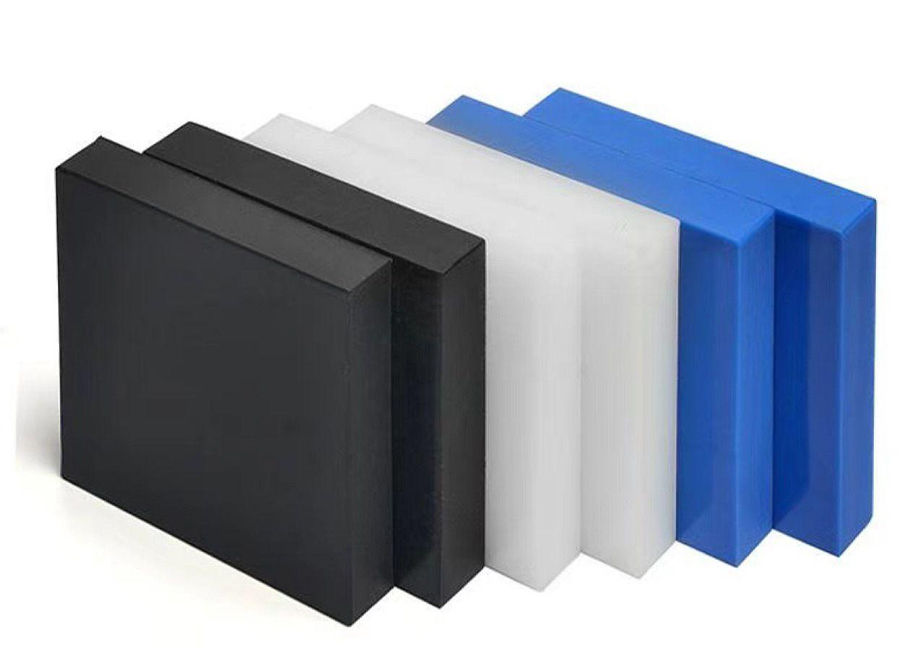
Materials for CNC Routing

CNC Routing Tolerances & Standards

Routing accuracy depends on material, sheet flatness, workholding, cutter diameter, cut depth, and overall part size. Critical profiles, cutouts, pockets, and hole locations should be clearly identified on the technical drawing.

±0.005 in.

±0.127 mm
General CNC dimensional reference for many routed metal features unless tighter requirements are specified.

±0.010 in.

±0.254 mm
General dimensional reference for many routed plastic and composite features. Actual capability varies with material stiffness, temperature behavior, and part size.

Preserve Stock Faces

When Practical
The original top and bottom surfaces of sheet or plate stock can often remain unchanged when no machining is required on those faces.

What Determines CNC Routing Accuracy?

Final routing capability depends on how securely the sheet is held and how the material behaves during cutting—not on tolerance values alone.

Sheet Flatness & Hold-Down
Large or flexible sheets must remain securely supported against the router table. Bowing or movement can affect profile dimensions and pocket depth.
Cutter Diameter & Toolpath
Router-bit diameter determines achievable internal corner radii, slot widths, and minimum feature size.
Material Behavior
Acrylic, HDPE, UHMW, aluminum, composites, and other materials respond differently to heat, cutting forces, chip evacuation, and tool engagement.
Cut Depth & Tool Reach
Deep pockets and thick stock may require multiple passes or longer tools, which can influence edge quality and dimensional consistency.
Large-format routed parts, flexible plastics, and composite sheets may require additional review for flatness, workholding, and dimensional stability.

Design Considerations for CNC Routed Parts

Part nesting, cutter geometry, internal corners, cut-through features, pocket depth, and edge requirements directly affect routing efficiency, material usage, and final part quality. These six checks help improve routed-part manufacturability.

Part Nesting & Material Use

Arrange multiple components efficiently across the available sheet size when production quantity allows. Practical nesting can improve material utilization and reduce waste, but sufficient spacing should remain between neighboring toolpaths and sheet edges.

Internal Corners & Cutter Radius

Router bits are round, so internal corners cannot be perfectly sharp. Allow practical corner radii wherever possible; smaller radii require smaller cutters and can increase machining time.

Cut-Through Features & Part Retention

When profiles or internal cutouts pass completely through the sheet, the remaining part must stay secure until machining is finished. Tabs, vacuum hold-down, machining sequence, or other retention methods may be required.

Narrow Slots & Small Features

Slot width and small-feature size are limited by cutter diameter and tool rigidity. Very narrow features may require smaller router bits, slower cutting conditions, and additional machining passes.

Pocket Depth & Step-Down

Deep pockets or recesses may need several depth passes rather than one full-depth cut. Avoid unnecessary pocket depth where the function does not require it.

Edge Quality & Finishing

Material type, cutter geometry, feed rate, spindle speed, and cutting direction affect routed edge quality. Specify cosmetic or polished edges only where they are functionally or visually required.
PROJECT WORKFLOW

From Sheet Stock to CNC Routed Part

A structured CNC routing workflow keeps sheet size, material thickness, profiles, pockets, nesting, workholding, and edge requirements aligned from design review through final delivery.

STEP 01

Submit Design Files

Send your CAD model or 2D profile drawing with material, sheet thickness, quantity, tolerances, pocket depths, and edge requirements.

STEP 02

Routing Review

We review overall part size, external profiles, internal cutouts, holes, pockets, feature depth, cutter access, and suitable sheet or plate stock.

STEP 03

CAM & Nesting Plan

Toolpaths, router-bit selection, cutting depth, machining sequence, and part nesting are planned to balance dimensional requirements, cutting efficiency, and material utilization.

STEP 04

Sheet Setup & CNC Routing

Sheet or plate stock is secured to the router table while programmed toolpaths cut profiles, internal openings, pockets, channels, holes, and other required features.

STEP 05

Feature & Edge Inspection

Overall dimensions, profile geometry, cutout locations, pocket depths, hole positions, and routed edge quality are checked against the technical drawing.

STEP 06

Deburr & Deliver

Completed parts are removed from the sheet, deburred or edge-finished as required, final-inspected, packed, and prepared for shipment.

Typical CNC Routed Components

CNC routing is well suited to flat and large-format components that combine external profiles, internal cutouts, pockets, channels, holes, and repeated features in sheet or plate materials.
Equipment Protection

Machine Guards & Covers

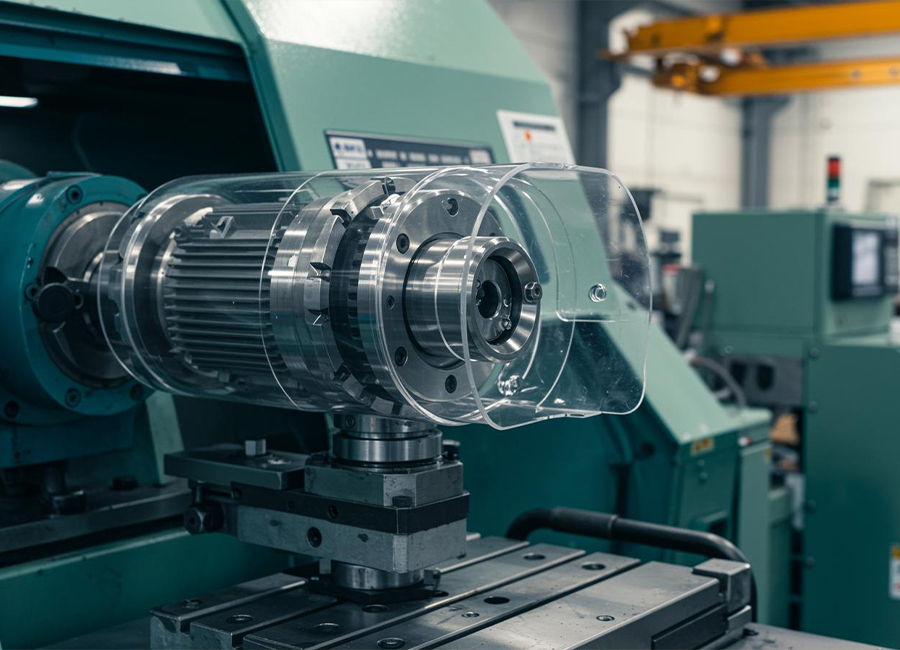
Routed polycarbonate, acrylic, and engineering-plastic guards with mounting holes, access openings, edge profiles, and equipment cutouts.
Manufacturing Tooling

Tooling & Fixture Plates

Flat aluminum or plastic plates incorporating hole patterns, pockets, slots, locating features, and equipment mounting interfaces.
Equipment Hardware

Panels & Enclosure Components

Custom machine panels, covers, and enclosure parts with connector openings, ventilation cutouts, mounting patterns, and routed edge geometry.
Wear Components

Wear Plates & Guides

HDPE, UHMW, Acetal, and other engineering-plastic components used for sliding, guiding, lining, wear protection, and material-handling applications.
Forming & Production Tooling

Thermoforming Patterns & Tooling

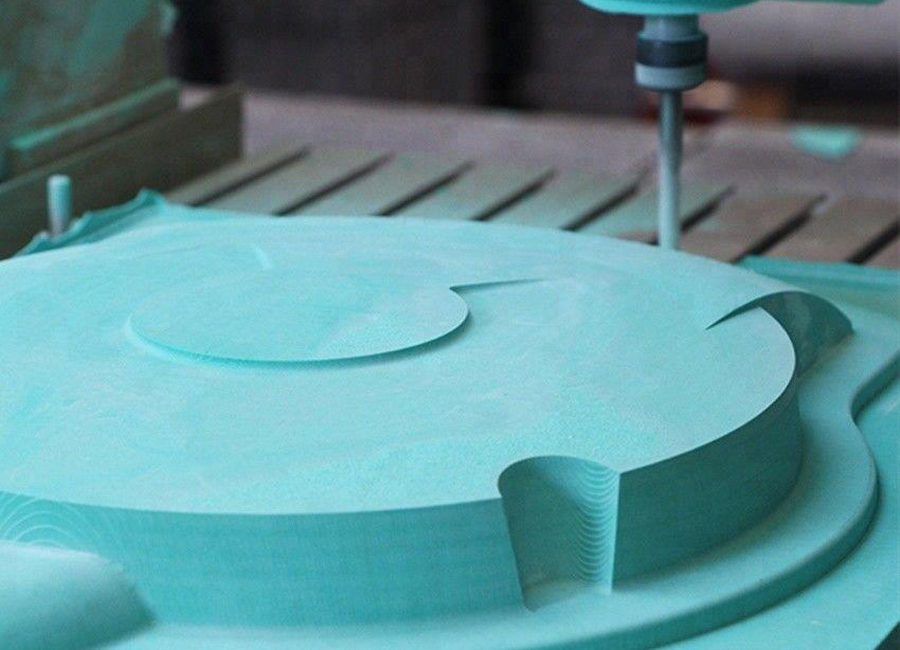
Routed patterns, molds, and tooling boards with controlled contours, pockets, and depth features for forming and production-support applications.
Product Development

Large Flat Prototypes

Full-size prototype panels, structural mockups, equipment interfaces, and flat components produced directly from sheet stock without dedicated production tooling.
QUALITY CONTROL

Inspection for CNC Routed Parts

Quality control for CNC routed parts focuses on the profile, feature position, pocket depth, flatness, and edge condition that determine fit, assembly, and final appearance. Critical dimensions should be verified against the approved CAD data and technical drawing.

Profile Dimension Inspection
Verify outside contours, overall length and width, and other critical profile dimensions against the specified requirements.
Cutout & Hole Position
Check internal openings, mounting holes, repeated feature patterns, and their location relative to reference edges or datums.
Pocket & Channel Depth
Verify recessed pockets, channels, stepped-depth features, and other controlled Z-axis dimensions.
Thickness & Flatness Check
Confirm sheet or plate thickness and evaluate flatness where it affects assembly, sealing, fit, or finished-part performance.
Edge Quality Inspection
Inspect routed edges for burrs, chatter, melting, delamination, excessive tool marks, or other material-specific defects.
Final Inspection
Confirm drawing requirements, engraving, deburring, edge condition, surface appearance, and overall part quality before shipment.

Common Questions About CNC Routing

Short answers for buyers evaluating sheet and plate parts, large-format machining, routed features, material use, and process selection.
What is CNC routing?
CNC routing is a computer-controlled subtractive process that uses a high-speed rotating cutter to machine flat sheet and plate materials. It is commonly used for external profiles, internal cutouts, pockets, channels, holes, and other 2D or 2.5D features.
CNC routing is generally optimized for large, flat sheet or plate components processed on gantry-style machines. CNC milling is better suited to smaller, more rigid workpieces that require complex 3D geometry, multi-face machining, or extensive material removal.

Routing can also preserve the original top and bottom stock surfaces when those surfaces already meet the design requirements.

Yes. CNC routing is particularly well suited to large flat components such as machine guards, panels, tooling plates, fixture bases, covers, and prototypes that may be inefficient or expensive to machine on a conventional CNC mill.

Can multiple parts be routed from one sheet?
Yes. Multiple components can be nested across a single sheet or plate to improve material utilization and reduce scrap. The final layout depends on part geometry, cutter diameter, required spacing, sheet size, and part-retention strategy.
Yes. CNC routers use controlled Z-axis movement to create pockets, channels, recesses, stepped depths, engraving, and other 2.5D features in addition to full-depth profile cuts.
Yes. Acrylic and polycarbonate are common CNC-machined plastics, and routing is especially useful for clear flat panels because the factory top and bottom surfaces can often remain untouched while only profiles, openings, holes, and pockets are machined. Xometry specifically identifies clear Acrylic/Polycarbonate panels as strong routing applications.
START YOUR ROUTING PROJECT

Get Your Custom CNC Routed Parts Manufactured

Send Nova Precision Manufacturing Co.,Ltd your CAD model or 2D profile drawing, material, sheet thickness, quantity, tolerances, pocket depths, cutout requirements, and edge specifications for manufacturing review.