Custom Metal Laser Cutting Services

Send us a DXF or DWG cut profile. If you provide a STEP model, include a dimensioned 2D drawing with the material grade, sheet thickness, quantity, critical tolerances, edge quality, and finishing requirements. Our engineers will review feature geometry, kerf-sensitive dimensions, heat and distortion risks, nesting, and secondary operations, then develop a clear cutting plan for prototypes and production parts.

Laser Cutting Built Around Your Geometry

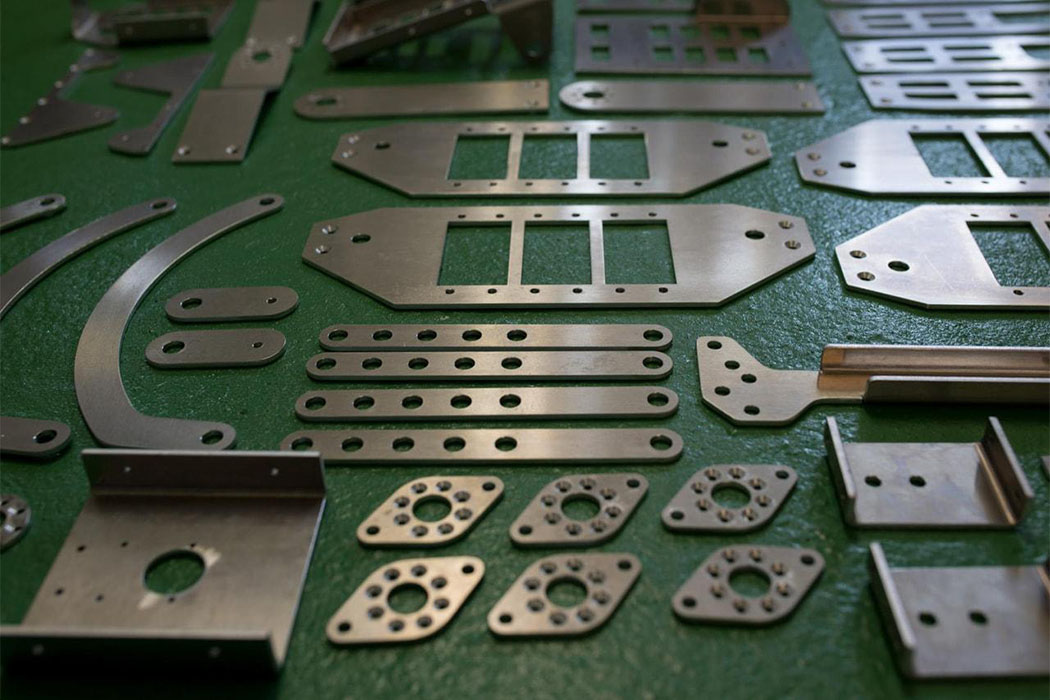
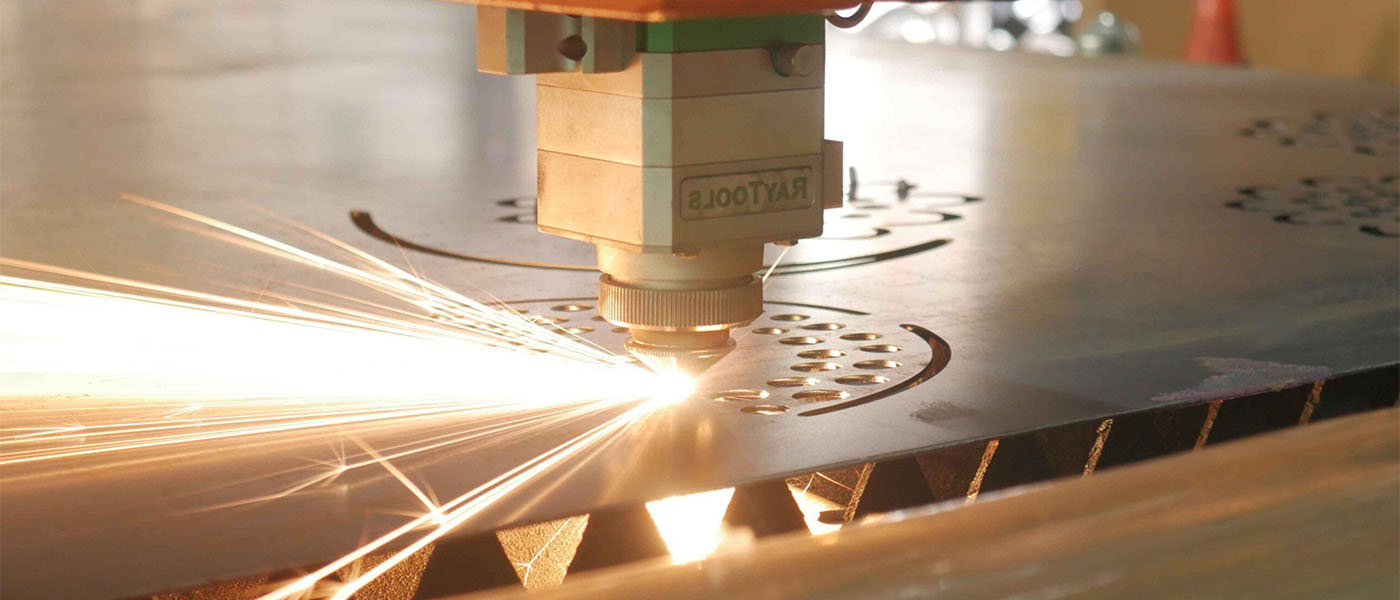
From Digital Profile to Production-Ready Part– Profile Capabilities: External contours, holes, slots, vents, notches, tabs, lettering, and intricate internal cutouts produced directly from approved CAD data.
– Metal Materials: Carbon steel, stainless steel, aluminum, galvanized steel, copper, brass, and other laser-compatible alloys selected according to grade, thickness, and application.
– Part Applications: Mounting plates, faceplates, brackets, panels, covers, guards, shims, washers, enclosure blanks, machine components, and other custom flat parts.
– Cut Quality Requirements: Kerf-sensitive dimensions, small features, burrs, dross, heat tint, oxide, cut-edge appearance, protective film, and cosmetic surfaces reviewed before production.
– Secondary Operations: Deburring, tapping, countersinking, bending, hardware insertion, welding, marking, surface finishing, dimensional inspection, and first article reports when specified.
01 — File & Requirement Review
Defining the Laser Cutting Project Before Programming
✅ Design Inputs
Review the DXF, DWG, STEP file, and 2D drawing for material grade, sheet thickness, drawing revision, critical dimensions, tolerances, and quantity.
✅ Project Criteria
Confirm edge requirements, cosmetic face, protective film, part marking, secondary operations, inspection documents, packaging, and requested delivery schedule.
02 — Laser Cutting DFM
Checking Geometry and Cutting Risks Before Production
✅ Feature Analysis
Evaluate small holes, narrow slots and webs, sharp corners, closely spaced cutouts, slender sections, and parts that could tip after separation.
✅ Cutability Review
Assess kerf-sensitive dimensions, piercing locations, heat concentration, distortion risks, surface marking, and features that may require design adjustment.
03 — Material Planning & Nesting
Using Sheet Stock Efficiently Without Compromising Quality
✅ Material Verification
Confirm the alloy, grade, thickness, surface condition, grain or cosmetic direction, protective film, and material certification requirements.
✅ Nesting Strategy
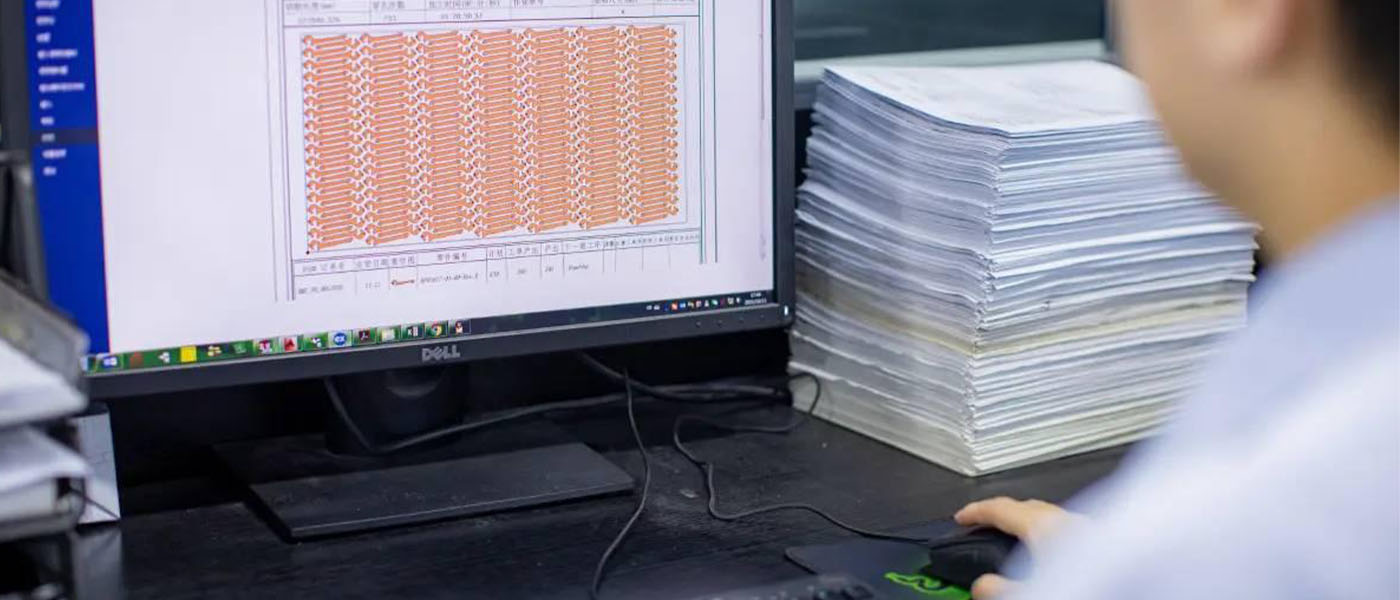
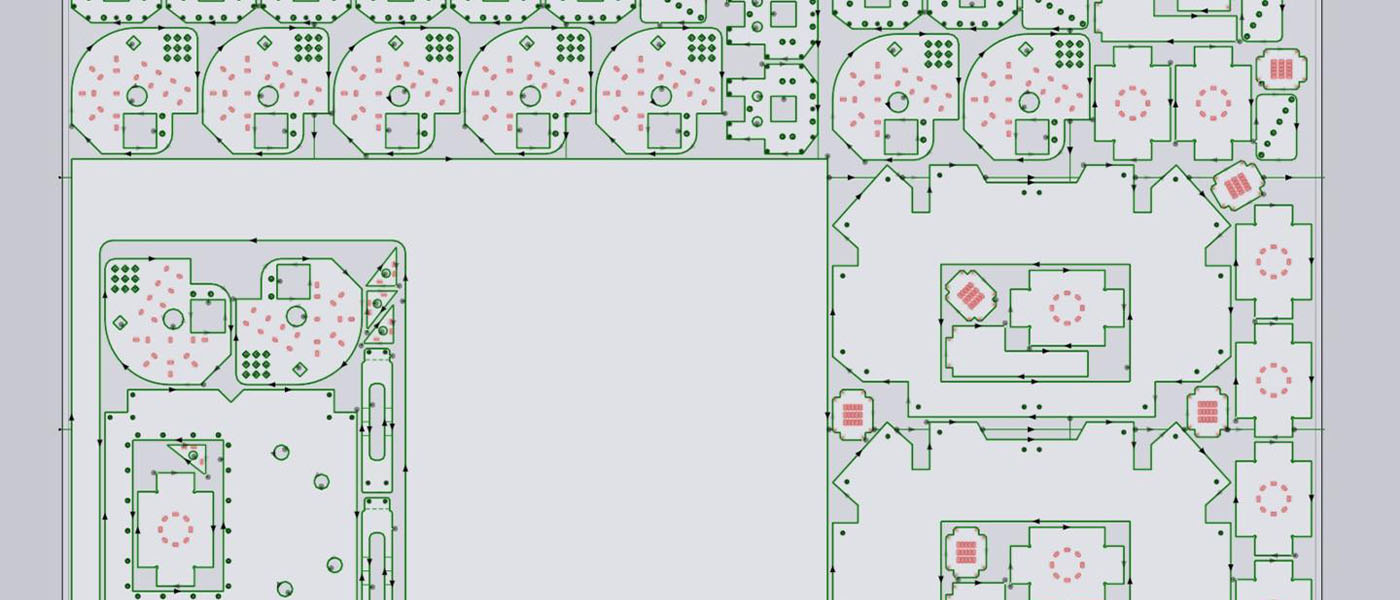
Arrange parts to improve sheet utilization while maintaining cutting clearance, heat distribution, required orientation, traceability, and safe part removal.
04 — Programming & First-Off Cut
Proving the Cutting Strategy on the Specified Material
✅ Cutting Program
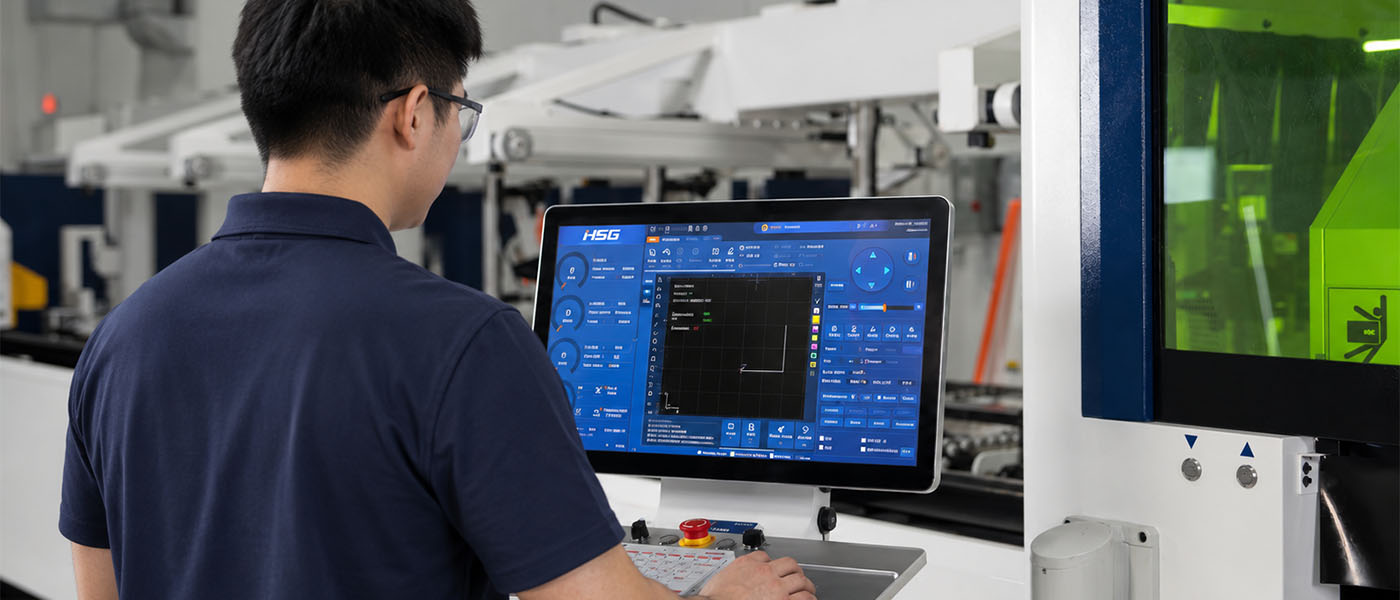
Define the cutting sequence, pierce points, lead-ins and lead-outs, corner control, assist-gas strategy, and micro-tabs where appropriate.
✅ First-Off Approval
Produce an initial part and inspect its profile, hole locations, cut completeness, dross, heat tint, flatness, and surface condition before release.
05 — Controlled Laser Production
Maintaining Stable Cut Quality Throughout the Run
✅ Monitored Cutting
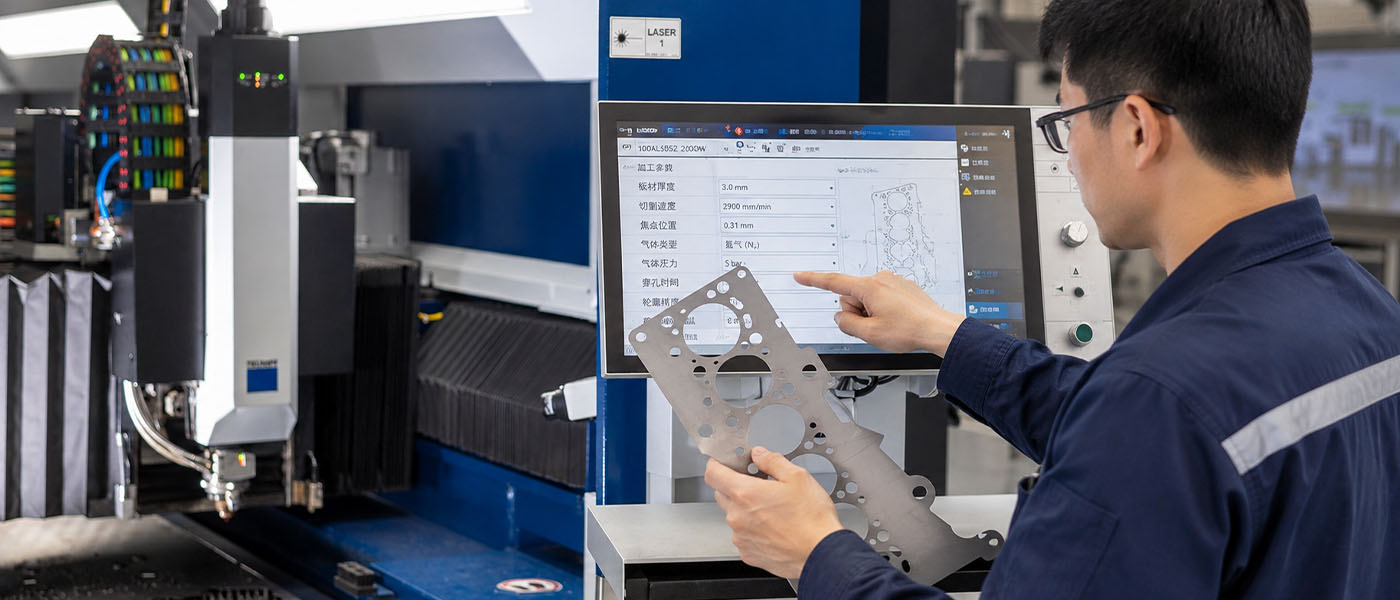
Run the approved program and material while monitoring focus, nozzle condition, piercing, cutting speed, assist gas, sheet position, and part separation.
✅ In-Process Checks
Verify critical dimensions, cut-edge consistency, feature completeness, part identification, surface condition, and production quantity at defined intervals.
06 — Edge Finishing & Secondary Operations
Preparing Laser-Cut Parts for Their Final Application
✅ Edge Preparation
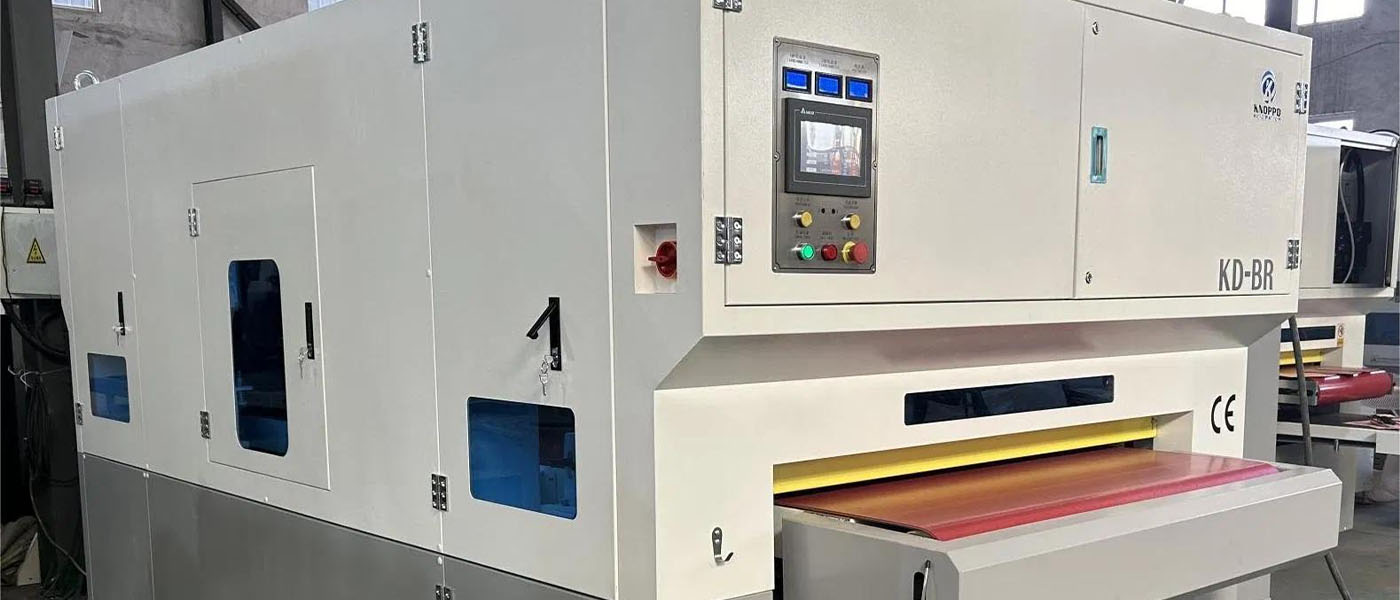
Remove loose dross and burrs, break specified sharp edges, and complete brushing, tumbling, grinding, or other required surface preparation.
✅ Secondary Processing
Complete tapping, countersinking, bending, hardware insertion, welding, marking, coating, plating, passivation, or assembly according to the drawing.
07 — Final Inspection & Delivery
Verifying Complete, Identified, and Protected Parts
✅ Final Inspection
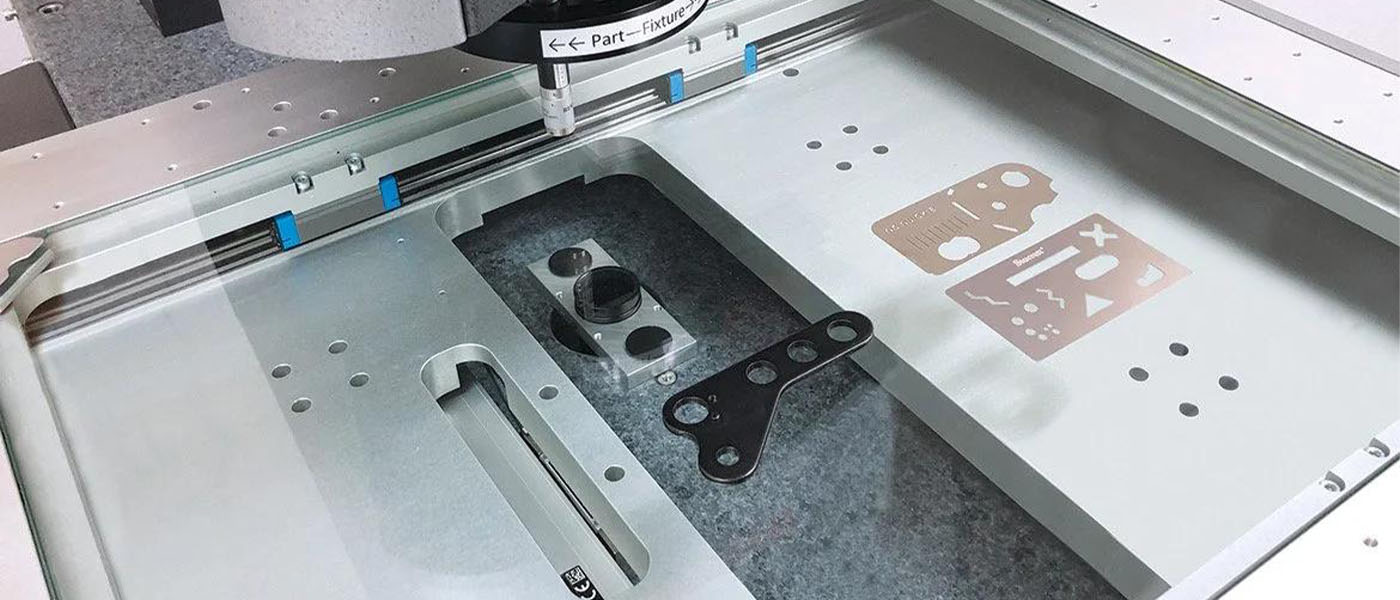
Confirm critical dimensions, profiles, hole and slot locations, flatness, edge condition, appearance, and completion of all specified secondary operations.
✅ Documentation & Packaging
Provide first article reports, dimensional results, material or finish certificates, and lot records when required, then package parts to prevent scratches, distortion, or corrosion.

Laser Cutting — Frequently Asked Questions

Answers about quotation files, compatible metals, prototype and production quantities, achievable tolerances, cut-edge quality, secondary operations, and project lead times.

Please provide a DXF or DWG profile, or a STEP model supported by a dimensioned 2D drawing. Include the material grade, sheet thickness, quantity, critical tolerances, edge requirements, surface finish, secondary operations, inspection needs, and requested delivery date.

Yes. Laser cutting uses digital programming rather than a dedicated hard die, making it suitable for one-off prototypes, design revisions, pilot batches, mixed-part orders, and repeat production. For larger quantities, nesting and production planning help improve material utilization and consistency.

Lead time depends on material availability, order quantity, sheet thickness, nesting efficiency, part complexity, secondary operations, surface finishing, inspection documentation, and packaging. A project-specific production schedule will be provided after the files and requirements have been reviewed.