Custom Metal Stamping Services

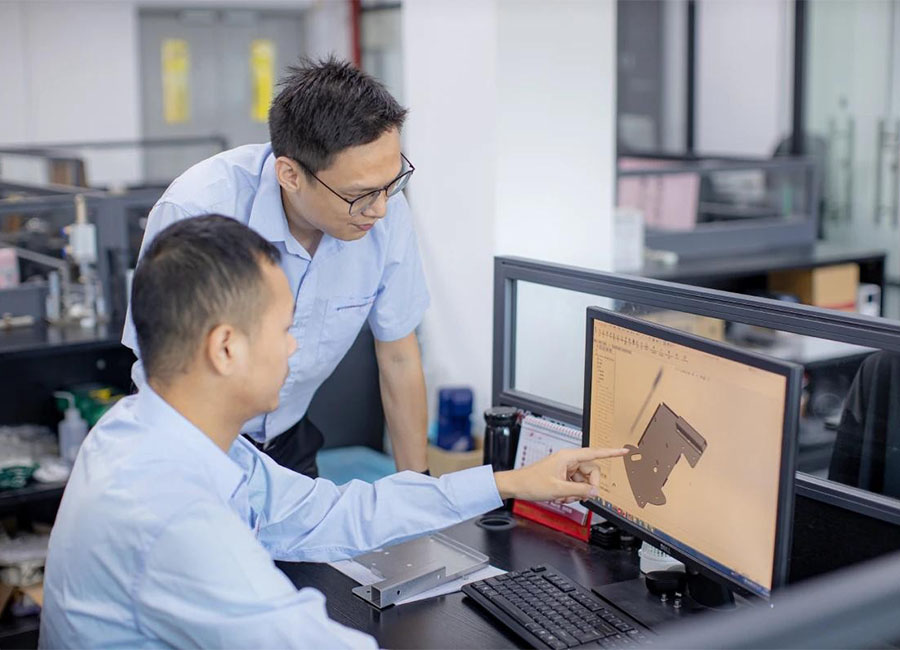
Send us your CAD files, 2D drawings, material grade, sheet thickness, expected production volume, and finishing requirements. Our engineers will review formability, tolerances, tooling strategy, and production risks, then develop a clear plan covering die design, first article approval, volume stamping, secondary operations, and repeat orders.

Metal Stamping Configured Around Your Part

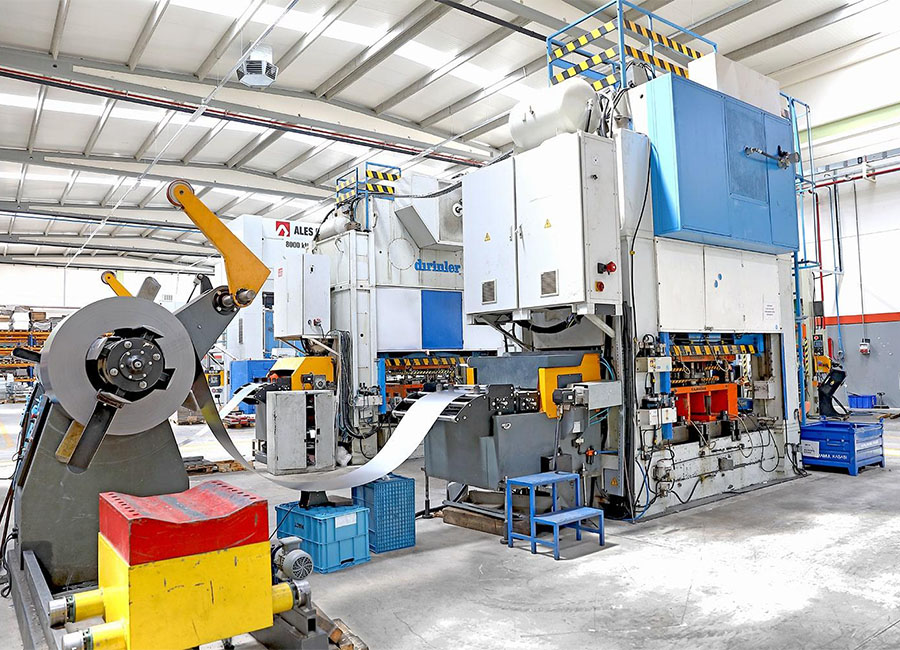
From Die Design to Repeat Production– Stamping Methods: Progressive die, compound die, transfer, deep-draw, blanking, punching, and forming processes selected according to part geometry and production volume.
– Metal Materials: Low-carbon steel, stainless steel, aluminum, copper, brass, and other formable alloys selected for strength, conductivity, corrosion resistance, and finish requirements.
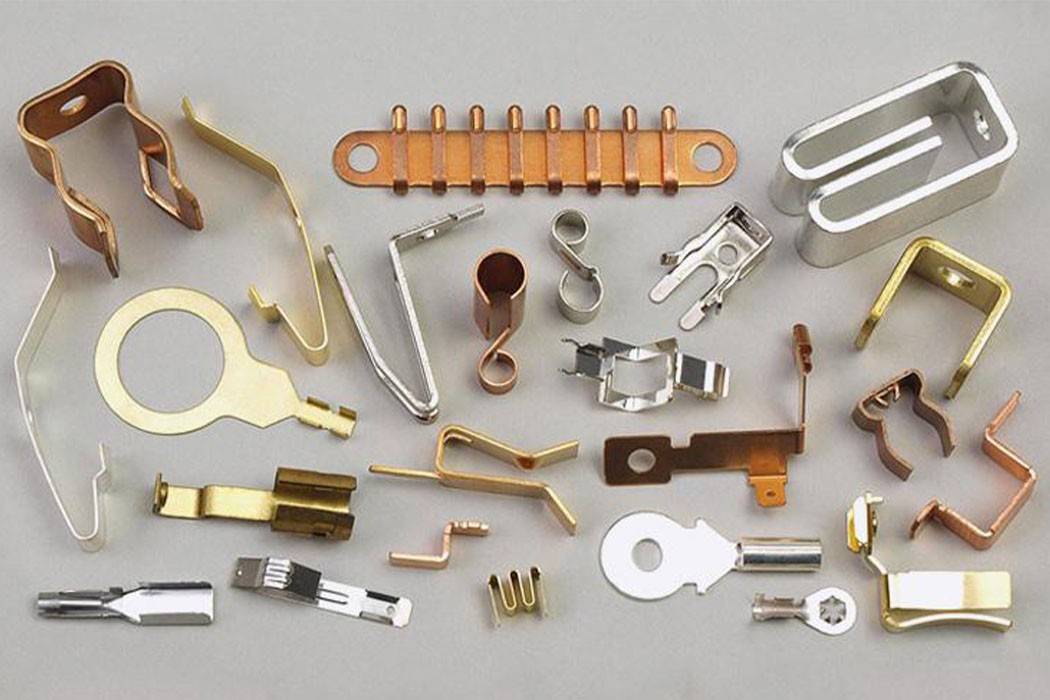
– Part Capabilities: Brackets, clips, terminals, contacts, shields, washers, covers, housings, and custom components with holes, bends, ribs, and embossed features.
– Secondary Operations: Deburring, tapping, welding, hardware insertion, heat treatment, plating, powder coating, aluminum-specific anodizing, and assembly as specified.
– Quality Documentation: First article inspection, dimensional reports, material certificates, control plans, custom gauges, and lot traceability when required.
01 — Project & Volume Review
Defining the Stamping Program Before Tooling
✅ Part Requirements
Review the CAD model, 2D drawing, material grade, sheet thickness, tolerances, burr direction, surface finish, and functional requirements.
✅ Program Targets
Confirm annual volume, batch size, delivery schedule, expected tool life, inspection documentation, and packaging requirements.
02 — Stamping DFM & Process Selection
Choosing a Reliable, Economical Stamping Route
✅ Formability Analysis
Evaluate holes, slots, tabs, bend radii, draw depth, grain direction, springback, and the risk of burrs, cracks, or distortion.
✅ Process Selection
Select single-stage, compound, progressive, transfer, or deep-draw stamping according to geometry, material behavior, tolerances, and volume.
03 — Tool & Die Manufacturing
Building Tooling for Repeatable Output
✅ Die Engineering
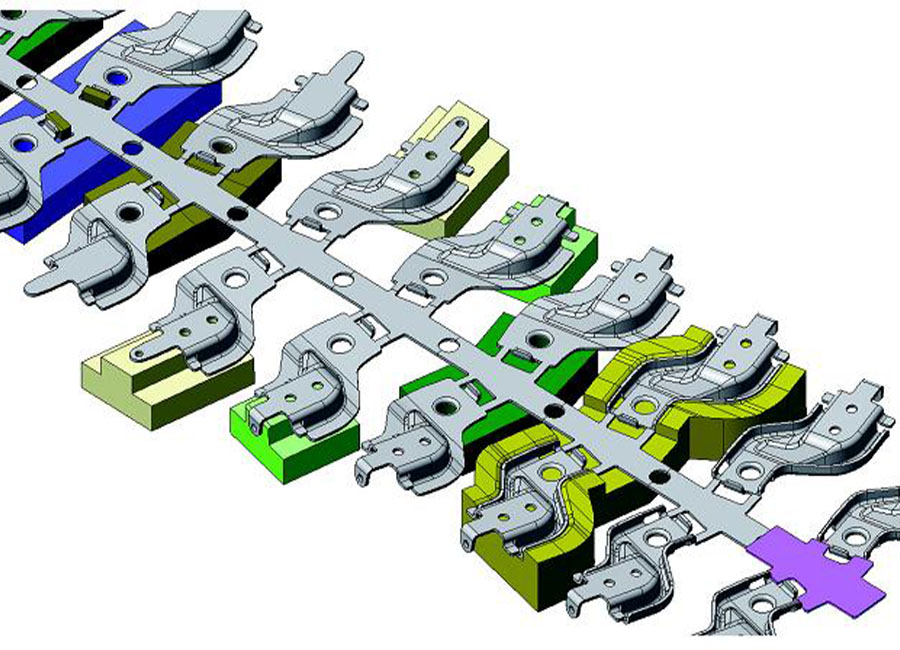
Develop the strip layout, station sequence, feed path, punch and die clearances, forming inserts, scrap removal, and press requirements.
✅ Precision Toolmaking
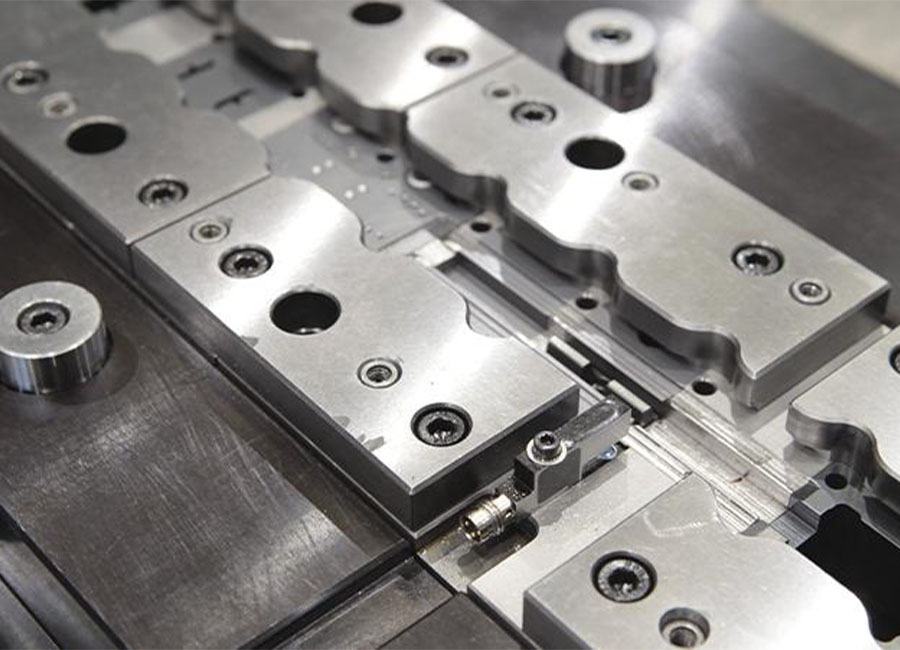
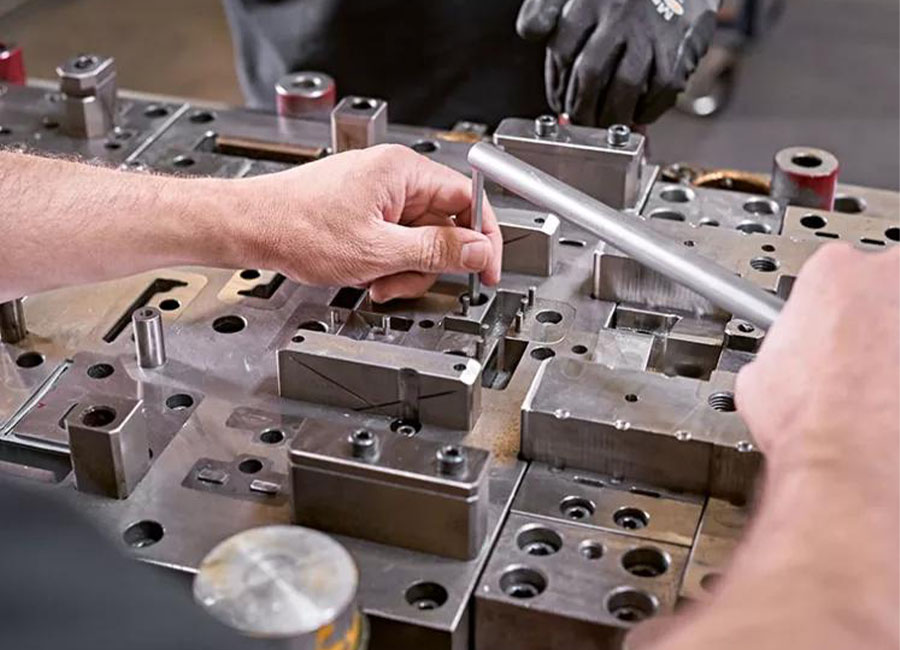
Machine, fit, and inspect punches, die sections, guides, strippers, sensors, and forming components before press tryout.
04 — Die Tryout & First Article Approval
Proving the Tool with Production Material
✅ First Press Trial
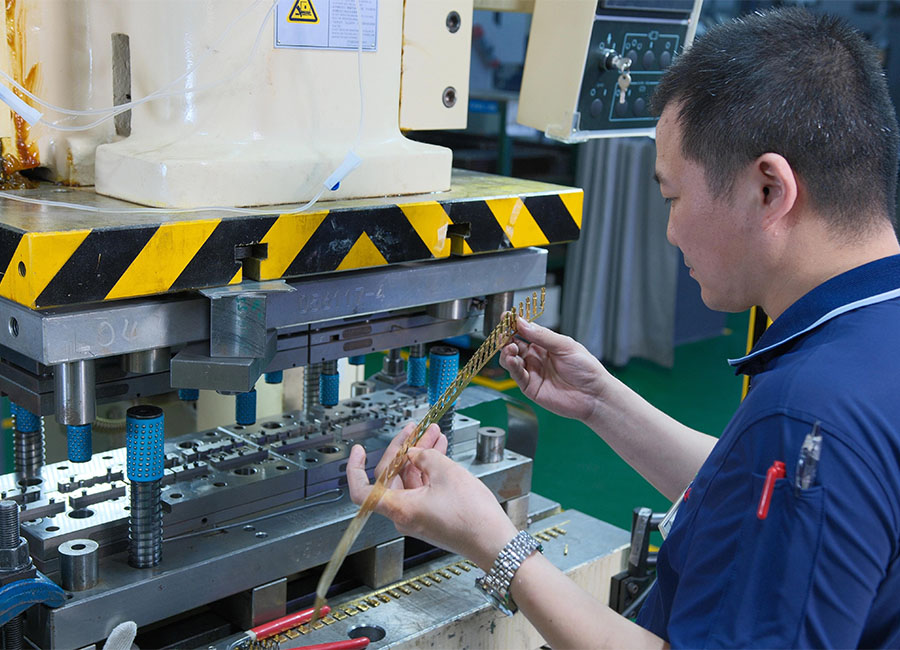
Run the die with the specified material and inspect feeding, cutting, forming, burrs, cracks, wrinkles, springback, and surface marks.
✅ Sample Evaluation
Measure first articles against the approved drawing and refine die clearances, forming stations, or press settings before approval.
05 — Process Validation
Establishing a Repeatable Stamping Window
✅ Parameter Validation
Define the approved press, feed pitch, lubrication, stroke rate, material orientation, alignment, and part-handling conditions.
✅ Quality Planning
Set inspection methods, dedicated gauges, sampling frequency, acceptance criteria, traceability, and packaging controls.
06 — Controlled Volume Production
Maintaining Consistency During Every Run
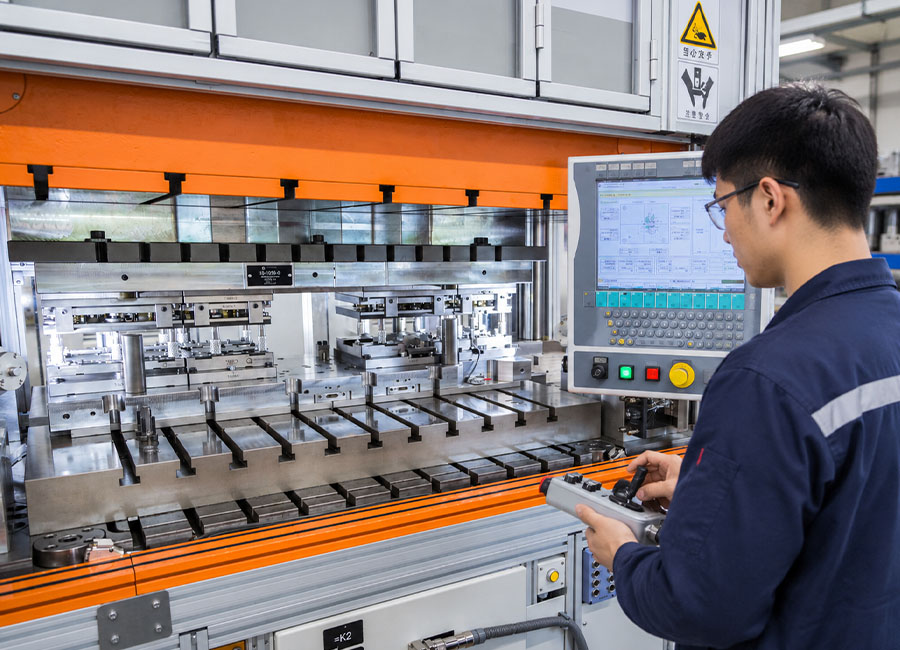
✅ Monitored Stamping
Run production with the approved material, die, and setup while monitoring dimensions, burr height, bend angles, flatness, surface condition, and tool wear.
✅ Secondary Operations
Complete deburring, tapping, welding, hardware insertion, heat treatment, plating, coating, marking, or assembly as specified.
07 — Repeat Supply & Die Maintenance
Protecting Tooling and Approved Part Quality
✅ Preventive Die Maintenance
Clean, inspect, sharpen, polish, lubricate, and replace wear components according to production use and inspection results.
✅ Revision & Supply Control
Maintain approved drawings, material specifications, tooling records, and part revisions while coordinating repeat orders and scheduled releases.

Metal Stamping — Frequently Asked Questions

Answers about stamping processes, materials, production volumes, tooling investment, tolerances, lead times, first articles, and repeat-order quality.

Yes, but dedicated tooling creates an upfront investment, so stamping usually becomes more economical as repeat volume increases. For prototypes or designs that may still change, laser-cut blanks, simple forming tools, or temporary tooling may be recommended before building a production die.

Repeat orders follow approved material specifications, revision-controlled drawings, documented press setups, inspection plans, and packaging standards. In-process gauge checks, dimensional records, lot traceability, and preventive die maintenance help control variation between production runs.