Before You Go, Let’s Talk About Your Parts
Tell us about your part, quantity, and key requirements. Nova Precision Manufacturing Co.,Ltd can help you choose suitable materials and manufacturing processes for your project.

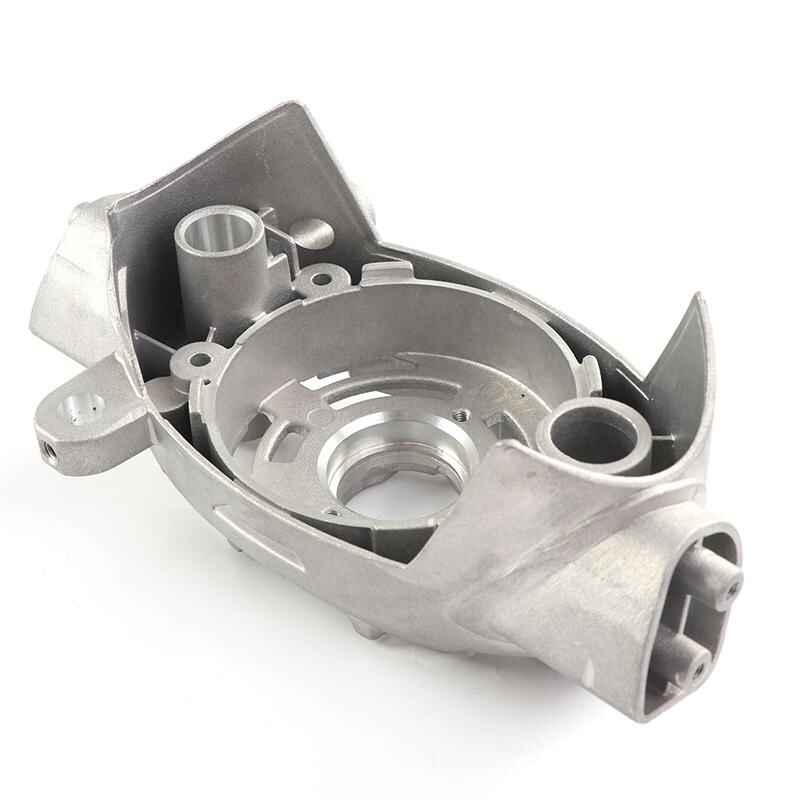
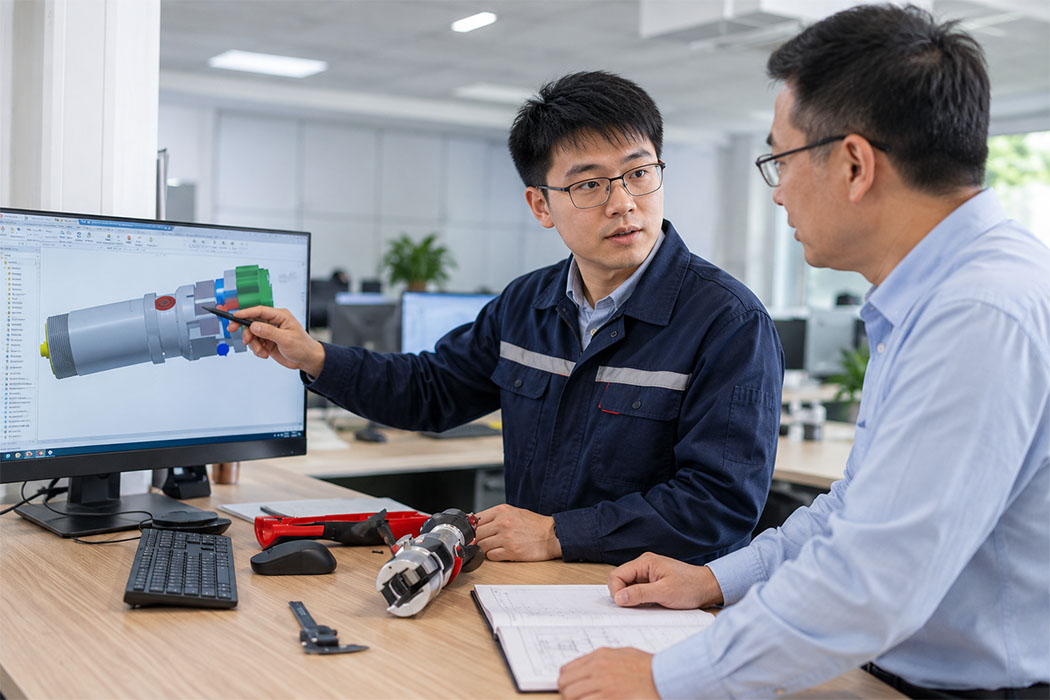
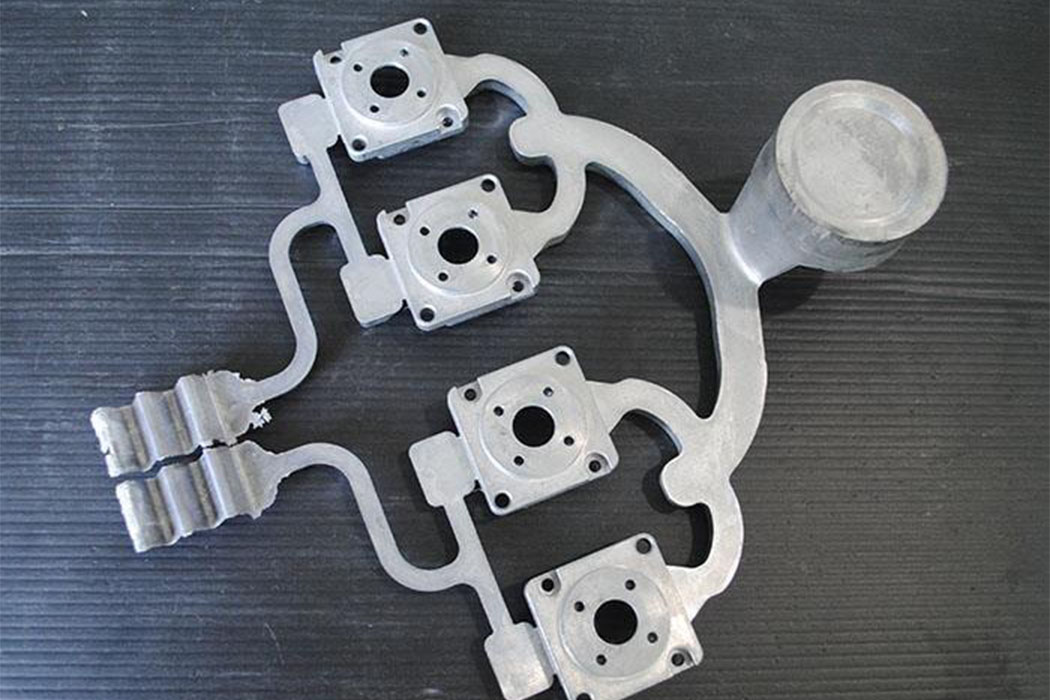
Please provide 3D CAD files, 2D drawings, alloy requirements, tolerances, order quantity, annual demand, surface finish, secondary machining, inspection requirements, and delivery schedule. Die casting is generally most economical for repeat orders of several thousand parts or more, although the actual break-even volume depends on tooling and part complexity.
Common options include aluminum A360, A380, A383/ADC12, and A413; zinc Zamak 2, 3, 5, and 7; and magnesium AZ91D and AM60B. The final alloy is selected according to strength, weight, corrosion resistance, dimensional stability, finish, and operating environment.
Hot-chamber die casting is mainly used for zinc and selected magnesium alloys, providing fast cycles for smaller detailed parts. Cold-chamber die casting is commonly used for aluminum and other higher-melting alloys. The choice also depends on part size, geometry, shot weight, and production volume.
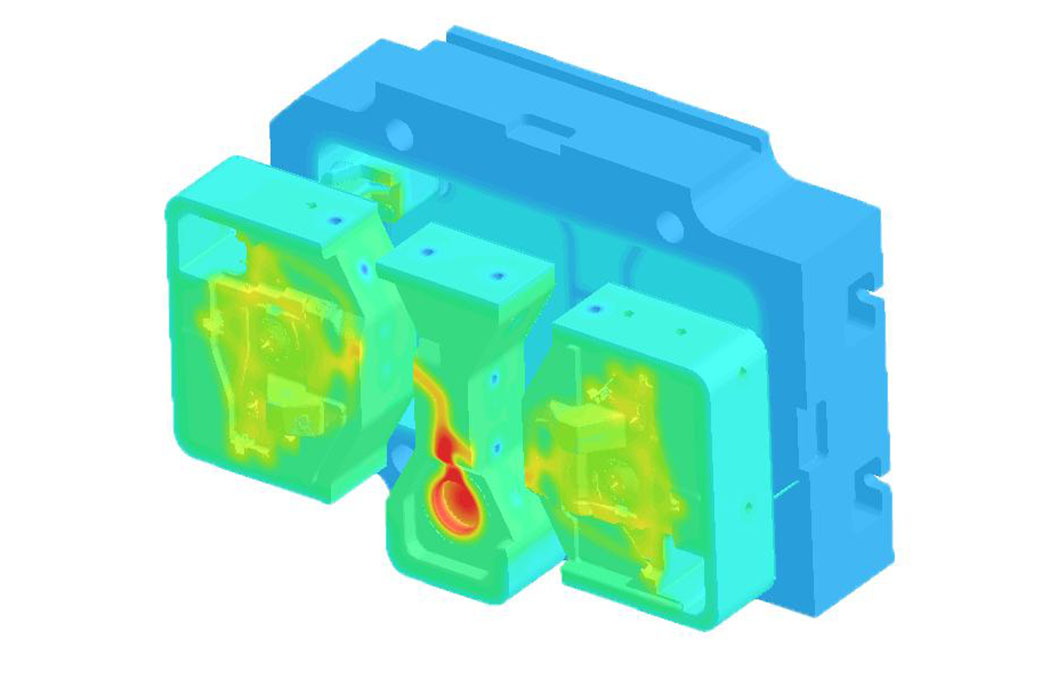
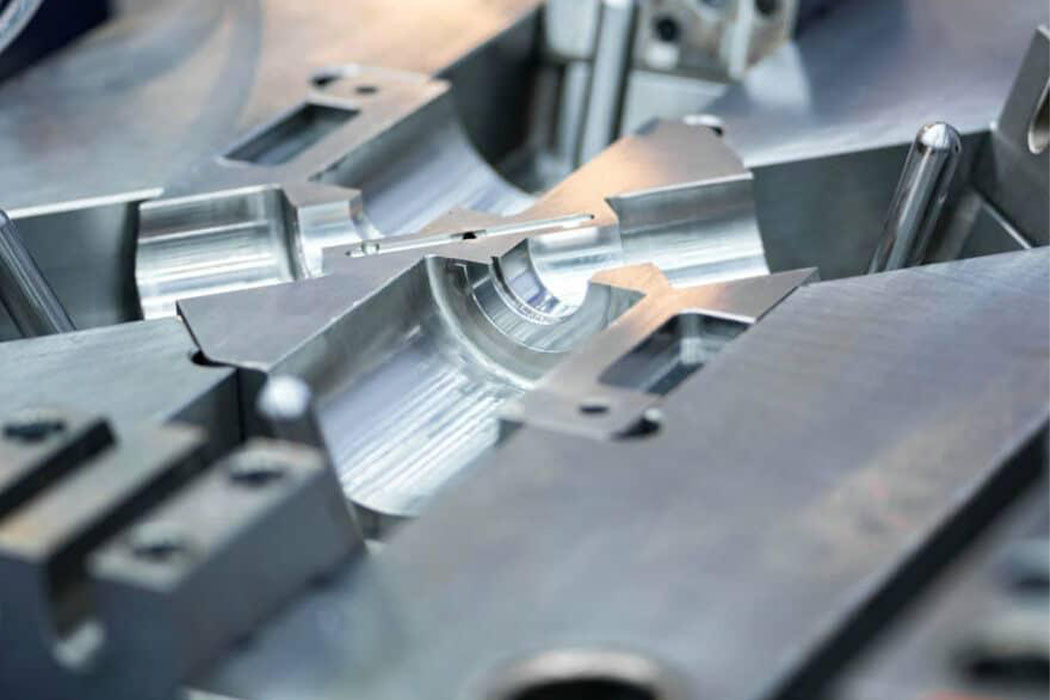
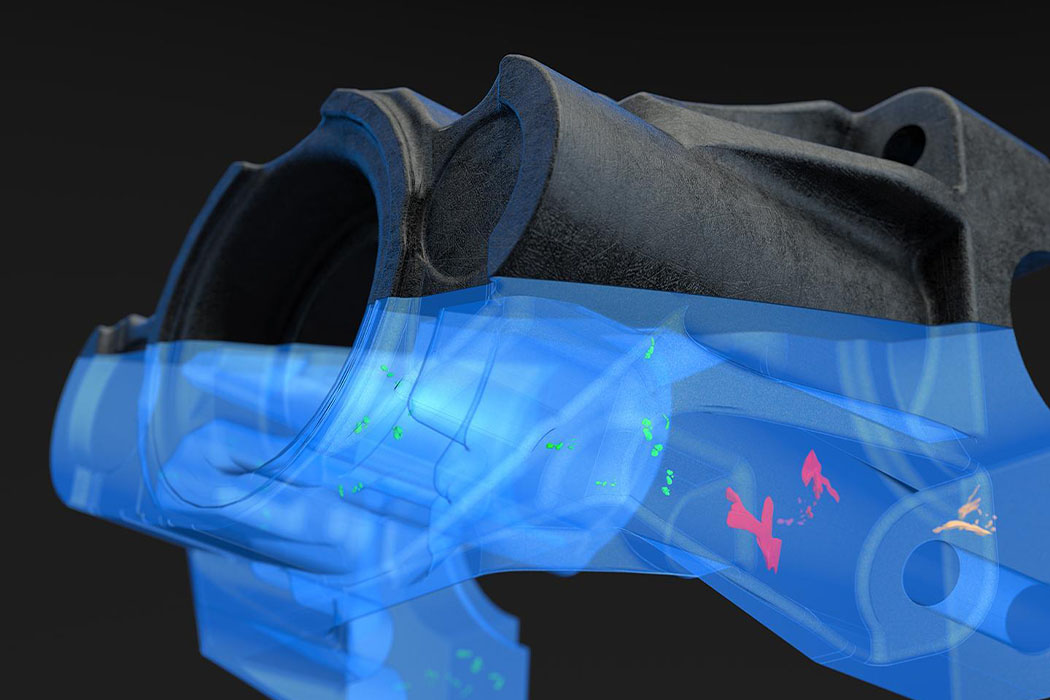
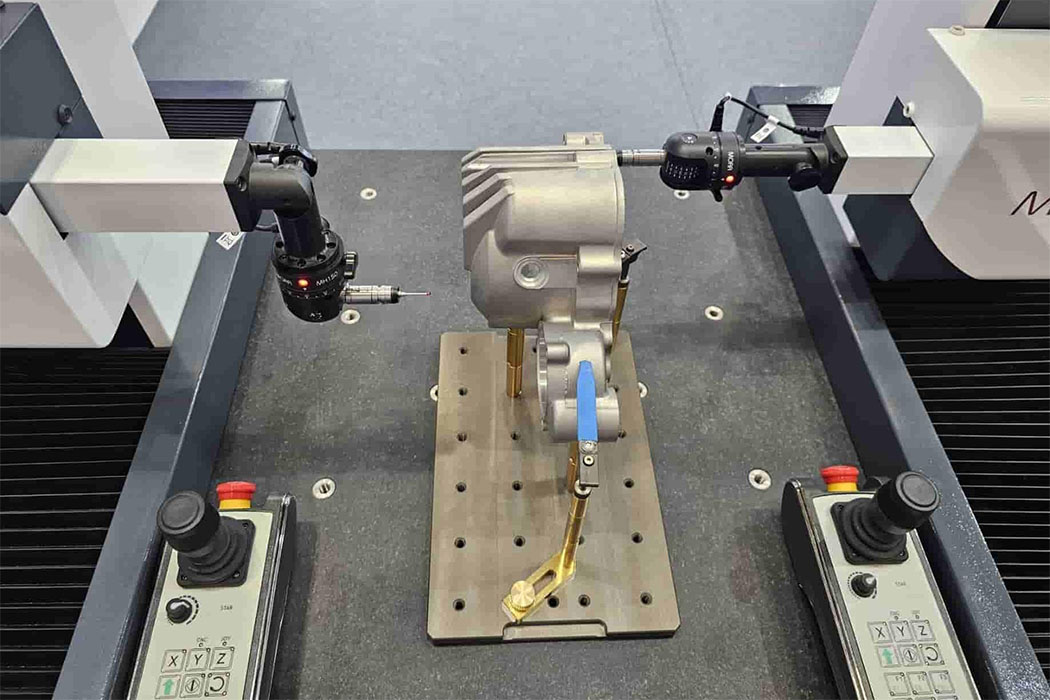
We control die design, gating, venting, melt condition, injection pressure, temperature, cooling, and cycle parameters. Critical parts can be checked using X-ray, CT, leak testing, or pressure-decay testing. Documented process settings, die maintenance, inspection records, and material traceability support consistent repeat orders.
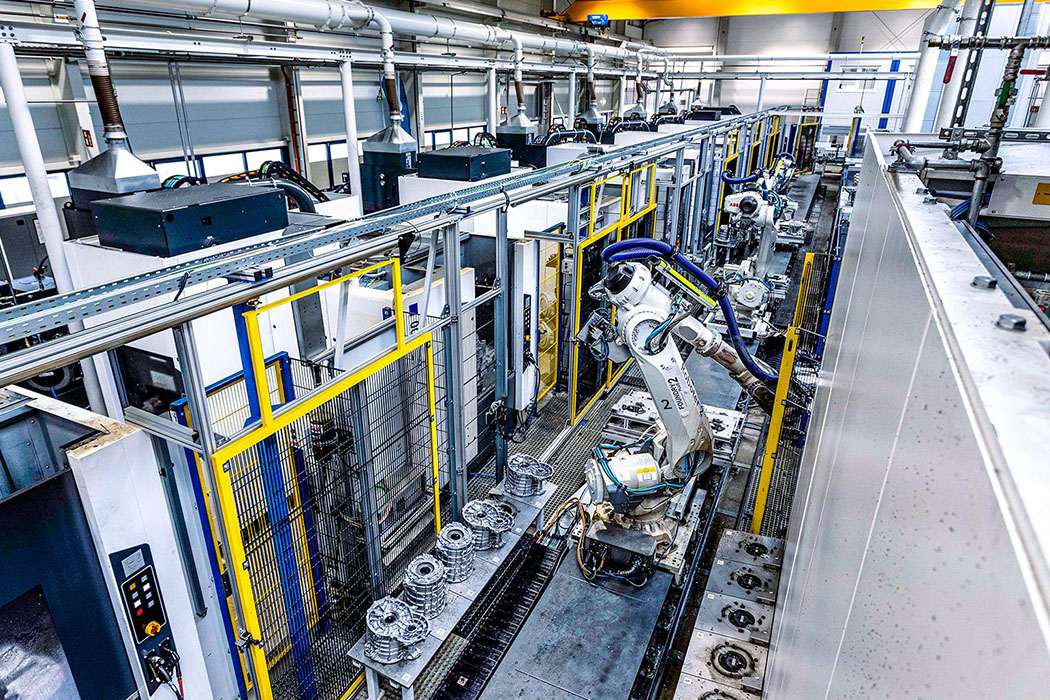
Yes. Die-cast parts can be CNC milled, drilled, reamed, or tapped for tighter tolerances. Available finishes may include tumbling, shot blasting, powder coating, painting, plating, chromate conversion coating, and selected anodizing processes, depending on the alloy and application.