Custom Metal Part Production Services

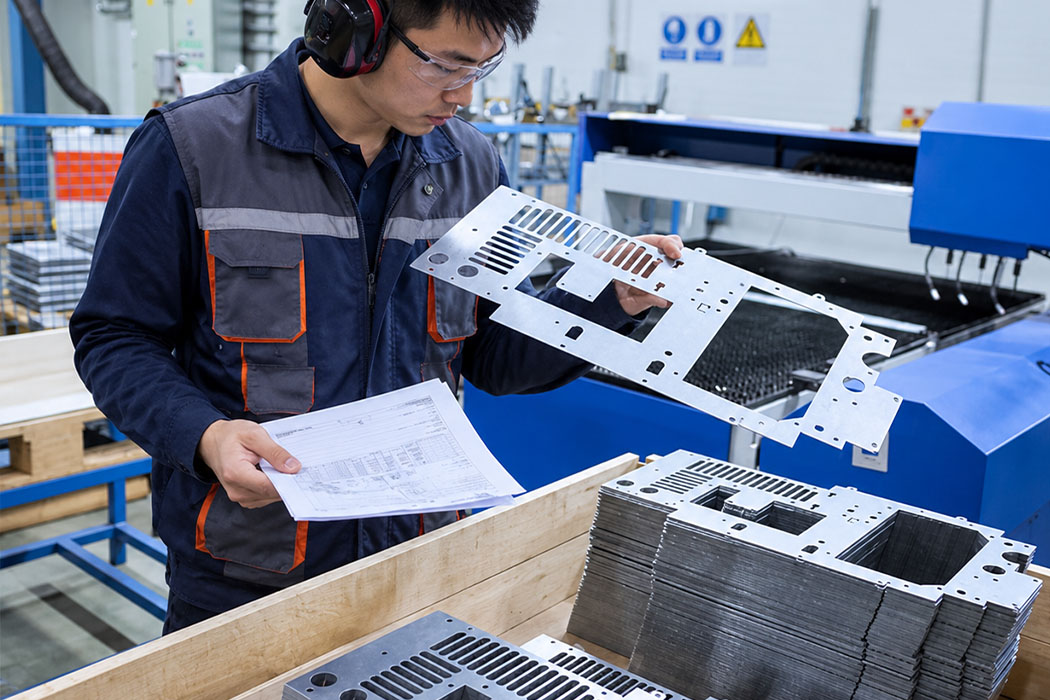
Source custom metal components through die casting, metal stamping, sheet metal fabrication, and laser cutting. Nova Precision Manufacturing Co., Ltd. reviews your design, material, quantity, finish, and inspection requirements to help select a practical manufacturing route.

Match the Part to the Right Metal Process

A bent enclosure, a stamped electrical contact, and a die cast housing have different tooling and production requirements. Process selection starts with the part geometry and stock or alloy specification, then considers quantity, design maturity, critical features, finishing, and total project cost.
Send both the initial order quantity and expected repeat demand. This helps us compare flexible fabrication methods with processes that require dedicated production tooling.

From Tooling Setup to Validated Production

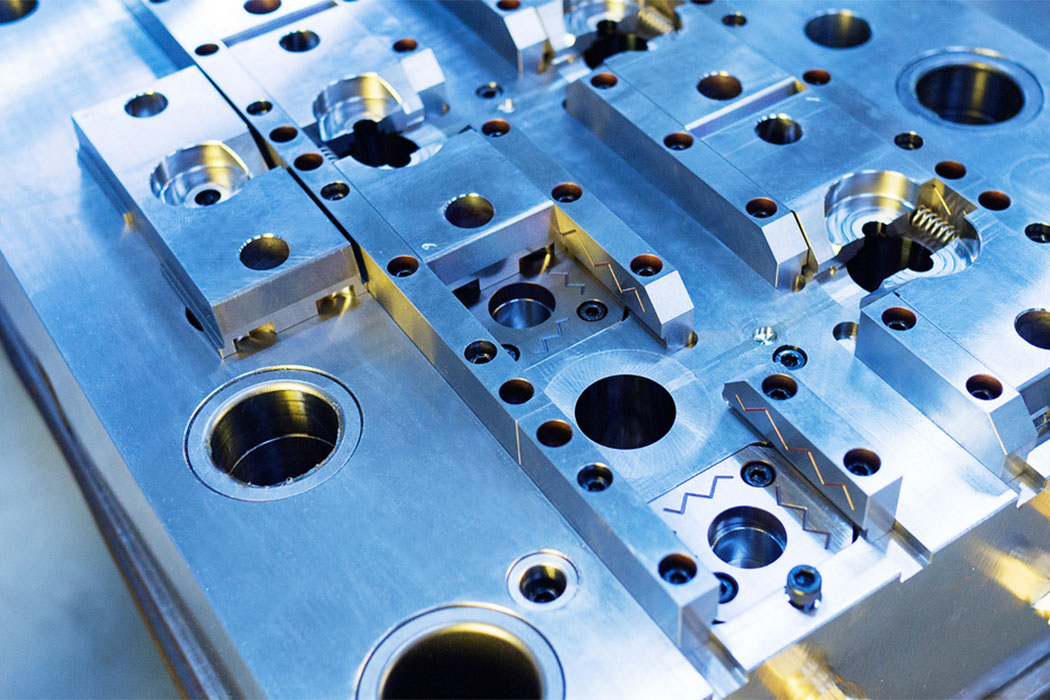
The mold is engineered around the selected resin, part geometry, cavity strategy, cooling, venting, ejection and expected production life. These decisions affect cycle stability, part consistency, maintenance requirements and cost throughout the program.
Initial molding trials confirm filling, packing, cooling and release behavior. T1 samples are checked against the approved drawing for dimensions, appearance and fit; approved processing parameters and inspection points then become the baseline for repeat orders.

Metal Part Production Processes

Controlled Production · Repeatable Quality · Scalable Supply
Consistent Part Quality

Approved molding parameters and in-process checks help maintain dimensions, appearance and functional performance across production batches.

Lower Cost at Volume

Cavity layout, cycle time, automation and material usage are reviewed together to improve output and control avoidable unit costs.

Repeat-Order Readiness

Approved samples, processing records and tooling history provide a defined starting point for future batches and engineering changes.

Assembly-Ready Delivery

Coordinate inserts, part marking, secondary operations, inspection and packaging around the requirements of the finished component.

What Controls Metal Part Quality

Metal part consistency depends on verified materials, controlled tooling, stable process parameters, defined inspection points, and traceable production records across every production run.
Material & Alloy Verification
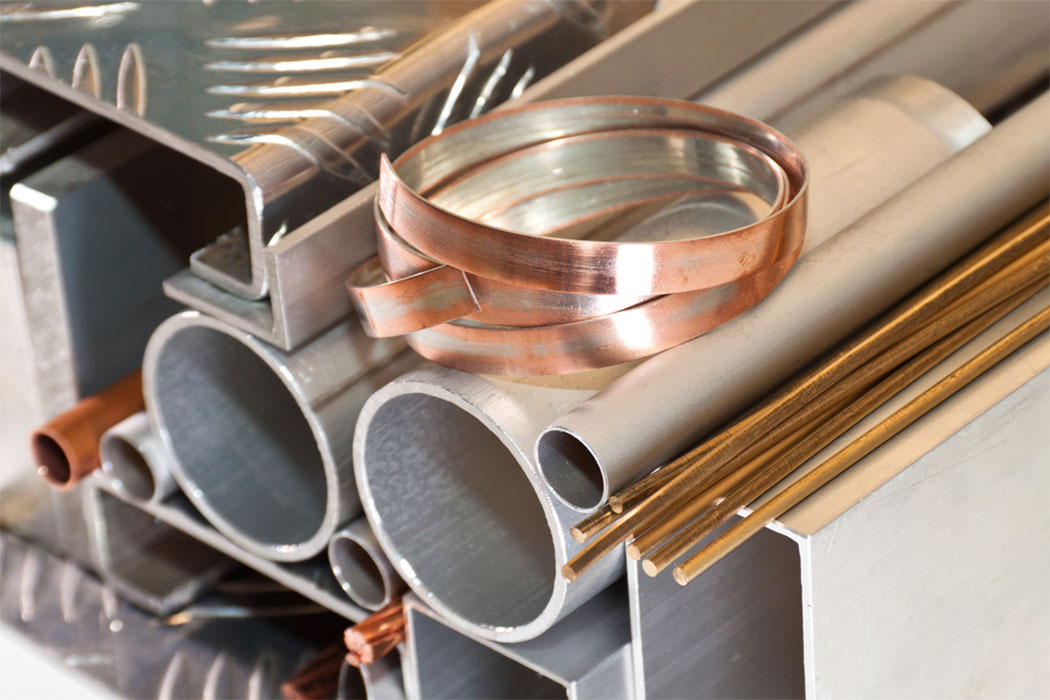
Confirm the specified alloy, temper, thickness, material certification, and approved source before production begins.
Tooling & Fixture Control
Verify dies, cutting tools, bending tools, fixtures, and locating points before each approved production run.
Process Parameter Control
Maintain approved cutting, forming, casting, press, and thermal parameters within defined production limits.
Critical Feature Inspection
Check agreed dimensions, hole positions, bend angles, wall thickness, and functional interfaces at defined production stages.
Surface & Finish Verification
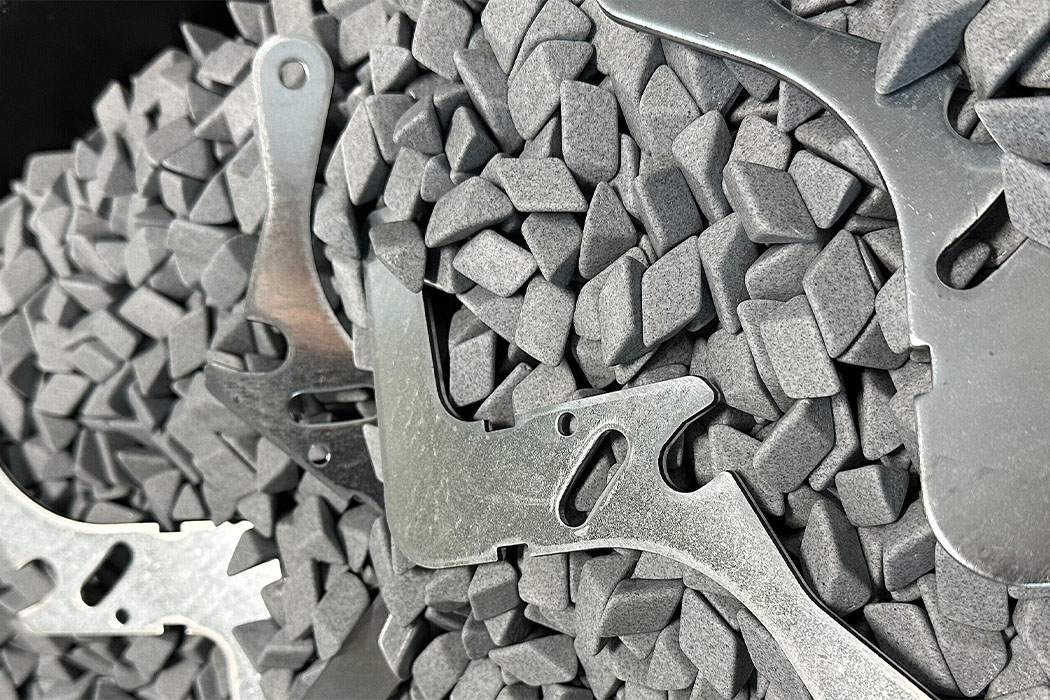
Verify burr condition, coating, plating, texture, color, and cosmetic surfaces against approved requirements.
Batch & Revision Traceability
Link material lots, drawing revisions, process records, and inspection results to the corresponding production order.

Metals for Performance and Manufacturability

Production molding supports commonly specified thermoplastics including ABS, PC, PC/ABS, PP, PA, POM, HDPE and TPE, subject to grade and process review. The right resin is selected around mechanical load, heat, chemicals, UV exposure, dimensional stability, appearance and cost.
Specify the manufacturer and grade when material equivalence is not acceptable. Color standard, glass or mineral fill, flame rating, UV stabilizer, recycled-content limit and other applicable requirements should also be identified before tooling approval and production release.

Ready to Start Your Metal Part Project?

Some molded parts need more than trimming before they can enter assembly. Depending on the design, post-molding work may include threaded inserts, heat staking, pad printing, laser marking, ultrasonic welding, painting, functional testing or subassembly.
Define these operations during quoting so fixtures, material compatibility, cosmetic zones and inspection criteria can be planned together. Packaging can then be matched to scratch-sensitive surfaces, part orientation, lot separation and the way components will be handled on your production line.

Ready to Scale Your Metal Part Production?

Send your 3D CAD file, drawing, Metal specification, required quantity and annual demand. Our team will review the project and prepare a production molding plan and quotation.