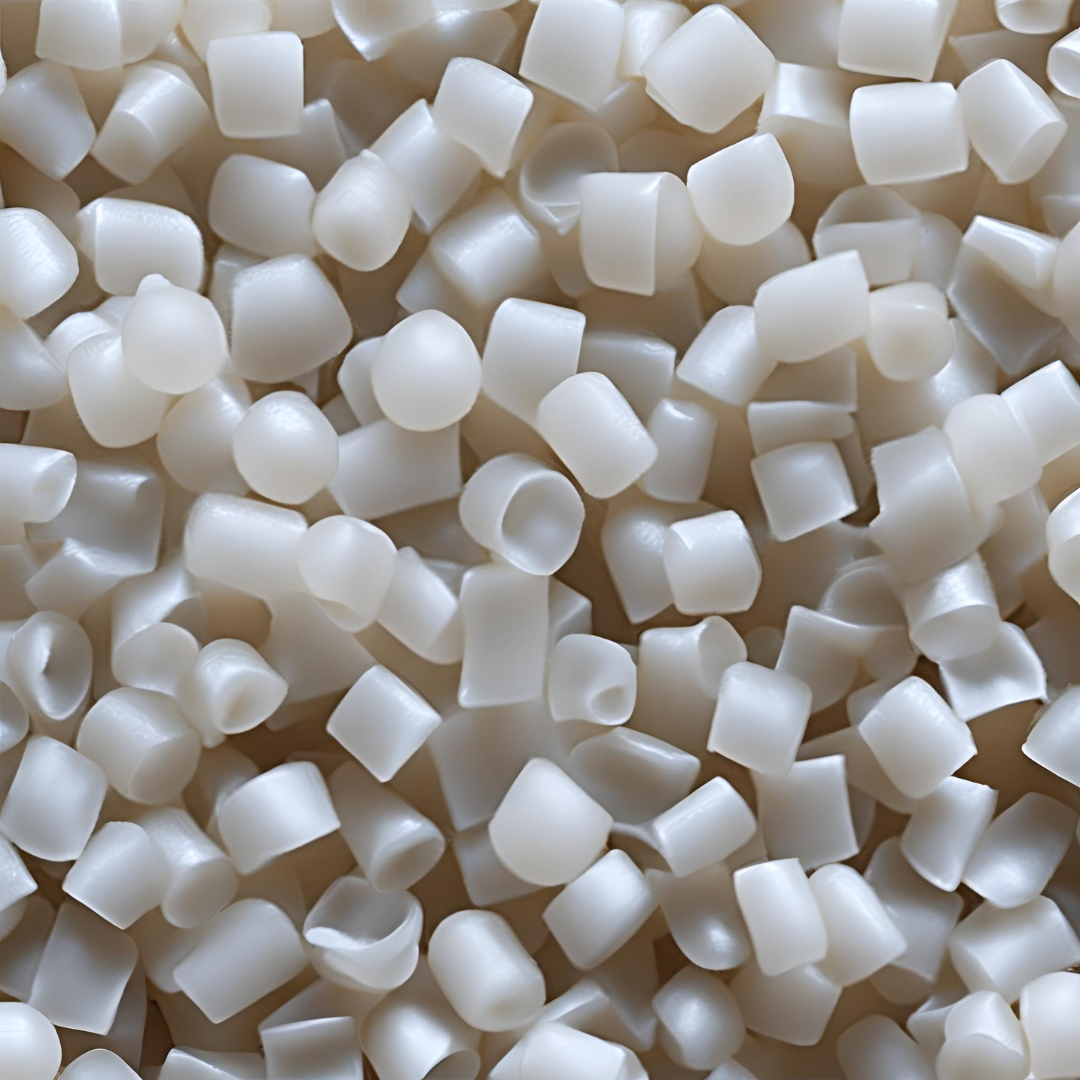
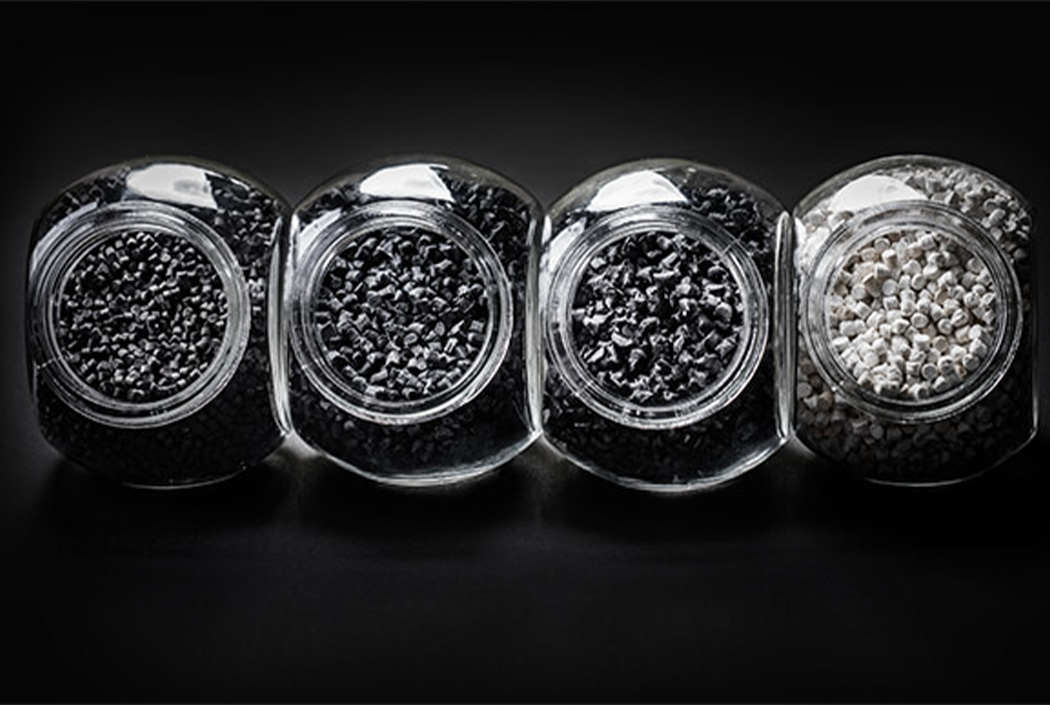
Plastic Injection Molding for Custom Thermoplastic Parts

Manufacture functional and cosmetic plastic components in engineering thermoplastics selected for strength, impact resistance, heat, chemicals, dimensional stability, and appearance.
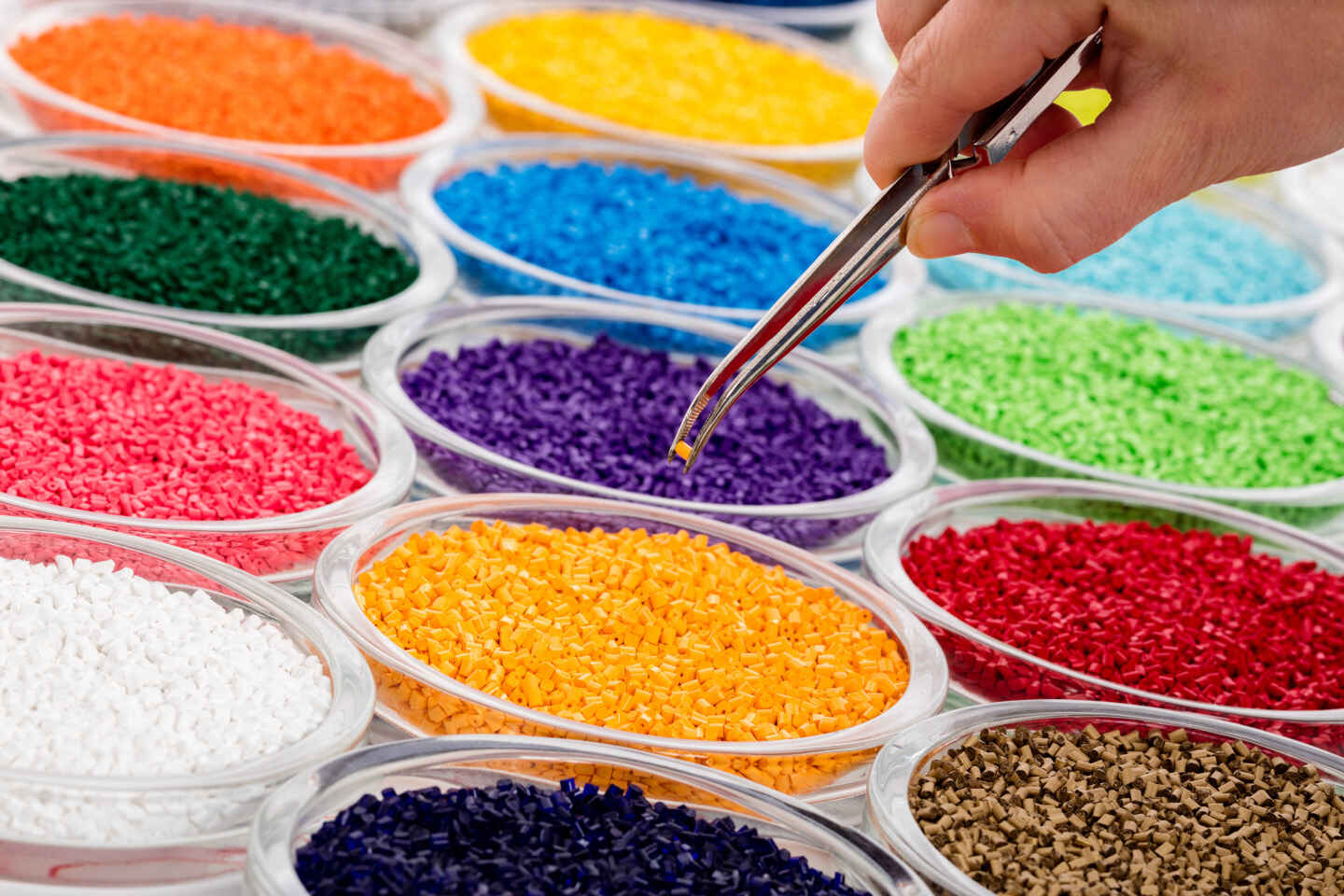
Plastic Performance Starts with Material Selection

Plastic injection molding offers a broad choice of thermoplastics for parts with different mechanical, thermal, chemical, dimensional, and cosmetic requirements. The right resin depends on how the finished component will actually be used—not simply on whether the material can be injection molded.

Nova Precision Manufacturing Co.,Ltd evaluates factors such as strength, impact resistance, operating temperature, chemical exposure, moisture, wear, transparency, surface appearance, and dimensional stability when reviewing material options. Resin behavior also affects shrinkage, wall thickness, flow, and final part dimensions, so material selection should be considered early in the part design.

Plastic Materials for Injection Molding

Choose from widely used thermoplastics for molded parts requiring different combinations of strength, impact resistance, wear performance, chemical resistance, heat resistance, dimensional stability, and appearance.
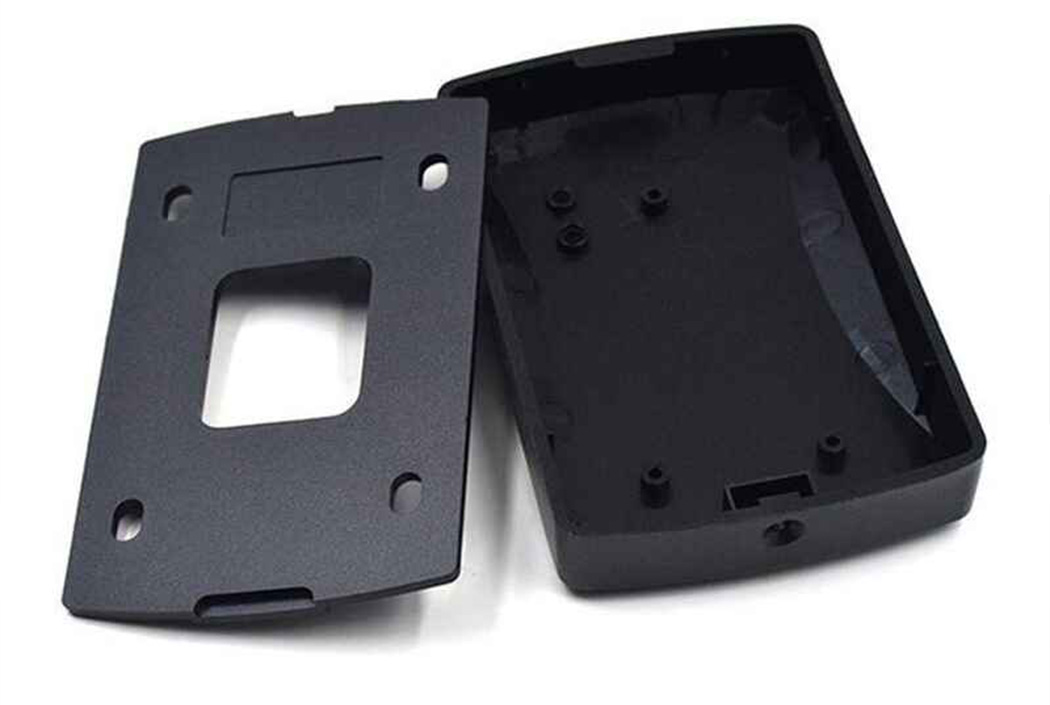
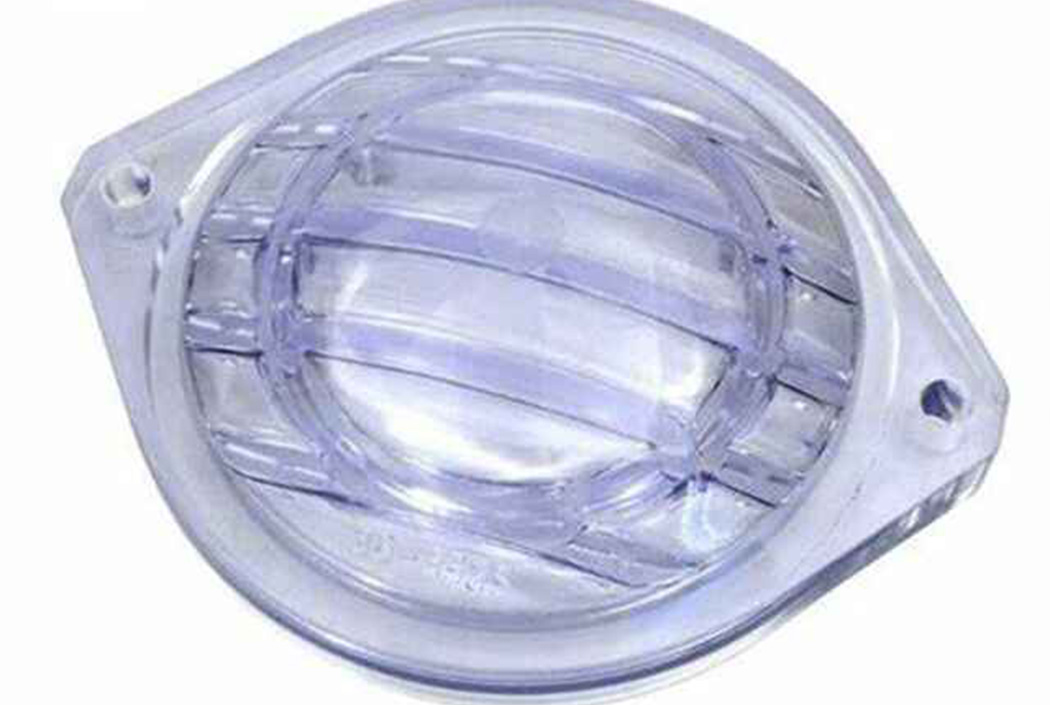
ABS

A versatile engineering plastic for housings, covers, enclosures, and consumer products where impact resistance, surface appearance, and general-purpose performance are important.

Polycarbonate (PC)

A tough thermoplastic suited to protective covers, transparent components, housings, and parts requiring high impact resistance, dimensional performance, or optical clarity.

Nylon (PA)

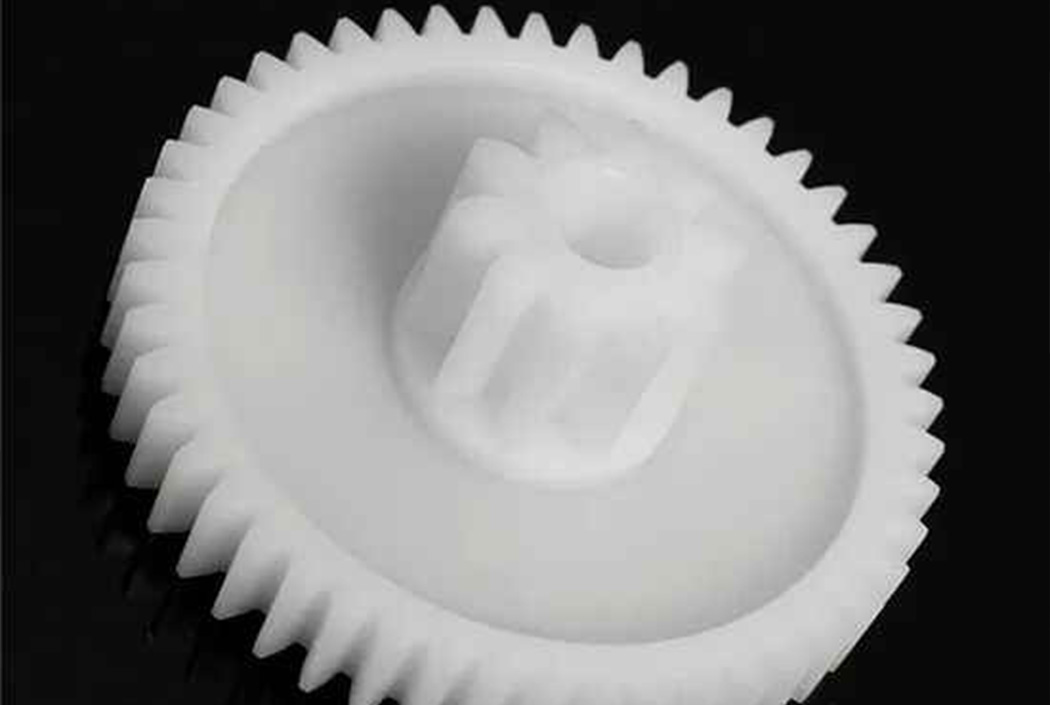
A strong, wear-resistant engineering plastic commonly selected for gears, clips, brackets, connectors, and mechanical components exposed to repeated loading or friction.

Acetal / POM

A stiff, low-friction material for precision mechanical parts where smooth movement, wear resistance, low friction, and dimensional consistency are important.

Polypropylene & Polyethylene

Lightweight plastics used for containers, covers, fluid-handling parts, living hinges, and molded components requiring moisture resistance, chemical resistance, or toughness.

High-Performance Thermoplastics

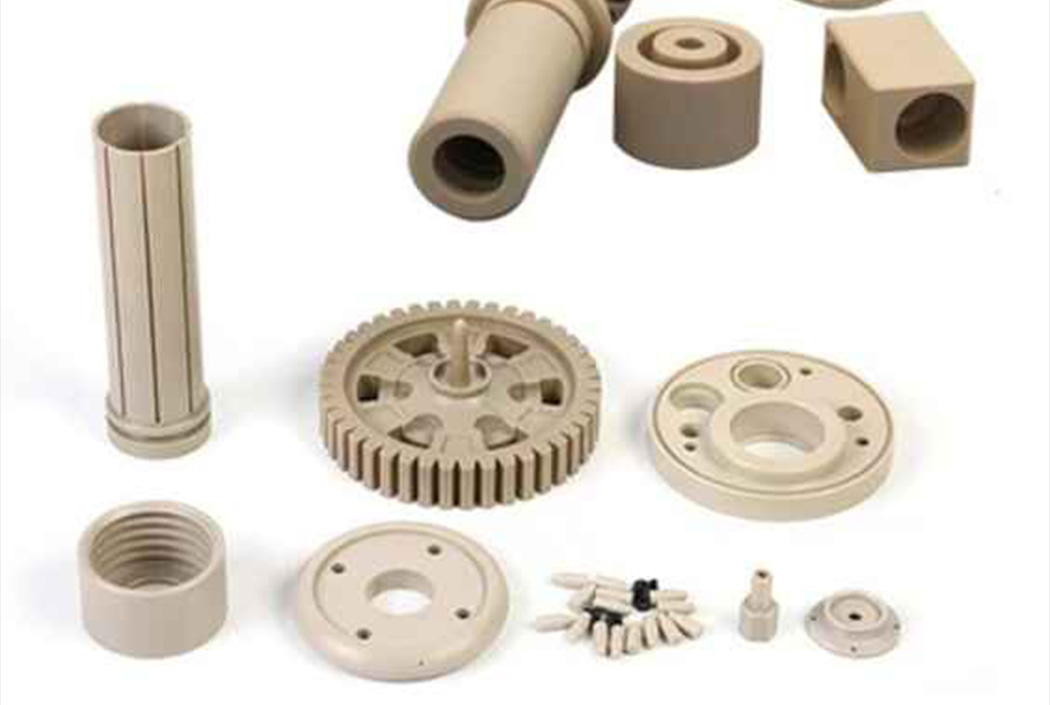
PEI, PPS, PEEK, and related engineering resins can be evaluated for applications requiring elevated temperature capability, chemical resistance, strength, or specialized performance.

Two Decisions Behind Plastic Material Selection

Selecting a plastic involves more than choosing a polymer family. The base resin defines the starting performance, while the specific grade, reinforcement, additives, and color can significantly change how the finished part behaves.
Both should be considered against the part’s real operating environment and performance requirements.

Base Resin & End-Use Performance

The base polymer determines the fundamental balance of strength, toughness, temperature capability, chemical resistance, wear behavior, moisture response, and appearance.
A housing, gear, transparent cover, fluid-handling component, or electrical part may therefore require very different material properties even when the parts can all be produced by plastic injection molding.

Important end-use requirements include:

  • Mechanical strength and stiffness
  • Impact and fatigue resistance
  • Operating temperature
  • Chemical and fluid exposure
  • Moisture and humidity
  • Wear and friction
  • Electrical requirements
  • Transparency and appearance

Reinforcements & Additives

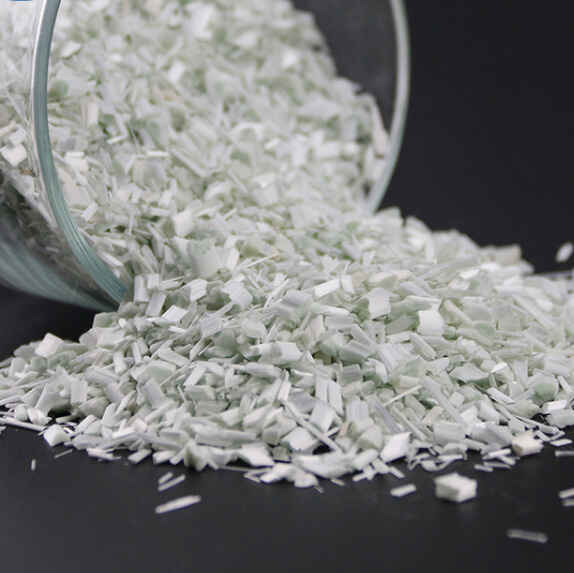
The same base resin can be modified to achieve very different properties. Glass fiber, mineral fillers, impact modifiers, flame-retardant packages, UV stabilizers, lubricants, and colorants can be incorporated into selected grades for specific applications.

Reinforcement can increase stiffness, strength, or dimensional performance, but it can also change flow, shrinkage, warpage, surface appearance, and the way the part should be designed.

Common modifications include:

Glass or mineral reinforcement
Increase stiffness or strength for structural applications.

Impact modification
Improve toughness where parts may experience drops, impacts, or repeated loading.

UV stabilization
Support applications exposed to sunlight or outdoor environments.

Flame-retardant grades
Used where project-specific flammability requirements apply.

Lubricated grades
Reduce friction or wear in selected moving components.

Colorants
Create molded color while maintaining compatibility with the selected resin.
Why the Exact Resin Grade Matters

Specifying only “ABS,” “PC,” or “Nylon” may not fully define a production material. Within the same polymer family, unfilled, reinforced, flame-retardant, UV-stabilized, impact-modified, lubricated, and color-specific grades can behave differently.

These differences can affect strength, shrinkage, moisture response, flow, dimensional stability, surface appearance, and long-term performance. For cosmetic parts, fillers and colorants can also influence visible texture and surface consistency.

When a specific commercial resin grade is required, it should be identified early so the part design, material behavior, appearance requirements, and production expectations can be evaluated around the same material specification.

PLASTIC PART DESIGN

Design Plastic Parts Around Material Behavior

Once the resin grade is selected, part geometry should reflect how that material flows, shrinks, absorbs moisture, responds to reinforcement, and performs in assembly. These factors can directly influence dimensions, appearance, and long-term part performance.

01 — WALL SECTIONS

Resin-Specific Wall Thickness

Design wall sections around the selected resin rather than applying one universal thickness. Different plastics have different flow behavior and practical thickness ranges.
02 — SHRINKAGE

Dimensional Allowance

Account for resin shrinkage when defining critical dimensions, fits, and mold geometry. Shrinkage behavior varies by polymer family, grade, reinforcement, and part geometry.
03 — MOISTURE

Moisture & Conditioning

Hygroscopic materials require special attention because absorbed moisture can change dimensions and mechanical behavior after molding.
04 — REINFORCEMENT

Fiber Orientation

Glass- or fiber-reinforced grades can improve stiffness and strength, but fiber direction can also create directional shrinkage and increase warpage risk.
05 — COSMETICS

Surface Response

Consider how the resin, fillers, colorants, wall geometry, and texture affect gloss, flow marks, sink visibility, color consistency, and other cosmetic characteristics.
06 — ASSEMBLY

Fit & Functional Features

Define snap fits, bosses, press fits, bearing surfaces, and mating dimensions around the resin’s stiffness, creep, shrinkage, moisture response, and expected service conditions.

Plastic Injection Molding FAQs

Practical answers about resin grades, material specifications, color requirements, and selecting plastics for production molded parts.