Before You Go, Let’s Talk About Your Parts
Tell us about your part, quantity, and key requirements. Nova Precision Manufacturing Co.,Ltd can help you choose suitable materials and manufacturing processes for your project.

Turn your designs into repeatable molded parts with custom injection mold tooling. We support DFM, mold manufacturing, T1 sample validation, and production molding for complex plastic components.
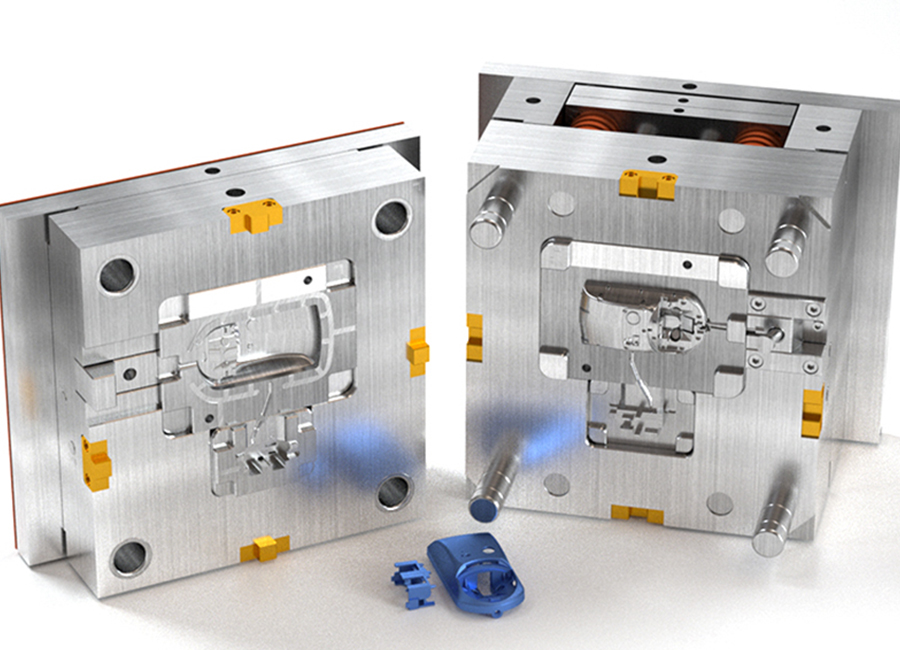
Injection molding is a repeatable manufacturing process in which molten material is injected into a precision-made mold, cooled into the required geometry, and ejected as a finished part. Because the same mold is used across repeated cycles, the process is well suited to custom plastic components that require consistent geometry, integrated features, controlled surfaces, and scalable production.
At Nova Precision Manufacturing Co.,Ltd, each project begins with the relationship between the part design and the mold. Wall thickness, draft, ribs, bosses, undercuts, gates, parting lines, cooling, ejection, material shrinkage, and cosmetic requirements are reviewed before tooling. This helps create a mold and molding process that support both part performance and reliable repeat manufacturing.
From mold tooling to finished molded parts, we support a range of injection molding capabilities for functional components, complex geometries, cosmetic surfaces, and repeat production.
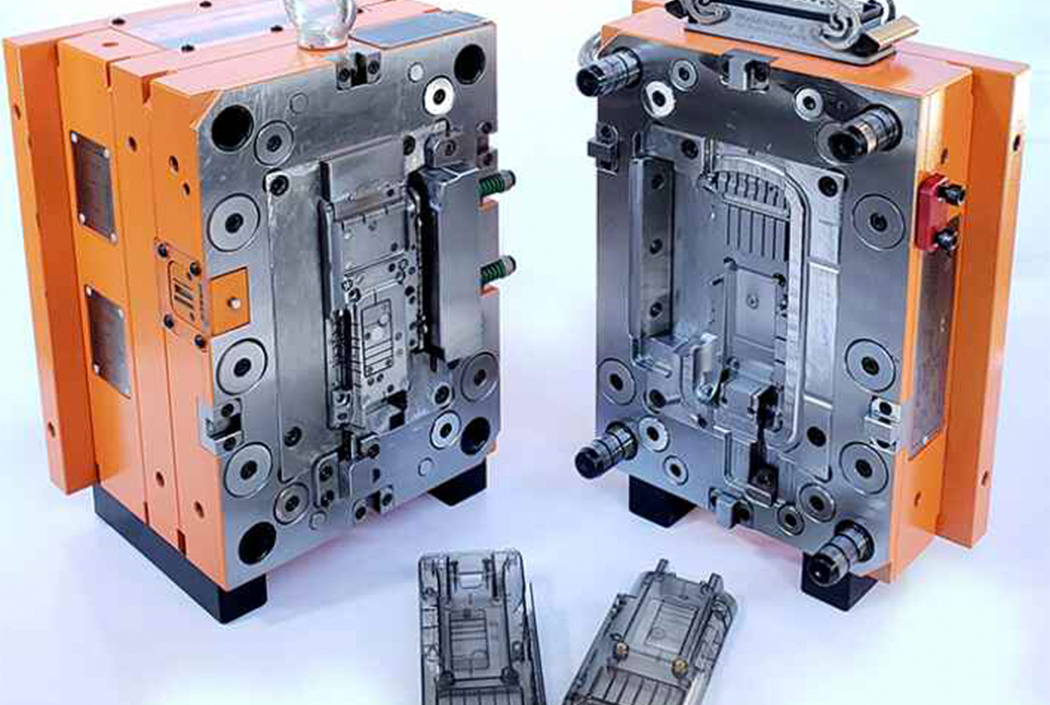
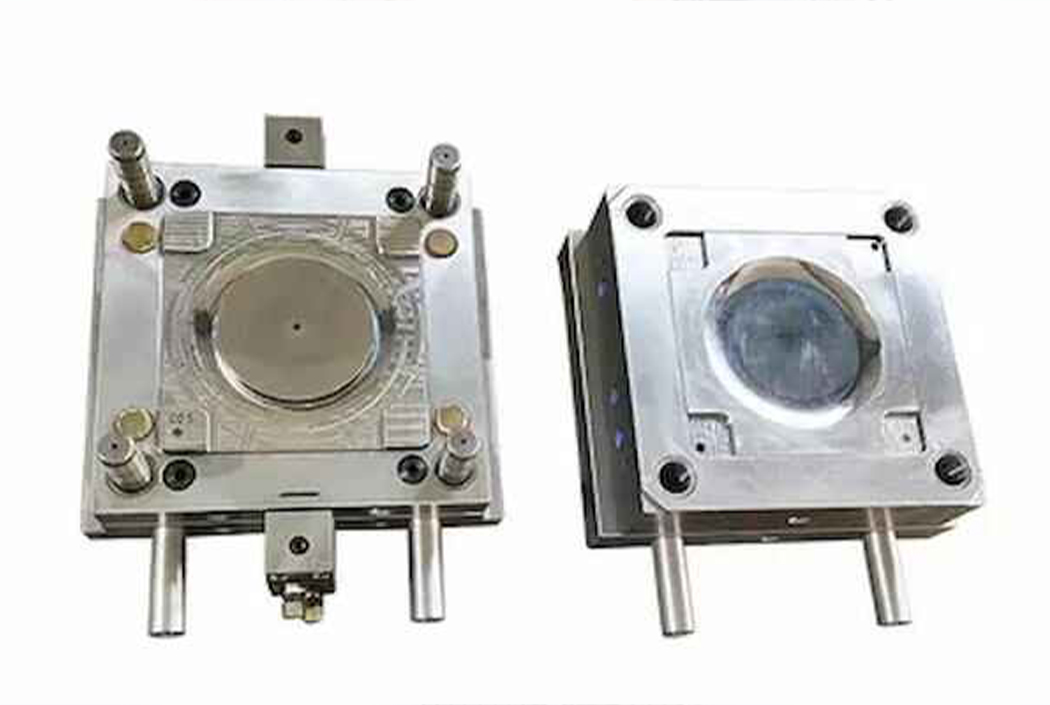
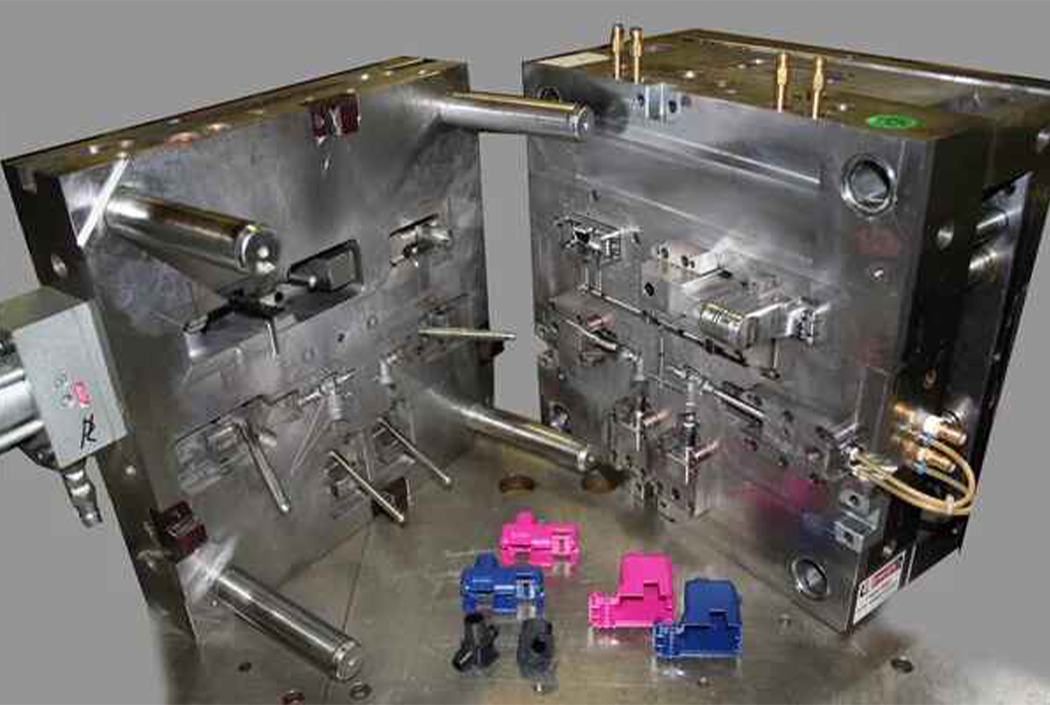
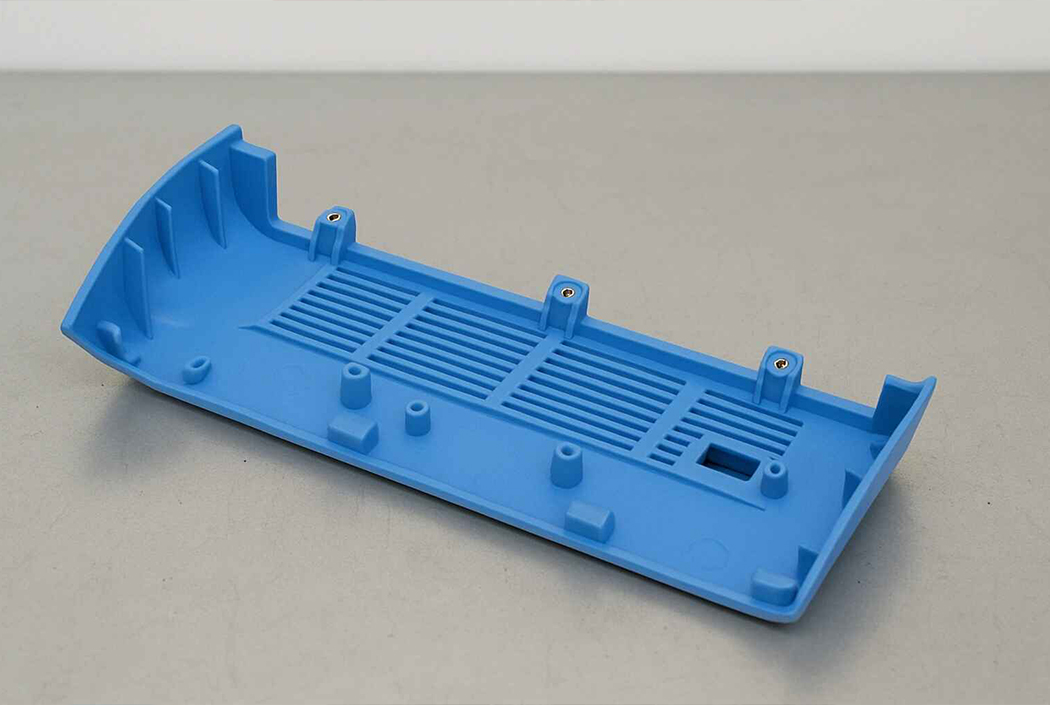
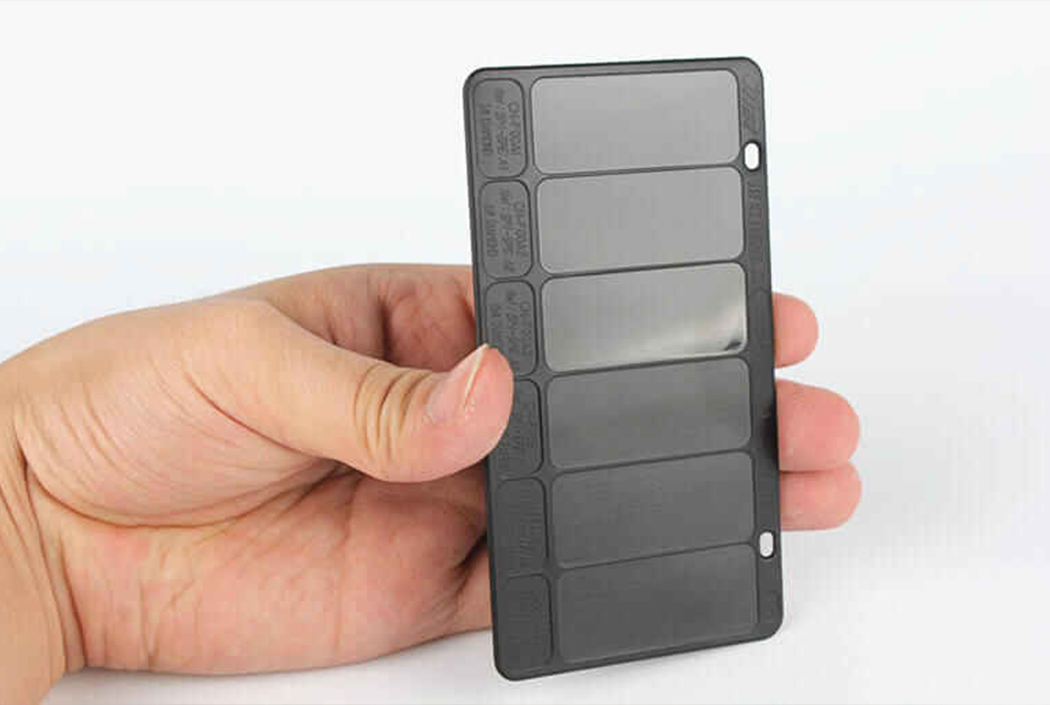
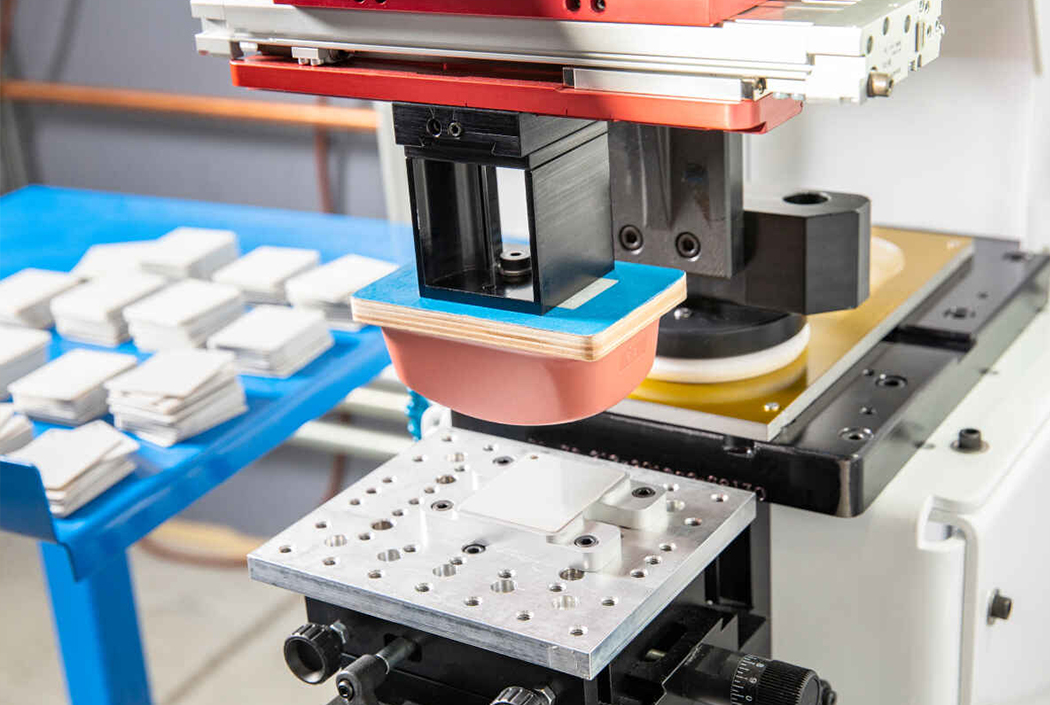
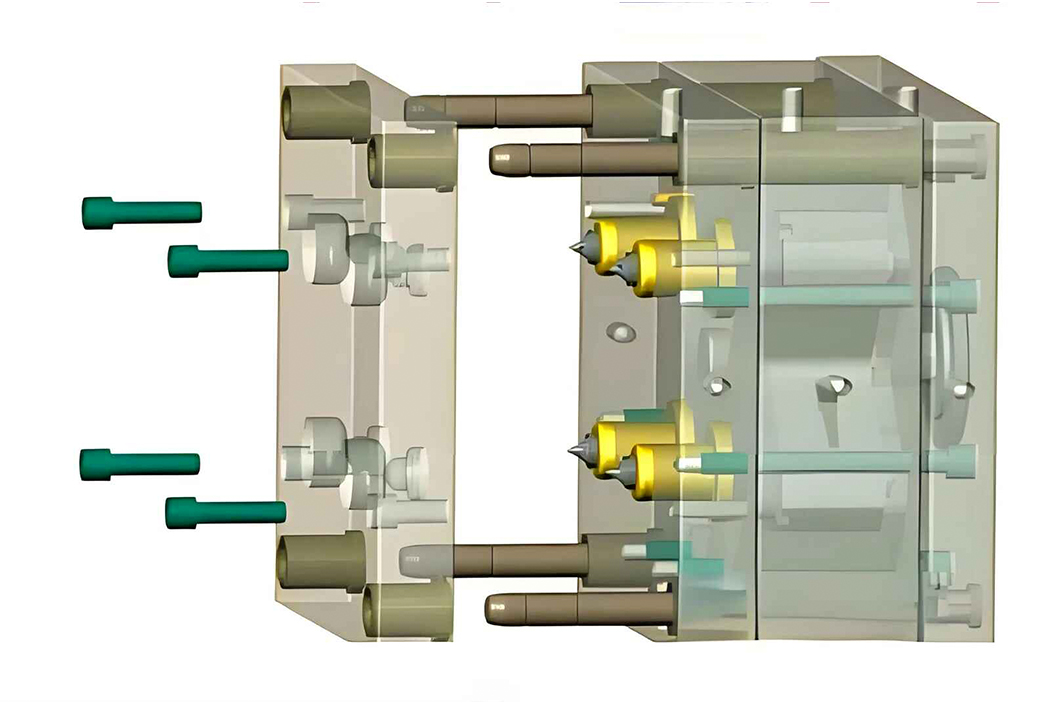
Key mold elements can include:
Injection molding converts plastic resin into a finished part through a repeatable sequence performed inside the mold.
The mold first closes under clamping force. Molten material is then injected through the runner and gate into the cavity, where pressure helps fill and pack the geometry.
After sufficient cooling, the mold opens and the finished part is ejected before the next cycle begins.
A typical molding cycle includes:
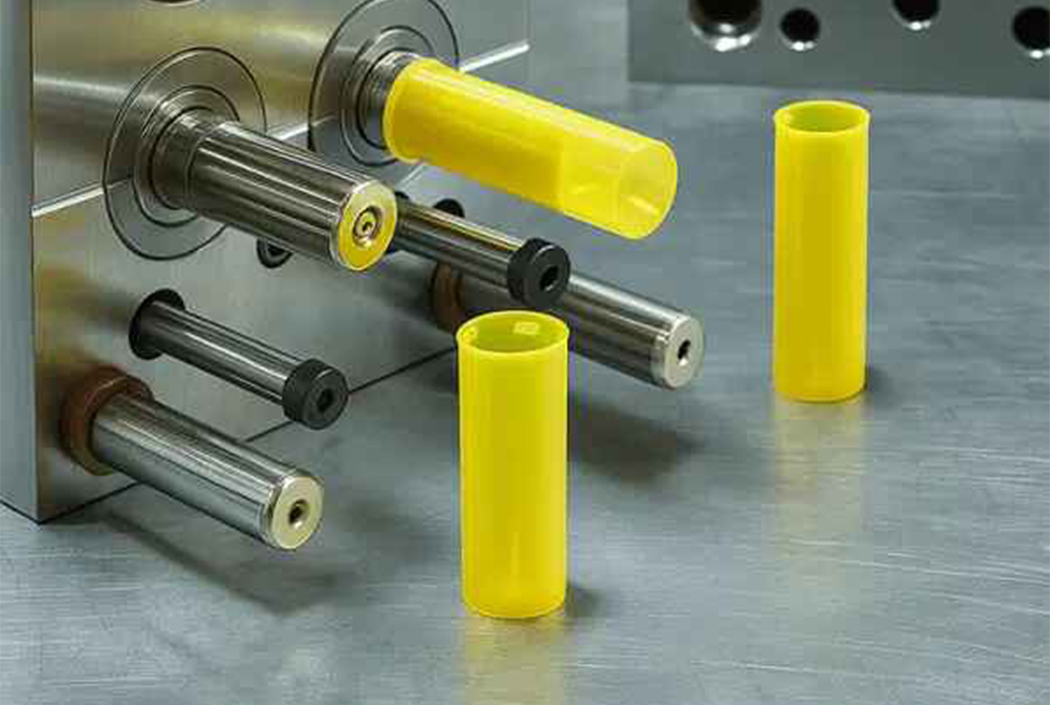
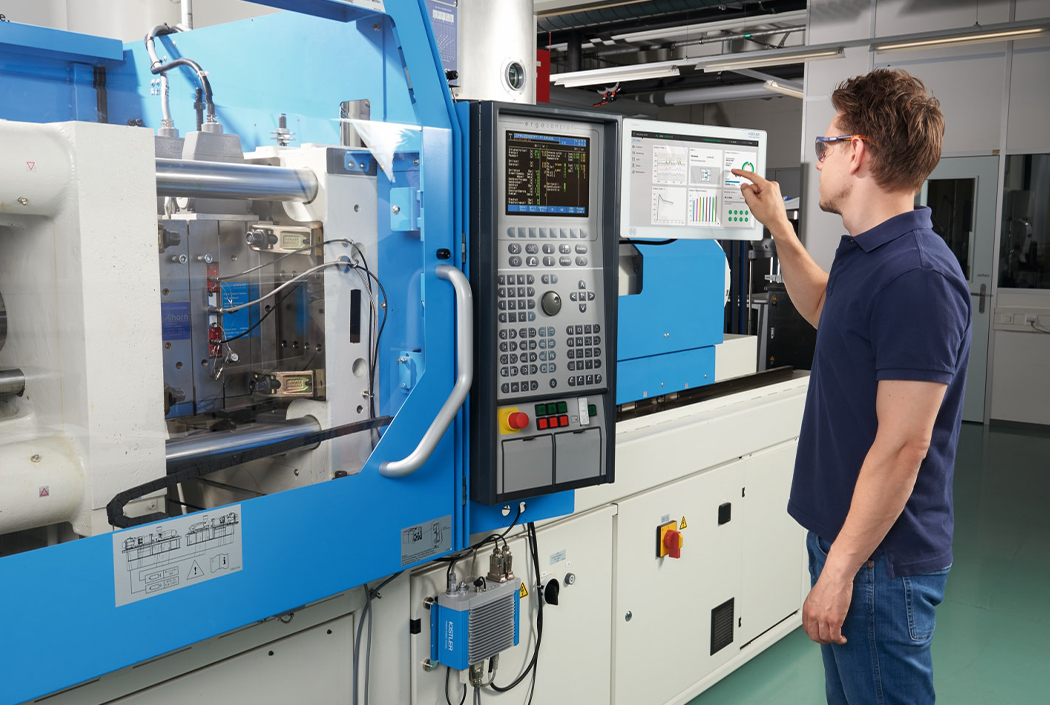
The mold establishes the part geometry, but the molding process determines how consistently that geometry can be reproduced.
Gate location influences how resin enters the cavity. Cooling affects shrinkage, warpage, and cycle behavior. Ejection strategy influences part release and visible witness marks, while pressure, temperature, and timing affect how the cavity fills and packs.
For this reason, mold design and molding conditions should be developed together rather than treated as separate decisions. Critical dimensions, appearance requirements, material behavior, and production quantities are reviewed before tooling and confirmed during sampling.
Consistent injection molding depends on controlling the variables that affect filling, shrinkage, cooling, dimensions, and appearance. Key requirements are defined around the part rather than relying on the mold alone.