Before You Go, Let’s Talk About Your Parts
Tell us about your part, quantity, and key requirements. Nova Precision Manufacturing Co.,Ltd can help you choose suitable materials and manufacturing processes for your project.

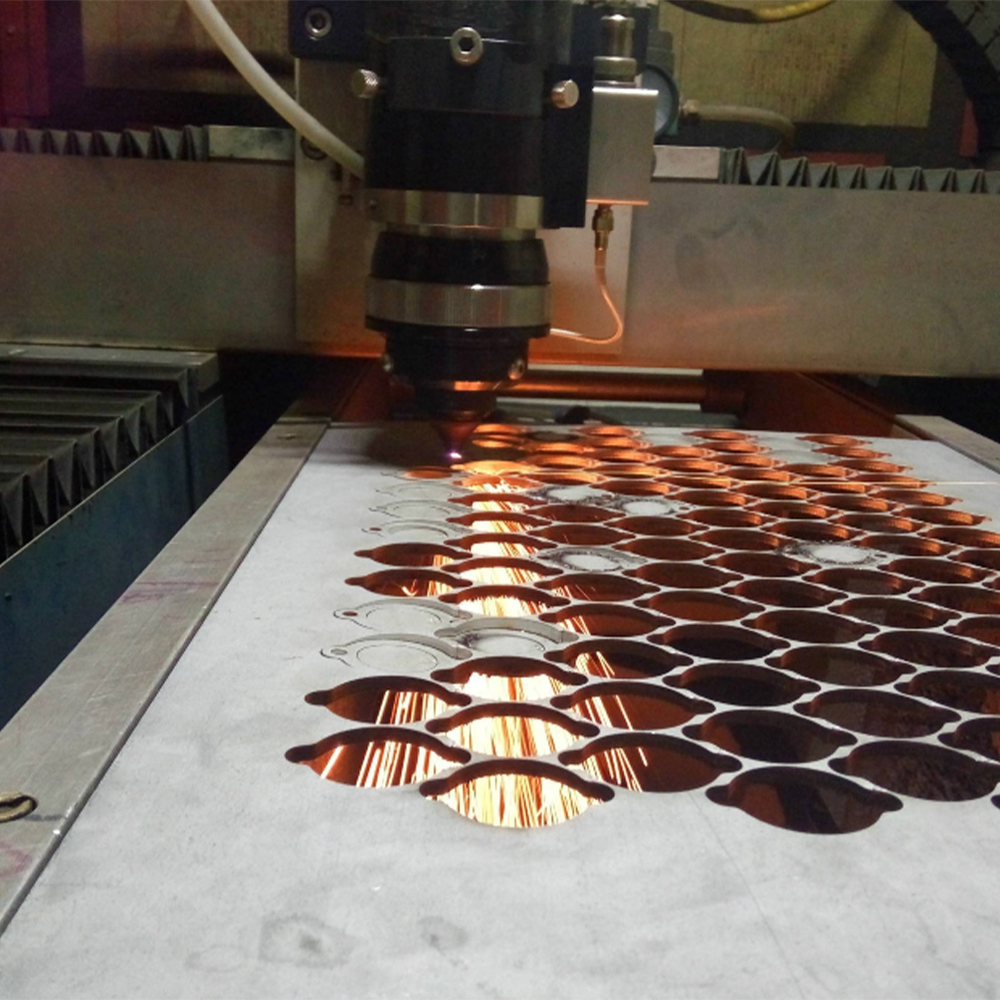
A practical comparison of laser cutting and CNC punching for sheet metal panels, covering formed features, thickness, edge condition, cost drivers, and the details buyers should specify in an RFQ.
Laser cutting and CNC punching both turn flat sheet into panel blanks with holes, slots, vents, and cutouts, but they remove material in different ways. A laser follows a programmed path with a focused beam. A CNC turret punch shears the sheet one hit at a time with a punch and die. For enclosure doors, control-cabinet covers, faceplates, and mounting panels, that difference affects unit price, edge condition, flatness, formed features, and the cost of a design change.
In short, laser cutting usually suits varied geometry, thicker or stainless material, and designs that are still changing. CNC punching usually suits thin-sheet panels with many repeated holes or formed features. This guide explains how to decide, what to put on the drawing, and when a different route is better. Both processes normally sit inside a wider sheet metal fabrication workflow that also includes bending, hardware, welding, and finishing.
Laser cutting works from a digital profile, typically a DXF or DWG file, and does not need a dedicated hard die. Each new geometry is a new program, which is why the process suits prototypes, design revisions, and mixed-part orders. Suppliers reviewing laser work look at kerf-sensitive dimensions, small features, heat concentration, distortion risk, and nesting, as described on Nova’s laser cutting service page.
CNC punching builds the part from a library of punch-and-die tools loaded in a turret. Round holes, slots, and rectangles are made with a single hit. Longer contours are made by nibbling, which means many small overlapping hits. A punch press can also form features during the same cycle, which a laser cannot do.
A turret punch press is not an outdated process. According to a Shop Metal Tech interview with Amada and Mate Precision Technologies representatives, turret presses have been a staple of North American fabrication since the 1950s, and the belief that they are obsolete leads some buyers and fabricators to poor decisions. Both companies sell machines or tooling, so treat their comparisons as informed industry perspectives rather than neutral measurements.
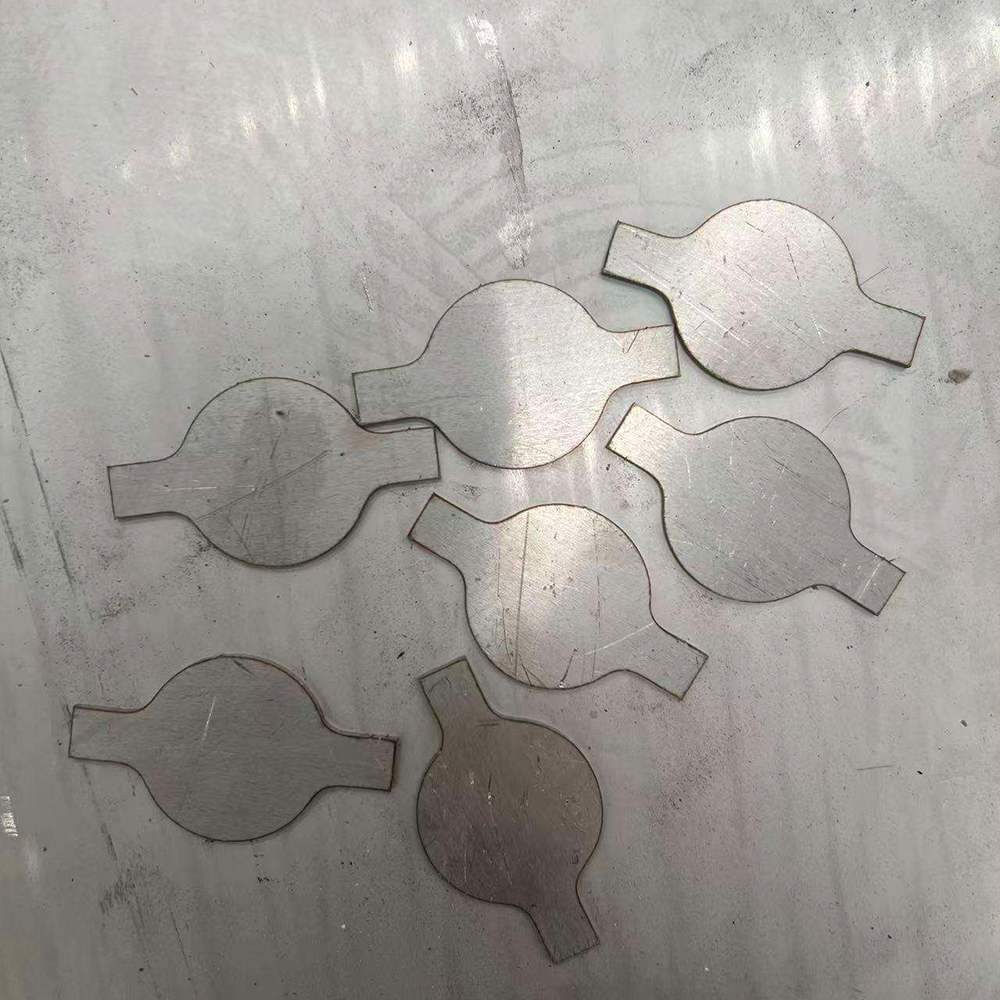
Neither process is better in general. The better choice depends on which features dominate the panel. Use CNC punching when the panel is thin, carries many repeated standard holes, or needs louvers, extrusions, embosses, or countersinks. Use laser cutting when the outline is complex, the hole sizes vary widely, the material is thicker or stainless, or the design may change.
The table below is a qualitative comparison based on the industry sources cited in this article and general fabrication practice. It does not contain measured machine specifications, so confirm capability with the specific supplier.
| Decision factor | Laser cutting | CNC punching | What to verify with the supplier |
|---|---|---|---|
| Tooling | No dedicated hard die; each part is a program | Uses a tool library; special shapes may need custom tooling | Whether your features match existing tools |
| Geometry freedom | High: complex contours, varied hole sizes, small radii | Strong for standard shapes; contours may rely on nibbling | Corner radii, large holes, and non-standard shapes |
| Repeated round holes | Slower per hole | Typically faster for dense, repeated patterns | Hole count, diameter consistency, and layout |
| Formed features | Not formed by the laser; needs secondary operations | Louvers, extrusions, embosses, countersinks, and knockouts possible | Which forms are on the supplier’s tool list |
| Thickness range | Wider range across materials | Limited by punching force and sheet handling | Maximum thickness for your material and hole size |
| Stainless and hard alloys | Commonly handled well | Higher tool wear and heat | Tool-wear impact on price and lead time |
| Edge condition | Striations, slight taper, dross, heat tint or oxide possible | Burr side and nibble marks possible, more visible as thickness increases | Edge acceptance criteria on the drawing |
| Flatness | Heat input and long cut paths can distort | Dense hit patterns can distort thin sheet | Flatness callout and inspection method |
| Material yield | Parts can be nested closely | Sheet border requirements can reduce yield | Nesting and utilization assumptions in the quote |
| Design changes | Low penalty | Low penalty if standard tools suffice; higher if new tools are needed | Cost and lead time of any new tooling |
If a panel needs louvers, extruded (tappable) holes, embosses, countersinks, or clip and locator forms, CNC punching can create them in the same press cycle. The Shop Metal Tech article notes that these forms can reduce secondary operations and even spot welding. A laser can cut the opening but not form it, so the same panel may need a separate countersinking, tapping, or hardware-insertion step.
For perforated or vented panels, hole shape matters. A Mate sales manager states in Mate Precision Technologies’ punch press versus laser guidance that a punch press can run about ten times faster than a laser on round-hole perforation. That figure is a vendor statement and depends on the machine, tooling, and pattern, but the Shop Metal Tech interview points the same way: high counts of identical round holes favor punching, while rectangular and square patterns narrow the gap because a laser can cut shared lines.
Punching force and sheet handling limit the thickness a turret can process, and thick sheet is heavy to move on the machine table. The Shop Metal Tech interviewees also point out that stainless steel is hard and abrasive, which increases wear on punch tooling and slows the process because of heat. A laser has no tooling to wear, so stainless and thicker plate usually point toward laser cutting.
Aluminum, copper, and brass can be laser-cut, but Nova’s laser cutting FAQ notes that feasibility depends on alloy, thickness, surface condition, reflectivity, geometry, and required edge quality. State the grade and thickness in the RFQ so the supplier can confirm the process, not assume it.
Laser-cut edges can show slight taper, vertical striations, and a lead-in or lead-out witness. Nova’s manufacturing standards note that small holes, thick plate, long cut paths, and heat-sensitive geometry need individual review. If a drawing needs a defined cut quality, EN ISO 9013:2017 classifies thermal cuts by perpendicularity or angularity and by surface roughness. Its scope covers laser cuts from 0.5 mm to 32 mm, and it applies only when the drawing or contract references it. That range describes the standard’s coverage, not what any supplier’s laser can cut.
Punched edges have their own signature. As material gets thicker, nibble marks become more visible and may add a deburring step. Equipment vendors disagree on edge quality. One Shop Metal Tech source recommends laser for demanding edges. The Mate representative argues that lasers leave slag and burrs that need downstream finishing, and that turret holes fit and finish better. Both can be true on different parts. The practical lesson is to define the acceptable burr, dross, oxide, and cosmetic condition for each face, because the process name alone does not guarantee an edge.
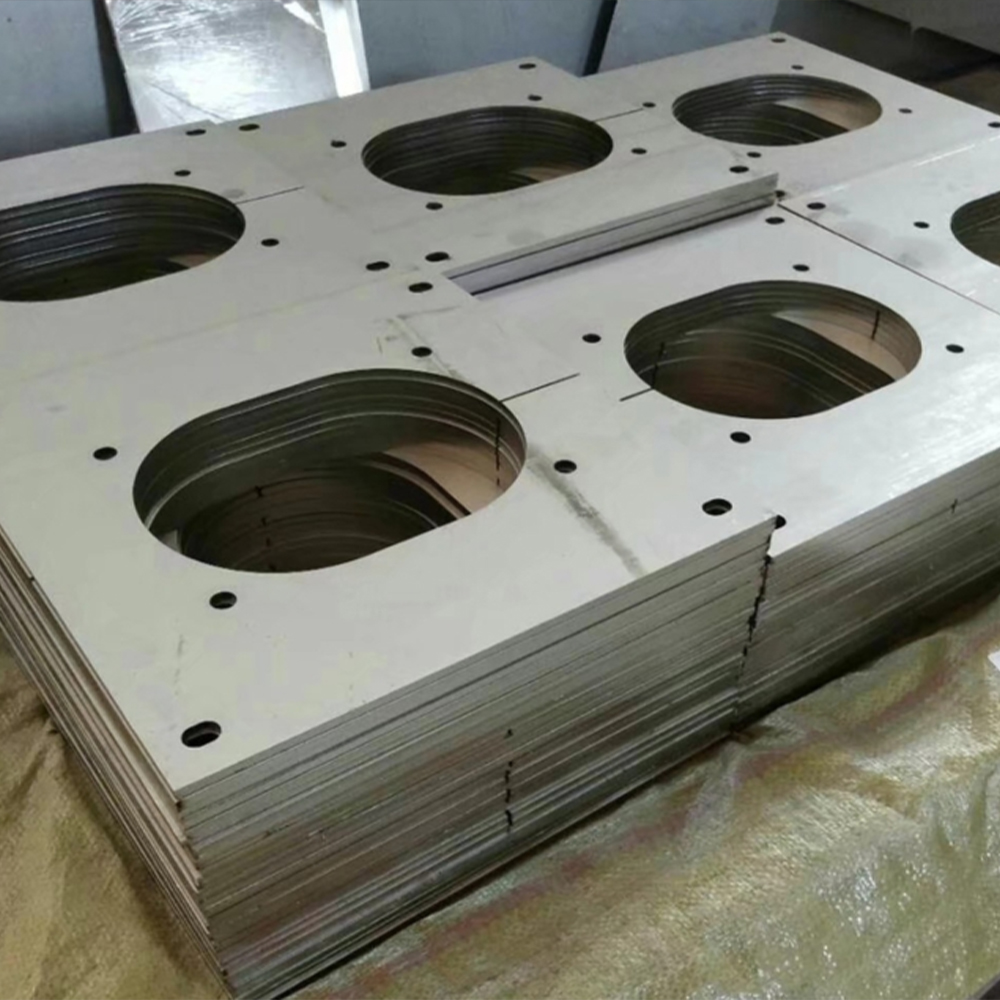
Both processes can move the sheet. A laser adds heat, so long cut paths, closely spaced cutouts, and slender sections raise distortion risk. A turret adds mechanical force, and a dense cluster of hits in thin sheet can also affect flatness, depending on hit sequence and sheet support. Panels that must sit flush against gaskets, mating covers, or cosmetic frames should have a flatness requirement and an agreed inspection method, rather than leaving it to the cutting process.
Each process has a different cost logic:
A quote therefore reflects your drawing as much as the machine. Standardizing hole diameters or reducing feature variety may lower the price on punched panels, while simplifying cut paths and nesting can help laser quotes.
The common assumption is that punching is cheaper and laser is only for prototypes. That holds for a specific type of panel: thin sheet, standard tools, many repeated features, and a stable design. It fails in several situations.
Consider two illustrative panels (hypothetical examples, not customer cases). Panel A is a thin galvanized cabinet door with several hundred identical round vent holes, a few louvers, and a drawing that will not change. CNC punching is likely the lower-cost route because the holes and forms are produced in one cycle with standard tools. Panel B is a thick stainless front panel with a custom logo, mixed slot sizes, and two expected revisions. Laser cutting is likely to win, because punching would require special tooling, nibbling, or both, and stainless adds tool wear.
A higher quantity does not automatically move a part to punching. If the contour is complex, the material is thick, or the edge must be clean, the punch process can add nibbling, deburring, or custom tooling that offsets its speed. The reverse also applies. A laser is not automatically more expensive per part if nesting reduces material consumption and avoids tool charges. Make the decision on a quoted comparison, not on a rule of thumb.
Early design choices have a large effect on both processes. The design guides at Nova emphasize functional tolerancing, simplified geometry, and checking feature spacing before release. For panels, apply that thinking as follows:
For stable designs with high recurring volume, a dedicated die can beat both. Nova’s sheet metal fabrication FAQ explains that fabrication uses flexible cutting, punching, bending, and joining with standard or configurable tooling. Metal stamping uses dedicated dies and is generally more economical for stable designs with high recurring volumes. Nova’s stamping page adds that laser-cut blanks, simple forming tools, or temporary tooling may be recommended for prototypes or designs that may still change, before a production die is built.
A useful test is to estimate the die investment against the expected annual quantity and the per-part saving, and to wait until the design has stopped changing. Buyers comparing routes across the whole range of metal part production processes should send both the first order quantity and the expected repeat demand. That is what separates flexible fabrication from tooled production.
A panel RFQ should let the supplier choose the process on evidence. Include:
Ask the supplier which process they plan to use for each feature group and why. If the answer cites tool library, thickness limits, edge criteria, or nesting yield, the quote is probably based on your part. If it only cites machine availability, ask for an alternative quote. Sending complete files with the RFQ lets engineering review geometry, feature spacing, and edge requirements before pricing.
It depends on the panel. CNC punching tends to cost less for thin sheet with many repeated standard holes or formed features. Laser cutting tends to cost less when contours vary, special tooling would be needed, or nesting reduces material. Request quotes for both when volume is meaningful.
Neither wins universally. Laser edges can show striations, taper, dross, and heat tint, while punched edges can show burrs and nibble marks. Define acceptable burr, dross, oxide, and cosmetic conditions on the drawing, and reference ISO 9013 for thermal cut classes when needed.
No. A laser cuts openings but does not form features such as louvers, extrusions, or embosses. These are usually made with punch tooling, or the panel needs secondary operations such as countersinking, tapping, or hardware insertion after cutting.
Yes. Punching force and sheet handling limit the thickness a turret can process, and the limit depends on the machine, material, and hole size. Confirm maximum thickness for your alloy with the supplier, particularly for stainless steel.
It can. Heat input, long cut paths, closely spaced cutouts, and slender sections increase distortion risk. Define flatness requirements, specify critical dimensions, and ask the supplier to review nesting and cutting sequence for flatness-critical panels.
Consider stamping when the design is stable and recurring volume is high enough that the saving per part pays back the die cost. Until then, laser-cut blanks or standard punching tooling are usually lower-risk.
