Before You Go, Let’s Talk About Your Parts
Tell us about your part, quantity, and key requirements. Nova Precision Manufacturing Co.,Ltd can help you choose suitable materials and manufacturing processes for your project.

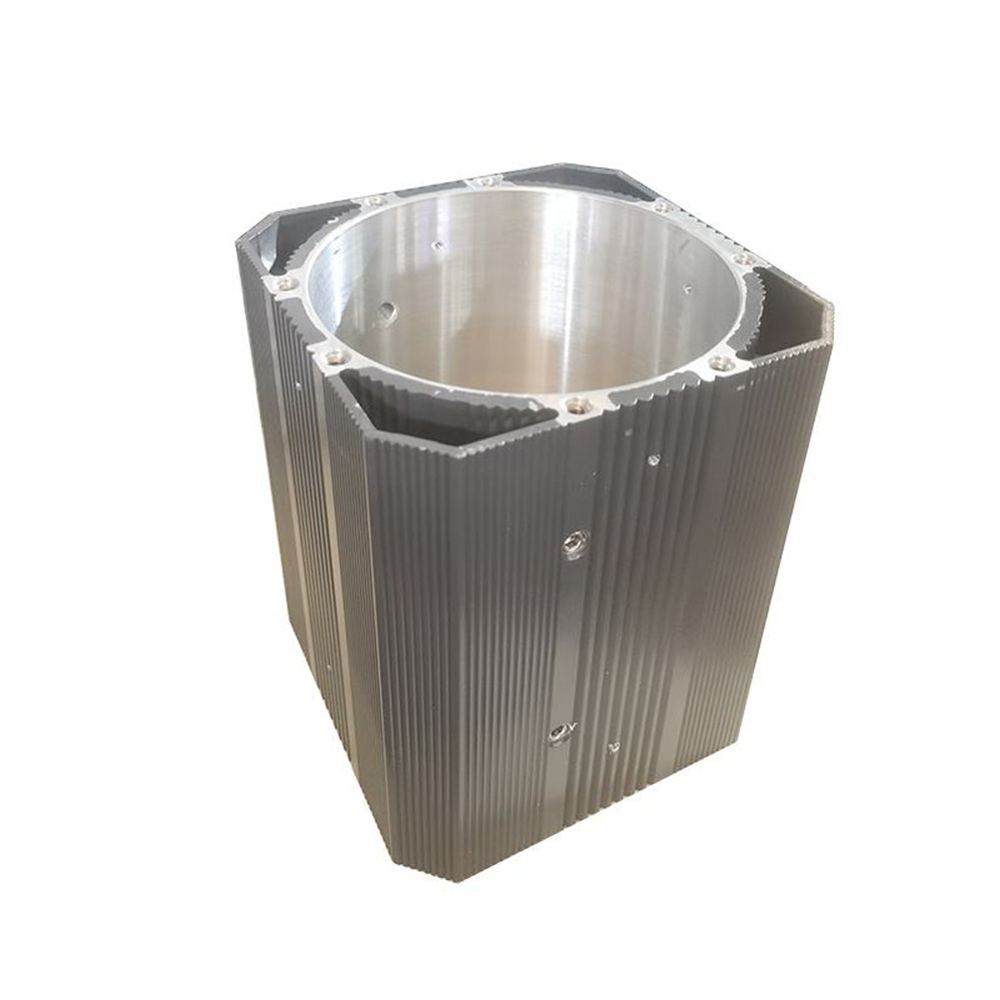
Learn when 5-axis CNC milling is worth the premium for aluminum housings, which features drive setups and tool reach, and how to prepare an RFQ that gets the right process quoted.
For an aluminum housing, 3-axis milling is usually the cheaper route when every critical feature can be reached from two opposite faces. 5-axis milling usually earns its premium when features on several faces, compound angles, or deep cavities would otherwise force repeated re-clamping. The machine’s hourly rate does not settle the question. What matters is the cost of each accepted part: cycle time, fixtures, programming, inspection, scrap, and finishing taken together. This guide shows procurement managers and design engineers which housing features push a job toward 5-axis, where 3-axis with good workholding still wins, and what to put in an RFQ so suppliers quote the right process.
A 3-axis machine moves the cutter along X, Y, and Z, so the tool always approaches the part from one fixed direction. A 3+2 machine (also called positional or indexed 5-axis) uses two rotary axes to orient the part or tool, locks them, and then cuts with three axes. A simultaneous 5-axis machine moves all five axes during the cut, so tool orientation changes continuously.
The distinction matters because many “5-axis” quotes are really 3+2 jobs. Methods Machine’s comparison of 3+2 and simultaneous 5-axis machining describes the main return on 3+2 as setup consolidation rather than extreme geometric capability. That fits most housings, which are prismatic bodies with discrete angled features rather than continuously sculpted surfaces. Simultaneous motion earns its cost when a surface must be cut with a continuously changing tool angle, such as a blended ergonomic shell or a sculpted heat-sink profile.
Buyers sourcing from a shop that offers 3-axis, 4-axis, and 5-axis CNC milling can therefore ask for a specific strategy instead of a general capability: 3-axis with fixtures, 3+2, or fully simultaneous.
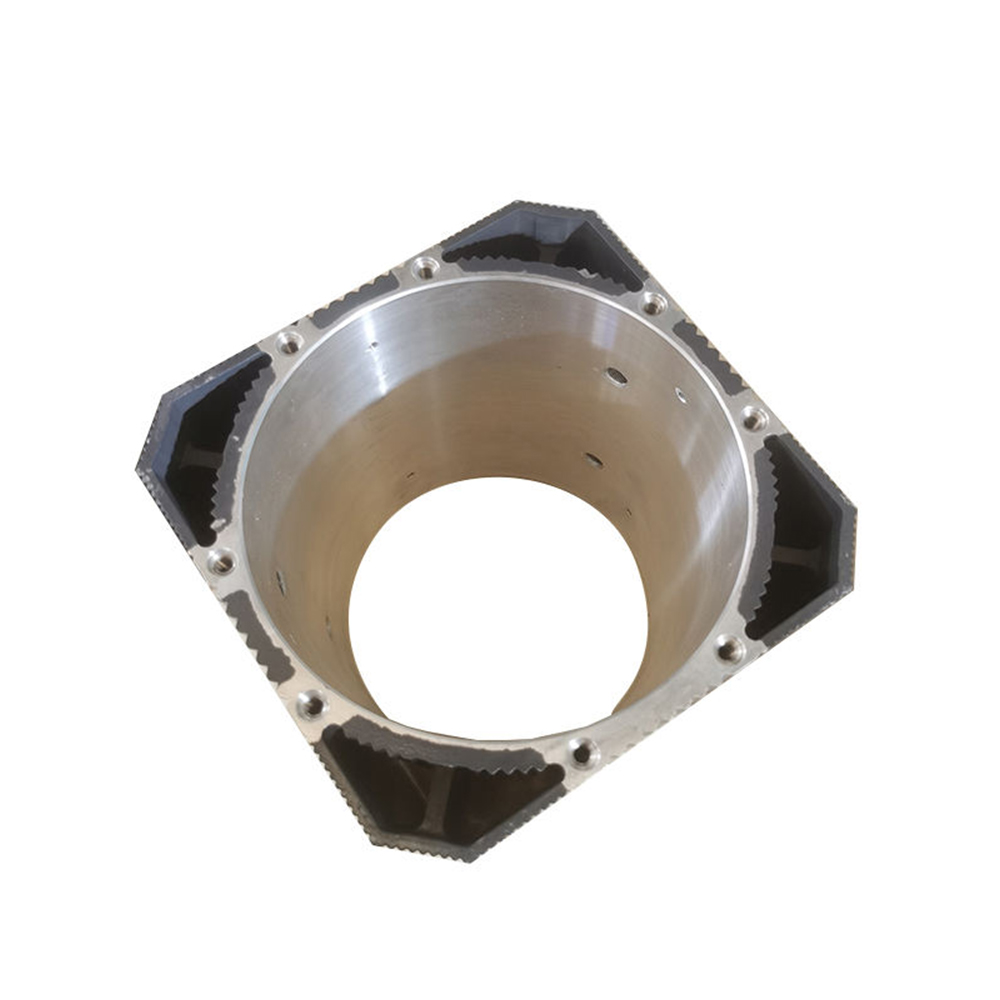
Supplier guides often state that 5-axis machine time costs more per hour than 3-axis, and that is generally true because of machine investment, programming effort, and operator skill. The premium varies by shop and region, so a single published percentage is not a reliable planning input. The more useful comparison is cost per accepted part:
A conventional assumption deserves qualification here: more axes do not automatically mean a lower price. JS-MODEL, a CNC supplier, published an anonymized 30-part robotics component case in which 3+2 machining ran about 8 hours per part against a 5-hour programming estimate, while a previous supplier’s fixture-based 3-axis process was reported at a lower price. The company attributes this to localized features reachable from fixed orientations and fixture cost spread across the batch. It is one supplier-reported project, not a market statistic, and the geometry was not a housing. It does illustrate the mechanism: as quantity rises, dedicated fixtures amortize, and programming-stage cycle-time estimates need validating on the machine.
The reverse also holds. For a prototype run of a few pieces, a dedicated fixture rarely pays back, so a single 3+2 clamping often wins. Quantity, tolerance structure, and geometry interact; no universal break-even exists.
The table below is a qualitative screening guide, not a pricing model. It maps common housing features to the strategies that typically handle them.
| Housing feature | 3-axis | 3+2 | Simultaneous 5-axis | What to verify with the supplier |
|---|---|---|---|---|
| Open cavity, flat faces, holes on two opposite faces | Well suited, usually two setups | Not usually needed | Not needed | Cavity depth versus the smallest cutter needed |
| Connector or port bores on adjacent side walls | Extra setups, a fixture, or a 4th axis | Often one clamping | Not needed | Bore position tolerance relative to the sealing face |
| Angled bosses, sloped faces, tilted ports | Angle fixtures or sine plates | Well suited | Rarely needed | Angle tolerance and whether holes break out cleanly |
| Deep, narrow pockets and ribs near walls | Long tools, chatter risk | Tilting can allow a shorter tool | Helps on contoured walls | Tool length-to-diameter ratio and holder clearance |
| Undercuts such as seal grooves or internal lips | Special cutters if reachable | Possible within limits | Possible within limits | Access with the real holder and spindle head |
| Continuously curved cosmetic surfaces | Stepped surface, visible scallops | Limited | Best suited | Finish requirement and blend tolerance |
| Thin walls or a flatness-critical lid face | Distortion risk from clamping | Fewer clamps, same cutting forces | Same | Stability strategy and inspection condition |
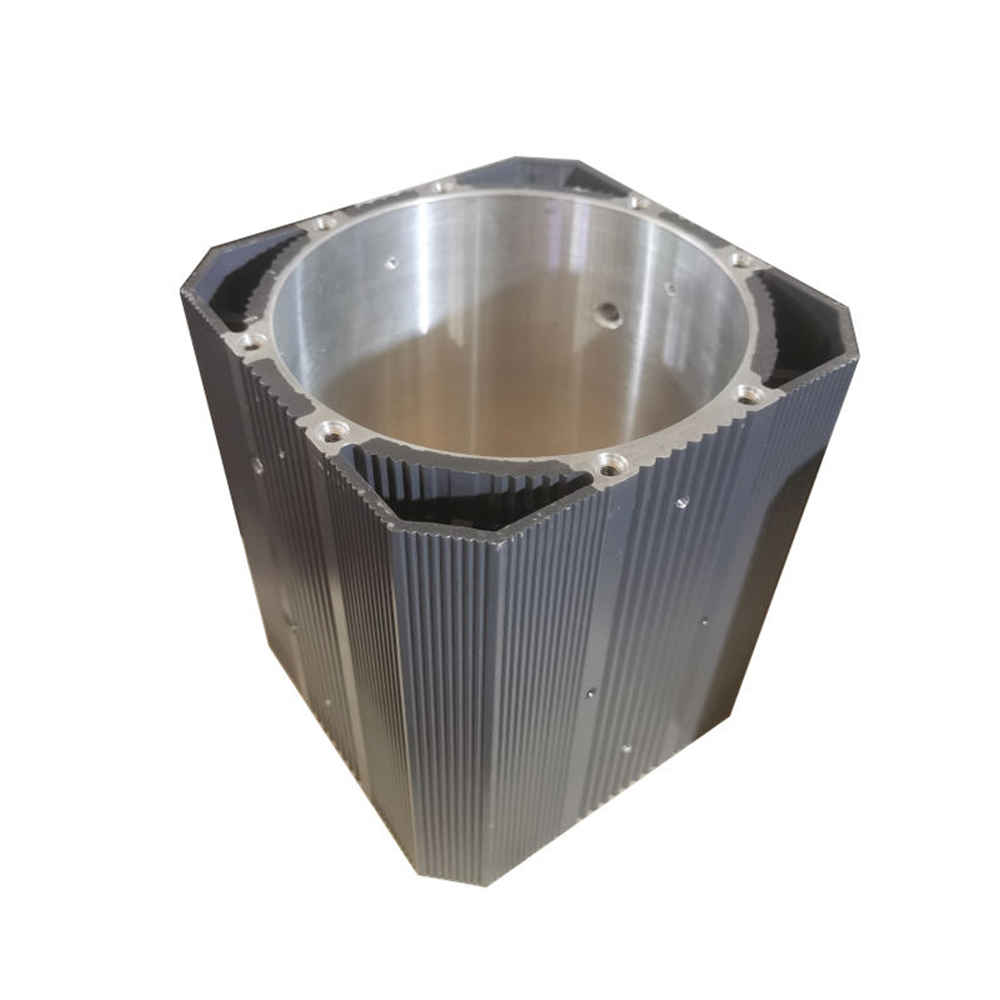
Housings usually combine a sealing face, mounting holes, and bores that must align with each other. Every time the part is flipped, the machine re-establishes its datum, and small errors add up between features cut in different setups. Machining several faces in one clamping keeps those features tied to a single reference.
That benefit only matters if the drawing demands a tight relationship between those faces. If the bore-to-face tolerance is loose, extra 3-axis setups may carry no quality penalty. Flag the true critical relationships with GD&T datums, and leave non-critical dimensions on general tolerances.
A cutter that must reach into a deep cavity cannot be both long and stiff. The Haas mill chatter troubleshooting guide advises using the shortest tool and holder possible, and states that a 10% reduction in length-to-diameter ratio raises tool stiffness by 25%. It adds that when an extended tool is unavoidable, such as for a deep pocket, cutting load must be reduced through depth of cut, width of cut, speed, or feed. A NIST paper on tool length-dependent stability surfaces similarly models how tool overhang length changes the allowable chatter-free chip width.
Here 5-axis can help: tilting the part or tool can bring a shorter cutter closer to a deep wall. But the benefit depends on collision clearance. For deep features, review how pocket depth affects milling cost before assuming a tilt solves the problem. A common screening heuristic in that guide treats pocket depths beyond roughly three to four times cutter diameter as the point to start reviewing stick-out and chip evacuation. It is a warning threshold, not a machine specification.
A tilting spindle gives CAM more ways to expose hidden surfaces, but extra axes do not create unlimited access. The holder, fixture, spindle head, and rotary-axis limits all still occupy space. The guide to tool access and clearance for CNC undercuts recommends checking accessibility with the actual machine, tool, holder, fixture, and stock when an undercut sits close to a wall. For a simple groove that a standard slot or keyseat cutter can reach, 3-axis remains the economical choice.
Fewer clamps can reduce clamping-induced distortion on a thin-walled housing, but 5-axis does not remove the underlying causes: cutting force, residual stress released as material is removed, and chatter. Wall height, alloy, temper, and stock form all matter. Before assuming an axis upgrade will fix distortion, review how to specify thin-wall CNC parts and ask the supplier how the part will be supported through finishing passes.
A rotating round cutter leaves a radius in every internal corner, on any number of axes. A tiny radius forces a small cutter, and a small cutter forces slower, less stiff machining. One screening heuristic is to design the radius at roughly 1.3 times the cutter radius or larger. The rule is explained in internal corner radius design rules that lower cost. Opening up radii often saves more than changing machines.
Aluminum helps the 3-axis case. Common machining alloys such as 6061 and 7075 are generally easy to cut compared with stainless steel or titanium, so cycle times are often short and the cost of extra setups is dominated by handling and fixturing rather than cutting. Alloy and temper still matter: “aluminum” alone is not a complete specification, and stock form and grain direction can affect thin or heavily machined parts.
Before accepting a 5-axis quote, ask whether a small design change can keep the housing on 3-axis without hurting function:
None of these changes is free. Moving a port may affect cable routing or sealing, and a design that suits the supplier but not the product is a poor trade. The point is to make the trade-off visible.
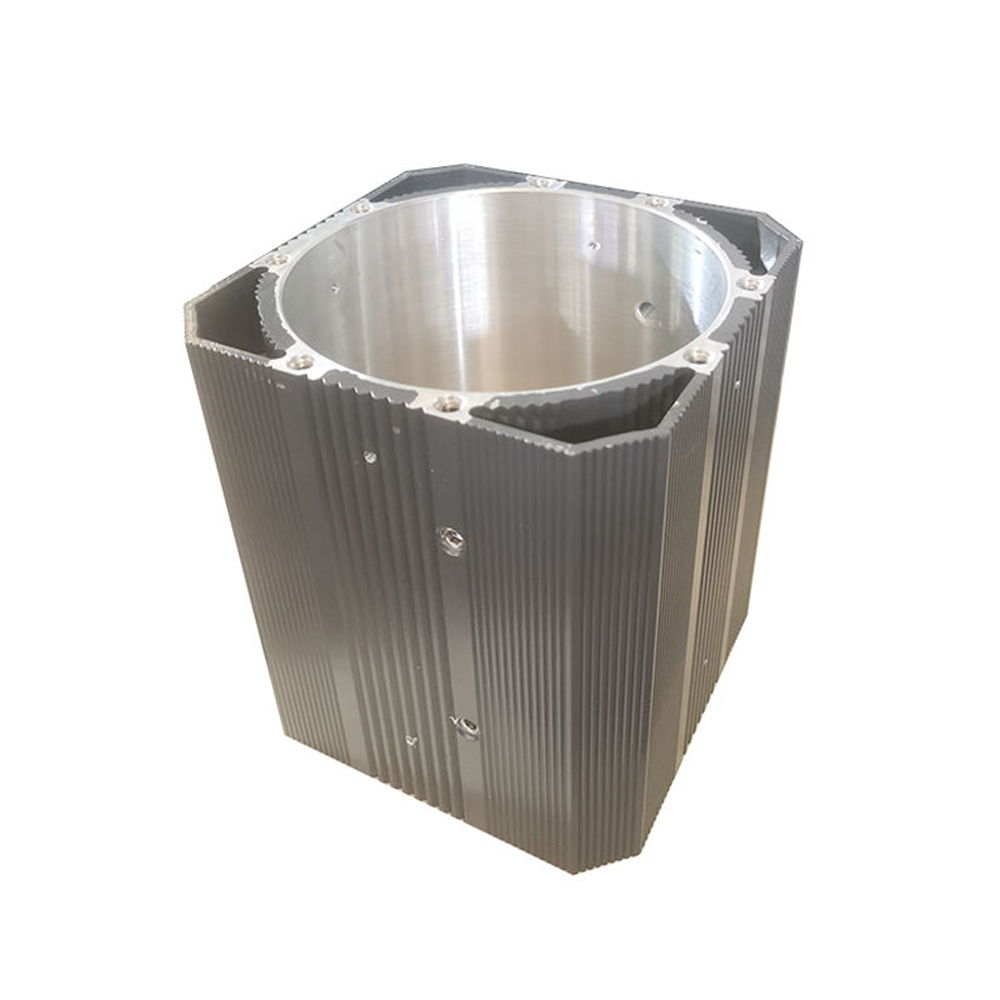
An RFQ that only states “aluminum housing, 5-axis” invites guesswork. Provide the information that lets a supplier choose the process.
| RFQ item | Why it affects the process choice |
|---|---|
| 3D CAD (STEP) and a 2D drawing | Shows which faces carry features and which dimensions are critical |
| Alloy, temper, and stock form | Affects machinability, stability, and anodizing response |
| Quantity and release schedule | Determines whether fixture cost can amortize |
| Critical datums and feature relationships | Decides whether single-clamping machining is required |
| Tolerances by feature, not blanket | Prevents paying for precision where it has no function |
| Sealing faces, flatness, and cosmetic surfaces | Drives finishing passes, handling, and inspection |
| Surface finish and anodizing type | Affects masking, dimensional allowances, and cosmetic handling |
| Inspection requirements (CMM, first-article) | Adds time and shapes setup strategy |
| Prototype versus production intent | A prototype route may not scale to production |
Ask suppliers to quote the part two ways where practical, a 3-axis route with fixtures and a 3+2 or 5-axis route, and to state the number of setups, fixture assumptions, and which features drive their choice. A supplier unwilling to explain the difference is a risk signal in itself.
Use these checks before accepting a higher price:
Send the drawing, quantity, and finishing requirements to your shortlisted suppliers, and compare cost per accepted part rather than machine rates.
No. Hourly rates are usually higher, but 5-axis can lower the cost of each accepted part when it removes multiple setups, fixtures, and re-inspection. For simple housings with features on two faces, 3-axis is usually cheaper.
In 3+2 machining, two rotary axes position the part or tool at a fixed angle, then three axes cut. In simultaneous 5-axis, all five axes move during cutting. Many housings can be completed with 3+2 alone.
Consider 5-axis when critical features sit on three or more faces, when compound angles are required, or when deep cavities need shorter tools through tilting. Verify that datum relationships between faces are tight enough to justify it.
It can improve relationships between features on different faces by reducing re-clamping. It does not guarantee tighter tolerances; accuracy still depends on machine condition, tooling, thermal stability, workholding, and inspection.
Yes, using multiple setups, angle plates, or a rotary fixture. This is often economical for larger quantities or loose positional tolerances, but each extra setup adds handling time and a datum-transfer risk.
Not by itself. Fewer clamps can reduce clamping stress, but cutting force, residual stress, and chatter remain. Wall geometry, alloy and temper, stock form, and the machining sequence usually matter more.
Send a STEP file, a drawing marking critical datums and tolerances, the alloy and temper, quantity, finish, and inspection requirements. Specifying where tight tolerances are needed lets suppliers choose the lowest-cost process.
