Before You Go, Let’s Talk About Your Parts
Tell us about your part, quantity, and key requirements. Nova Precision Manufacturing Co.,Ltd can help you choose suitable materials and manufacturing processes for your project.

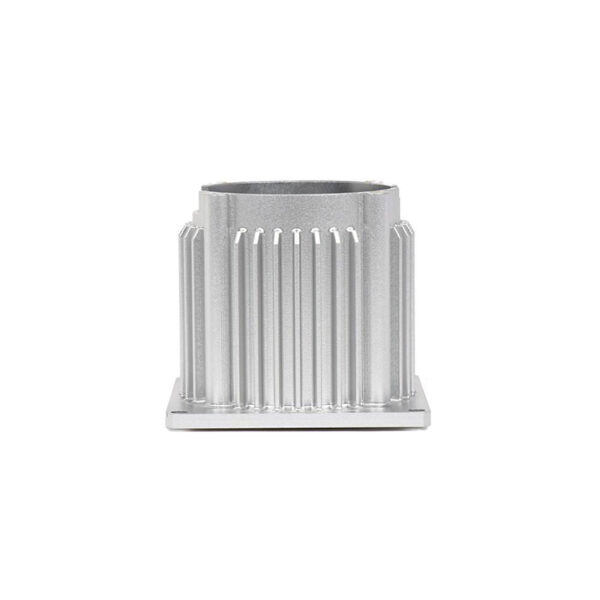
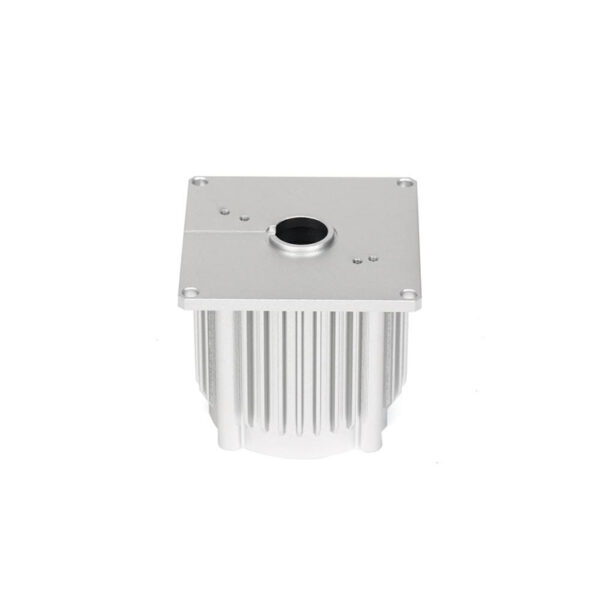
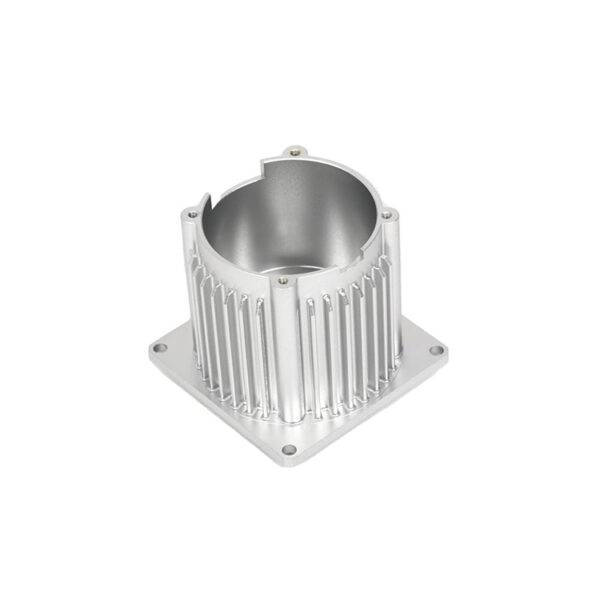
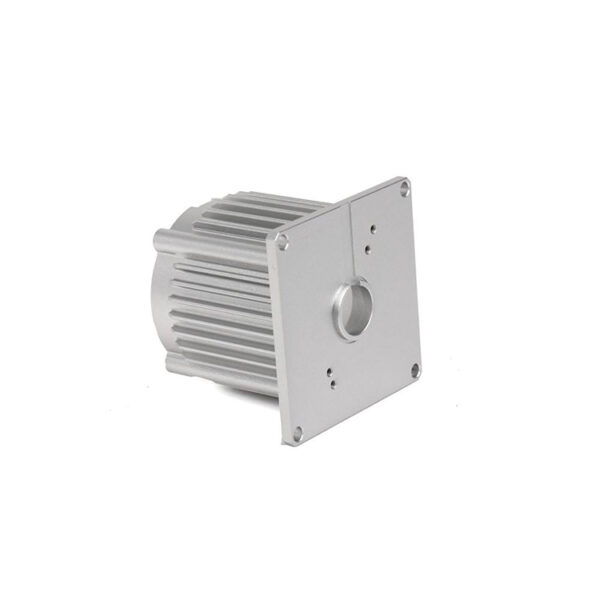
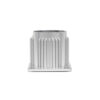
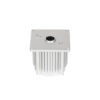
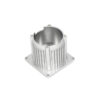
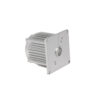
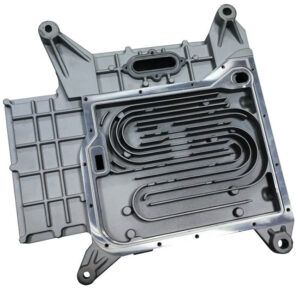
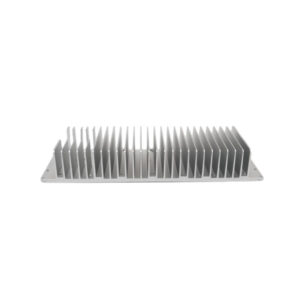
These aluminum die cast enclosures integrate a protective housing and heat-dissipation structure into one compact component. Vertical fins increase external surface area, while the cylindrical cavity provides space for electrical, motor-control, or power-electronic assemblies. A square flange supports equipment mounting, and secondary machining can finish central bores, threaded holes, and mating surfaces after casting. ADC12 and A380 are common alloy options. Typical uses include power supplies, motor drives, LED systems, communication equipment, industrial controls, sensors, and other heat-generating electronic assemblies.
Aluminum die cast heat sink enclosures combine equipment protection with passive thermal dissipation for electrical and electronic assemblies. High-pressure die casting forms the cylindrical housing, vertical cooling fins, mounting flange, internal cavity, and integrated bosses as one component. Secondary CNC machining can finish the central opening, mounting holes, and critical mating surfaces. Common alloys include ADC12 and A380 aluminum. Typical applications include motor controls, power supplies, LED systems, industrial electronics, communication equipment, sensors, and compact power modules.
| Material | ADC12, A380, or drawing-specified aluminum die casting alloy |
| Manufacturing Process | High-pressure die casting, trimming, deburring, blasting, and secondary CNC machining |
| Part Features | Integrated cooling fins, cylindrical internal cavity, square mounting flange, bosses, and mounting holes |
| Thermal Function | External fin geometry increases surface area for passive heat dissipation from internal electrical or electronic components |
| Secondary Machining | Central bores, mounting holes, threads, locating surfaces, and flange faces machined according to drawing |
| Surface Finish | As-cast, shot or bead blasted, conversion coated, powder coated, or customer-specified finish |
| Applications | Motor controls, power supplies, LED equipment, communication devices, sensors, industrial electronics, and power modules |
| Customization | Fin layout, housing depth, cavity geometry, flange dimensions, mounting pattern, machined interfaces, alloy, and finish |