Before You Go, Let’s Talk About Your Parts
Tell us about your part, quantity, and key requirements. Nova Precision Manufacturing Co.,Ltd can help you choose suitable materials and manufacturing processes for your project.

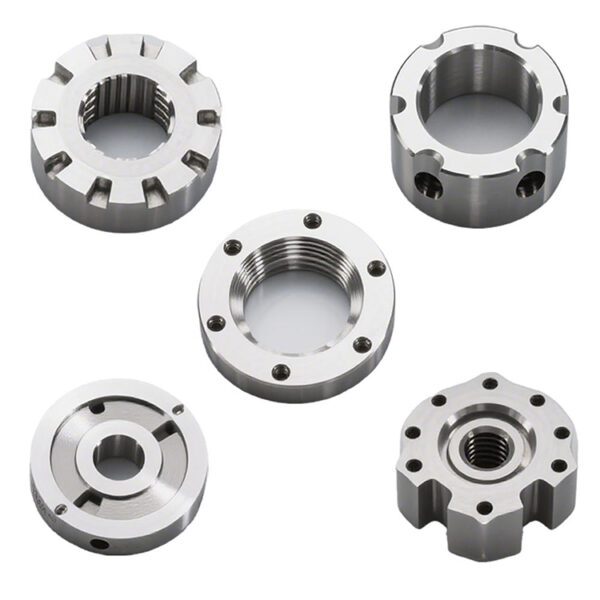
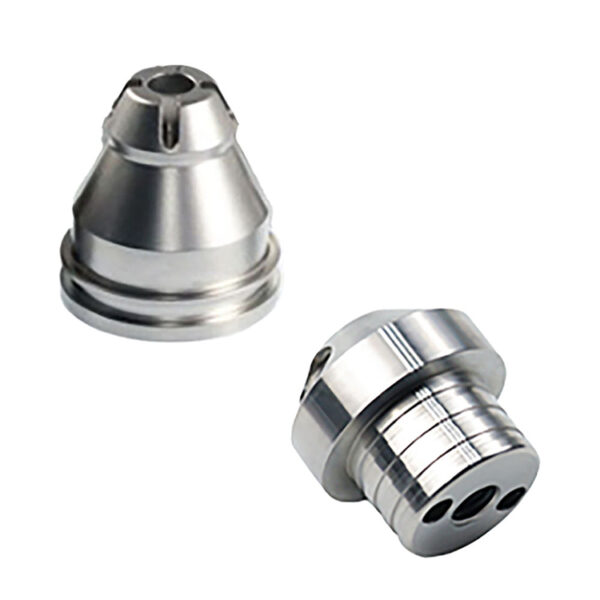
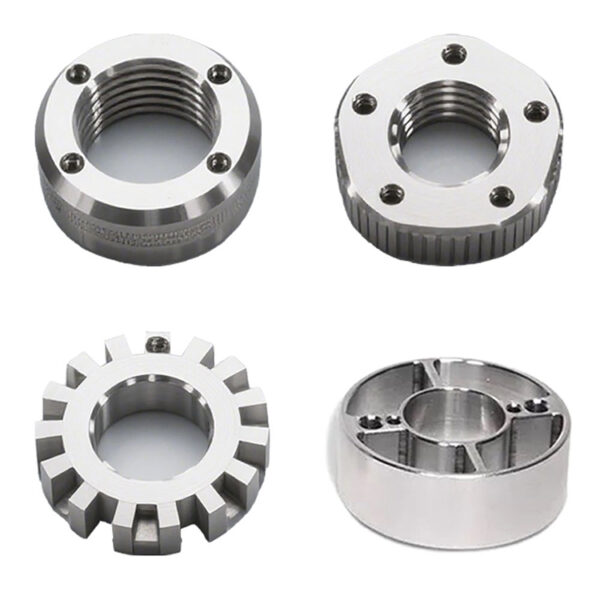
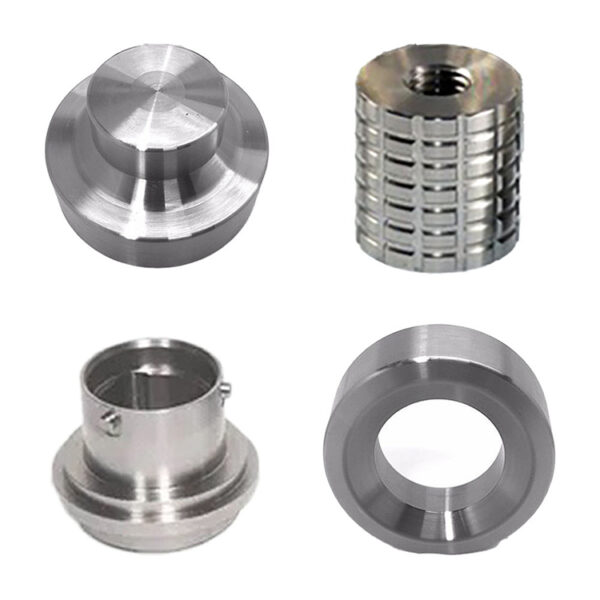
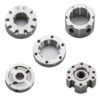
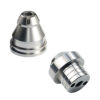
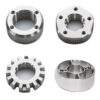
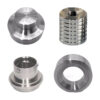
These small precision components combine turned geometry with detailed secondary features that would be difficult to manage on simple conventional parts. Swiss-type turning or CNC turning can form concentric bodies, bores, grooves, and threads, while micro milling and cross drilling add slots, radial holes, flats, and other localized details. Stainless steel, brass, aluminum, and titanium are commonly selected according to functional requirements. Typical uses include sensor hardware, electrical connectors, precision instruments, miniature mechanisms, automation assemblies, and other space-constrained mechanical systems.
Precision micro machined components are compact metal parts used where several functional features must fit into a small envelope. Depending on geometry, they are produced by CNC turning, Swiss-type machining, micro milling, drilling, and threading. The parts shown include miniature bores, internal threads, radial holes, narrow slots, fine grooves, and thin ring sections. Common materials include 303/304/316 stainless steel, brass, aluminum, and titanium. Typical applications include sensors, connectors, miniature mechanisms, instrumentation, automation devices, and compact electronic or mechanical assemblies.
| Material | 303/304/316 stainless steel, brass, aluminum, titanium, or drawing-specified alloys |
| Manufacturing Process | Precision CNC turning, Swiss-type machining, micro milling, drilling, and threading |
| Part Features | Miniature bores, fine threads, radial holes, narrow slots, grooves, and thin-wall ring features |
| Machined Geometry | Turned profiles combined with cross holes, milled flats, internal features, and multi-face details |
| Surface Finish | As-machined, polished, passivated, plated, anodized, or drawing-specified finish |
| Tolerance Requirements | Critical diameters, concentricity, hole position, thread fit, and feature alignment per customer drawing |
| Applications | Sensors, connectors, instrumentation, automation devices, miniature mechanisms, and compact assemblies |
| Customization | Diameter, bore geometry, thread form, slot pattern, cross-hole layout, material, and surface treatment |