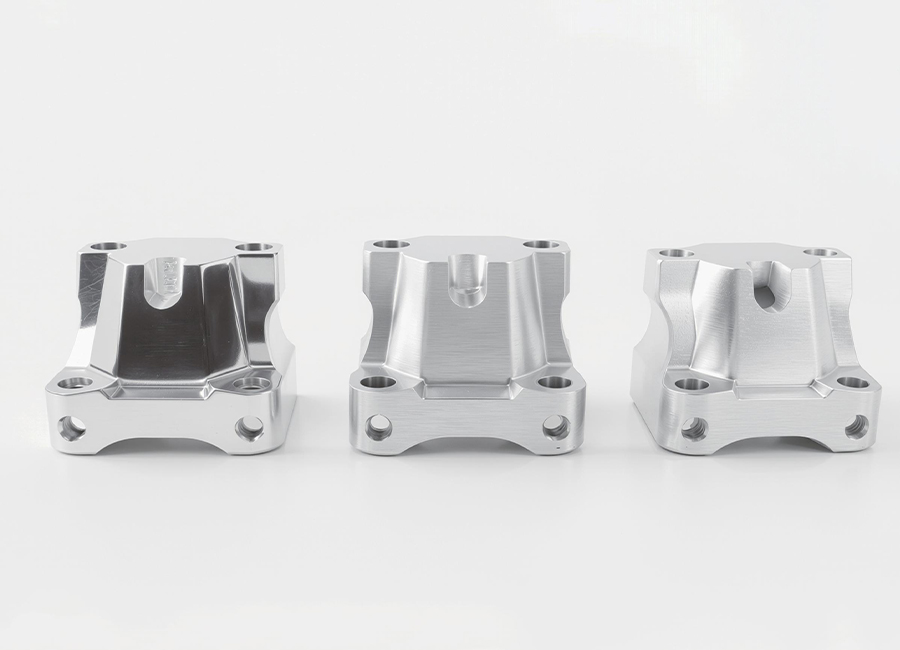
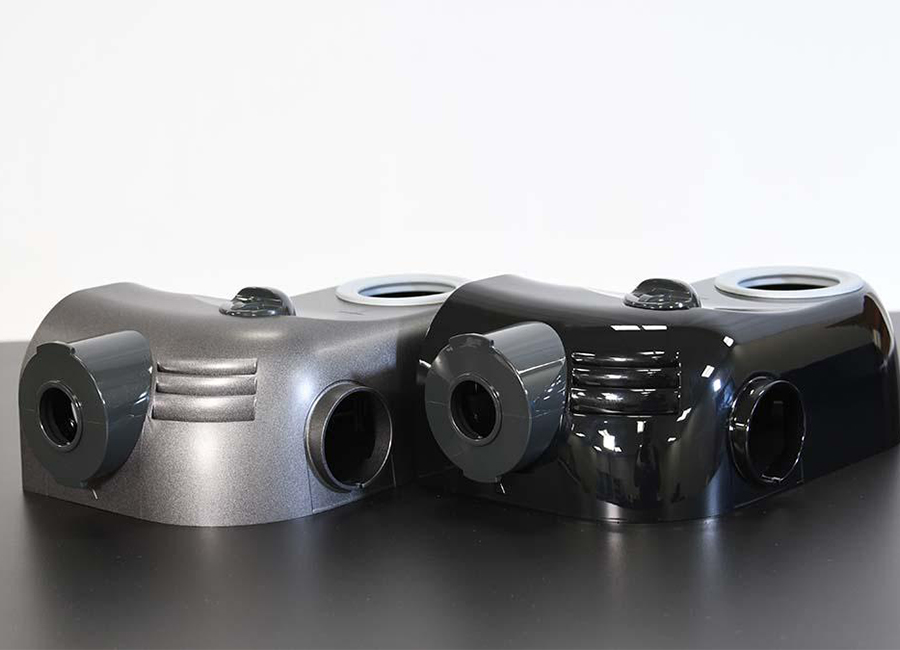
Surface Finishes for Custom Parts

Four Surface Finish Categories

Use these categories to narrow the options by substrate, performance, and appearance. Final suitability depends on the material grade, part geometry, tolerance, quantity, and applicable finish specification.
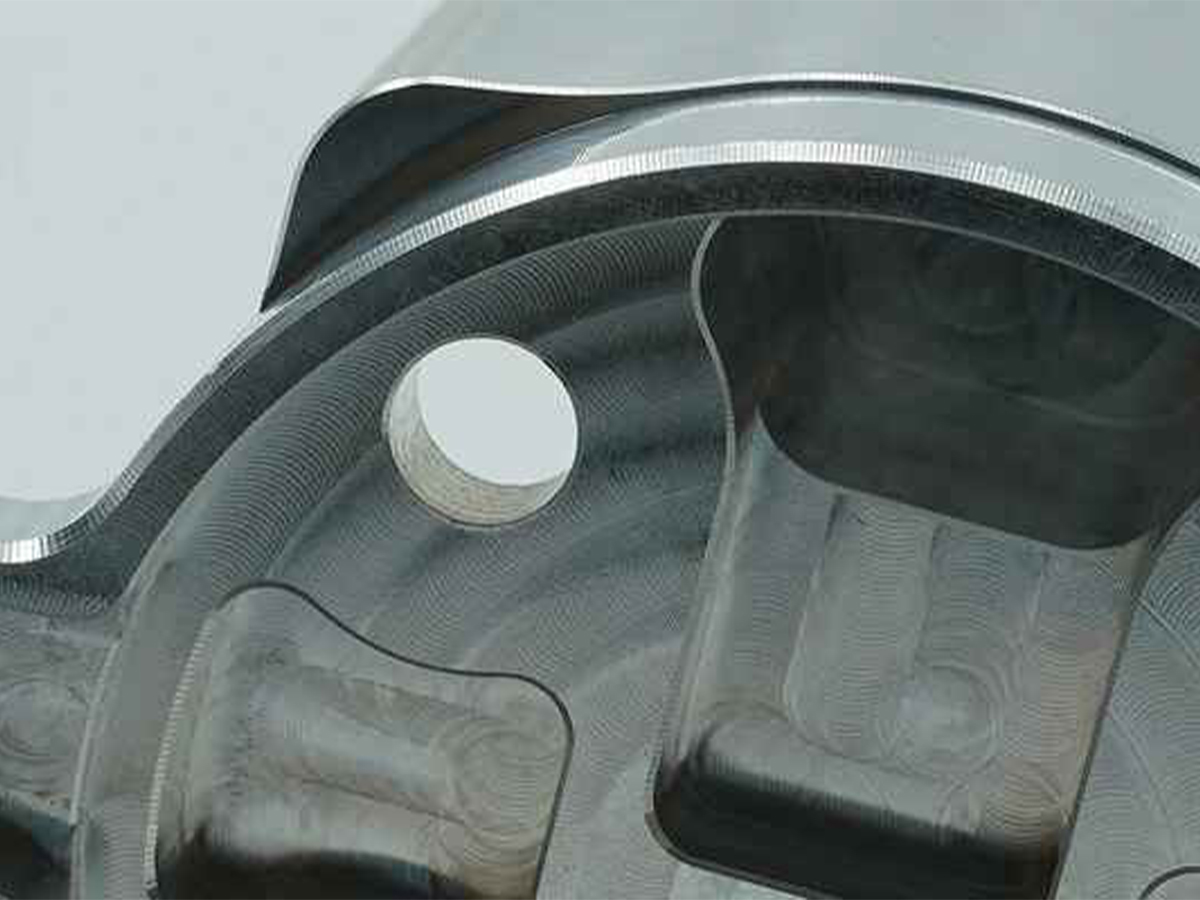
01 — Mechanical Finishes

Prepare and Refine the Surface

As-machined, bead-blasted, brushed, and polished surfaces control texture, reduce tool marks, and prepare parts for decorative or protective treatment.
02 — Chemical & Conversion Finishes

Protect the Base Material

Anodizing, chem film, passivation, and black oxide modify or convert the surface to improve corrosion resistance, wear performance, appearance, or coating adhesion.
03 — Plating & Coatings

Add Protection, Color, or Wear Resistance

Electroless nickel, zinc plating, powder coating, and painting add a controlled surface layer selected for the operating environment and visual requirements.
04 — Molded & Marked Surfaces

Control Plastic Part Appearance

SPI polish, VDI or Mold-Tech textures, painting, printing, and laser marking define the appearance and identification of molded plastic parts.

Surface Finish Options for Custom Parts

Compare commonly requested finishes for CNC-machined, sheet-metal, stamped, and die-cast components. Exact availability, appearance, thickness, and applicable standards are confirmed during quotation.
Raw CNC machined metal component with unfinished tool mark surface

As Machined

Suitable for metals and machinable plastics. Tool marks remain visible and no additional cosmetic treatment is applied, making this a practical option for prototypes, fixtures, internal components, and function-first parts.
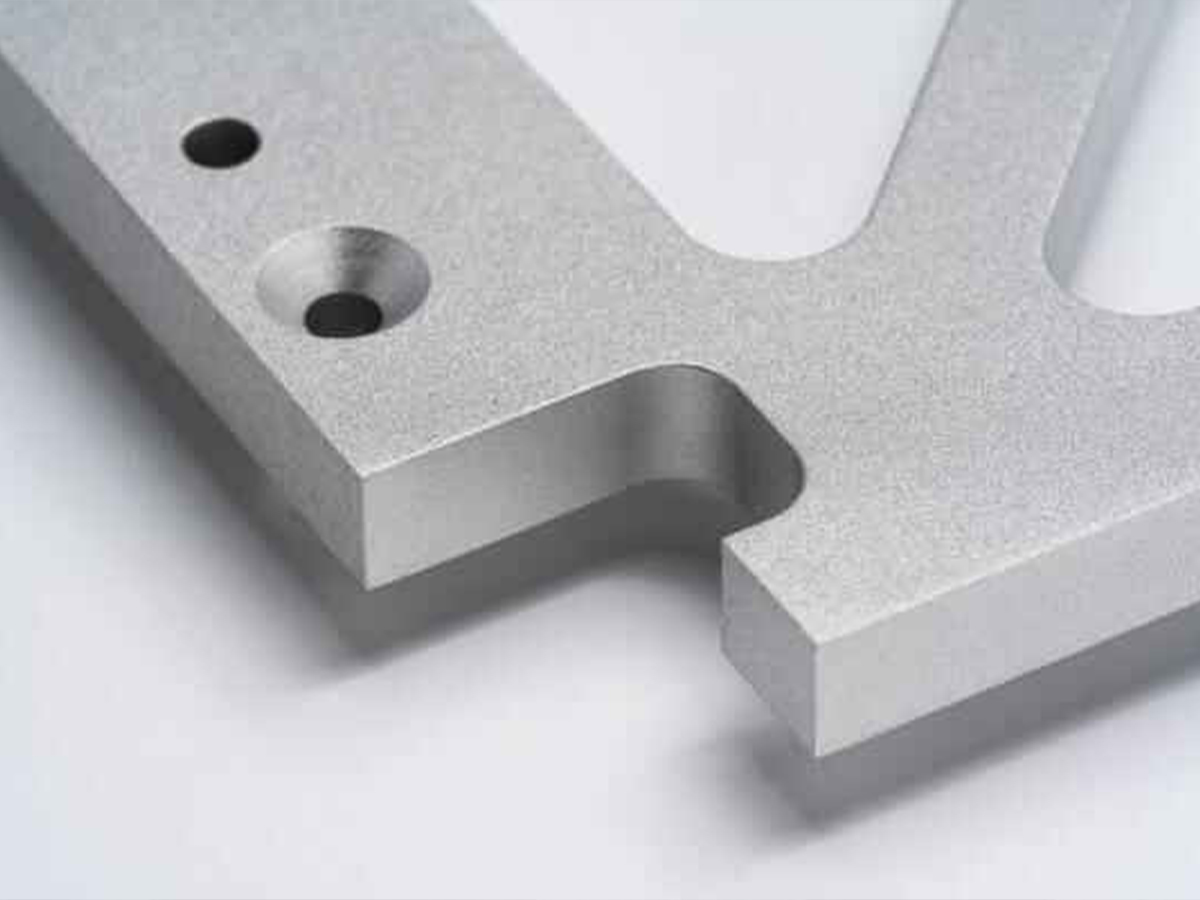
Bead blasted CNC aluminum part with uniform fine matte surface

Bead Blasting

Fine media creates a uniform matte texture on compatible metals, reduces the visibility of tool marks, and provides a consistent base for anodizing, painting, or other coatings.
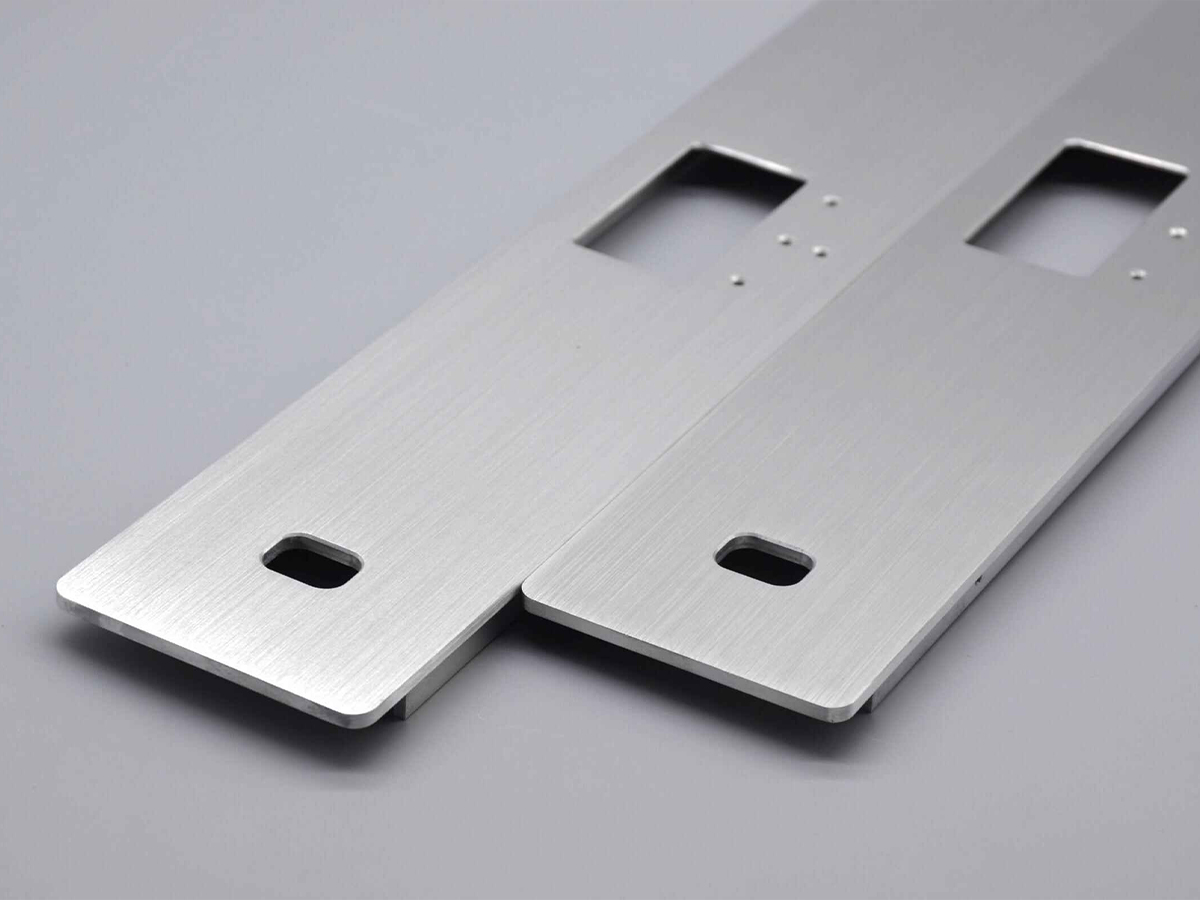
Brushed aluminum panels with uniform directional hairline grain

Brushing

Creates a controlled directional grain on aluminum, stainless steel, brass, and other compatible metals. It is commonly specified for visible panels, housings, handles, and decorative surfaces.
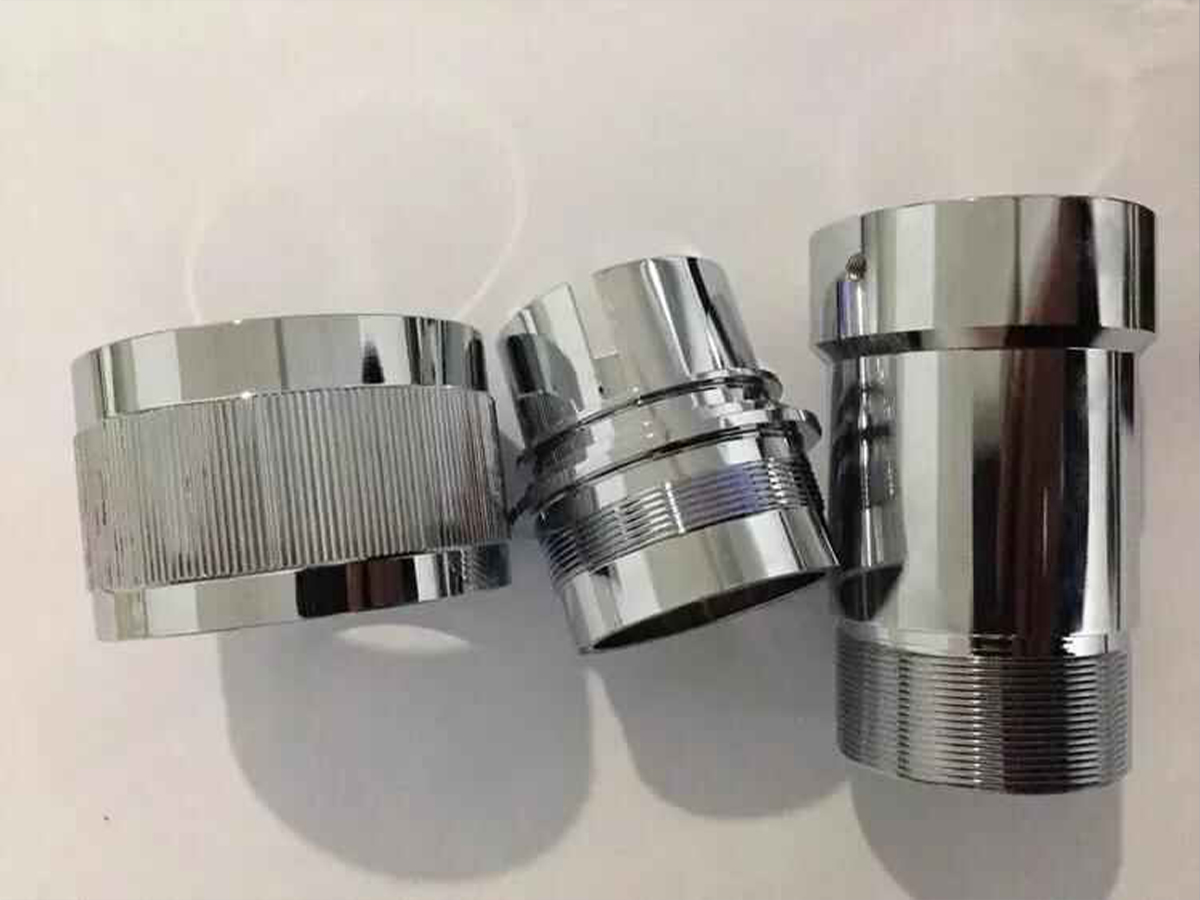
Mirror polished stainless steel CNC turned threaded components

Polishing

Reduces surface roughness and produces a smooth satin, bright, or mirror-like appearance on compatible metals. Specify the required polish level and the surfaces that are cosmetic.
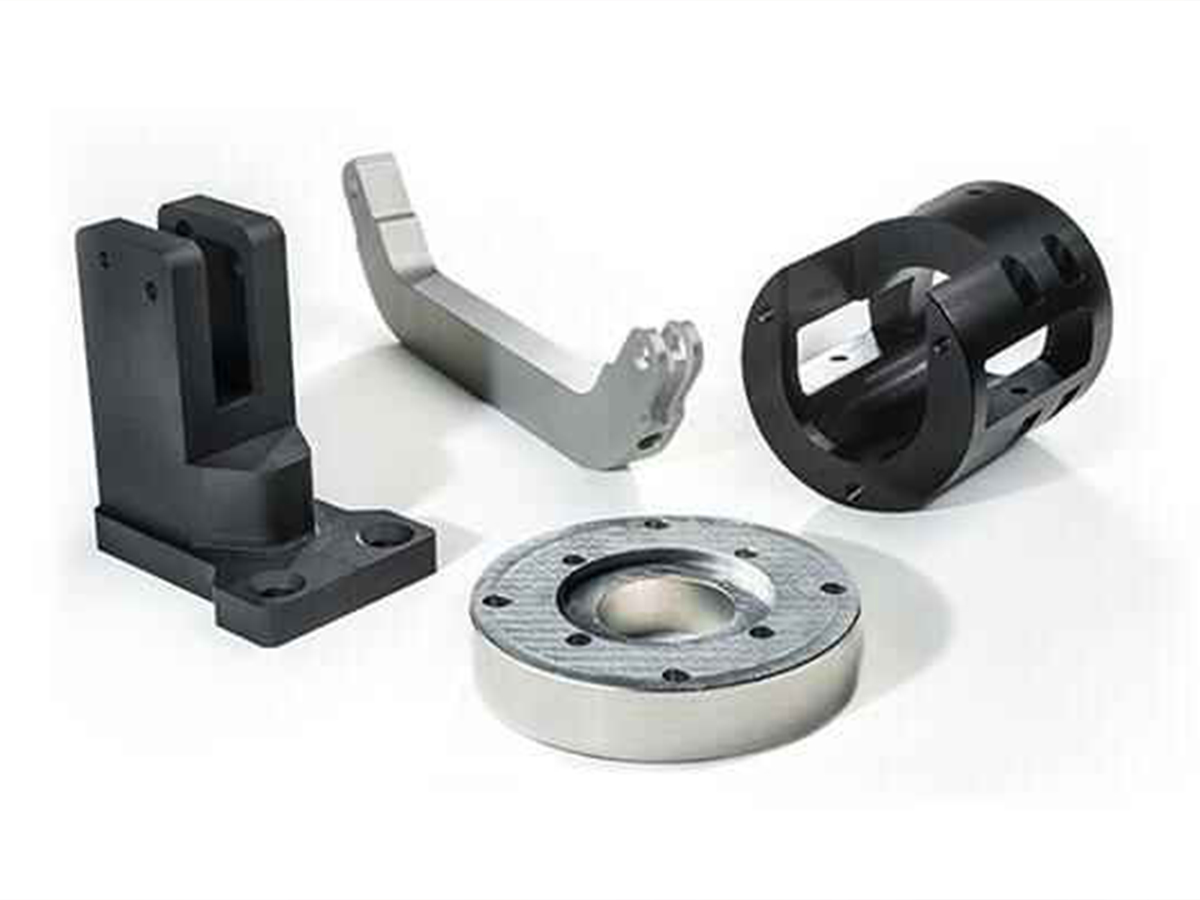
Clear and black Type II anodized CNC machined aluminum components

Type II Anodizing

For aluminum parts requiring corrosion resistance and decorative color. Clear, black, or selected dyed colors may be available, while critical fits and electrical contact areas may require masking.
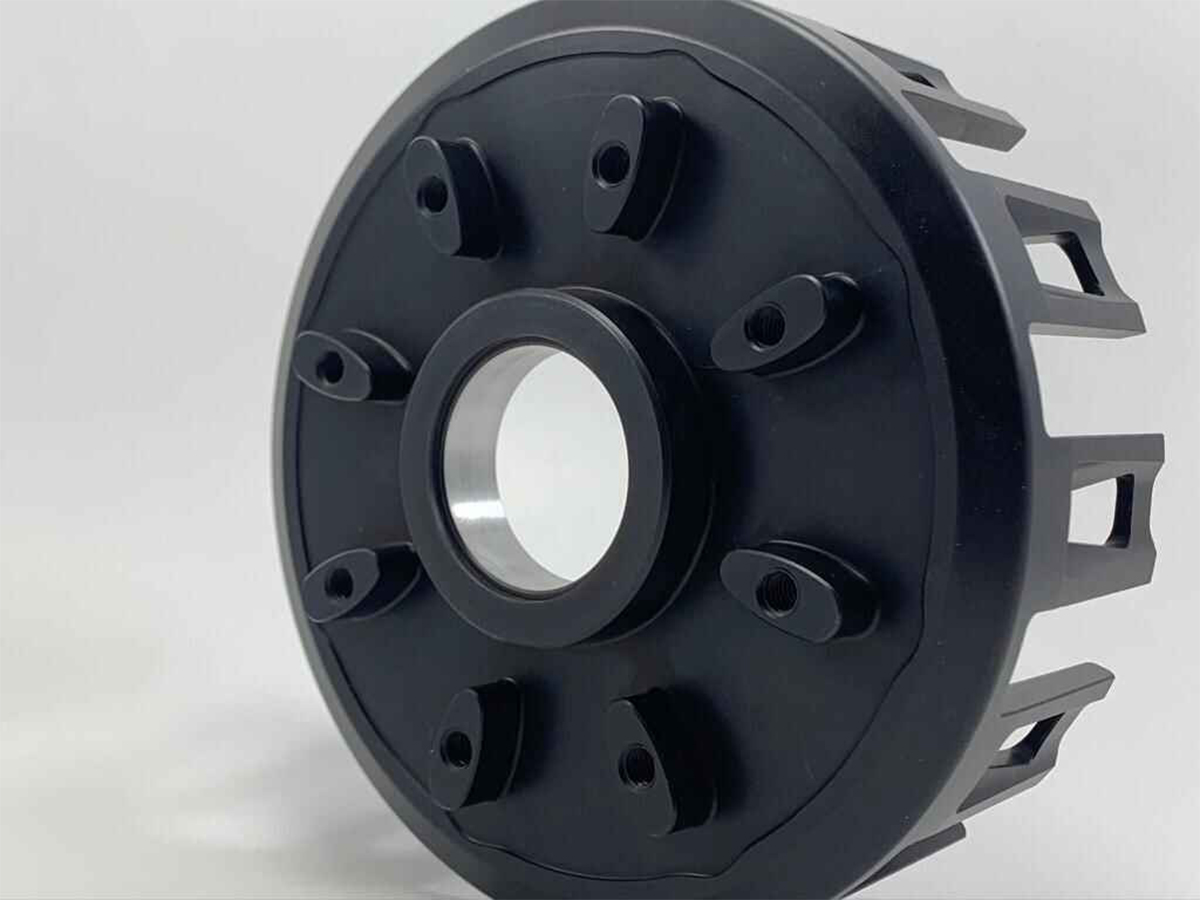
Black Type III hardcoat anodized aluminum hub with precision mounting features

Type III Hardcoat Anodizing

Creates a harder, more wear-resistant anodized layer on aluminum for sliding surfaces, repeated handling, and industrial use. Required thickness and finished dimensions should be stated on the drawing.
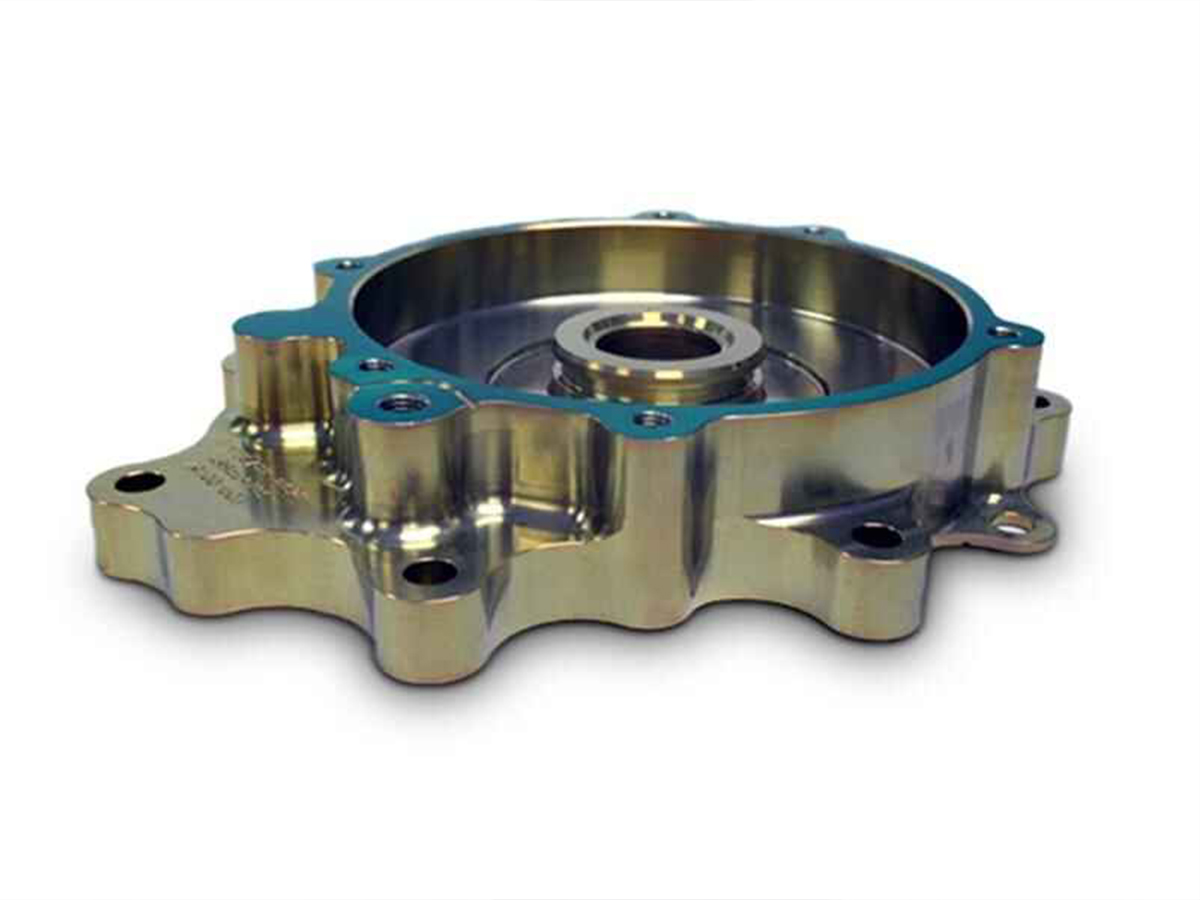
Precision aluminum housing with yellow gold chromate conversion coating

Chromate Conversion Coating

Also called chem film, this thin conversion treatment is used on aluminum for corrosion resistance, paint adhesion, and applications requiring limited dimensional change or electrical conductivity.
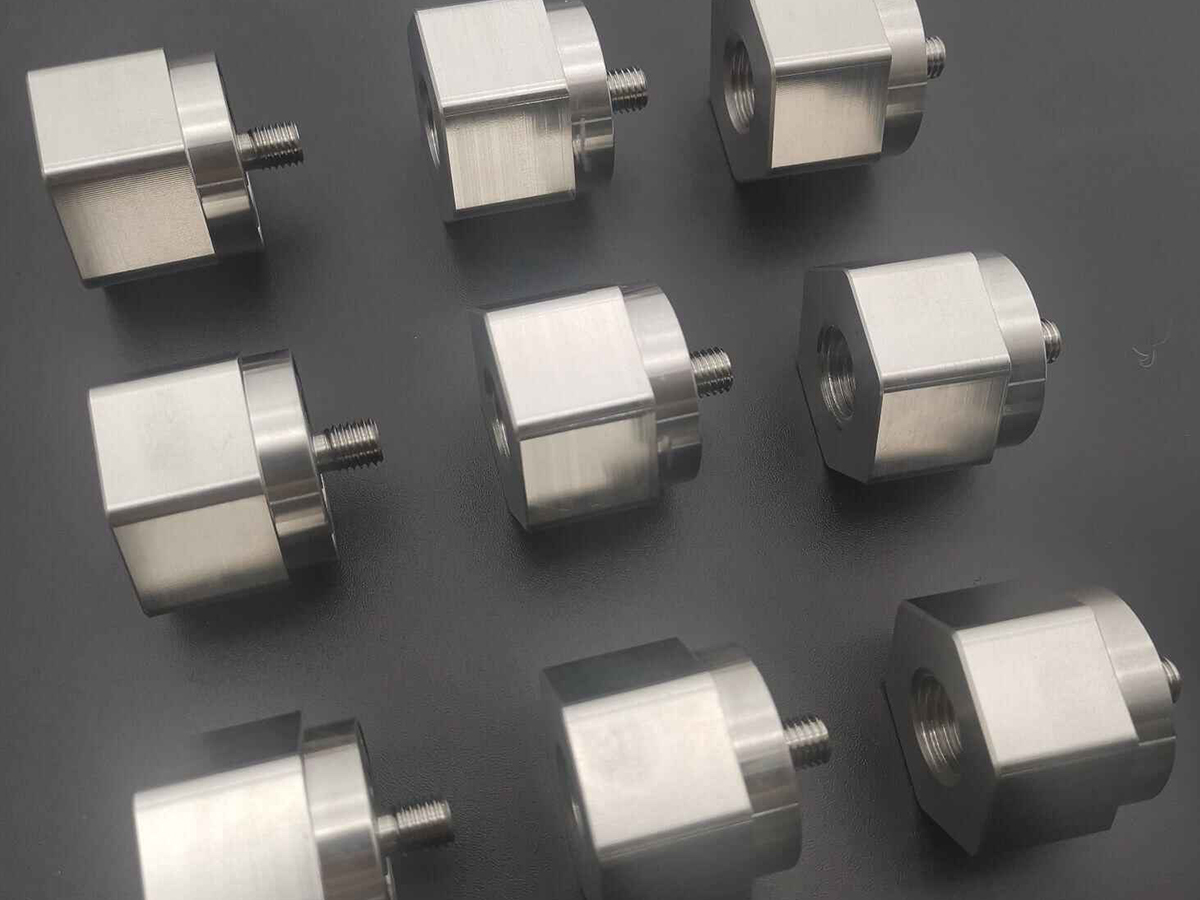
Clean precision CNC machined stainless steel components with natural passivated appearance

Passivation

A chemical treatment for stainless steel that removes free iron and improves the material’s natural corrosion resistance. It adds negligible coating thickness and does not provide a decorative color.
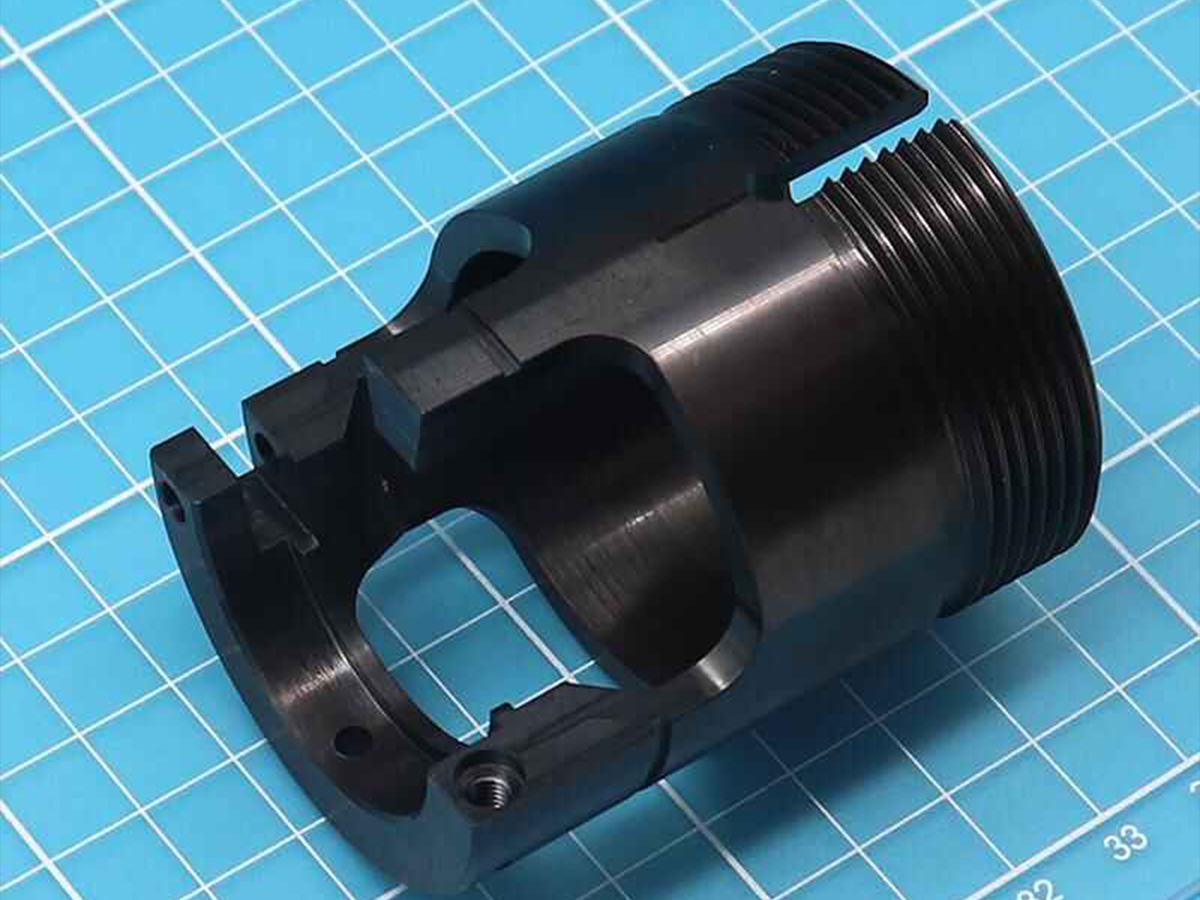
Complex CNC machined steel component with matte black oxide coating

Black Oxide

Produces a dark matte conversion finish on compatible ferrous metals with very little dimensional buildup. Oil, wax, or another seal may be specified for additional corrosion protection.
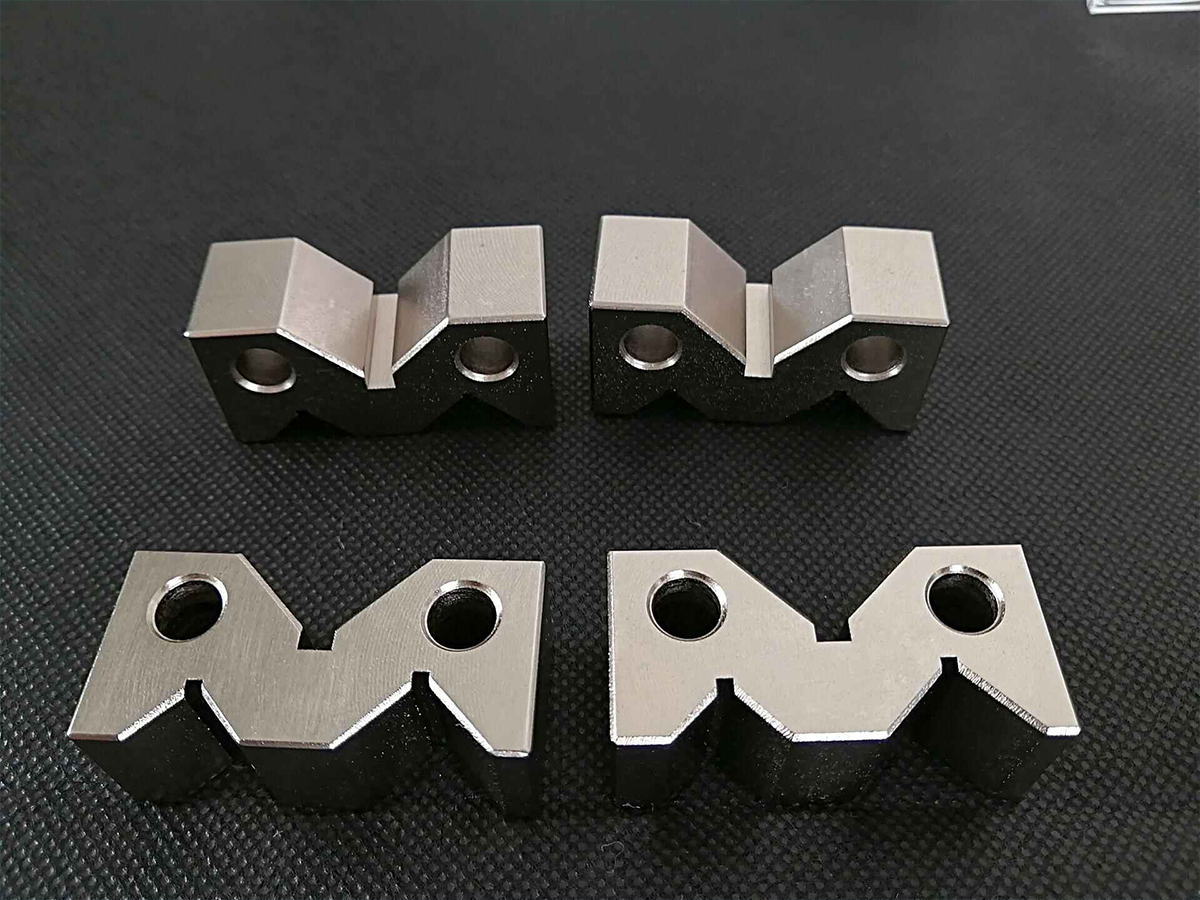
Precision machined components with uniform electroless nickel plated finish

Electroless Nickel Plating

Deposits a relatively uniform nickel layer on aluminum, steel, and compatible alloys to improve corrosion and wear resistance. State the required coating thickness and any masked areas.
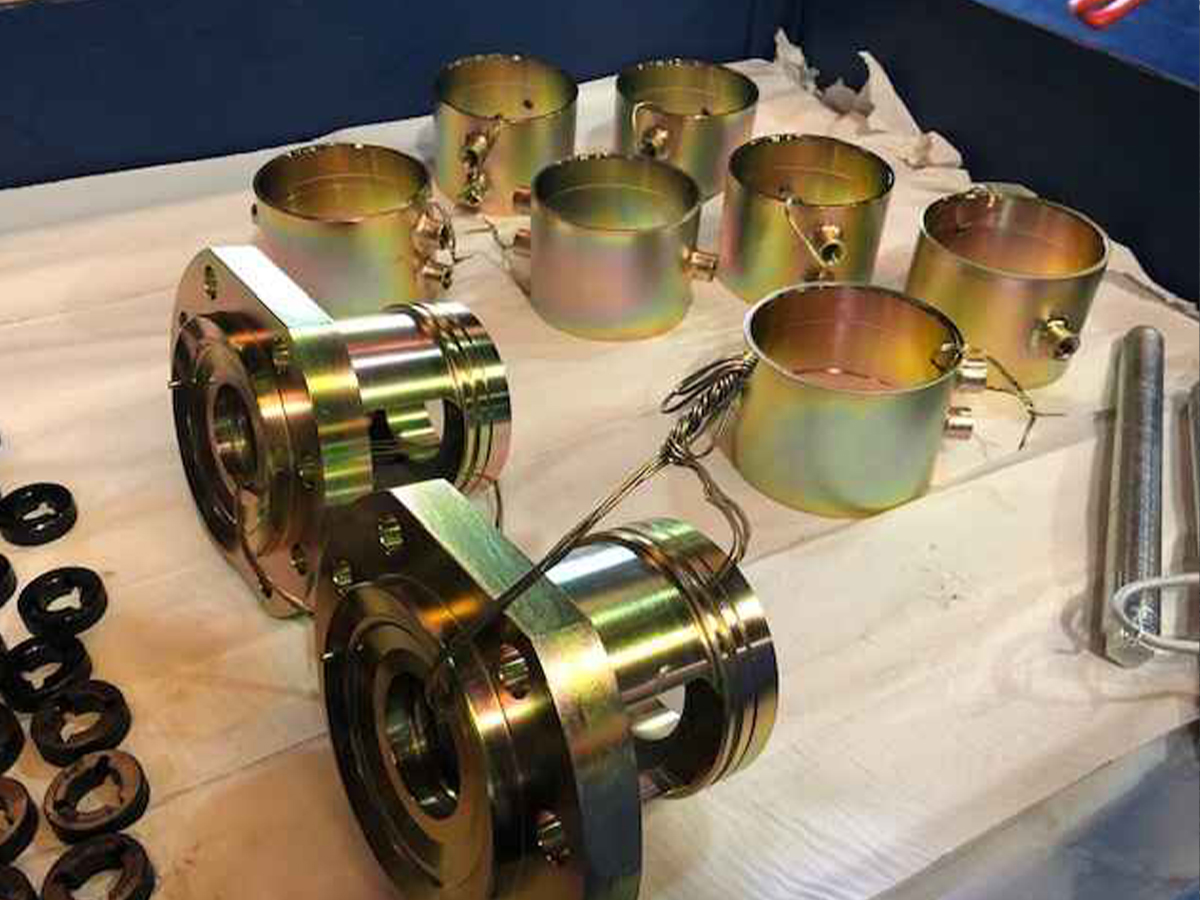
Industrial steel parts with yellow iridescent zinc electroplated finish

Zinc Plating

An economical protective coating for carbon and alloy steels. Specify coating thickness, passivation color, corrosion requirement, and areas such as threads or fits that require dimensional control.
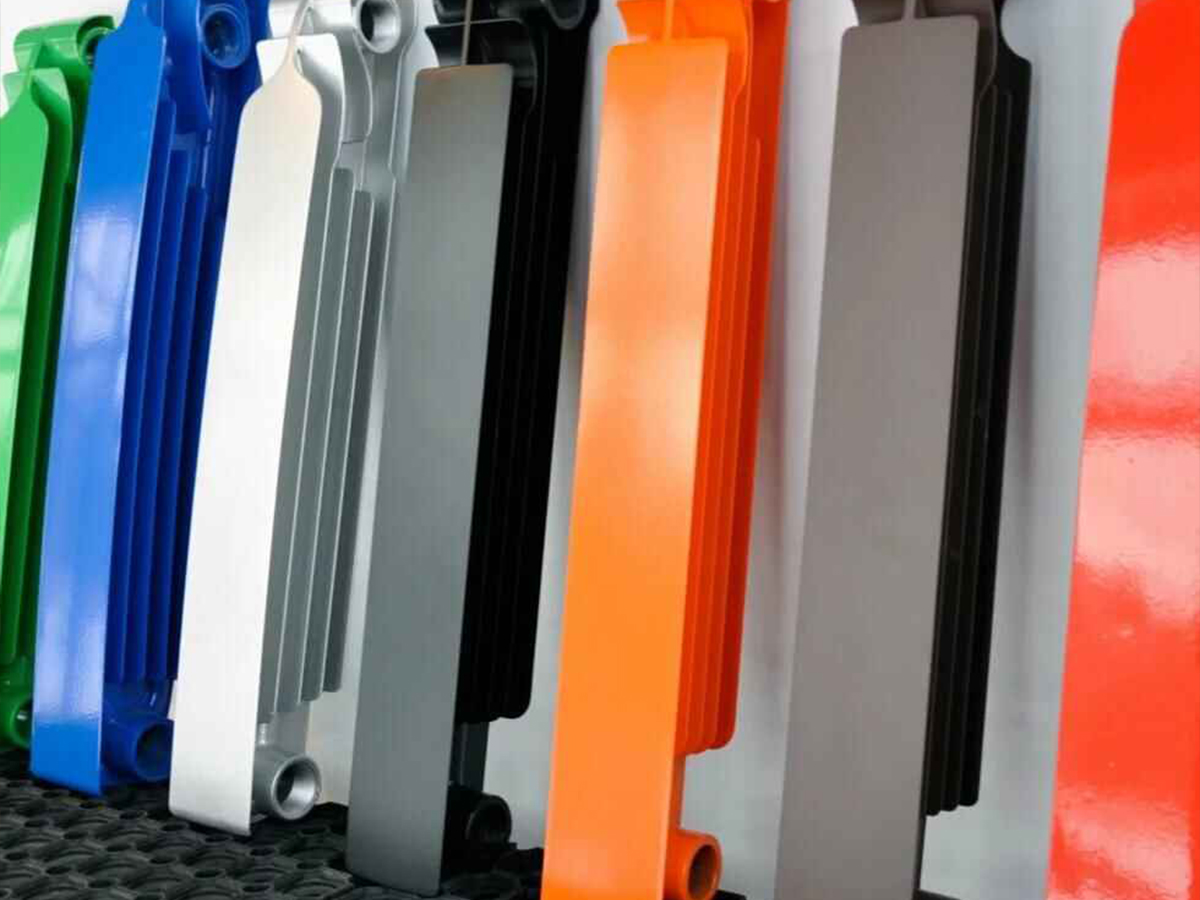
Green blue white black orange gray and red powder coated metal components

Powder Coating

Creates a durable colored coating on compatible metal parts in selected colors, textures, and gloss levels. Because it adds thickness, threads, contact surfaces, and precision fits may require masking.
Finishes Matched to the Manufacturing Process

The base manufacturing process affects surface preparation, finish compatibility, dimensional allowances, and the final appearance of the part.

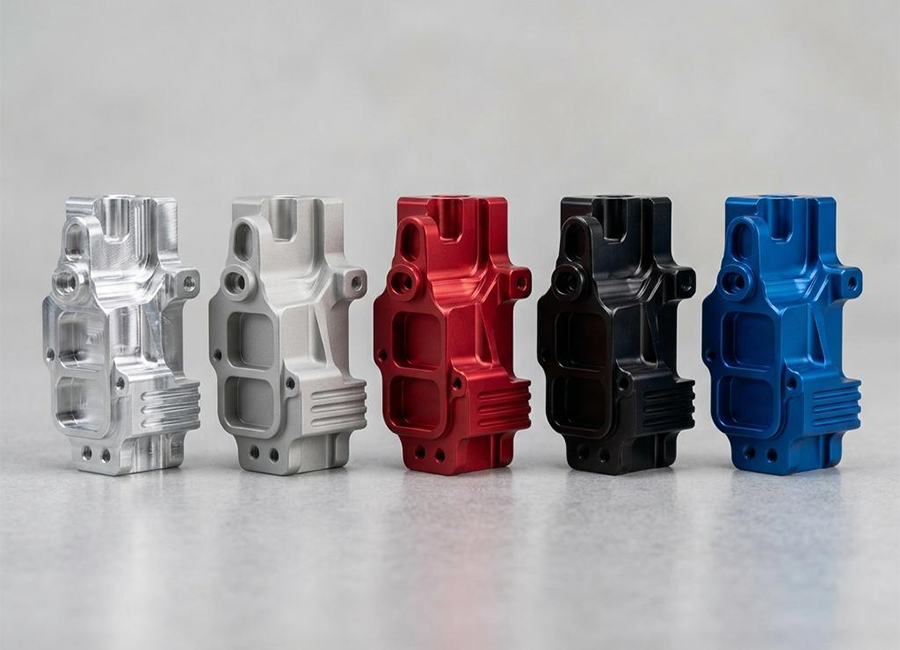
CNC Machined Parts

Options include as-machined, bead blasting, polishing, anodizing, passivation, black oxide, plating, and powder coating. Surface preparation, coating buildup, tight fits, and masking should be reviewed before machining.
Identical CNC machined aluminum parts with raw bead blasted red black and blue anodized finishes

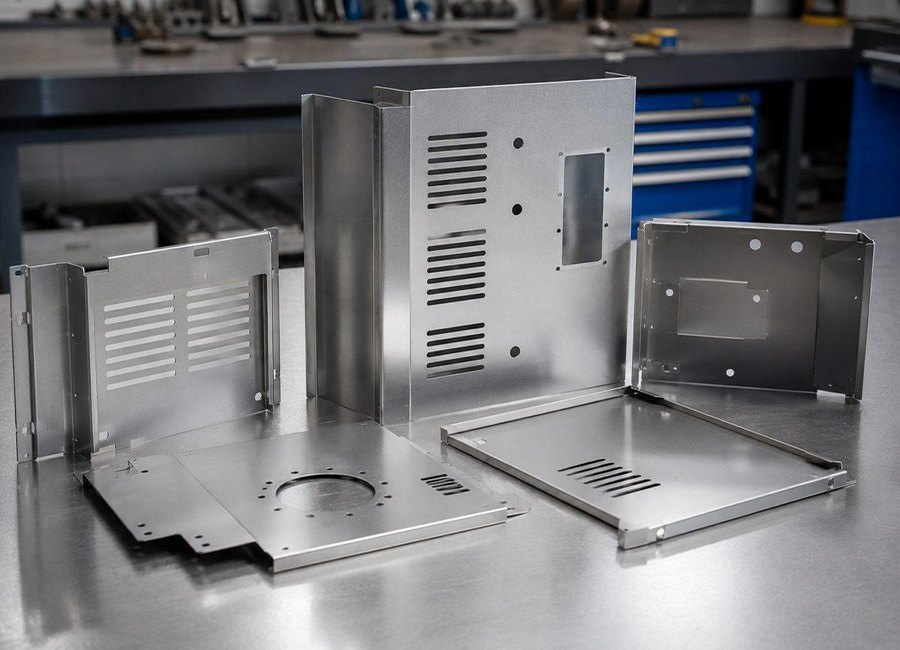
Sheet Metal & Laser-Cut Parts

Deburring, brushing, bead blasting, anodizing, passivation, plating, painting, and powder coating can be coordinated with bend lines, welds, edges, hardware, grounding points, and cosmetic panels.
Precision laser cut and folded sheet metal enclosure panels with ventilation slots and mounting holes

Die-Cast & Stamped Parts

Tumbling, blasting, polishing, conversion coating, plating, painting, and powder coating can improve appearance and protection. Parting lines, ejector marks, porosity, and formed edges may influence the final result.
Die cast aluminum components comparing polished satin and brushed surface finishes

Injection-Molded Parts

SPI polish, bead-blast texture, VDI or Mold-Tech texture, custom resin color, painting, printing, and laser marking can be reviewed by project. Resin, fillers, draft, gate location, and mold construction all affect appearance.
Identical injection molded plastic housings comparing matte gray and glossy black surface finishes

What to Include in a Finish Specification

A finish name alone is rarely enough. State the technical and cosmetic requirements clearly in the RFQ and engineering drawing.
Base Material & Process
Identify the exact alloy or resin grade and manufacturing process because finish compatibility and final appearance depend on the substrate.
Cosmetic & Masked Areas
Mark visible surfaces and areas left untreated, including threads, bearing fits, sealing faces, grounding points, electrical contacts, and assembly interfaces.
Finish Type & Standard
State the finish name, type, class, applicable standard, coating thickness, color reference, texture, and gloss level where required.
Finished Dimensions & Inspection
Clarify whether tolerances apply before or after finishing and define any thickness, adhesion, color, gloss, roughness, or sample-approval requirement.

Frequently Asked Questions

Review common questions about material compatibility, dimensional change, color control, masking, and the finish information required for quotation.