Before You Go, Let’s Talk About Your Parts
Tell us about your part, quantity, and key requirements. Nova Precision Manufacturing Co.,Ltd can help you choose suitable materials and manufacturing processes for your project.

Use practical DFM guidance to improve parts for CNC machining, injection molding, die casting, metal stamping, sheet metal fabrication, and laser cutting. Plan geometry, tolerances, materials, finishes, and production files early—before they become expensive tooling changes, extra setups, or avoidable quality risks.
A feature that is simple to machine may be difficult to mold or form. Start by matching the part’s geometry, material, quantity, tolerance, surface requirements, and budget to the most suitable process. Early process decisions can reduce secondary operations, simplify tooling, and make quotation more accurate.
Explore Process Guides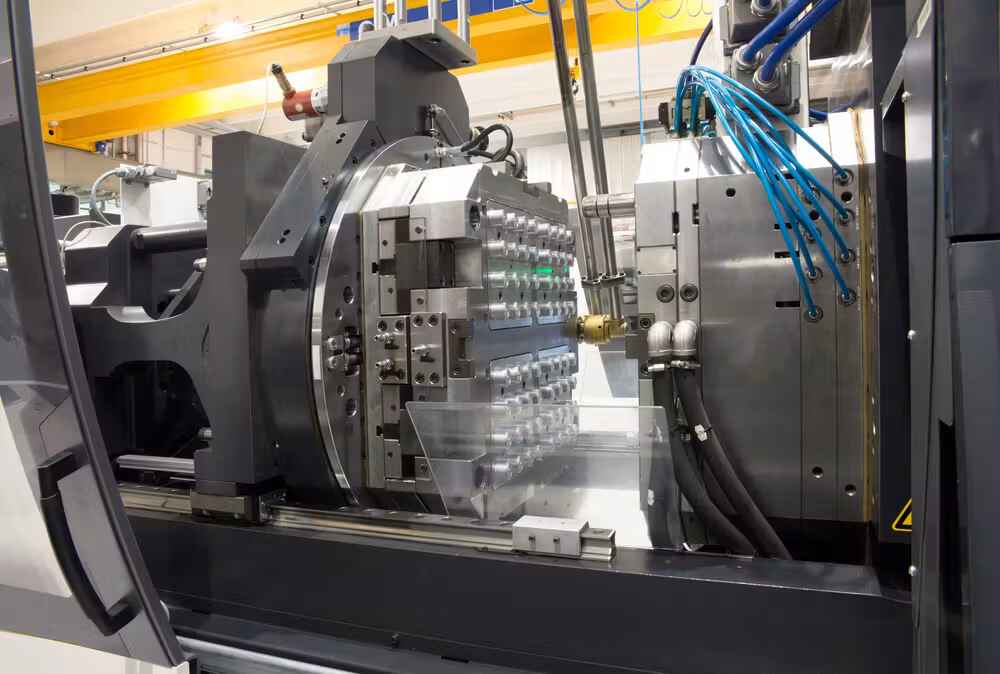
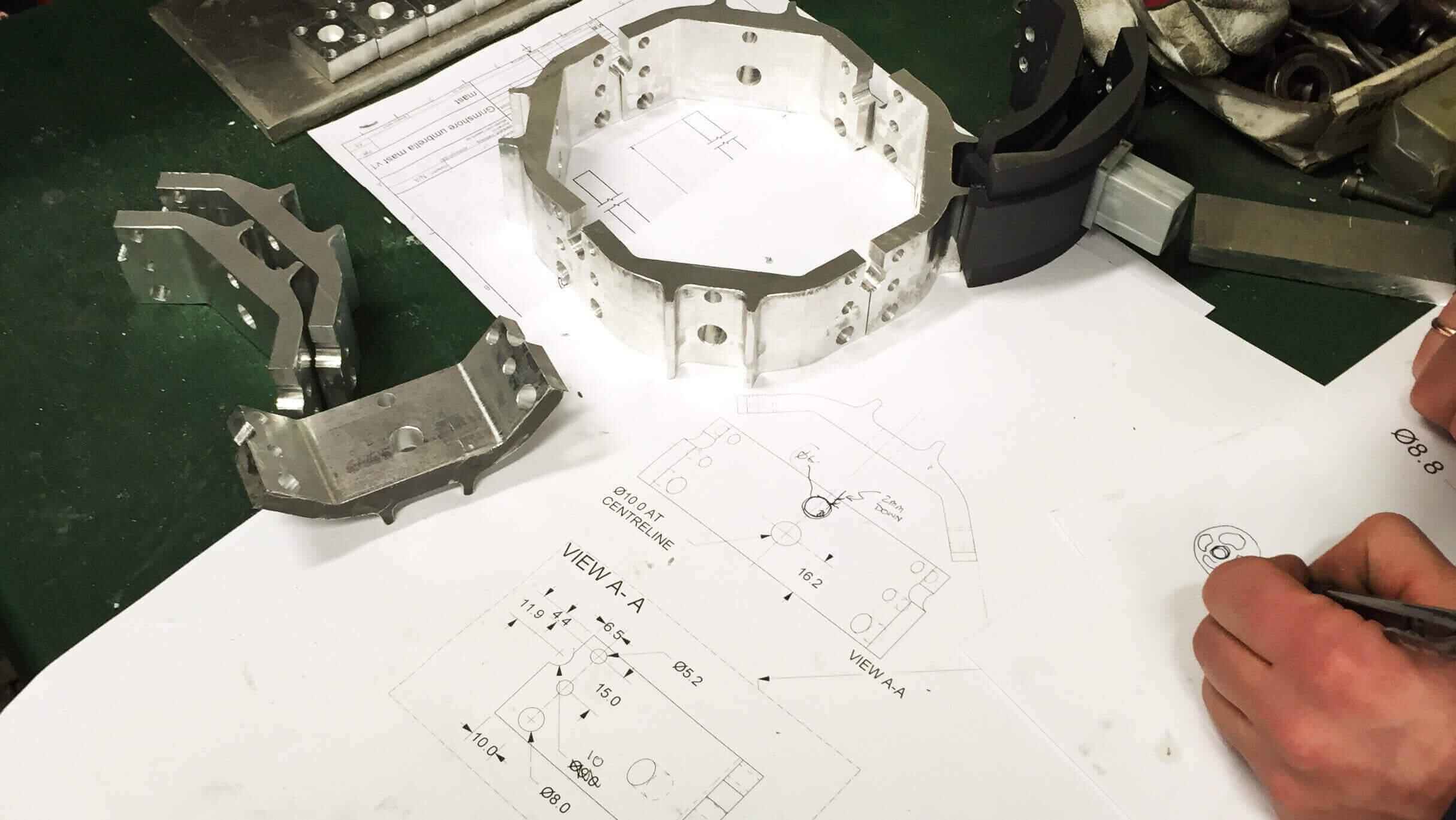
Use a 3D CAD model to define nominal geometry and a 2D drawing to identify critical dimensions, datums, fits, threads, surface finish, and inspection requirements. Include the target material, quantity, finish, intended use, and assembly conditions so manufacturability can be reviewed in context.
Improve machinability by reviewing tool access, internal radii, pocket depth, thin walls, holes, threads, setups, and datum strategy. Reserve tighter tolerances for interfaces that control fit or performance.
Build moldability into the part with consistent walls, draft, radii, ribs, bosses, and early decisions on undercuts, parting lines, gates, and ejection. These choices support stable filling, cooling, and release.
Design laser-cut, bent, stamped, and die-cast parts around material thickness and forming behavior. Review bend radii, feature spacing, reliefs, draft, ribs, parting lines, and joining needs before finalizing the geometry.

Remove unnecessary depth, narrow features, hidden corners, and difficult undercuts when they do not add function. Simpler geometry often needs fewer setups and special operations.
Apply tolerances according to how the part fits, moves, seals, or aligns. Avoid using the tightest tolerance as the default for every dimension.

Select the material and finish together, considering corrosion, wear, appearance, conductivity, temperature, chemical exposure, and dimensional change after processing.

Clearly identify datums, critical dimensions, threads, cosmetic surfaces, and assembly interfaces so inspection reflects the intended function of the part.
A STEP or STP file is preferred for most 3D parts. Add a PDF drawing when the project includes critical tolerances, datums, threads, fits, surface-finish callouts, or inspection notes. For flat laser-cut profiles, include a clean DXF file when available.
Yes. An early model together with the material, quantity, preferred process, and functional requirements is enough to begin a practical review. We can identify features that may increase cost, require secondary operations, or create manufacturing risks before the drawing is released.
CNC machining is often suitable for prototypes, lower volumes, engineering materials, and parts that may require design changes. Injection molding requires tooling but may offer a lower unit cost for repeat production of plastic parts. The decision depends on geometry, material, volume, tolerance, finish, and schedule.
Tighter limits can require additional machining, specialized tooling, slower cycles, more inspection, and a higher scrap risk. Apply them to dimensions that affect fit or function, and use the agreed general tolerance for non-critical features.
Include critical dimensions and tolerances, datum references, threads and inserts, surface-finish requirements, heat treatment or coatings, cosmetic areas, inspection notes, and assembly conditions. The drawing should supplement the 3D model instead of repeating every nominal dimension.
Refer to our Manufacturing Standards page for general process and inspection expectations, and our Finishes page for surface-treatment information. Any project-specific requirements should still be stated on the drawing and confirmed during quotation.