Before You Go, Let’s Talk About Your Parts
Tell us about your part, quantity, and key requirements. Nova Precision Manufacturing Co.,Ltd can help you choose suitable materials and manufacturing processes for your project.

Produce durable, cost-effective ABS components for electronic housings, appliance covers, automotive interior parts, brackets, fixtures and functional prototypes. Nova Precision Manufacturing Co.,Ltd supports CNC machining and plastic injection molding using general-purpose, high-impact, high-heat, flame-retardant and project-specific ABS grades.
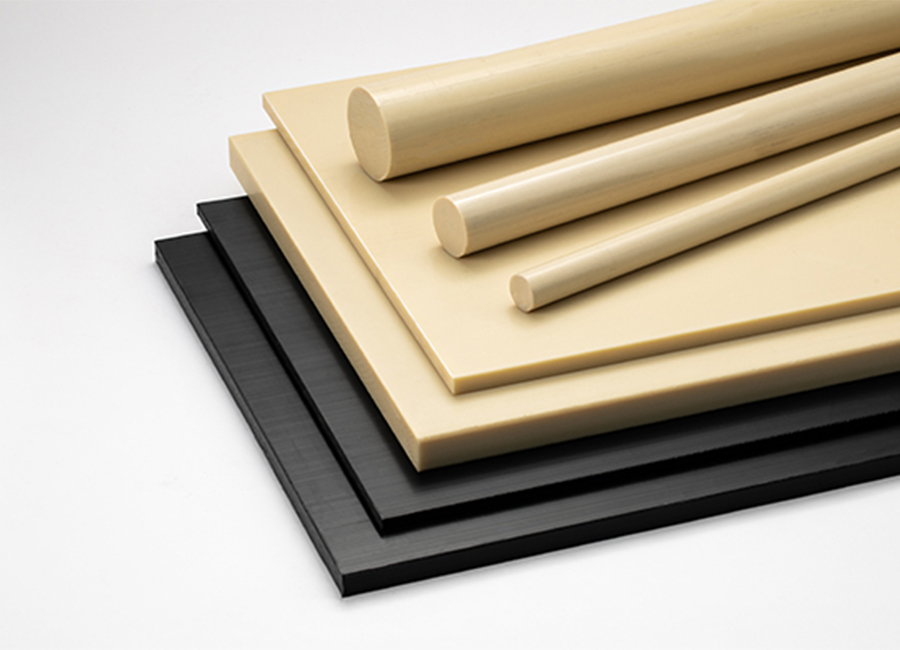
Acrylonitrile butadiene styrene, commonly called ABS, is an amorphous thermoplastic that combines rigidity, toughness and impact resistance. It provides a practical balance of mechanical performance, appearance and cost for components that do not require the higher temperature capability of advanced engineering plastics.
ABS is widely used for equipment covers, electronic enclosures, control panels, bezels, handles, clips, brackets, fixtures and interior trim. Its smooth surface can support molded textures, painting, printing, bonding and selected plating processes when the correct resin and surface preparation are specified.
CNC machining ABS sheet, plate or rod is suitable for prototypes, fixtures and lower-volume parts without investing in production tooling. Injection molding is usually more economical for repeat orders and complex geometries that include ribs, bosses, snap fits, logos or integrated mounting features.
ABS properties vary by resin manufacturer and grade. Standard ABS has limited resistance to prolonged ultraviolet exposure, elevated temperatures and certain solvents. Outdoor use, flame ratings, chemical contact and regulatory requirements should therefore be confirmed before material approval.
General-purpose ABS offers balanced rigidity, impact resistance, surface quality and processability. It suits indoor housings, covers, bezels, handles, brackets and consumer product components. It is often the starting option when the project does not require a specific flame rating, outdoor exposure or elevated-temperature performance.
Discuss Standard ABSHigh-impact ABS is formulated for components exposed to drops, knocks or repeated handling. Typical uses include protective housings, tool cases, appliance parts and transportation interiors. Greater impact performance may affect stiffness, heat resistance and surface characteristics, so the selected grade should match the actual load and operating temperature.
High-heat ABS extends temperature capability for parts located near motors, lighting, electronics or warm equipment surfaces. It can retain the familiar processing and finishing advantages of ABS while providing improved heat resistance. Allowable temperature still depends on load, duration and the manufacturer’s technical data.
Flame-retardant ABS is used for electrical enclosures, equipment covers and interior components that require defined flammability performance. The exact resin, UL rating, wall thickness, color and certification status must be specified. Additives may change flow, impact strength, appearance and molding conditions compared with standard ABS.
PC/ABS combines the processability and surface quality of ABS with improved impact and heat performance from polycarbonate. It is commonly considered for durable electronic, automotive and equipment housings. PC/ABS is a separate material system, so its shrinkage, tooling settings and test data should not be taken from standard ABS specifications.
For injection-molded ABS parts, uniform walls and gradual transitions help reduce sink marks, warpage and uneven cooling. Ribs and bosses should support the structure without creating excessive material thickness. Draft, gate position, ejector marks, weld lines and resin drying should also be reviewed before tooling begins.
For machined ABS parts, stock thickness, internal stress, clamping pressure and cutting heat can affect flatness and surface finish. Sharp tooling and controlled cutting conditions help prevent melting, smearing and burrs. Send Nova Precision Manufacturing Co.,Ltd your drawing and application requirements for a process and material review.