Before You Go, Let’s Talk About Your Parts
Tell us about your part, quantity, and key requirements. Nova Precision Manufacturing Co.,Ltd can help you choose suitable materials and manufacturing processes for your project.

Source economical steel components for machinery, fixtures, brackets, frames, shafts, pins, panels, and fabricated assemblies. Nova Precision Manufacturing Co.,Ltd supports CNC machining, turning, stamping, laser cutting, bending, and protective finishing. Common requests include 1008/1010, 1018, and A36, with 1020, 1215, and other specified grades reviewed for sourcing.
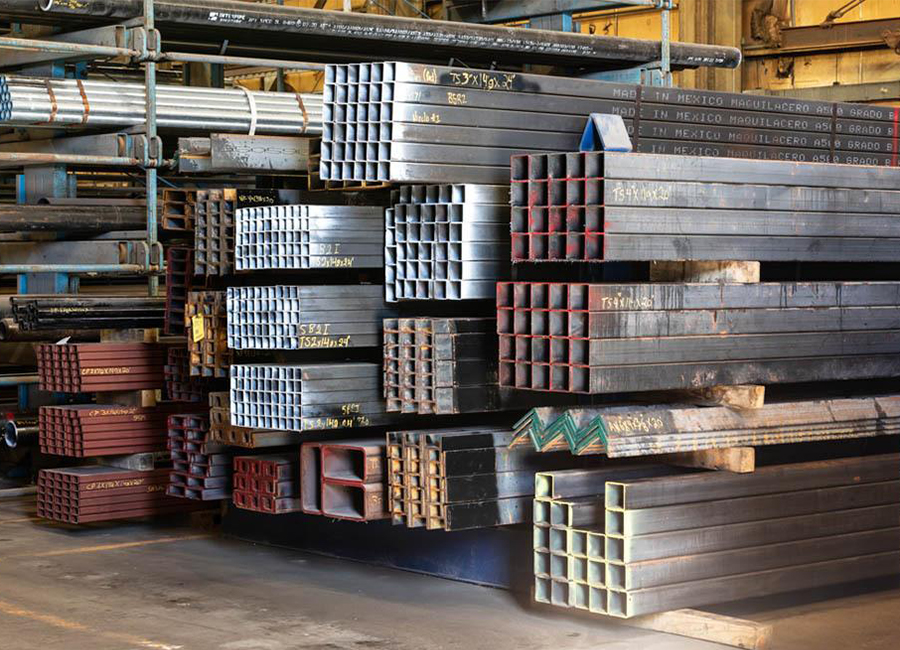
Low carbon steel, often called mild steel, combines affordability, ductility, toughness, weldability, and broad stock availability. It suits mechanical and structural parts that do not require stainless corrosion resistance, high-alloy strength, or through-hardening.
Nova produces components from sheet, plate, bar, and tube. Sheet grades support cutting, stamping, and bending; cold-finished bar suits turning and milling; hot-rolled plate is practical for brackets, bases, frames, and welded structures.
Material condition matters. Hot-rolled steel can have mill scale, looser dimensional control, and greater flatness variation. Cold-rolled or cold-drawn stock provides a smoother surface and tighter dimensions but may move when machining releases residual stress.
Bare low carbon steel rusts when exposed to moisture. Finishes can include black oxide, zinc or nickel plating, phosphate coating, e-coating, powder coating, paint, or galvanizing. Coating thickness, masking, threaded features, grounding points, and cosmetic surfaces should be identified on the drawing.
1008 and 1010 are very low-carbon grades offering high ductility, formability, and weldability. They are commonly used for stamped brackets, clips, panels, enclosures, drawn components, and lightly loaded assemblies. The required sheet standard, condition, and forming designation should be stated on the drawing.
Request a Quote1018 is a common general-purpose grade for CNC-machined and cold-finished bar components. It balances machinability, weldability, strength, and cost for shafts, pins, spacers, fixtures, studs, and fasteners. Case hardening can improve surface wear while retaining a relatively ductile core.
1020 provides a practical balance of strength, machinability, forming, and welding characteristics. It is considered for shafts, axles, fasteners, machine components, and fabricated parts supplied as bar or plate. Stock availability and hot-rolled, cold-drawn, or heat-treated condition are confirmed per project.
A36 is an economical structural specification commonly supplied as hot-rolled plate, bar, and structural shapes. It suits bases, brackets, frames, gussets, fixtures, supports, and welded assemblies. For precision-machined features, surface scale, flatness, thickness variation, and machining allowance require review.
1215 is a resulfurized, rephosphorized low-carbon steel developed for efficient machining, short chips, and clean surfaces. It is used for high-volume turned pins, studs, screws, couplings, and fittings. Its weldability is poor, so it should not replace 1018 in welded assemblies without approval.
Grade alone does not define the production result. Stock condition affects surface quality, straightness, flatness, strength, residual stress, machining allowance, and cost. SAE 1008 should also not be confused with the ASTM A1008 sheet specification; the complete standard and designation must appear on the drawing.
Provide the 3D model and 2D drawing with quantity, material specification, condition, thickness, grain direction, weld details, coating, tolerances, and inspection requirements. We will review cut edges, burrs, springback, distortion, mill scale, residual stress, coating buildup, and measurement strategy before quotation.